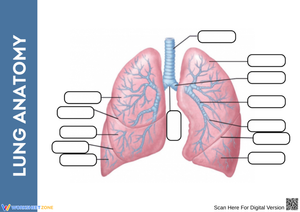
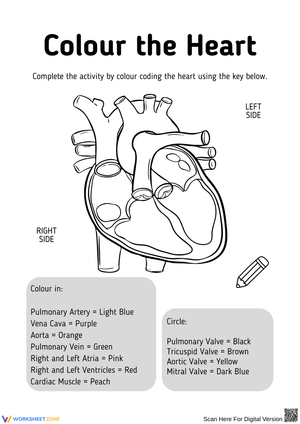
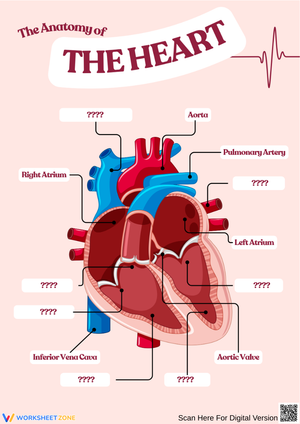
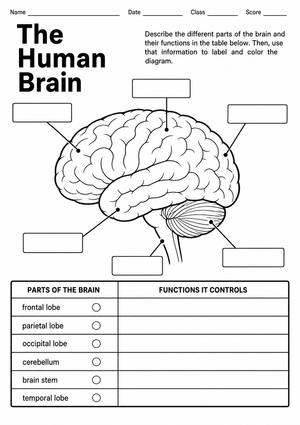
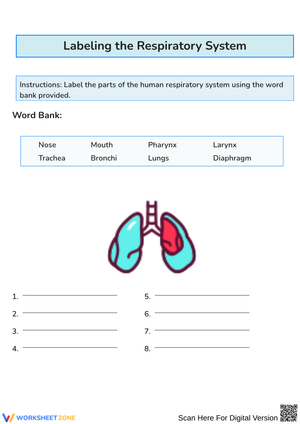
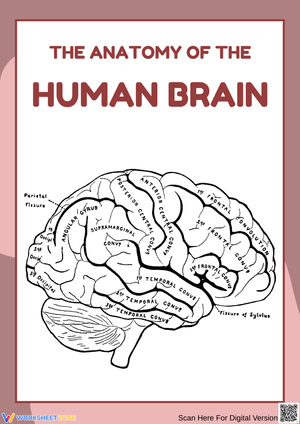
These anatomy pdf worksheets for 6th grade give life science teachers ready-to-use practice across every major human body system — from the skeletal and muscular systems through the digestive and nervous systems — without the prep overhead of building resources from scratch. The set includes labeling tasks, vocabulary matching, short reading passages, and written-response prompts, so teachers can draw from different formats at different instructional moments. That range is what makes the resources genuinely useful across several weeks of body systems instruction.
The Skills Each Worksheet Targets
Body systems instruction in 6th grade focuses on major structures, their functions, and relationships between systems — not advanced physiology. Each worksheet addresses one skill at a time, which makes it straightforward to assign the right worksheet at the right moment in a unit.
- Skeletal system — bone identification, structural support, joint types
- Muscular system — voluntary vs. involuntary muscle, how muscles interact with bones
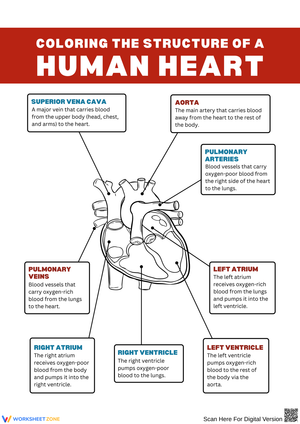
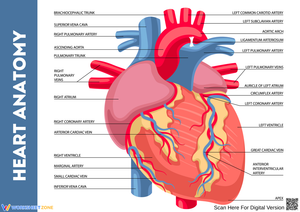
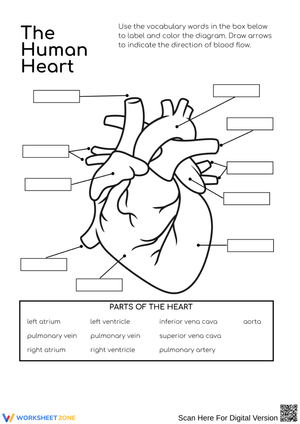
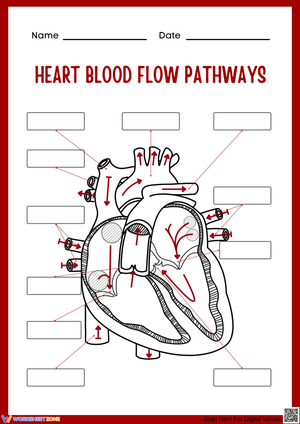
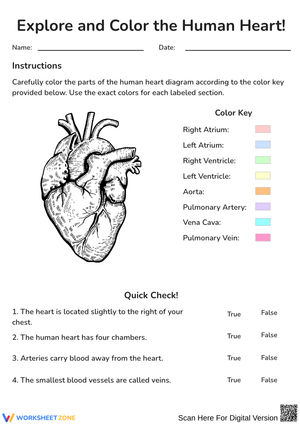
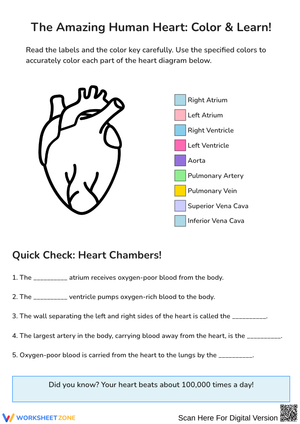
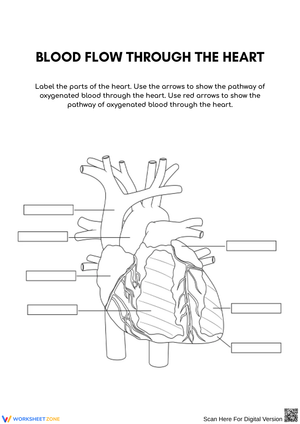
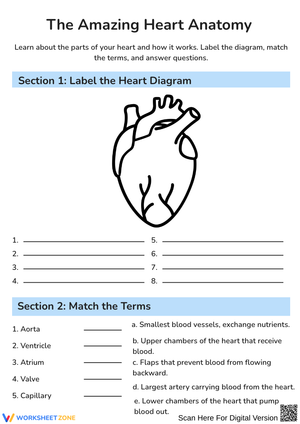
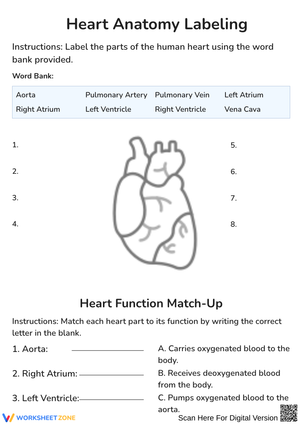
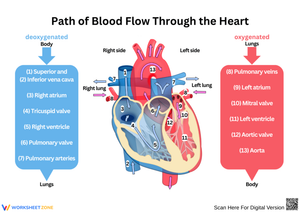
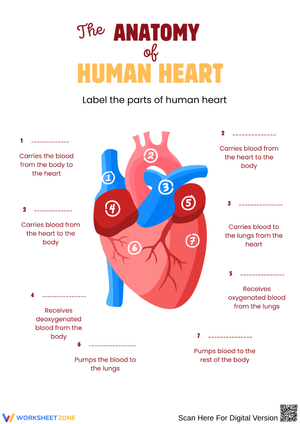
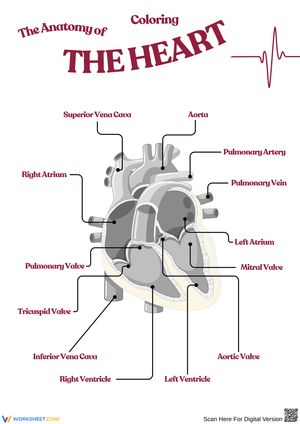
- Circulatory system — heart chambers, blood vessel roles, the path of circulation
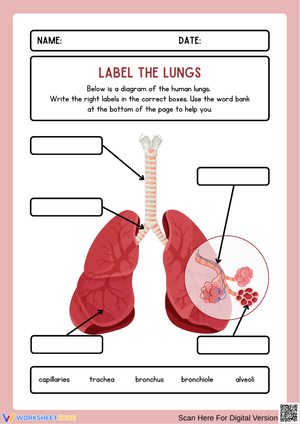
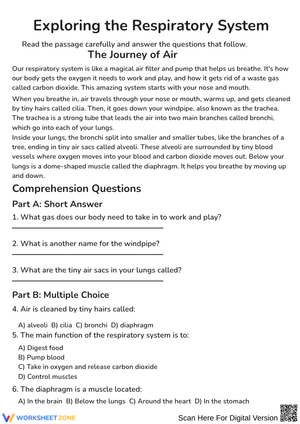
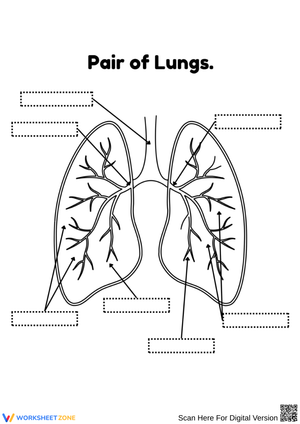
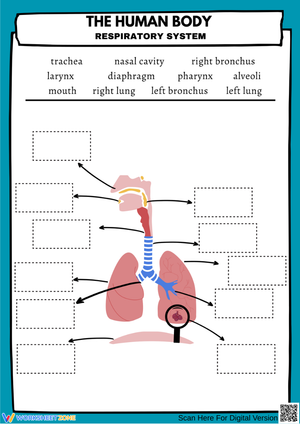
- Respiratory system — lung anatomy, gas exchange explained in accessible terms
- Digestive system — the path of food from mouth to large intestine, nutrient absorption
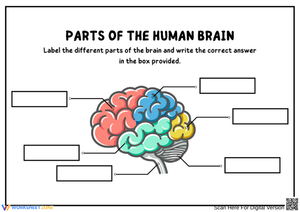
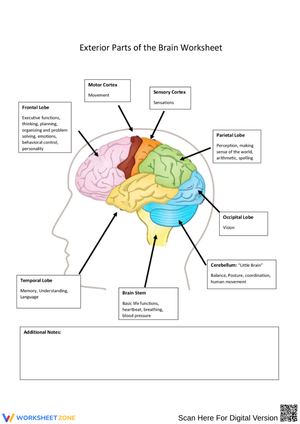
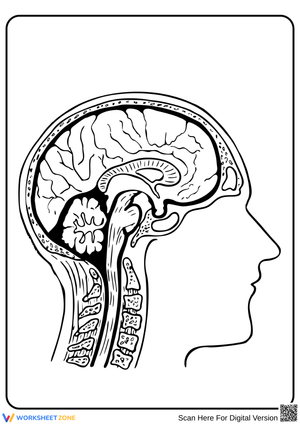
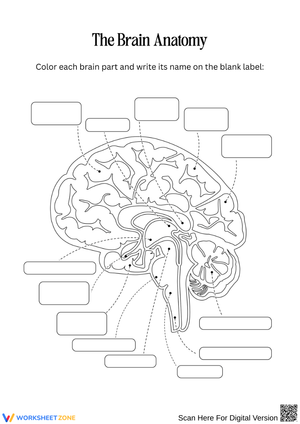
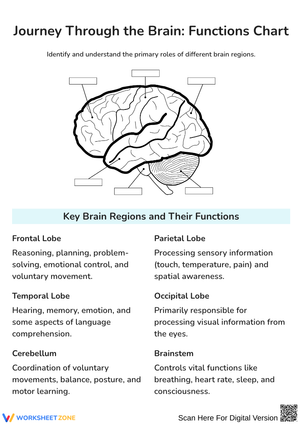
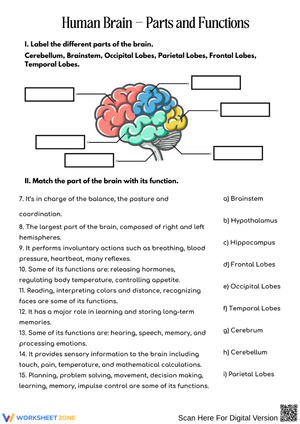
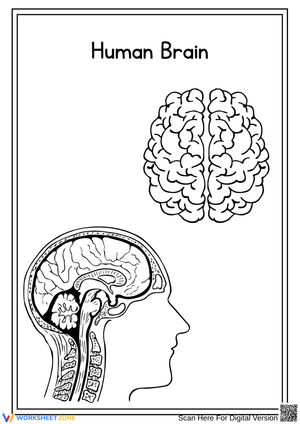
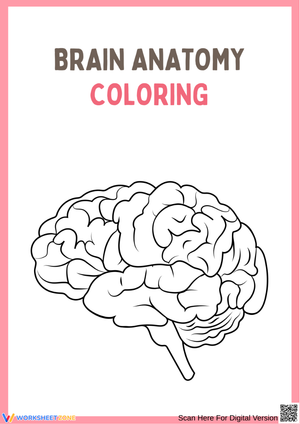
- Nervous system — brain regions, spinal cord, nerve communication
- Integumentary system — skin layers, protection, temperature regulation
Several worksheets ask students to connect two systems rather than study one in isolation — explaining, for instance, how the respiratory and circulatory systems cooperate to deliver oxygen to cells. Those cross-system tasks push thinking past recognition and closer to the kind of explanation required on assessments and in class discussion.
Student Errors Worth Anticipating Before You Assign These
One of the most consistent errors in circulatory system work is students writing that the heart "makes blood" rather than circulates it. Students who correctly place the heart on a labeling worksheet will still carry this misconception into the written-response section. The distinction between what an organ does and what it produces rarely self-corrects — it needs explicit addressing, and the written-response prompts in this set make it visible early.
Skeletal-muscular work surfaces a related problem. Students attribute movement to bones rather than to muscle contraction. "The femur helps you run" shows up in student writing more than teachers expect, even after direct instruction. Worksheets that pair a diagram labeling task with a follow-up written question — asking what actually produces the movement bones support — make this gap visible before a quiz rather than after.
Vocabulary confusion between "organ" and "system" also trips up 6th graders more than the terminology suggests. A student can correctly identify the liver and still write "the digestive organ breaks down food" when they mean the digestive system. Matching worksheets that place both terms alongside clear definitions early in a unit help prevent that substitution from hardening into a habit.
How to Work These Worksheets Into Your Week
The most effective sequencing follows a three-step pattern: labeling first, then vocabulary matching, then a written explanation. That order reduces cognitive load in a concrete way — students build a visual picture of the system before they attach precise language to it, and they attach language before they write explanations from memory. Collapsing those steps into a single session tends to produce shallow written answers because the vocabulary hasn't had time to settle.
Within a class period, a labeling worksheet handles the 10–12 minutes after direct instruction, when students are ready to practice but not yet ready to produce explanation. A vocabulary matching worksheet fits a partner review block or station rotation. The written-response prompt at the end of a worksheet works as an exit ticket — a fast formative read before the next lesson. On Mondays after morning meeting, a brief labeling task also works as low-pressure reactivation of content from the previous week, before instruction moves forward.
Sub plans are a specific situation where this set holds up well. Each worksheet carries enough visual structure — diagrams, clear prompts, word banks where included — that students move through the task without needing lecture or explanation from the substitute. A non-specialist can circulate, monitor, and collect without having to teach the content, which keeps science instruction moving on unexpected absence days.
Standard Alignment
The content across this set connects most directly to NGSS MS-LS1-3, which asks students to use argument supported by evidence to explain how the body is a system of interacting subsystems. In classroom terms, that standard shows up when students move beyond labeling individual organs and begin explaining how two systems — the respiratory and circulatory, or the skeletal and muscular — depend on each other to carry out a shared function. The cross-system comparison worksheets in this set target exactly that level of explanation.
MS-LS1-3 typically appears in 6th or 7th grade life science, depending on how a district sequences middle school science. Teachers in states using NGSS or NGSS-aligned frameworks will find the vocabulary and explanation demands consistent with what the standard expects at the middle school level. Anatomy pdf worksheets for 6th grade that address only identification tasks fall short of MS-LS1-3; the written-response prompts here are where the standard-level thinking actually gets practiced.
Adjusting the Set for Different Student Levels
The most direct adjustment is whether to include a word bank. For students still building science vocabulary, a word bank on a labeling or matching worksheet removes the retrieval barrier without softening the content demand — they're still processing structure-function relationships, just with less vocabulary load. For students ready for independent retrieval, removing the word bank turns the same worksheet into spaced retrieval practice, which builds longer-term retention more effectively than re-reading or passive review.
Longer or multi-system worksheets can be chunked across two sessions without any modification to the materials. Completing the skeletal section one day and the muscular section the next keeps the cognitive demand manageable without requiring a separate resource for different ability levels. For early finishers, ask them to write one original question about the diagram they just completed — that shifts the task from recall to analysis using the same worksheet, with no additional prep.
Students who need language support beyond a word bank benefit from a brief reference card listing key terms alongside plain-language definitions kept visible during the worksheet. That removes one decoding obstacle without changing the anatomy content itself or requiring a separate modified version.
Frequently Asked Questions
Do students need a textbook open to complete these worksheets?
No. Each worksheet includes the information students need to complete the tasks — through labeled diagrams, short embedded passages, or both. Labeling and matching worksheets rely on diagram context and any provided word bank. Reading-based worksheets include a short passage from which students draw their answers. No external reference material is required.
Which grade levels can realistically use this set?
The vocabulary load and explanation demands fit late 5th grade through early 7th grade. Fifth graders covering introductory body systems work can handle the labeling and matching tasks with support. Seventh graders reviewing foundational knowledge before more detailed physiology can use the written-response worksheets as a check on prior understanding. The anatomy pdf worksheets for 6th grade set assumes no prior formal anatomy instruction, which keeps the entry point accessible across that range.
Can individual worksheets be purchased separately from the full set?
Yes. Each worksheet is available as a standalone download. Teachers who need only circulatory system practice, for example, can purchase that worksheet without buying the rest of the collection. The full set is also available as a bundle for teachers planning a complete body systems unit.
Are these worksheets appropriate for homework?
Labeling and matching worksheets send home without issue — students complete them independently without classroom materials. Reading-based worksheets also work for homework when the passage is embedded in the worksheet itself. Avoid assigning anatomy pdf worksheets for 6th grade that reference classroom anchor charts or board notes students won't have at home. Every worksheet in this set is self-contained for exactly that reason.












 Interactive Worksheet Maker
 Quiz Maker
 Word Search Maker
 Crossword Puzzle Maker
 Word Scramble Generator
 Sentence Scramble Generator
 Handwriting Worksheet Generator
 Name Tracing Generator
 Fill In The Blank Generator