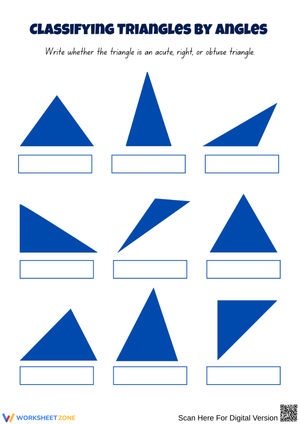
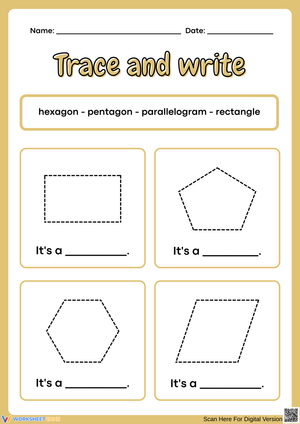
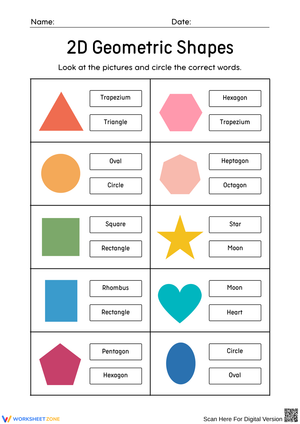
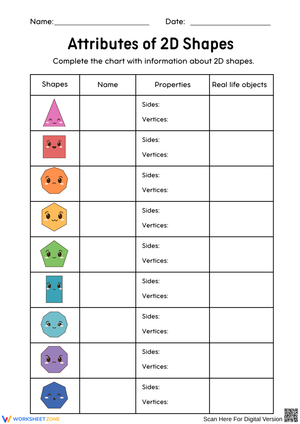
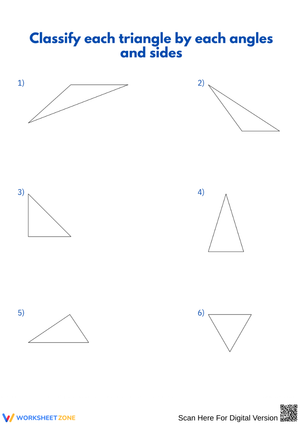
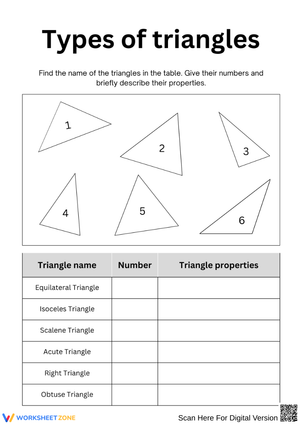
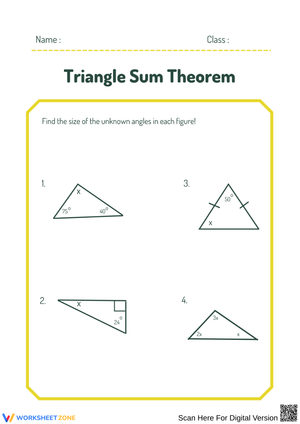
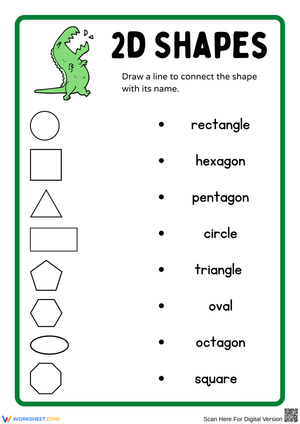
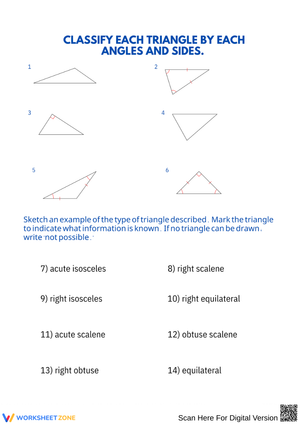
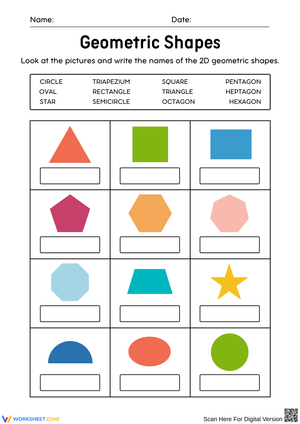
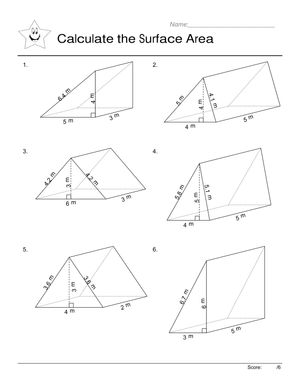
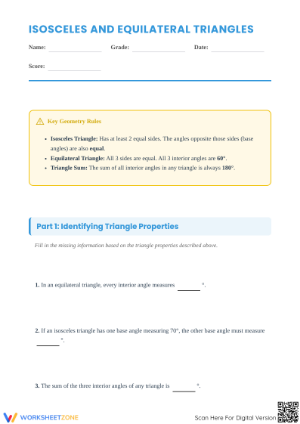
5th grade 2d shapes printable worksheets are most useful when they ask students to defend a classification, not just circle an answer. At this grade, geometry instruction shifts from "name the shape" to "explain why it belongs in that category," and that shift changes what a good worksheet needs to do. These worksheets address that shift directly—students sort, compare, and justify, building the attribute-based reasoning that Grade 5 geometry actually requires.
What Students Practice Across These Worksheets
The skills here are rooted in the Grade 5 geometry progression, where students must understand that shape categories nest inside each other—that all squares are rectangles, and all rectangles are parallelograms, without those relationships contradicting each other. Each worksheet targets a distinct slice of that conceptual terrain.
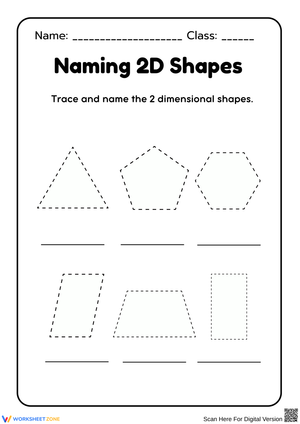
- Sorting polygons by number of sides, angle type, and side-length relationships
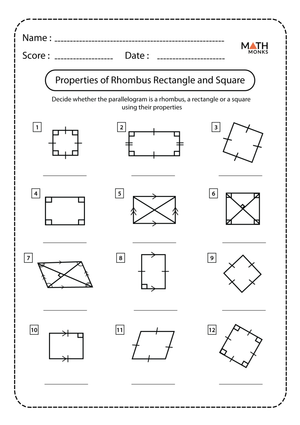
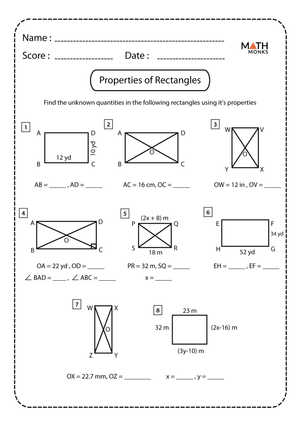
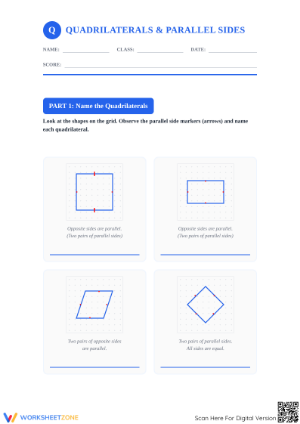
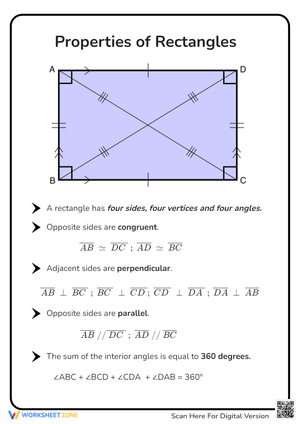
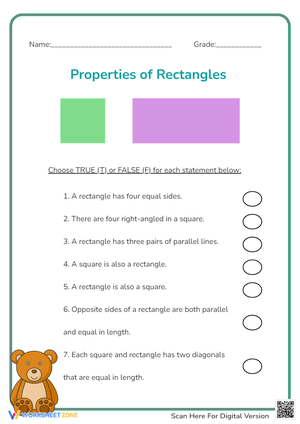
- Identifying which quadrilaterals share which properties: right angles, parallel sides, congruent sides
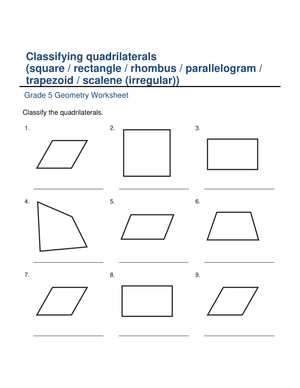
- Comparing rectangles, rhombuses, parallelograms, squares, and trapezoids side by side
- Explaining in writing why one figure belongs to more than one named category
- Reading and applying academic vocabulary: parallel, perpendicular, acute, obtuse, congruent
- Classifying figures shown in non-standard orientations—rotated or stretched—so visual intuition doesn't override attribute analysis
Several worksheets pair visual sorting tasks with short written-response prompts. A question like Name every category this quadrilateral belongs to and explain your reasoning reveals far more than a multiple-choice item. In actual student work, those open responses are where the misconceptions surface clearly enough to shape the next day's instruction.
Mistakes Students Make That These Worksheets Help You Catch
The most consistent error at this level isn't mislabeling an octagon or miscounting sides on a pentagon. It's treating the quadrilateral family as a flat list of separate, non-overlapping boxes. A student who can define "rectangle" and define "square" separately will often mark them as unrelated when asked whether a square is also a rectangle—because in their mental model, you pick one label and you're done. That hierarchy confusion is the core thing Grade 5 geometry instruction is supposed to correct, and it doesn't resolve on its own. Students who leave fifth grade still thinking squares and rectangles are distinct, unrelated shapes carry that misconception directly into middle school geometry.
A second pattern worth watching: students apply properties correctly when a shape is shown in standard orientation but revert to visual matching when the same figure is rotated. A rhombus tilted 45 degrees suddenly "looks like a diamond," and students stop attending to parallel sides or congruent sides. Worksheets that deliberately include rotated and non-prototypical figures force the attribute analysis that visual memory bypasses.
There's also a vocabulary precision issue. Students use "equal sides" and "same sides" interchangeably with "congruent," but when a worksheet asks them to identify all quadrilaterals with four congruent sides, students who haven't internalized congruence as a formal term frequently list rectangles alongside rhombuses. Catching that error in practice is easier than discovering it during an end-of-unit assessment.
Building These Worksheets Into Your Lesson Plans Effectively
In the opening days of a geometry unit, a sorting worksheet works well as a pre-assessment. Hand it out, watch how students group figures, and within ten minutes you'll know who understands attribute-based classification and who is still working from shape memory. That information shapes how you form small groups for the rest of the unit without needing a formal diagnostic tool.
Mid-unit, worksheets that pair a visual sorting task with a written explanation prompt work particularly well during partner work. Two students defending different classifications of the same quadrilateral will surface the hierarchy confusion faster than any teacher-led explanation. The disagreement is the productive moment—redirect it rather than resolve it immediately.
- Use an exit-ticket worksheet after the lesson on quadrilateral hierarchy: five to eight classification items, takes about four minutes, tells you who is ready to move forward.
- For math centers, choose a worksheet that mixes matching, short response, and one challenge item so the center runs without constant teacher check-ins.
- During intervention, work one worksheet focused on a single property—parallel sides, for example—before reintroducing multi-attribute sorting.
- In spiral review, two or three classification items per week keeps vocabulary active while students move into fractions or measurement.
The 5th grade 2d shapes printable worksheets in this set also adapt naturally to sub plans. Because directions are self-contained and figures are clearly labeled, a substitute can run independent practice without any geometry background. That's a practical advantage worth remembering before you plan a coverage day.
Standard Alignment
CCSS.MATH.CONTENT.5.G.B.3 requires students to understand that attributes belonging to a category of two-dimensional figures also belong to all subcategories of that category. CCSS.MATH.CONTENT.5.G.B.4 asks students to classify two-dimensional figures in a hierarchy based on properties. Both standards appear directly in the design of these worksheets: sorting tasks address 5.G.B.4, while the written-justification prompts address 5.G.B.3 by requiring students to articulate why subcategory membership is logical rather than arbitrary.
In classroom terms, these two standards are frequently assessed together through tasks where students place quadrilaterals into a Venn diagram or partial hierarchy. Worksheets that include incomplete diagrams for students to fill in—or that ask students to label which categories contain which figures—prepare students for exactly that assessment format.
Adjusting the Worksheets for a Range of Learners
Students who are still developing basic polygon identification benefit from starting with worksheets that focus on one attribute at a time—parallel sides only, or right angles only—before moving into multi-attribute sorting. A vocabulary reference card with definitions and labeled figures removes the word-retrieval barrier without removing the geometric reasoning task itself. The card keeps the work appropriately demanding while giving students the language access they need.
For students who move through classification quickly, the extension path is justification depth. After completing a worksheet, ask them to write a counterargument: If someone said this figure is NOT a rectangle, what would you tell them? That structure pushes reasoning further than standard classification prompts and begins developing the mathematical argumentation students will need in middle school. Asking those students to construct their own figures satisfying two or three simultaneous properties—then pass the figure to a partner to classify—turns a practice worksheet into a generative task without requiring additional materials.
The 5th grade 2d shapes printable worksheets in this set span enough variation in task type that you can assign different worksheets to different student groups during the same math block without the differentiation being obvious or drawing attention to itself.
Frequently Asked Questions
How is the Grade 5 focus different from what students practiced in 3rd and 4th grade?
In 3rd and 4th grade, students identify and describe shapes using basic properties—counting sides, naming polygons, recognizing right angles. At Grade 5, the expectation shifts to understanding category hierarchy: knowing that a square is a special rectangle and a rectangle is a special parallelogram. These worksheets are built around that hierarchical reasoning, not the identification skills students already worked on in earlier grades.
How many items work well for a quick formative check?
Five to eight items is a workable range. Fewer than five gives an incomplete picture of where the class stands; more than ten risks turning an informal check into a mini-assessment that needs grading time you don't have. For exit tickets, five well-chosen classification or short-justification items tell you more than a full worksheet used hastily.
Do these worksheets include figures shown in non-standard orientations?
Several worksheets include figures at non-standard orientations—rotated rhombuses, tilted parallelograms, squares positioned as diamonds. This is deliberate. Students who rely on visual pattern-matching rather than attribute analysis will classify incorrectly when figures are rotated, and catching that error in practice is easier than discovering it on an assessment.
Can these resources connect to area and perimeter work?
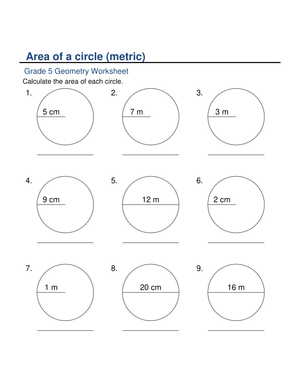
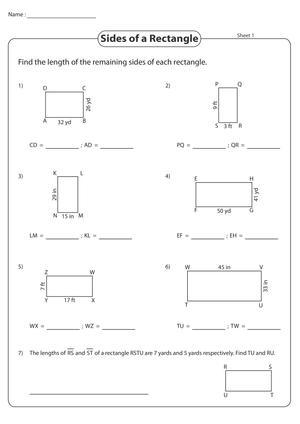
Some 5th grade 2d shapes printable worksheets in the set include extension questions that link classification to area and perimeter tasks. Once a student classifies a figure as a rectangle, a follow-up item asking which side measurements matter for perimeter reinforces the idea that geometric properties carry computational consequences—not just naming consequences. That connection helps geometry feel purposeful within the broader Grade 5 math curriculum.














 Interactive Worksheet Maker
 Quiz Maker
 Word Search Maker
 Crossword Puzzle Maker
 Word Scramble Generator
 Sentence Scramble Generator
 Handwriting Worksheet Generator
 Name Tracing Generator
 Fill In The Blank Generator




 BACK TOSCHOOL