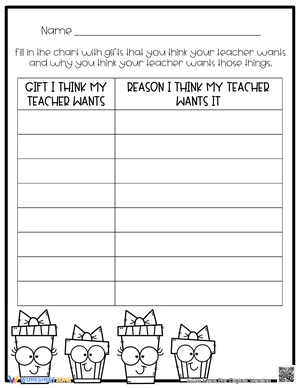
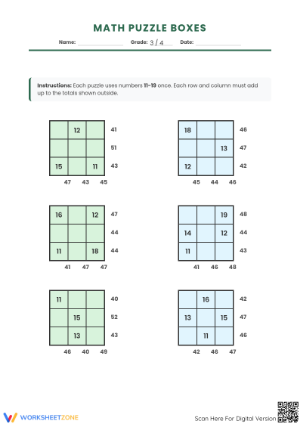
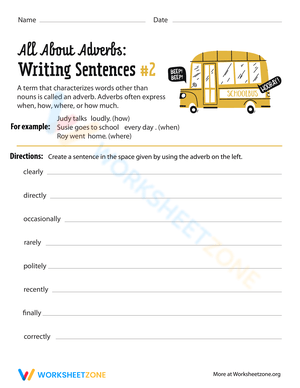
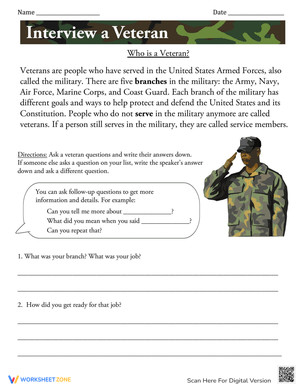
Before a 4th grader can write a strong narrative, informative piece, or opinion essay, they need a place to get their ideas down without worrying about structure or spelling. That is the job of a brainstorming worksheet. For teachers planning a writing block, these tools give students a low-stakes way to generate raw material before the pressure of drafting begins, and they turn a vague direction like write about your summer into something a nine or ten-year-old can actually start.
Why Brainstorming Worksheets Needed for 4th Grade Writing Process
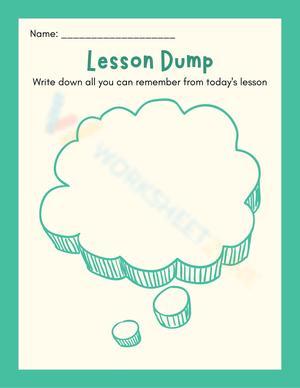
Brainstorming, sometimes called prewriting, is the first stage of the writing process, and it typically includes strategies like mind maps, lists, drawing, and data dumps, where students jot down any words related to a topic without sorting or judging them yet. That last part matters for 4th graders especially, because many of them stall out when they feel like every idea has to be a good one. A worksheet that explicitly separates collect everything from now organize it removes that pressure and gets more ideas onto the page.
This structure also fits how CCSS.ELA-LITERACY.W.4.5 frames the writing process: 4th graders are expected to plan, revise, and edit with guidance and support from peers and adults. A brainstorming worksheet is essentially a scaffold for that planning step, giving students and teachers a shared, visible record of the thinking that happens before a single sentence of a draft is written.
Matching the Worksheet to the Writing Type
Not every brainstorming worksheet should look the same, because the demands of narrative, informative, and opinion writing are different. CCSS.ELA-LITERACY.W.4.2 and W.4.4 both call for informative and clear, coherent writing, and that coherence depends heavily on how well students organize their ideas during prewriting, not just how many ideas they generate.
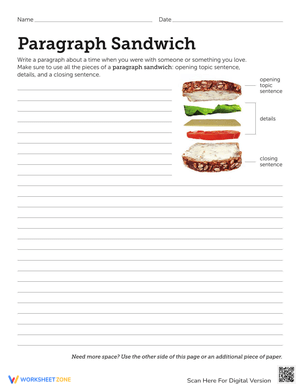
- For narrative writing, a simple story-arc organizer (beginning, problem, events, ending) works better than an open list, since it nudges students toward sequence early.
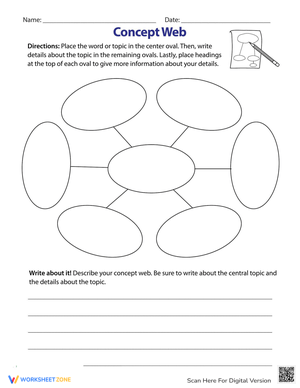
- For informative or explanatory writing, a topic web or a three-column chart (main idea, fact, source) helps students separate a big idea from the supporting details they will need in body paragraphs.
- For opinion writing, a claim-and-reasons frame, where students state their opinion and then list at least two reasons with an example each, sets up the structure they will need for W.4.1-style argument writing.
Keeping a small set of these worksheet formats on hand means you can match the tool to the assignment instead of asking students to force every writing task into the same graphic organizer.
Graphic Organizers as Brainstorming Worksheets
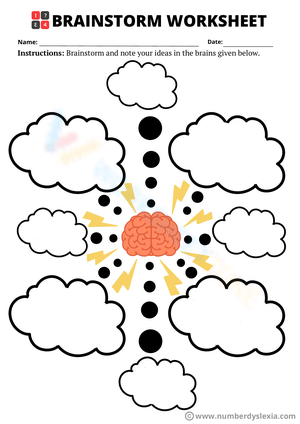
Graphic organizers used during brainstorming help students connect ideas and design a coherent structure before they start drafting. A mind map with a central topic bubble and branching subtopics is one of the most flexible versions: it works for narrative settings, informative subtopics, or the pros and cons of an opinion topic, and it lets students add or cross out branches without redoing the whole page.
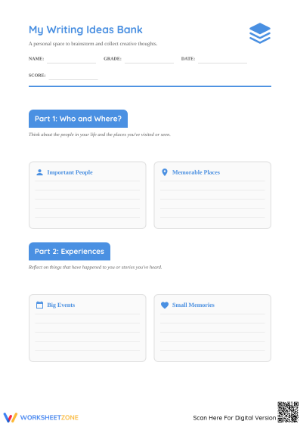
For grades 3 through 5, individual or small-group brainstorming built around a specific, narrow prompt tends to be more productive than open-ended brainstorming, since a narrower prompt gives students a clearer boundary for what counts as a relevant idea. A prompt like list three problems a new student might have on their first day at your school will generate more usable material for a 4th grader than a broad prompt like write about school, because the narrower version removes the guesswork about scope.
Classroom Implementation
A brainstorming worksheet is most effective when it has a clear time limit and a clear next step. Consider these practical moves when you build brainstorming into your writing block.
- Set a visible timer, five to eight minutes for individual work is usually enough, so students understand brainstorming is a phase, not the whole assignment.
- Model the worksheet on the board first with a different topic than the one students will use, so they see the process without copying your exact content.
- Have students star or circle their two or three strongest ideas at the end of the brainstorming time, which becomes their bridge into drafting.
- Collect or photograph brainstorming pages before drafting begins, so you have a record of student thinking to reference during conferences or grading.
- Reuse the same organizer format across a unit so students spend their energy on ideas, not on relearning a new worksheet layout each time.
Frequently Asked Questions
1. How do brainstorming worksheets align with 4th grade writing standards like CCSS W.4.5?
CCSS.ELA-LITERACY.W.4.5 asks 4th graders to plan, revise, and edit with guidance and support, and a brainstorming worksheet is a concrete, gradeable way to make that planning step visible before drafting starts.
2. What brainstorming strategies work best for 4th graders?
Mind maps, lists, and data dumps, where students jot down any related words without sorting them first, all work well; the key is picking a strategy that matches the writing type, such as a story-arc organizer for narrative or a claim-and-reasons frame for opinion writing.
3. How long should a 4th grade brainstorming session take before drafting begins?
A focused five to eight minute session with a visible timer is usually enough for a narrow, specific prompt, which tends to produce more usable ideas than a longer, open-ended session.
4. Can brainstorming worksheets be used for small-group or individual writing conferences?
Yes. A shared organizer works well for small-group idea generation, and the same format can anchor a one-on-one writing conference where you check a student's plan before they begin drafting.
5. How do brainstorming worksheets support struggling writers or students with IEPs?
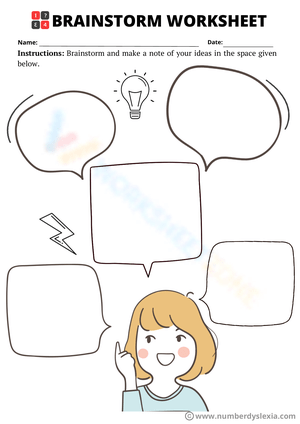
Worksheets with sentence starters, picture prompts, or pre-filled category headers lower the blank-page barrier for students who struggle to generate ideas independently, including students working on IEP writing goals, while keeping the thinking demand of the task intact.












 Interactive Worksheet Maker
 Quiz Maker
 Word Search Maker
 Crossword Puzzle Maker
 Word Scramble Generator
 Sentence Scramble Generator
 Handwriting Worksheet Generator
 Name Tracing Generator
 Fill In The Blank Generator




 BACK TOSCHOOL