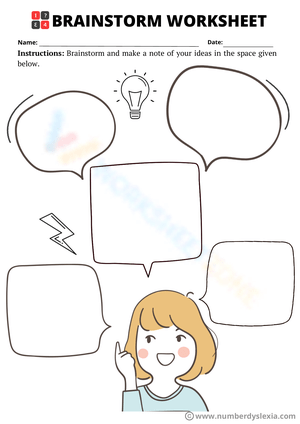
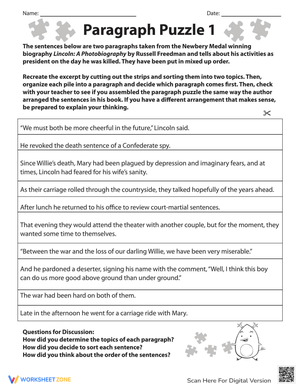
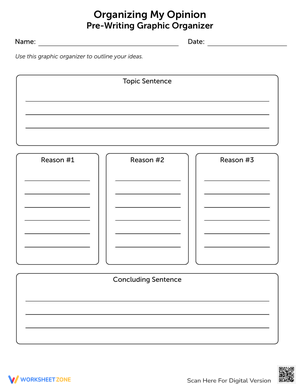
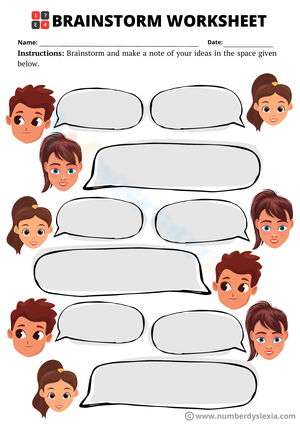
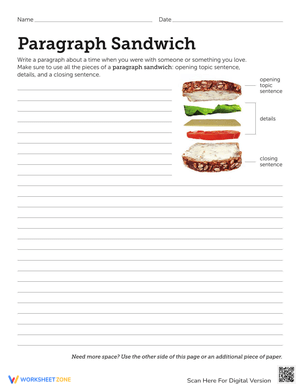
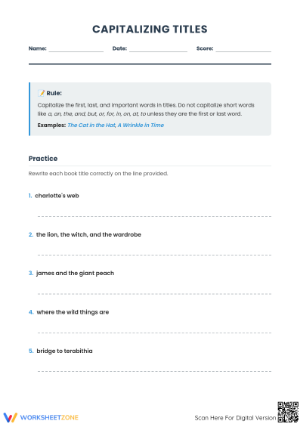
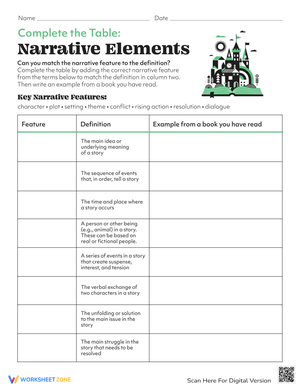
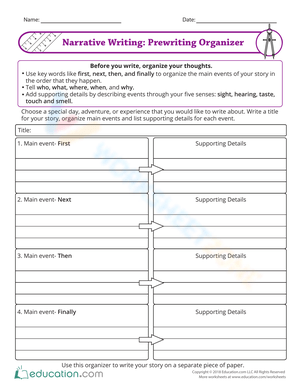
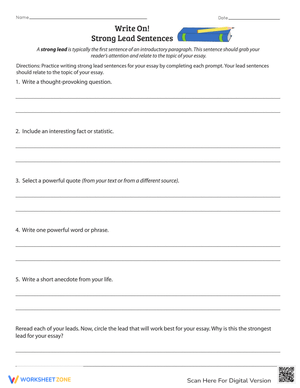
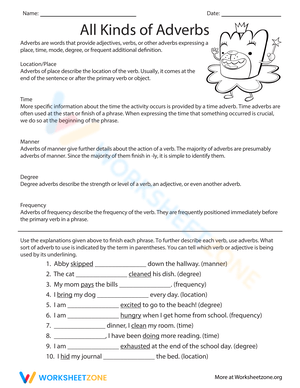
These 4th grade writing process printable worksheets give teachers a ready-to-use set that walks students through prewriting, drafting, revising, editing, and publishing as separate, focused tasks rather than one overwhelming writing assignment. Each worksheet targets a single stage, so students aren't simultaneously brainstorming, organizing, drafting, and proofreading — a cognitive demand that reliably produces thin, underdeveloped writing at this grade level. The materials span all three writing genres required at fourth grade: opinion, informative, and narrative.
What's Inside the Set
The worksheets cover each stage with materials specific to the genre being taught. The individual resources include:
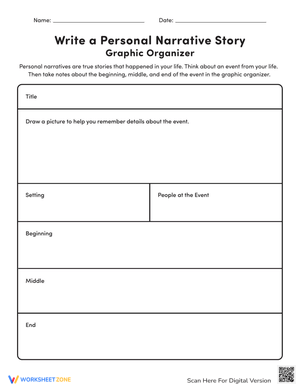
- Narrative story maps covering characters, setting, initiating event, rising action, climax, and resolution
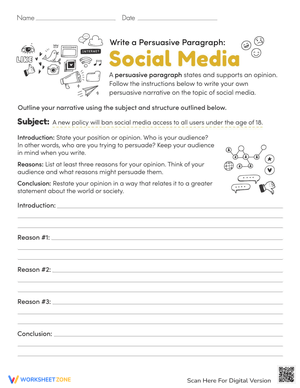
- An opinion organizer built around claim, reasons, evidence per reason, and restated conclusion
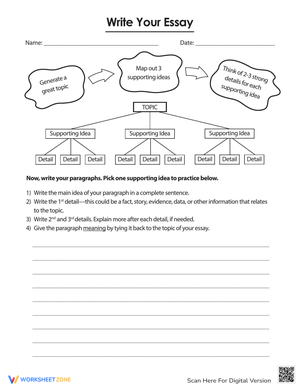
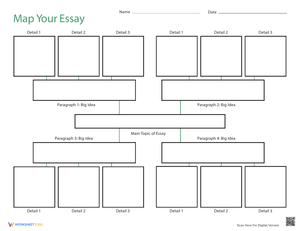
- An informative outline that separates main ideas from supporting details, with prompts for full-sentence entries rather than single-word labels
- Structured drafting sheets with light organizational cues at each section break
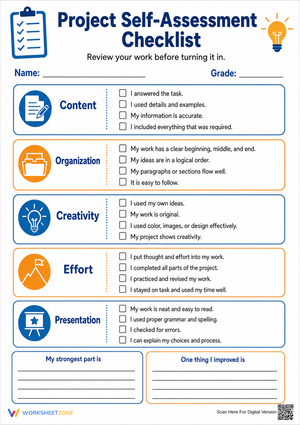
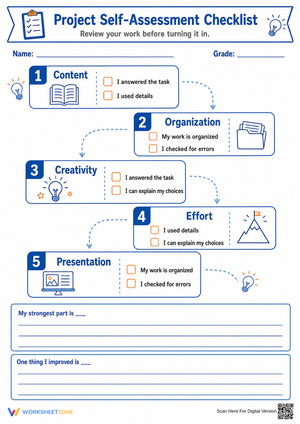
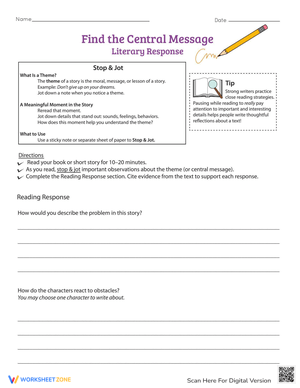
- Revision checklists that target content — specificity of the opening, development of supporting details, effectiveness of the conclusion
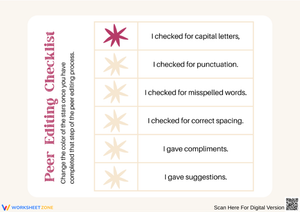
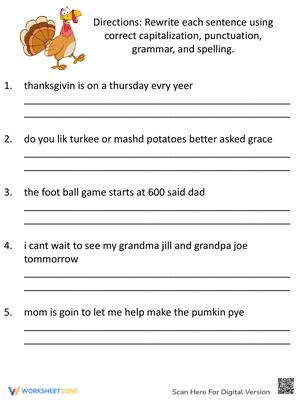
- An editing checklist divided into four separate passes: capitalization, punctuation, spelling, and sentence completeness
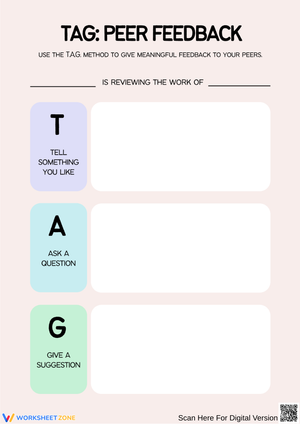
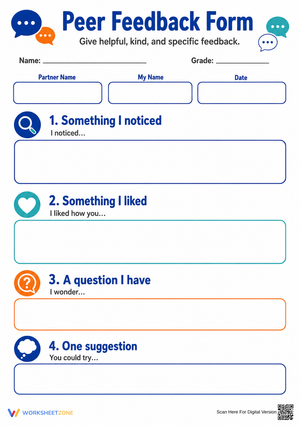
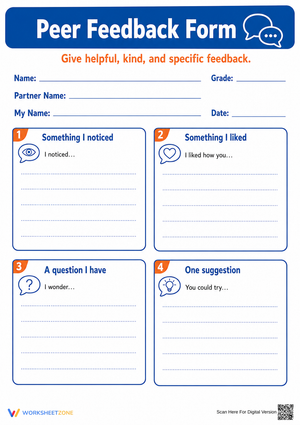
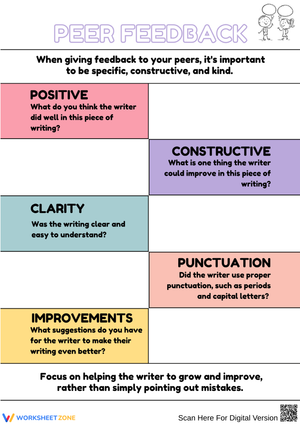
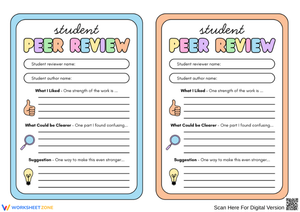
- A peer-feedback form used during the editing stage
The genre-specific prewriting materials matter more than they might initially seem. A student writing a personal narrative needs to develop character and scene before drafting; a student writing an opinion piece needs to gather evidence and anticipate at least one counterargument. Using the same blank organizer for both genres flattens those differences and tends to produce weaker writing in each.
Mistakes Students Make That These Worksheets Help You Catch
The most consistent mistake at this grade is treating revising and editing as a single step. Students fix a misspelled word and decide they've revised the draft. The distinction matters because revision requires a different reading mode — stepping back to ask whether the ideas land, versus slowing down at the sentence level to catch surface errors. Running them together means students do neither well. Using separate worksheets on different days forces the distinction more reliably than any combined checklist does.
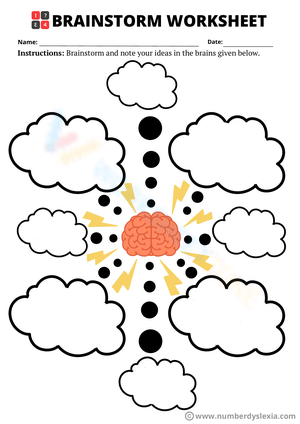
A second pattern: prewriting organizers filled in with one-word responses. Students write "setting: park" and "problem: lost dog," then stall during drafting because they never developed the ideas past the label. The prewriting worksheets here ask for complete-thought entries — not just a setting name, but two sentences describing what the place looks, sounds, or feels like when the story begins. Students who resist this initially tend to produce noticeably fuller first drafts once they work through it.
During revision, students add adjectives but don't restructure. They turn "the dog ran" into "the big, brown dog ran" and consider the piece improved. Revision prompts that ask students to first identify their strongest sentence and then their weakest — before they change anything — interrupt that pattern and push toward actual structural thinking rather than surface decoration.
How to Build These Worksheets Into Your ELA Block
The most common implementation mistake is handing out 4th grade writing process printable worksheets all at once before students understand what each stage demands. Introduce each worksheet as you teach the corresponding stage. Before students complete the prewriting organizer, walk through your own brainstorm aloud — messy, generative, unfinished — so they see that the goal is thinking on paper, not producing a neat outline on the first attempt.
Peer editing works better than solo editing at this grade when it's structured. Pair students deliberately — consider whose feedback style won't shut the other writer down. Give pairs two different colored pens: one color for what's working in the piece, one color for suggested changes. The visual split on the worksheet shows you at a glance whether a student gave balanced feedback or only marked errors. Schedule this for the middle of a class period, not the final eight minutes before dismissal, when students rush and feedback turns perfunctory.
Create a writing folder for each student to hold the organizers, drafts, and checklists from a single unit. At the end of the unit, students flip through their own materials and watch a piece develop from scattered notes to a finished draft. That artifact record builds more lasting confidence in the writing process than any lesson about why the process matters.
Standard Alignment
CCSS.ELA-LITERACY.W.4.5 requires students to "develop and strengthen writing as needed by planning, revising, and editing." This standard sits at the center of what 4th grade writing process printable worksheets address — it explicitly names the process stages rather than just the final product. W.4.1 (opinion writing), W.4.2 (informative writing), and W.4.3 (narrative writing) each require students to produce writing appropriate to task, purpose, and audience, which means moving through the full process rather than drafting a single version and calling it done. Completed prewriting and revision worksheets serve as concrete evidence of W.4.5 progress — useful in student portfolios, parent conferences, and any documentation of process-based learning rather than product quality alone.
Adapting the Set for a Range of Learners
4th grade writing process printable worksheets lend themselves to differentiation at the prewriting and drafting stages more readily than at the revision and editing stages. For students who need more support, adding sentence frames to the drafting worksheet — "My opinion is ___ because ___" or "One detail that supports this is ___" — reduces the number of decisions they face without changing the task itself. Students who stall even after completing a graphic organizer often benefit from oral rehearsal: talking through what they plan to write to a partner before putting anything on the page closes the gap between the organizer and the first written sentence.
Advanced writers tend to find the most guided organizers too restrictive. Offer them the open-ended outline template — a simple hierarchy of topic, supporting points, and evidence — and raise the expectation for each section: more evidence per claim, a counterargument acknowledged and addressed in the opinion piece, or a secondary narrative thread woven through the story. The editing checklist serves all levels equally, but push strong writers to add a fifth pass: reading the piece aloud and marking anywhere they stumble, which catches awkward syntax that a silent read consistently misses.
Frequently Asked Questions
How is revising different from editing, and how do I explain that distinction to fourth graders?
Revising is about the ideas — do they make sense, are they developed, does the structure hold up? Editing is about the mechanics — spelling, punctuation, capitalization, sentence completeness. A classroom analogy that works well: revising is rearranging the furniture so the room functions better; editing is cleaning the room once everything is in place. Using a revision worksheet one day and an editing checklist the next, rather than both at once, does more to cement that distinction than any explanation alone.
What graphic organizer works best for each type of writing at this grade?
For narrative writing, a story map that tracks characters, setting, initiating event, rising action, climax, and resolution gives students a complete arc before they draft. For opinion writing, a four-part organizer — claim, reasons, evidence for each reason, and restated conclusion — keeps students from producing pieces that never move past bare assertion. For informative writing, an outline with clear separation between main points and supporting details works well, as long as students fill in complete sentences rather than single words; one-word organizer entries don't generate usable drafting material when students sit down to write.
How do I fit the writing process into a week of instruction without losing content time?
Prewriting typically takes one focused class period, sometimes two if students are working with unfamiliar content. Drafting works well spread across two sessions — students benefit from stopping mid-draft and returning the next day with fresh attention. Revision and editing each deserve their own dedicated session, with a day between them when possible so students read the draft with genuine distance before the editing pass begins. Publishing closes the unit and signals that the work was meant for an audience from the start, not just a grade.












 Interactive Worksheet Maker
 Quiz Maker
 Word Search Maker
 Crossword Puzzle Maker
 Word Scramble Generator
 Sentence Scramble Generator
 Handwriting Worksheet Generator
 Name Tracing Generator
 Fill In The Blank Generator




 BACK TOSCHOOL