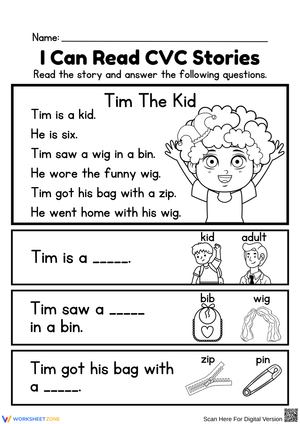
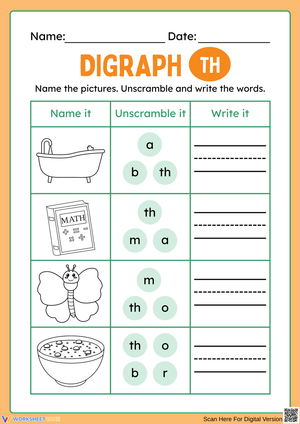
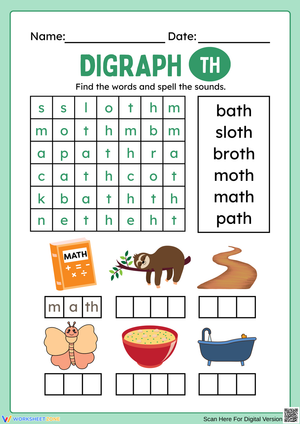
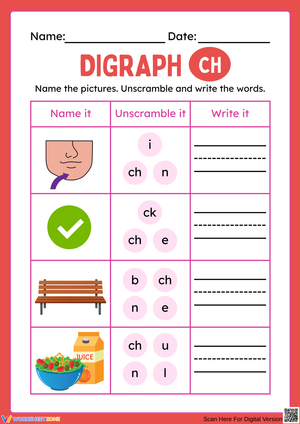
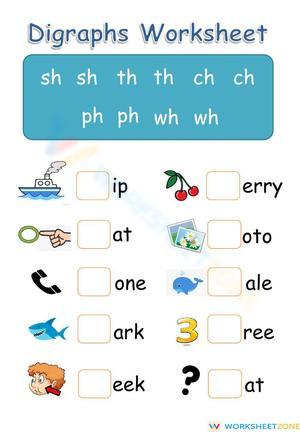
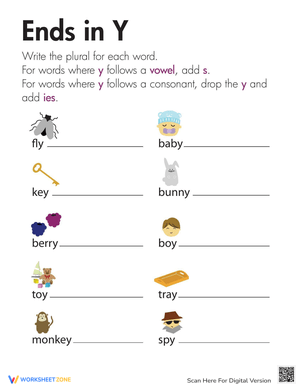
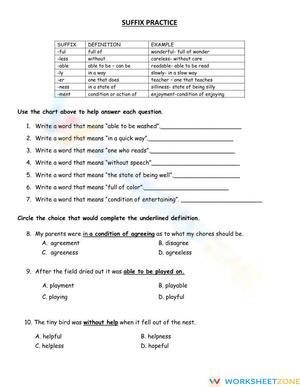
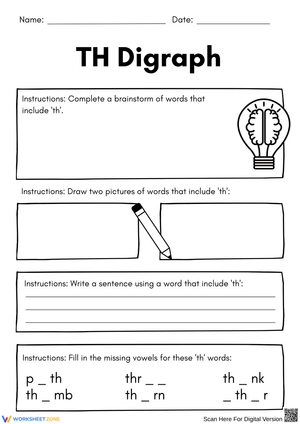
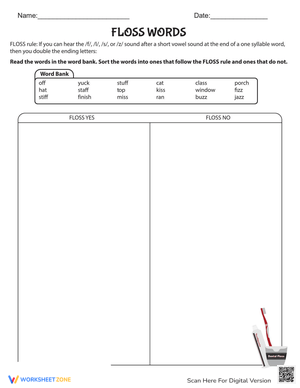
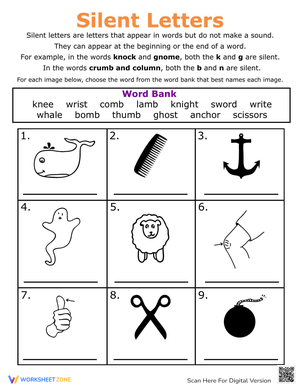
These word patterns printable worksheets for 2nd grade cover the phonics structures that define second-grade reading development — long vowel teams, r-controlled vowels, CVCe patterns, and diphthongs — giving teachers focused, ready-to-use practice that fits directly into small-group instruction, literacy centers, or morning warm-up time. Each worksheet targets one pattern, so teachers can match the resource to exactly what students need rather than sorting through mixed content.
What the Set Covers, Pattern by Pattern
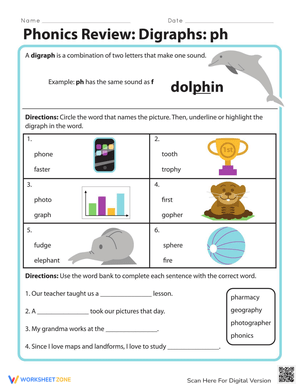
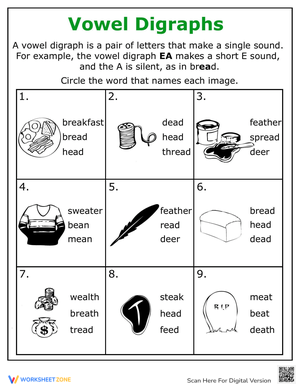
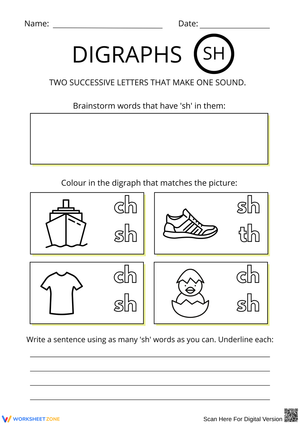
The worksheets move through the sequence most second-grade phonics programs follow. CVCe comes first — students underline the silent e and rewrite the base word to see the vowel shift from short to long. Vowel team worksheets follow: ai and ay, ee and ea, oa and ow. Students sort words by team, fill in missing vowel pairs, and read sentences with the target words in context. R-controlled worksheets cover ar, or, and the three-way er/ir/ur group, with students matching words to pictures and categorizing by spelling pattern. Diphthong worksheets address oi, oy, ou, and ow — students highlight the diphthong inside a short passage and sort words by their vowel sound.
One design choice worth noting: vowel team pairs like ai/ay and oa/ow are treated together rather than in isolation. Both spell the same long vowel sound, and students need to develop positional awareness — that ay typically ends a word while ai usually sits in the middle — rather than memorizing two separate lists with no relationship between them.
Mistakes Students Make That These Worksheets Help You Catch
The most persistent vowel team error is not in reading — most second graders can read rain and play accurately by mid-year. It surfaces in spelling. Students who know both ai and ay still write "rayn" or "stai" because they've matched sound to pattern without internalizing the positional rule. The word sort activities make that confusion visible: when a student puts "day" in the ai column, you know immediately they are working from sound alone and ignoring word position. A fill-in exercise would produce a correct answer through guessing; the sort forces the student to commit to a reason.
The ow pattern creates a different problem entirely. The same two letters represent two distinct sounds — the long-o in snow and the diphthong in cow. Students who rush will read both the same way, almost always defaulting to the diphthong. Watching which direction students guess first is diagnostic: it tells you whether they're applying a rule or just pattern-matching from the most recently practiced word. The worksheets include context sentences because context is the only reliable cue for ow disambiguation, and students need deliberate practice using it before that becomes automatic.
With r-controlled vowels, reading is manageable but spelling is genuinely difficult. The sounds er, ir, and ur are phonetically identical in most American English dialects. A student writing "berd" or "burd" for bird is not being careless — they heard the sound correctly and applied a plausible spelling. The worksheets address this by grouping all three er/ir/ur spellings side by side and asking students to sort words by their spelling pattern, building the visual memory that phonics instruction alone cannot provide.
Standard Alignment
These worksheets address CCSS ELA-Literacy.RF.2.3, the phonics and word recognition standard for second grade. RF.2.3a covers the CVCe long vowel pattern; RF.2.3b targets common vowel teams; RF.2.3d addresses r-controlled vowels. Diphthong practice falls within the broader RF.2.3 expectation that students decode words with common vowel patterns. In instructional terms, these resources fit the middle stretch of second grade — after students have consolidated short-vowel CVC words carried over from first grade, but well before the prefix, suffix, and three-syllable work that accelerates in third grade. That timing is deliberate: this is the window where pattern recognition either clicks into automaticity or stalls.
Fitting These Worksheets Into Your Lesson Planning
The most consistent use is literacy center rotation. One group works independently on a vowel team worksheet while the teacher runs a guided reading group — the single-pattern format keeps the task clear enough that students do not stall waiting for direction. The worksheets also function well as Monday warm-ups after a weekend break: four or five minutes of sorting oa and ow words before a shared reading lesson reactivates the pattern without cutting into the lesson itself.
For pull groups, the word patterns printable worksheets for 2nd grade are most productive when the teacher works through the first two items alongside students before releasing them to finish independently. That brief front-load — name the pattern, point to the vowel team, read the word aloud — gives students enough grounding to apply the rule rather than guess at the shape of the word. Teachers who skip that step find students completing the worksheet without actually engaging the phonics rule; they match visually and move on.
Sending worksheets home is worth doing selectively. CVCe and common vowel team worksheets travel well because the task is clear to a parent or caregiver — underline the vowel team, read the word, write it in the right column. Diphthong worksheets are better kept at school until students have had direct instruction; without that foundation, home practice becomes guesswork rather than reinforcement.
Adjusting the Worksheets for a Range of Learners
Students still consolidating short vowels from first grade need the CVCe worksheet before any vowel team work — not because the format changes, but because CVCe has one clean rule that produces early success. Once a student can reliably read and spell cake, kite, and note, the vowel team worksheets feel approachable rather than arbitrary.
Students who have moved through CVCe and basic vowel teams are ready for the word patterns printable worksheets for 2nd grade that cover diphthongs and the ow/oa disambiguation — that is where the real second-grade challenge sits. These students benefit from an extension step: after completing the sort or fill-in activity, they look through a familiar picture book and flag every word that fits the target pattern. That step connects isolated practice to running text, which is the transfer context that actually matters.
Students reading above grade level can use the same worksheets differently — as a starting point for generating their own word lists rather than filling in given answers. Annotating the worksheet with additional examples they recall builds metalinguistic awareness and keeps the task demanding without requiring a separate set of materials.
Frequently Asked Questions
Which pattern should I introduce first?
CVCe is almost always the right starting point in second grade. The rule is singular and consistent — the final e signals a long vowel in the preceding syllable — and students have a visible logic to hold onto. Vowel teams are harder to anchor because there are more of them, and the relationship between spelling and sound is less transparent. Starting with CVCe gives students a framework for long vowels before asking them to distinguish between multiple team spellings for the same sound.
How do I use these worksheets with students who are still working on blends?
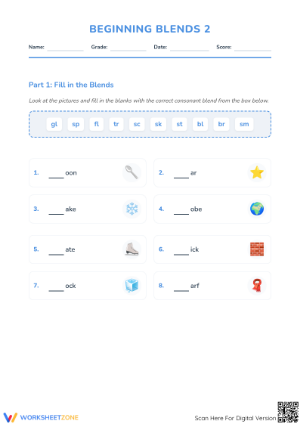
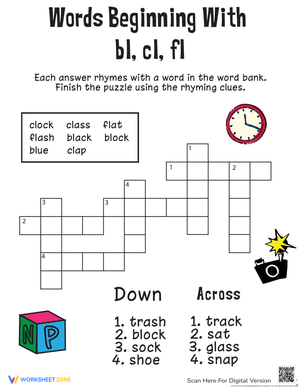
Preview each worksheet and circle the items with simple onsets — cake, bike, home — and set aside rows with blend-initial words like smile or grape until blends are more solid. The worksheets operate at the vowel pattern level, so controlling which words students encounter narrows the cognitive demand without changing the phonics point of the worksheet at all.
Can completed worksheets serve as informal assessment?
They work best for pattern-level diagnosis rather than individual word scores. Look at where errors cluster: a student who misses three out of four er/ir/ur items but handles ar and or correctly has a specific gap, not a general r-controlled vowel problem. That distinction shapes the next small-group lesson in a concrete way. Keeping a few completed worksheets from across the year also gives you something tangible to share at parent conferences when discussing phonics growth.
Are these worksheets appropriate for English Language Learners?
The word patterns printable worksheets for 2nd grade work well for ELLs when the vocabulary on each worksheet is previewed before the phonics task begins. The pattern work itself is often accessible — ELLs frequently find visual sorting tasks manageable — but if a student does not know that snail is a small shelled animal, connecting the sound to meaning is blocked before the phonics practice even starts. A brief picture preview of the target words removes that obstacle without altering the phonics task at all.












 Interactive Worksheet Maker
 Quiz Maker
 Word Search Maker
 Crossword Puzzle Maker
 Word Scramble Generator
 Sentence Scramble Generator
 Handwriting Worksheet Generator
 Name Tracing Generator
 Fill In The Blank Generator