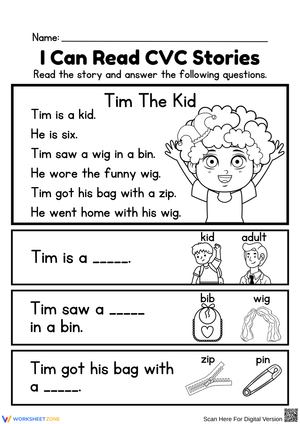
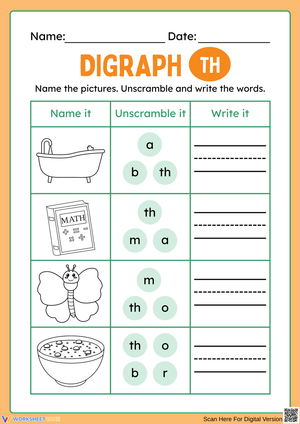
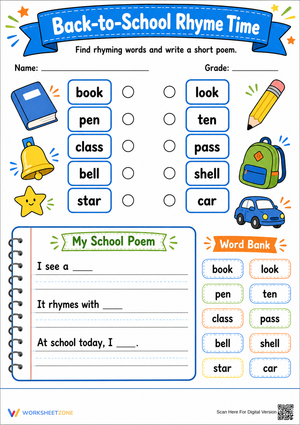
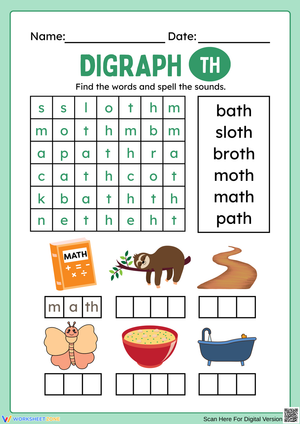
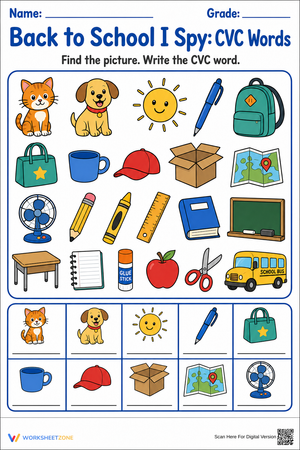
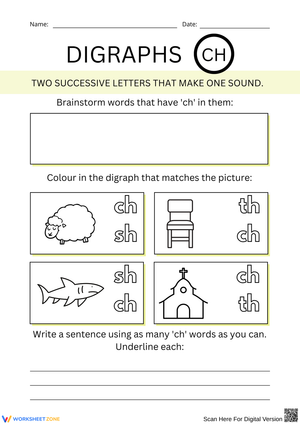
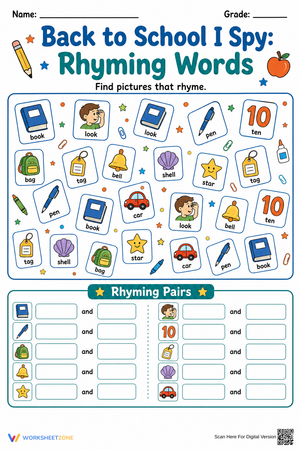
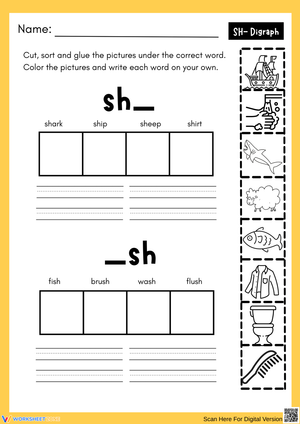
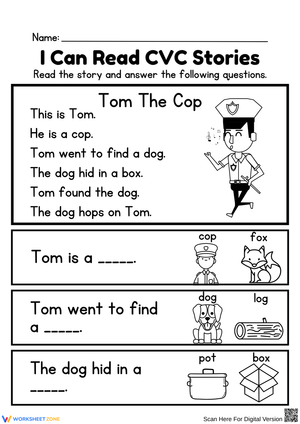
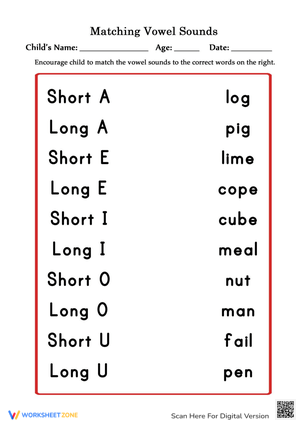
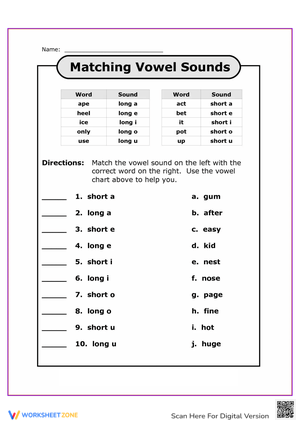
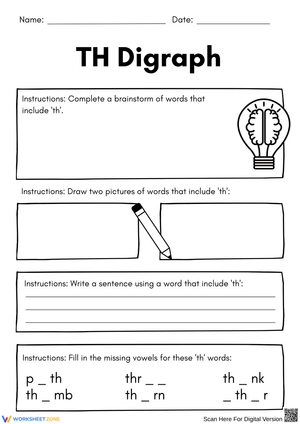
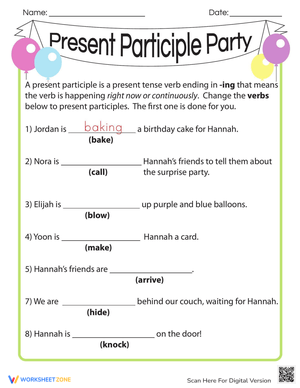
These phonics printable worksheets for 2nd grade cover six decoding patterns that define the second-grade literacy transition: vowel teams, r-controlled vowels, consonant digraphs and trigraphs, soft 'c' and soft 'g', inflectional endings with spelling changes, and syllable division. Each worksheet isolates one pattern, builds it through structured tasks, then moves students into context — short passages or sentence-level application. Teachers get print-ready materials that slot into a phonics block, literacy center rotation, or small-group intervention without additional prep.
The Specific Skills Built Across the Set
The worksheets span six pattern categories, moving from vowel team recognition through multisyllabic word attack:
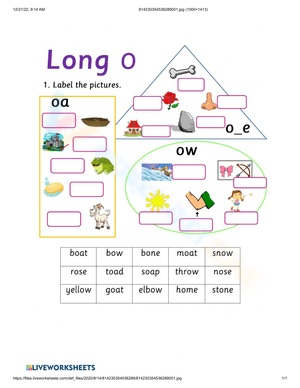
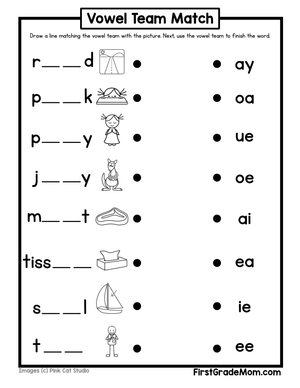
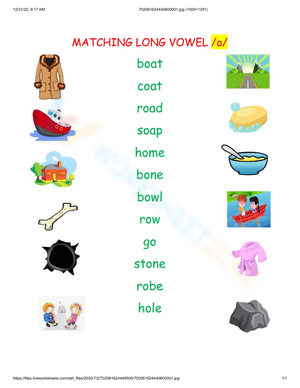
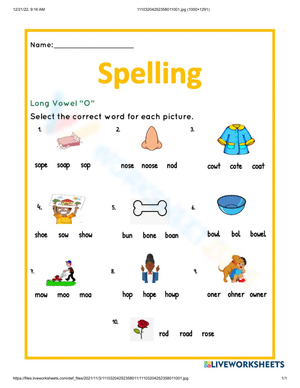
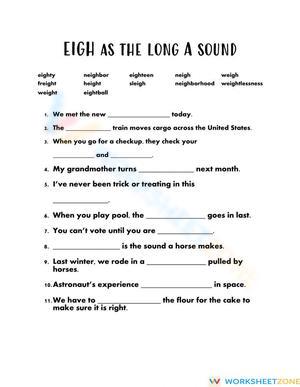
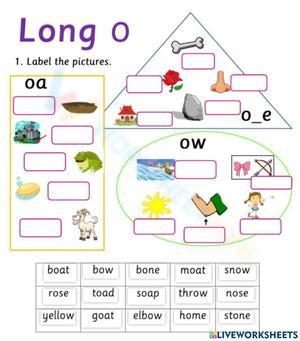
- Vowel teams — 'oa', 'ea', 'ai', 'ay', 'ee', 'oi', 'ow' — through word sorts, sentence completion, and short passage tasks
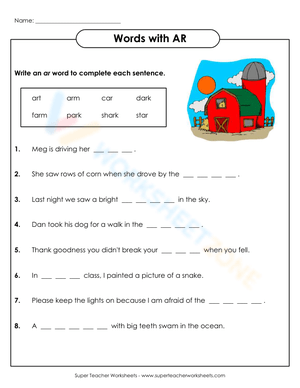
- R-controlled vowels — 'ar', 'er', 'ir', 'or', 'ur' — in a three-step sequence of isolation, sentence-level application, and context reading
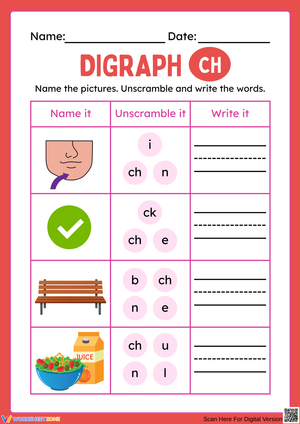
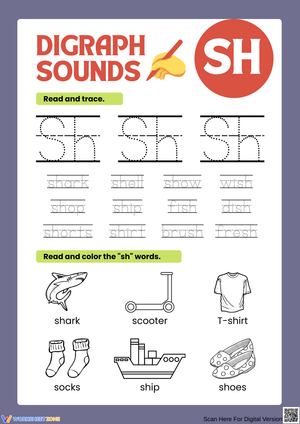
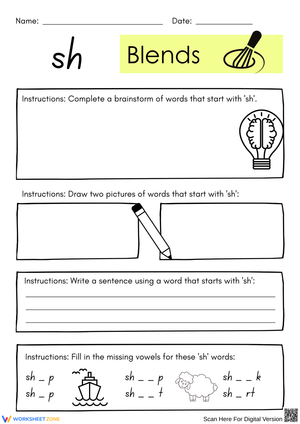
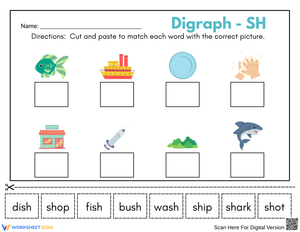
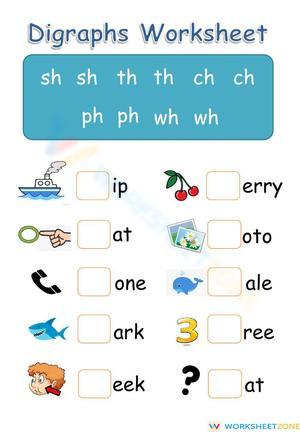
- Consonant digraphs and trigraphs — 'ph', 'tch', 'dge' — with rule instruction built in before application tasks begin
- Soft 'c' and soft 'g' — students mark the trigger vowel before sorting or rewriting
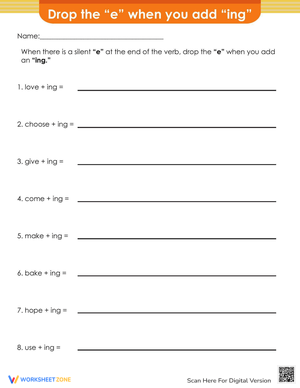
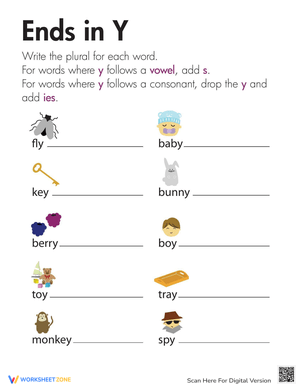
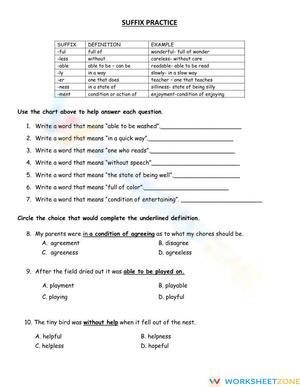
- Inflectional endings — '-ed', '-ing', '-es' — with explicit consonant-doubling rule practice
- Syllable division — VC/CV pattern and six-syllable-type identification
Task formats are chosen to match how each pattern is best internalized. Sorting requires categorization and commitment — students have to choose, not guess a blank — which makes it more effective than fill-in-the-blank for vowel team work. For the trigraph worksheets, students underline the short vowel before 'tch' or 'dge' before sorting any words. That step makes the rule visible rather than abstract. Students who skip it rely on visual memory alone, which breaks down on unfamiliar words.
Student Errors Worth Anticipating Before They Harden
The most consistent vowel team error is pattern inconsistency across word families. A student correctly spells "rain" in isolation but writes "rein" in a different sentence because the pattern hasn't generalized beyond a memorized word. With phonics printable worksheets for 2nd grade that place the same vowel team across multiple phonetic environments — not just high-frequency words — that inconsistency surfaces early, where it's easier to address.
R-controlled vowels produce a specific decoding error: students treat the vowel and the 'r' as two separate sounds. They read "bird" as "bi-rd," sounding a short 'i' followed by a separate 'r' consonant, rather than the fused vowel-r unit. The r-controlled worksheets address this by starting students at the rime unit — 'ird', 'ork', 'art' — rather than assembling words phoneme by phoneme.
Consonant doubling before '-ing' breaks down when students work with high-frequency roots. They apply the rule correctly on invented words but skip it for "run" or "stop" because they've memorized those words by sight and stop running the phonics check. The inflectional endings worksheets mix familiar roots with unfamiliar ones so students can't bypass the rule with visual memory.
Fitting These Worksheets Into Your Week
The structure that holds up best in practice: whole-group instruction introduces the pattern, small-group guided work applies it with teacher support, and then the worksheet provides the independent repetition that moves a pattern toward automaticity. The phonics printable worksheets for 2nd grade belong at that third stage — sent to students before any instruction, they invite guessing rather than decoding.
Several worksheets work well as Monday warm-ups at the start of a new phonics unit. Giving students the pattern identification section during the first five minutes tells you who already has the pattern secure and how much whole-group time the week actually needs. The syllable division worksheets are strong in the 10 minutes before a reading lesson: a quick VC/CV warm-up with familiar words lowers the cognitive demand of encountering those same patterns cold inside a chapter. Completed worksheets also function as informal formative data — not as grades, but as a quick scan for vowel team substitutions, r-controlled blending errors, and missing consonant doubling. Those three error types tell you more than a percentage score.
Standard Alignment
CCSS.ELA-LITERACY.RF.2.3 is the anchor standard for this set. It addresses spelling-sound correspondences for common vowel teams, decoding words with common prefixes and suffixes, identifying words with common but inconsistent spelling-sound patterns, and reading grade-appropriate irregularly spelled words. Each worksheet targets one subcomponent of that standard directly.
The RF strand is assessed through decoding performance, not comprehension tasks. Teachers frequently find that students struggling with late second-grade comprehension are actually carrying a heavy decoding load — so much working memory goes toward sounding out words that there is little left for meaning. Consistent practice with the patterns in this set reduces that load before it compounds into a reading gap in third grade.
Adjusting the Work for Different Readers in the Room
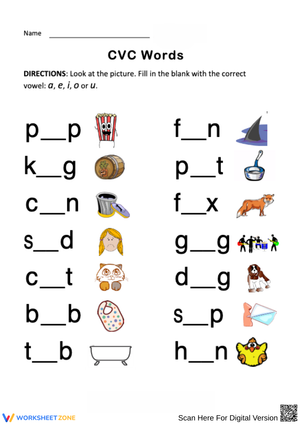
For students still shaky on short vowel CVC patterns, the vowel team worksheets are not the right entry point. Those students need closed syllable review first — short 'a' and short 'i' families — before vowel team contrasts make instructional sense. The word sort format works as a tiered activity in mixed-ability classrooms: on-grade readers sort by vowel team sound, while students who need more support simply underline the vowel team and write each word, skipping the categorization layer for now.
The syllable division worksheets adapt naturally for advanced readers by replacing the generic word lists with vocabulary pulled directly from their current independent reading text. The task structure stays the same; the words become more challenging and personally relevant. The inflectional endings worksheets add a strong challenge extension: after transforming the target word list, students write three original sentences using transformed words, then exchange papers and check each other's consonant doubling for accuracy. That moves the pattern from controlled practice into generative writing application, which is considerably harder to execute correctly under natural conditions.
Frequently Asked Questions
Do these worksheets address reading and spelling together, or just decoding?
Both. Most worksheets ask students to read words, sort them, and then write them — in sentences, in transformed forms, or in short responses. The inflectional endings and soft 'c' and 'g' worksheets are particularly strong for spelling because they require students to apply rules productively, not just recognize patterns. Decoding and encoding reinforce each other when the same practice session demands both.
How can I tell which worksheet matches a student's level if I haven't run a formal assessment?
A quick informal probe works: read students 10 words representing the target pattern — five real words and five nonsense words. Students who get the real words right but miss the nonsense words are using memory, not the phonics pattern. Those are the students who need the worksheet. Fewer than six correct on the nonsense words confirms the worksheet is the right match. Eight or more correct on both lists suggests the pattern is already secure and the student is ready for the next one.
Are these better used in class, or can they hold up as homework?
These phonics printable worksheets for 2nd grade work in both settings, with one important condition: homework use is only productive after the pattern has been introduced in class. Sending a vowel team worksheet home before any classroom instruction can produce a hardened wrong rule — a student might conclude that "ea always says /ē/" — that takes more classroom time to undo than correct initial instruction would have required. For home practice, attach a brief note describing the target pattern with one or two example words. That context gives parents enough to support the work without needing to know the full teaching sequence.












 Interactive Worksheet Maker
 Quiz Maker
 Word Search Maker
 Crossword Puzzle Maker
 Word Scramble Generator
 Sentence Scramble Generator
 Handwriting Worksheet Generator
 Name Tracing Generator
 Fill In The Blank Generator