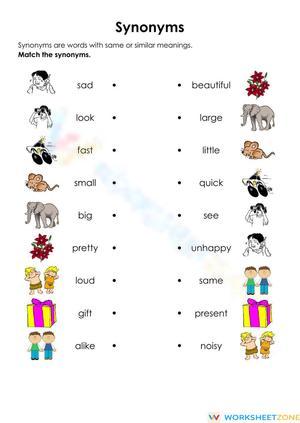
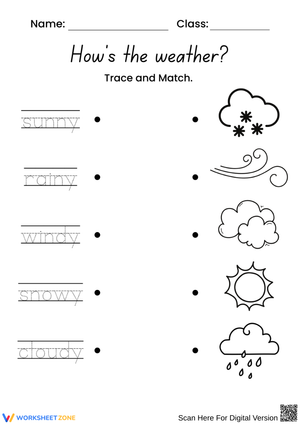
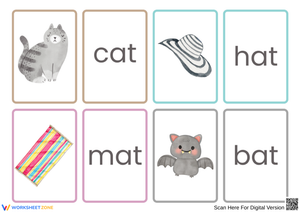
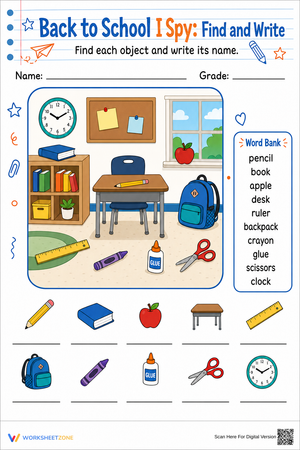
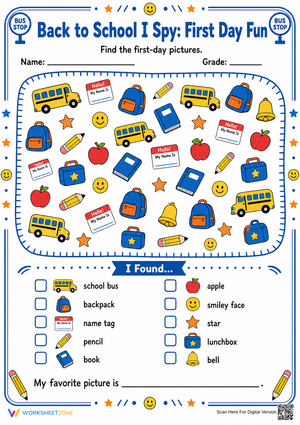
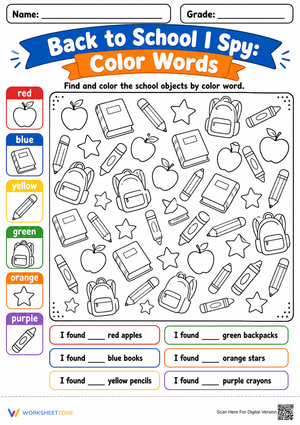
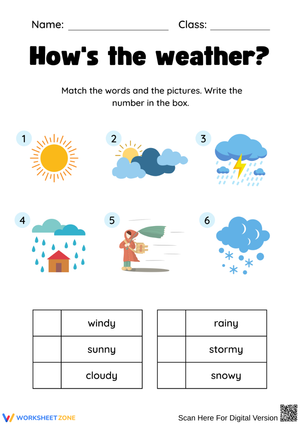
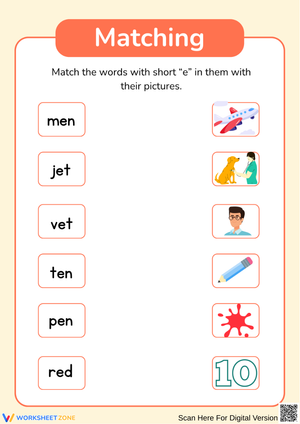
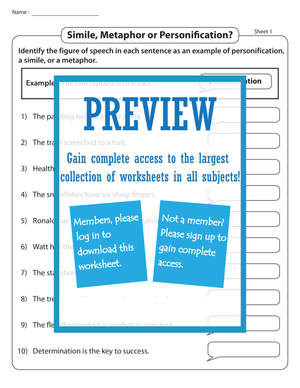
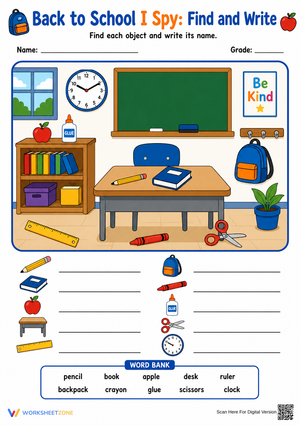
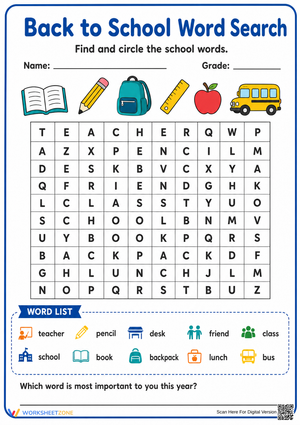
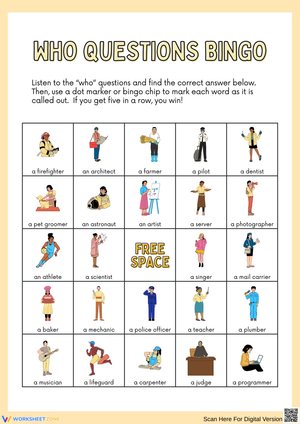
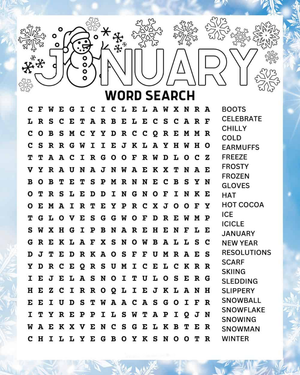
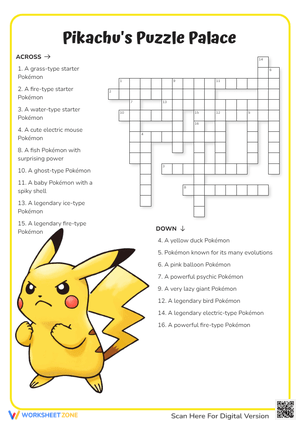
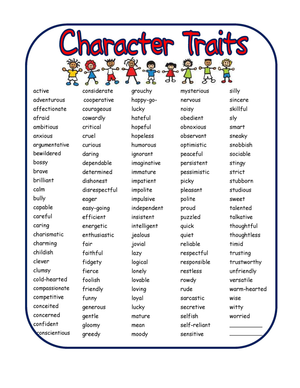
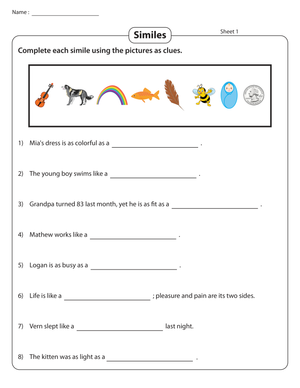
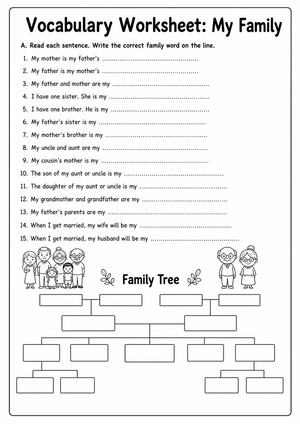
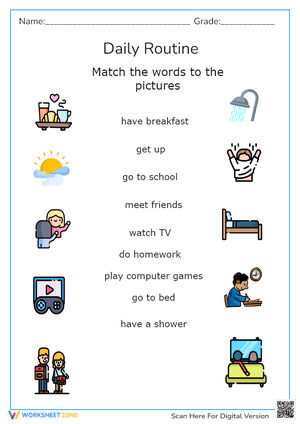
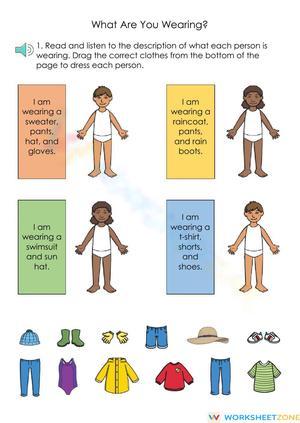
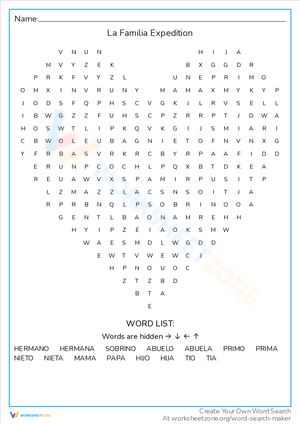
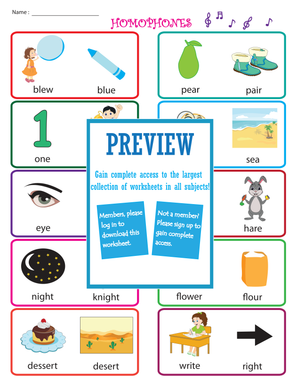
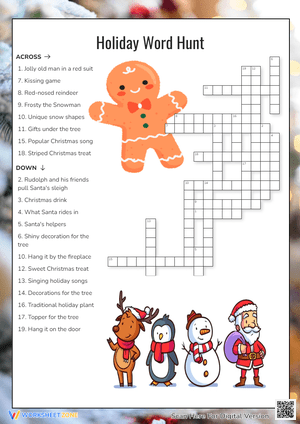
These vocabulary printable worksheets for 1st grade give teachers a ready collection of targeted practice activities — students match words to pictures, sort vocabulary into semantic categories, complete sentences using context clues, and rewrite words in new phrases. The set addresses high-frequency sight words, basic antonyms and synonyms, and sentence-level word meaning, all within the word-load range that first graders handle before the December benchmark. Each worksheet fits in one classroom sitting, making the set usable for morning work, center rotations, or a quick formative check at the close of a vocabulary lesson.
The Specific Skills These Worksheets Target
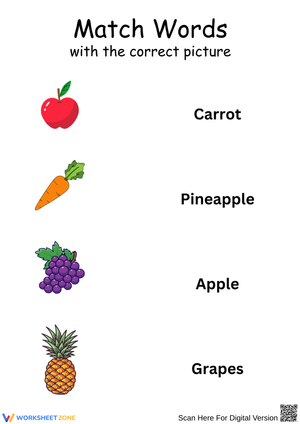
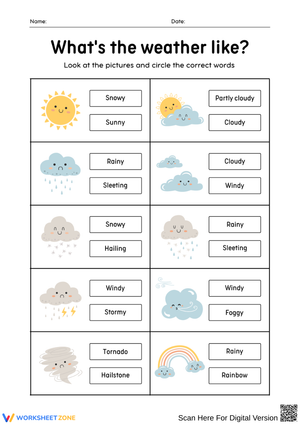
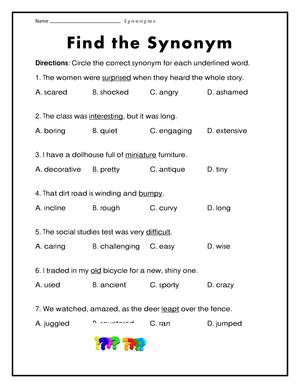
Students work across three overlapping areas. Sight word automaticity comes first: worksheets have students trace words, copy them from memory, and locate them inside short sentences drawn from grade-level text — not isolated columns on a list. The second area is meaning-based word work, where students sort vocabulary into semantic categories (animals, weather, feelings, household objects), match words to labeled pictures, and identify antonym pairs like loud/quiet or empty/full. The third area is sentence-level context: students choose the word that completes a sentence and, in later worksheets, circle the phrase or detail that helped them choose. That final step — naming the clue — is what separates a guess from a reading strategy.
Student Errors Worth Anticipating Before You Assign
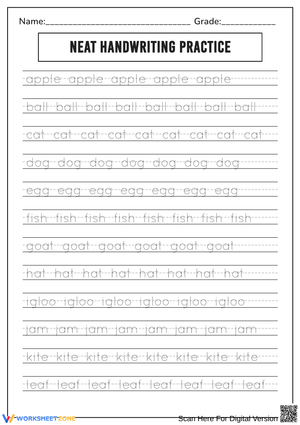
The most reliable error in sight-word activities is font dependence. A student who reads "where" correctly on Monday's worksheet will blank on the same word in a chapter book on Friday afternoon because first graders often memorize the visual shape of a word as it appears in the worksheet's typeface rather than building a flexible internal representation. This shows up most clearly with words like what, there, and they, which look entirely different in serif versus sans-serif print. A quick fix: after returning a completed worksheet, project the same sight words in two or three different fonts and ask students to identify them.
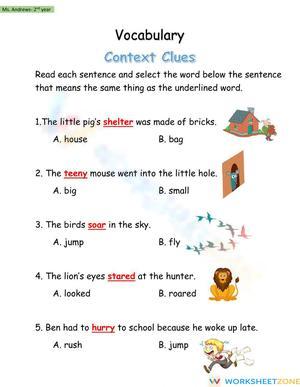
Context clue tasks produce a distinct pattern of mistakes. When a sentence reads, "She was so tired she could not keep her eyes open," most students select the right word — but accuracy drops sharply when the sentence is longer or the context clue appears after the blank rather than before it. Students trained to look only to the left of a blank miss the signal entirely. One sentence of pre-teaching before distributing the worksheet — "clues can be anywhere in the sentence, not just in front of the blank" — prevents most of it.
Categorization tasks surface a third error: students sometimes sort by sound rather than meaning. "Bat," "ball," and "bus" may cluster together because of the shared initial consonant rather than any semantic connection. This is not a vocabulary problem — it means phonics is still running hot in working memory and pulling attention away from meaning. Naming the sorting rule aloud as a class before students start, and asking one student to explain a placement before everyone begins writing, corrects this consistently.
Standard Alignment
These worksheets address CCSS.ELA-LITERACY.L.1.4a, which requires students to use sentence-level context as a clue to the meaning of an unknown word or phrase, and CCSS.ELA-LITERACY.L.1.5a and L.1.5b, which target sorting words into categories and defining words by key attributes — for example, identifying that a duck is a bird because it has feathers and lays eggs. In classroom terms, L.1.5 is the standard most teachers reach in the second and third quarters of first grade, once phonics instruction has stabilized enough that meaning-level work can carry more of the lesson. The vocabulary printable worksheets for 1st grade that target L.1.4a context clues run across the full year and pair directly with any shared reading or read-aloud where you stopped to unpack an unfamiliar word — these worksheets work well as same-day independent follow-up to that discussion.
Fitting These Worksheets Into the Week's Flow
The twenty-minute literacy center block is where most teachers get the most consistent use out of this set. At that rotation, one or two students work independently through a worksheet while the teacher pulls a small group for guided reading. Because the instructions use simple language and picture support for key words, students rarely interrupt the group to ask what they are supposed to do — which matters when the teacher is three feet away trying to listen to a different student read aloud.
Monday morning warm-up is another natural slot. First graders need a low-stakes re-entry task after the weekend before instruction begins. A sight-word or categorization worksheet takes roughly eight minutes at this age and gets students back into the rhythm of reading and writing without demanding full engagement with new content. Save the context-clue worksheets for Wednesday or Thursday, when students are warmer and the week's vocabulary has already appeared in read-aloud or whole-group work.
For homework, vocabulary printable worksheets for 1st grade work well when the words on the sheet connect directly to a story the class is reading that week. Parents see the vocabulary in context, and students arrive the next morning having said the words aloud at least once — which matters for words that are easy to misread silently but immediately understood when heard.
Adjusting Each Worksheet for the Range of Learners in Your Room
Students working below grade level on decoding need a word bank added to any worksheet that asks them to produce a written response. This is not about making the task easier — it is about reducing the cognitive load of retrieving spelling while simultaneously processing word meaning, which is genuinely too high for many first graders in the first semester. Printing the word bank on a separate strip students can move along the line they are writing keeps focus on vocabulary meaning rather than letter formation.
Vocabulary printable worksheets for 1st grade are easy to extend for students who move through the core activities quickly. The most productive extension is not more words — it is deeper engagement with the same words. Ask these students to write a second sentence using the vocabulary word in a different context, draw a picture that shows word meaning without using any letters, or invent their own sorting category and explain the rule in writing. Advanced first graders who have already mastered the target words often produce the most interesting category rules, which makes their extension work worth sharing with the class.
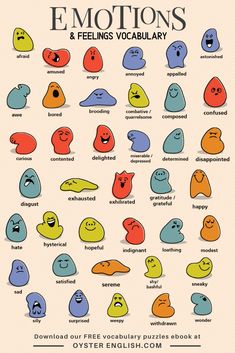
English language learners benefit from one specific modification: pair the target word with a labeled illustration before the activity begins, not after it as a comprehension check. A teacher-drawn sketch or a small picture card placed on the student's desk connects the English word to a concrete referent the student may already know in their home language. This is especially effective on worksheets involving abstract vocabulary like feelings — a student may know exactly what frustrated feels like but not yet recognize the English label for it.
Frequently Asked Questions
How many words should a single worksheet focus on at once?
Four to six new vocabulary words per worksheet is the right range for first graders. More than that stretches working memory past the point where practice is useful — students start guessing rather than processing. If a lesson calls for ten words, two separate worksheets across two days produce better retention than one worksheet with all ten crowded onto it.
Can these worksheets serve as formative assessments?
Yes, and they work best as formative checks when students complete them independently after direct instruction. A teacher scanning finished work for which students crossed out and reconsidered answers — rather than writing the first word that came to mind — gets meaningful data about who is processing deliberately and who is guessing by position on the page.
What if students complete worksheets accurately but still do not use the words in their own writing?
Worksheet accuracy and spontaneous word use are different skills. A student can correctly match "enormous" to a picture of a blue whale and still write "very big" in their own story that afternoon. The fix is not more worksheets — it is creating a classroom reason to use the word before the day ends. Posting the week's words on the board and noting any time a student uses one correctly in conversation moves vocabulary from passive recognition into active production faster than any additional written practice.
Are these worksheets usable with kindergarten or second-grade students?
The sight-word and basic categorization worksheets work for late-kindergarten students who have finished foundational letter-sound work and are ready for meaning-level activity. The context-clue and antonym/synonym worksheets are matched to first grade and early second grade. A second-grade student performing below benchmark on vocabulary assessments will find the core worksheets appropriately demanding without triggering the frustration that comes from material pitched too far above reach.












 Interactive Worksheet Maker
 Quiz Maker
 Word Search Maker
 Crossword Puzzle Maker
 Word Scramble Generator
 Sentence Scramble Generator
 Handwriting Worksheet Generator
 Name Tracing Generator
 Fill In The Blank Generator