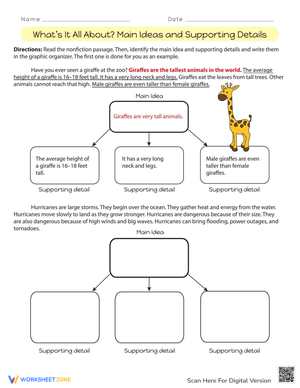
These relevant details in writing worksheets give students structured practice identifying which sentences belong inside a paragraph and which ones stray from the main idea — a skill that looks obvious to adults but trips up writers well past second grade. The set addresses a specific and persistent writing problem: students know how to generate details, but evaluating which ones actually support a topic sentence is a harder move that takes explicit, repeated practice to internalize.
What Each Worksheet Has Students Do
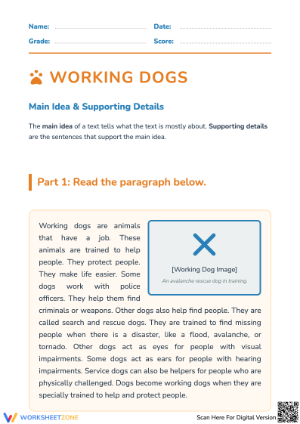
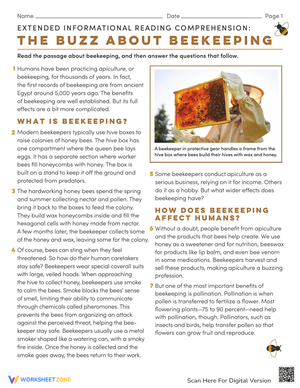
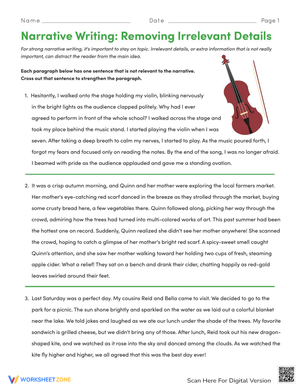
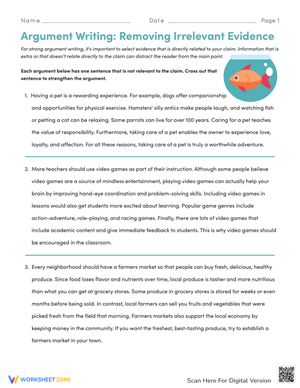
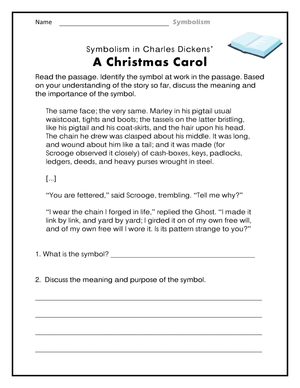
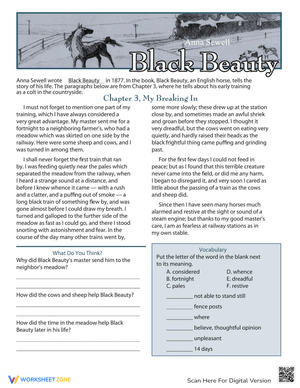
The tasks move from recognition toward production, which matches how students actually build this skill. In the earlier worksheets, students read a complete paragraph and underline or cross out sentences that don't belong — an identification task that keeps cognitive demand manageable because students are working with existing text rather than generating their own.
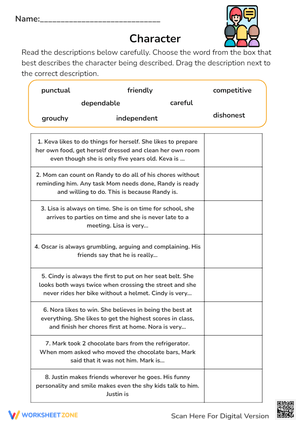
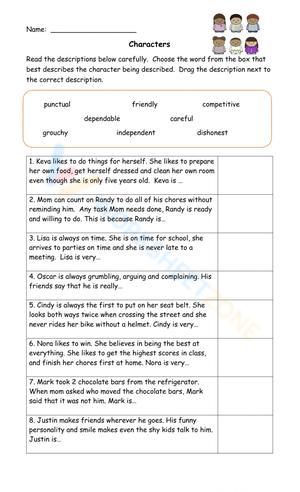
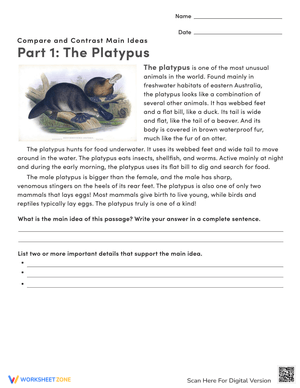
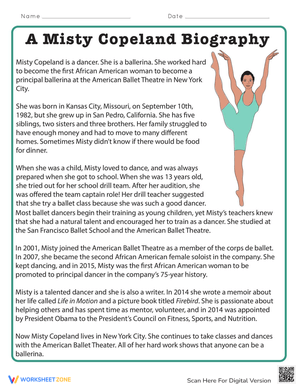
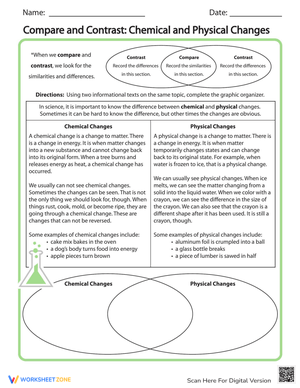
The sorting worksheets shift the task: given a topic sentence and a list of eight to ten facts, students sort each fact into one of two columns — "supports the main idea" versus "interesting but off-topic." That column format forces students to make a judgment and commit to it, rather than reading past a problematic sentence without registering why it's wrong. In the elaboration worksheets, students take a bare-bones relevant fact like "the library closes at nine" and expand it into a fully developed sentence using specific sensory detail and strong verbs. Relevance and description aren't in competition in these tasks — they work together.
Common Misconceptions to Watch For in Student Work
The most consistent error is confusing emotionally interesting facts with logically supporting ones. Children in the primary grades tend to prioritize emotional resonance over logical alignment — they gravitate toward facts that provoke a feeling (surprise, humor, cuteness) rather than facts that advance an argument. This is a developmental pattern, not a comprehension failure, which is why a single correction rarely holds. A student asked to write about a dog's daily routine will include "once my dog ate a whole birthday cake" because it's about the dog and it's a great story. In their thinking, it qualifies as relevant.
The teaching move that works here is redirecting the student back to the topic sentence: does this detail tell the reader more about the routine, or just more about the dog in general? That distinction — does this advance the main idea, or does it merely stay in the same subject area — is exactly what the sorting tasks require students to articulate. When they have to write out why a fact does or doesn't belong, the reasoning becomes visible and correctable.
A secondary error surfaces in the elaboration tasks: when asked to expand a sentence, students add more words rather than more meaning. "The dog barked loudly" becomes "The dog barked very, very loudly." The elaboration worksheets address this by prompting specific follow-up questions — what did the bark sound like compared to something familiar, who heard it, what changed in the room — so students add context and image, not just degree.
Lesson-Planning Ideas to Get the Most From These Worksheets
Use the identification worksheets at the start of a writing unit, before students are expected to generate their own paragraphs. Evaluating someone else's writing carries less cognitive load than producing original text, which makes it a better entry point for a new concept. Project one worksheet on the board and think aloud through the first two sentences — then hand it off to students for the rest. What you're modeling is the internal question: "Does this sentence tell me more about the main idea, or is it starting a new one?" That question is what students need to internalize before they can use it independently.
Relevant details in writing worksheets used during pair work generate the most useful classroom discussion. Assign the sorting task to partners, have each person categorize independently, then compare results. The disagreements are the instructional value — a student who can explain why a fact belongs in the "off-topic" column has understood the concept in a way that circling answers alone does not require.
Once students are drafting original paragraphs, use the identification format as a self-editing step. Have students highlight their topic sentence in one color and each supporting sentence in another. Any unmarked sentence is a candidate for deletion or revision. That transfer — applying the worksheet's evaluative move to their own writing — is the point the whole sequence builds toward.
Adapting These Worksheets for Different Student Levels
For students who struggle with the identification tasks, narrow the field before widening it. Instead of presenting a six-sentence paragraph with one buried off-topic sentence, give them a three-sentence set with one obvious misfit and ask which sentence doesn't belong. Reducing the decision space lets them practice the evaluative move without losing the thread of the paragraph.
Students who move through the tasks quickly are ready for the reversal: instead of finding the off-topic sentence, they write one plausible-but-wrong detail that could fool a careless editor, then explain exactly why it fails. Relevant details in writing worksheets used this way push students to hold the topic sentence, the rule, and an intentional misdirection in mind simultaneously — a harder analytical task that reveals whether they've truly internalized the concept or are just pattern-matching on subject matter and sentence length.
For English learners working through the sorting tasks, the two-column format reduces the language demand during the judgment phase. Students can annotate in their first language while still engaging with the conceptual work. A simple visual anchor — the topic sentence written in large text at the top with arrows pointing to supporting details branching below — keeps the paragraph structure visible without requiring additional reading before the task begins.
Standard Alignment
These worksheets align directly to CCSS.ELA-LITERACY.W.3.2b, which requires students to develop a topic using facts, definitions, and details. The distinction between a relevant detail and an interesting-but-off-topic fact is central to meeting this standard — and it's the part teachers most often address through correction on final drafts rather than through direct instruction before drafts are written. These worksheets move that instruction earlier, so students practice the skill during planning and drafting instead of encountering it as after-the-fact feedback. The elaboration tasks also connect to W.4.2b, which adds the expectation that facts and details be developed with concrete examples rather than simply listed.
Frequently Asked Questions
How do I explain the difference between a relevant detail and an interesting detail to a student who keeps confusing them?
Start with the topic sentence as the anchor. Tell students that every supporting detail has one job: to say something more specific about whatever the topic sentence promises. If a detail introduces a new subject — even if it's true and engaging — it doesn't belong. The hamburger model helps younger students visualize this: the topic sentence is the bun, and the supporting details are the fillings that have to go together. A toy car might be great on its own, but it doesn't go inside a burger. Once students have that image, they can apply the same test to their own paragraphs.
My students complete the worksheets successfully but still drift off-topic in their own writing. Why?
Identifying off-topic sentences in someone else's paragraph is a different cognitive task than staying on-topic while generating original text. When students write, they're managing spelling, sentence structure, idea generation, and sequence all at once — and relevance checking drops off under that load. The fix is to use relevant details in writing worksheets as an editing tool after drafting, not just as instruction before it. Have students complete a worksheet, then immediately return to their own draft and apply the same evaluative question to each of their own sentences. That pairing — worksheet, then original writing, in close sequence — is what builds the transfer.
At what grade level are these worksheets most effective?
The identification and sorting tasks work well in grades 3 and 4, when students are producing multi-sentence paragraphs and beginning to receive feedback on paragraph unity. The elaboration tasks are better suited to grades 4 and 5, once students have a working understanding of relevance and are ready to develop their details rather than just select them. Many teachers use the identification worksheets as a review at the start of grade 5 before introducing the elaboration tasks as the new challenge for the year.












 Interactive Worksheet Maker
 Quiz Maker
 Word Search Maker
 Crossword Puzzle Maker
 Word Scramble Generator
 Sentence Scramble Generator
 Handwriting Worksheet Generator
 Name Tracing Generator
 Fill In The Blank Generator