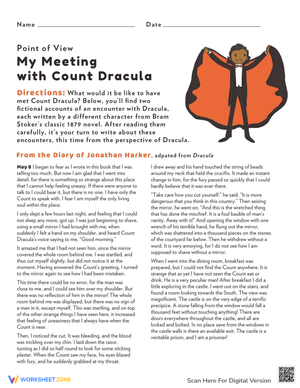
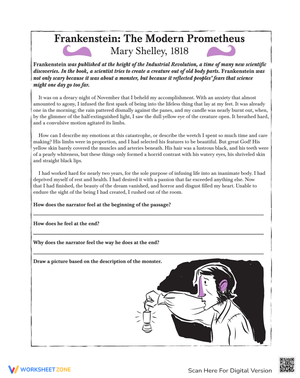
Why Analyzing Character printable worksheets Matter
Using analyzing character printable worksheets provides teachers with a structured way to guide students through this cognitive process. When students move beyond plot recall, they develop critical thinking skills necessary for literary analysis. These worksheets offer a clear framework to document observations and form evidence-based conclusions.
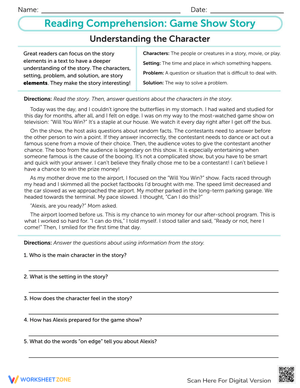
Teachers find that students struggle to articulate why a character made a choice. By introducing targeted analyzing character printable worksheets, teachers break down the concept of personality into observable parts. This scaffolded approach ensures learners at various levels can participate in literature discussions. The structure provided helps students organize their thoughts before writing essays. Furthermore, having a document to reference allows students to review their initial impressions of a character and see how opinions evolve as the story progresses.
Internal Versus External Character Traits
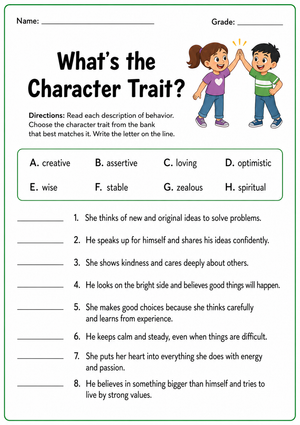
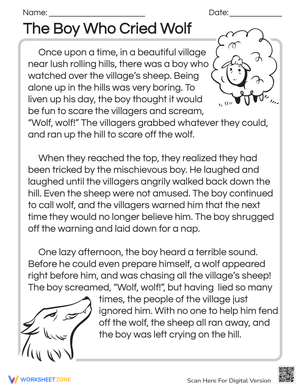
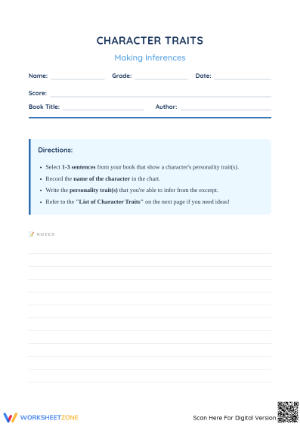
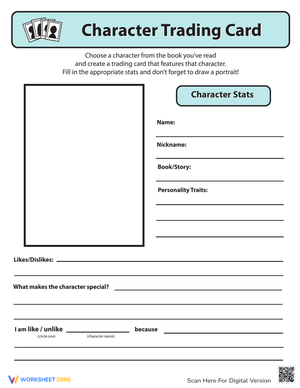
A foundational element of character study is distinguishing between what a character looks like and who they are inside. External traits are physical characteristics and observable behaviors a student can spot in the text. Internal traits require inference and a deeper reading of the narrative. Analyzing character printable worksheets often feature T-charts specifically designed to help students categorize these distinct types of traits.
Teaching students to identify internal traits involves guiding them to look at a character's dialogue, thoughts, and interactions. When teachers use analyzing character printable worksheets, they can prompt students to provide examples of both trait categories. For instance, a worksheet might ask a student to list physical descriptions alongside inferred personality traits. This practice encourages readers to consider the complex psychological makeup of the characters. By separating the external from the internal, students learn that a character's appearance does not always align with their intentions.
Connecting Motivations to Character Actions
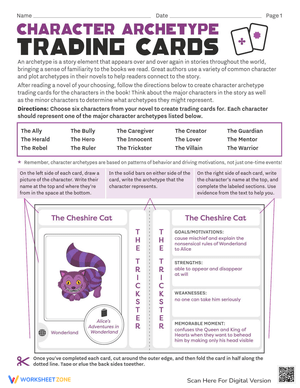
Understanding why a character acts in a certain way is a critical component of reading comprehension. Character motivation drives the plot forward and creates central conflicts within a narrative. Utilizing analyzing character printable worksheets allows teachers to create a direct link between a character's actions and their underlying desires. When students trace an action back to a motivation, they demonstrate a sophisticated grasp of the text.
According to "Character Traits and Motivation", teaching students to explicitly link character motivation to specific plot events increases their overall narrative comprehension. Students who consistently map these internal connections are able to predict future character choices and plot outcomes with significantly higher accuracy throughout the school year.
This deeper level of understanding transforms passive reading into an active, analytical process. Teachers can design lesson plans where students use analyzing character printable worksheets to map out a character's goals and track how those goals influence decisions during conflicts. By making these connections visible on paper, students learn to apply analytical frameworks to independent reading texts, ultimately becoming insightful consumers of literature.
Tracking Character Feelings Over Time
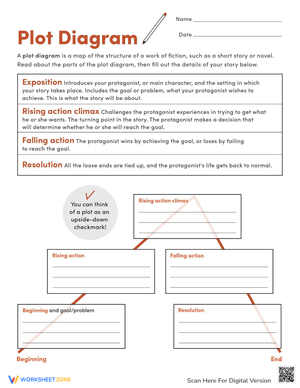
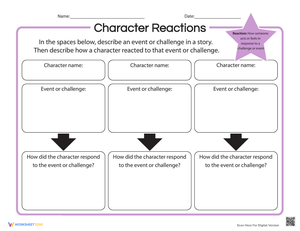
Characters are rarely static; their emotions fluctuate in response to challenges throughout the narrative arc. Tracking these emotional shifts is essential for understanding character arcs and theme development. Analyzing character printable worksheets that feature emotion timelines are excellent tools for this task. These resources prompt students to record a character's emotional state at various plot points, providing a visual representation of their psychological journey.
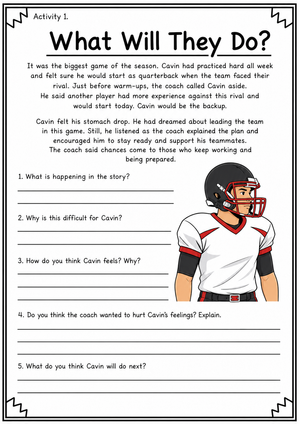
By documenting these changes, students learn to differentiate between a fleeting feeling and a permanent personality trait. For example, a character might feel angry in a scene without being an inherently angry person. Analyzing character printable worksheets help students articulate nuances by requiring them to cite the specific event that triggered the emotion. This practice enhances literary analysis and supports social-emotional learning by encouraging empathy. Recognizing emotional complexity prepares students to analyze dynamic characters in advanced literature where motives are often ambiguous.
Using Textual Evidence in Character Study
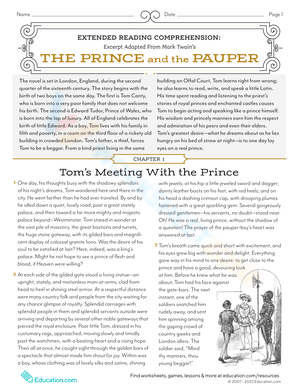
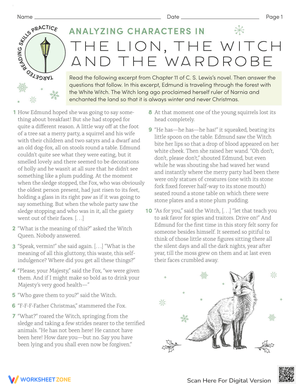
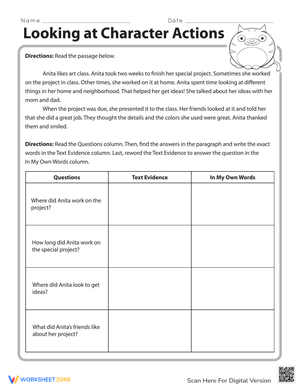
The ability to support claims with textual evidence is a cornerstone of academic reading and writing. Analyzing character printable worksheets are uniquely suited to reinforce this skill in a structured format. Rather than simply allowing students to state that a character is kind, these worksheets demand that learners provide a specific quote that demonstrates the trait. This evidence-based approach is essential for meeting rigorous educational standards and preparing students for advanced literary critique.
When designing activities around analyzing character printable worksheets, teachers should model how to select strong evidence. A well-structured worksheet includes dedicated space for the claim, the textual quote, and a brief explanation of how the quote supports the claim. This three-part structure ensures that students do not just drop quotes into their work without context. Over time, the repeated practice of finding and citing evidence builds a habit of analytical rigor that transfers to all areas of the language arts curriculum.
Graphic Organizers for Scaffolded Practice
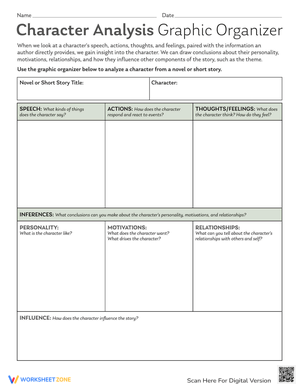
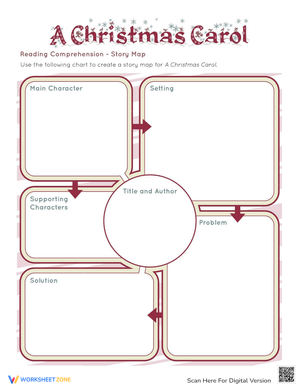
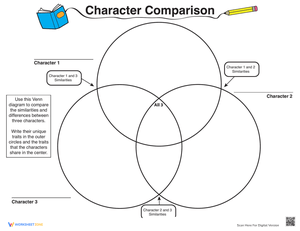
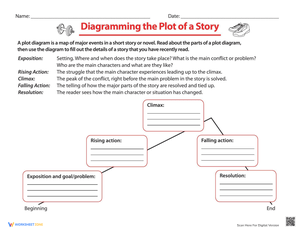
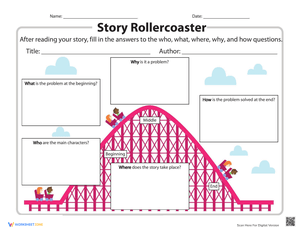
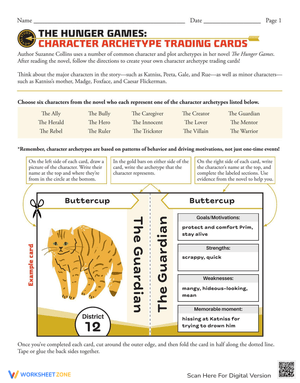
Graphic organizers are powerful visual tools that make complex cognitive tasks more accessible for all learners, particularly those who benefit from visual structuring. Integrating graphic organizers into analyzing character printable worksheets provides essential scaffolding for students who may struggle with unstructured writing assignments. Concept maps, character webs, and trait matrices break down the analytical process into visually distinct steps, reducing cognitive overload and allowing students to focus on one aspect of the character at a time.
These visual frameworks are particularly beneficial in diverse classrooms where students have varying levels of reading proficiency and different learning styles. Analyzing character printable worksheets that utilize graphic organizers can be easily differentiated to meet individual needs. For example, a teacher might provide a partially completed web for students who need extra support, while challenging advanced readers to complete a blank matrix with complex, multi-layered textual evidence. The flexibility of these printable resources ensures that every student has the tools they need to succeed in character analysis, creating a more inclusive learning environment for literature studies.
Classroom Implementation
To maximize the impact of these resources, teachers must integrate them thoughtfully into their instructional routines. The article "Teaching Character Analysis: Tips and Strategies" notes that when teachers explicitly model the use of character graphic organizers during whole-group instruction before assigning them independently, student completion rates and analytical depth improve substantially across all reading levels, leading to a 40% increase in detailed evidence citation. Begin by using analyzing character printable worksheets during a read-aloud to collaboratively fill out the worksheet.
Once students understand the expectations, these printables can be used effectively during small-group guided reading or as independent literacy center activities.
- Introduce the vocabulary explicitly: Before handing out the worksheets, ensure students understand terms like trait, motivation, external, internal, and evidence.
- Provide varied texts for practice: Use the printables with short stories, chapter books, and even narrative nonfiction.
- Encourage peer discussion: Have students compare their completed analyzing character printable worksheets with a partner to debate differing interpretations of a character's motives.
- Use as formative assessment: Review the completed worksheets to identify students who may need additional instruction on distinguishing between feelings and traits.
- Build up to essay writing: Transition students from filling out the organizers to using their notes as a structured outline for paragraphs.
Frequently Asked Questions
1. What's the difference between a character trait and a feeling?
A character trait is a relatively permanent aspect of a person's personality, such as being generous, stubborn, or optimistic. A feeling is a temporary emotional state triggered by a specific event or interaction, like feeling surprised or disappointed. Analyzing character printable worksheets often include specialized sections to help students explicitly separate these two concepts using textual evidence, ensuring they understand that a character who is angry in one scene is not necessarily an angry person overall.
2. How do I teach students to find text evidence for character traits?
Start by modeling the process with a familiar text that the whole class has read. Use analyzing character printable worksheets that have a clear two-column format: one for the trait and one for the text quote. Teach students to look for the character's actions, words, and thoughts, and ask them to write down the exact sentence that made them think of the specific trait. Encourage them to explain why that quote proves their point.
3. Why is character analysis essential for literature study?
Understanding characters is the key to unlocking the deeper meaning and thematic elements of a text. When students analyze characters, they learn how individual motivations drive the plot, create conflict, and contribute to the story's overall theme. Analyzing character printable worksheets provide the necessary structure to develop these critical comprehension skills, allowing students to move beyond surface-level reading to engage deeply with complex narratives.












 Interactive Worksheet Maker
 Quiz Maker
 Word Search Maker
 Crossword Puzzle Maker
 Word Scramble Generator
 Sentence Scramble Generator
 Handwriting Worksheet Generator
 Name Tracing Generator
 Fill In The Blank Generator