Visual Traits That Bring Each Planet To Life
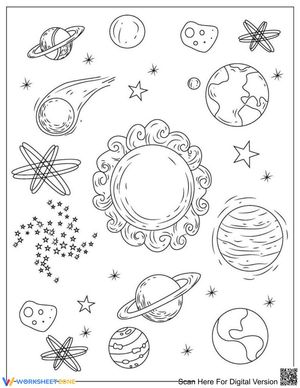
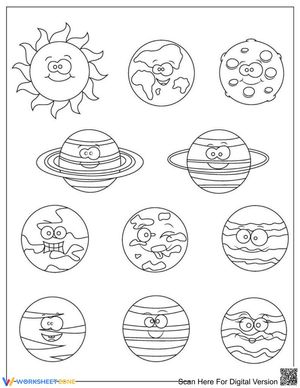
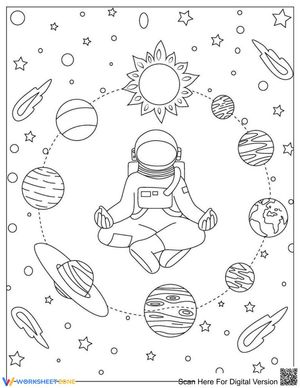
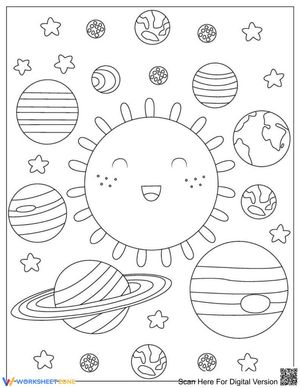
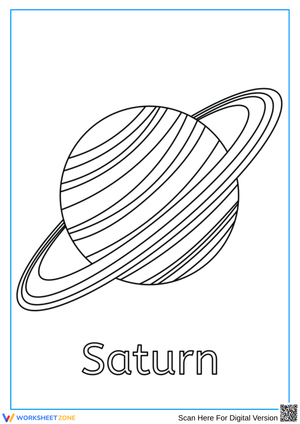
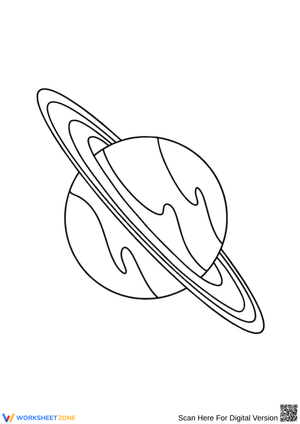
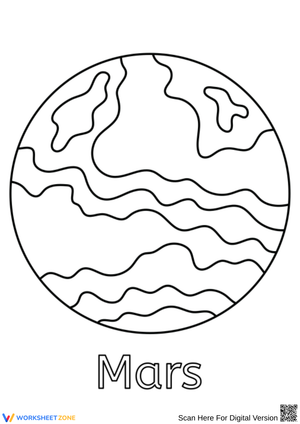
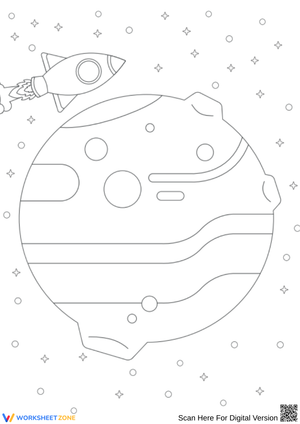
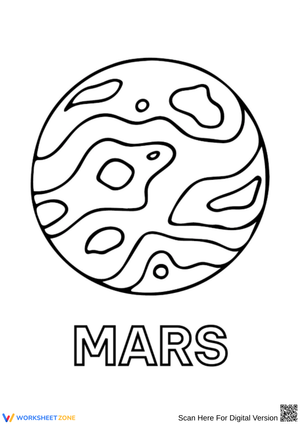
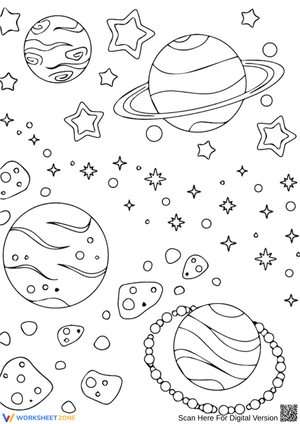
These planets coloring pages capture the visual traits that make each world in our solar system easy to spot on paper. Saturn stands out with wide, flat rings drawn as simple bands you can shade gray, gold, or soft brown. Mars keeps its familiar red-orange tone, while Jupiter's outline includes swirling cloud bands and a small oval for its Great Red Spot. Neptune and Uranus share cool blue shades, and Venus often gets a warm yellow-orange glow to match the clouds that make it the brightest planet in the night sky.
What You Will Find In This Collection
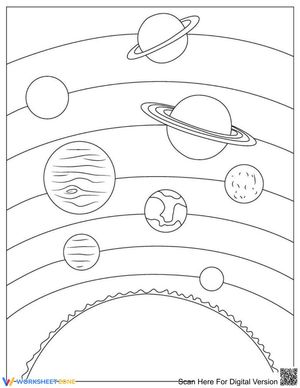
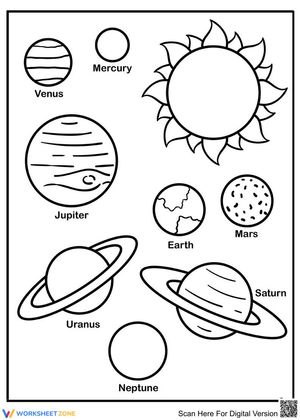
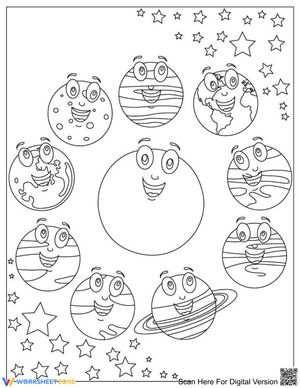
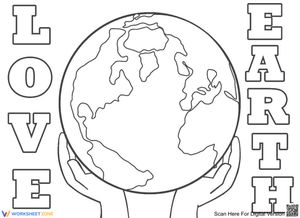
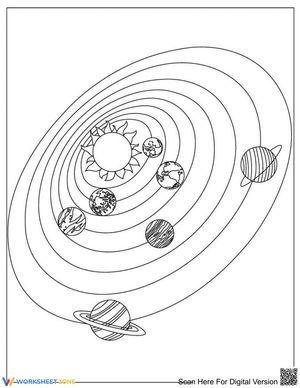
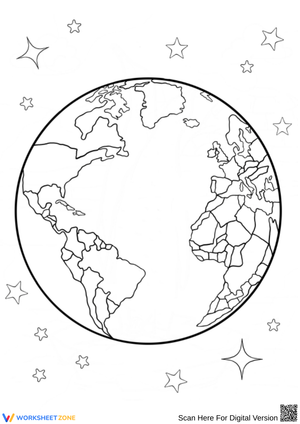
The set includes a full solar system scene with all eight planets lined up in order, plus single-planet sheets for kids who want to focus on one world at a time, such as Earth or Saturn. Some pages arrange the planets from smallest to largest, pairing well with a quick lesson at home. Every sheet uses clean black-and-white line art, so it prints clearly on a standard home printer without wasting colored ink, and each page stays simple enough to finish in one sitting.
Matching Age And Skill Level To The Right Sheet
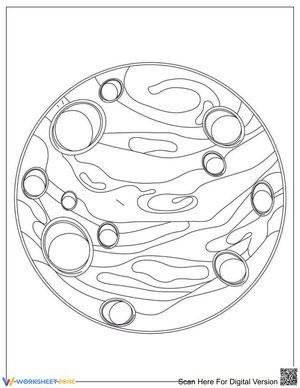
Younger kids do well with bold, simple outlines that leave plenty of room for crayon strokes, especially on rounder planets like Jupiter and Saturn. Teens and adults might prefer sheets with added texture, such as craters on Mars or storm bands on Jupiter, for detailed shading with colored pencils or fine-tip markers. Parents can print a few sheets for a rainy afternoon, and teachers can hand out a full set for a quiet, space-themed activity tied to a solar system unit.
Frequently Asked Questions
1. What age group fits these coloring sheets best?
These printables work for a broad age range. Younger kids enjoy the simple, bold outlines on planets like Jupiter and Saturn, while teens and adults often prefer the more detailed craters, cloud bands, and rings found on other pages. Parents can pick simpler designs for toddlers and save the textured versions for older kids who want a bigger coloring challenge and finer detail work.
2. What colors work best for each planet?
Mars looks best in red-orange, Earth in blue and green, and Venus in a soft yellow-orange to show its cloudy glow. Jupiter and Saturn suit tan, brown, and gold tones with darker bands, while Neptune and Uranus look natural in shades of blue. Mercury usually gets gray tones, since it has a rocky, cratered surface similar in look to the moon's surface.
3. Is there a surprising fact about the outer planets?
Yes: Uranus takes about 84 years to orbit the sun, and Neptune takes roughly 165 years, meaning neither planet has completed a single full orbit since it was first spotted through a telescope. That slow pace makes a fun detail to share while coloring, especially with older kids curious about how far apart these outer worlds sit from Earth and the sun.












 Interactive Worksheet Maker
 Quiz Maker
 Word Search Maker
 Crossword Puzzle Maker
 Word Scramble Generator
 Sentence Scramble Generator
 Handwriting Worksheet Generator
 Name Tracing Generator
 Fill In The Blank Generator