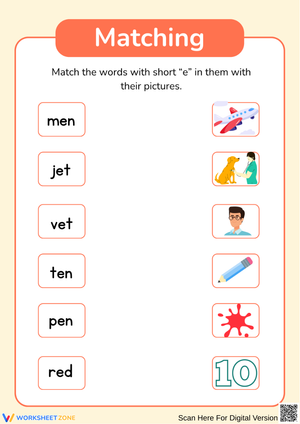
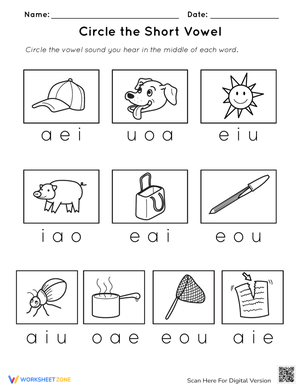
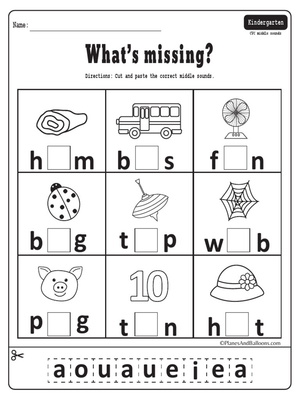
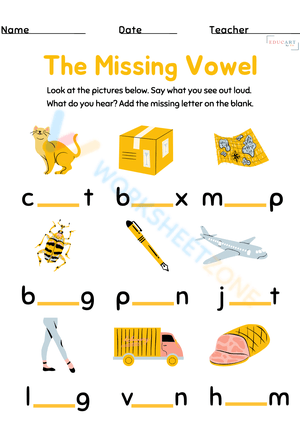
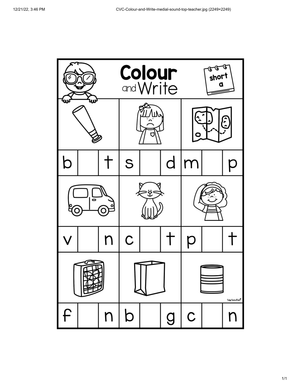
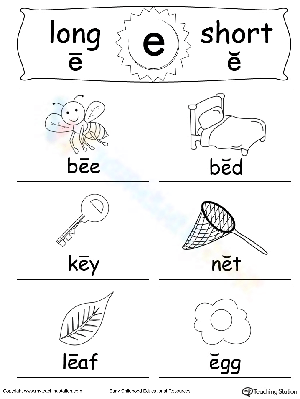
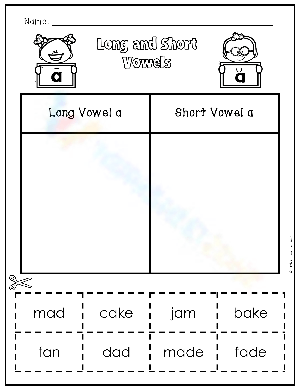
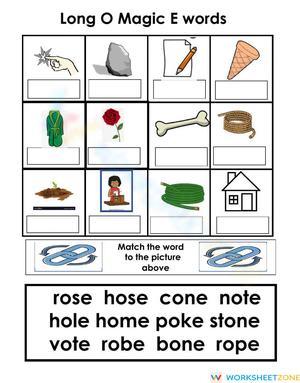
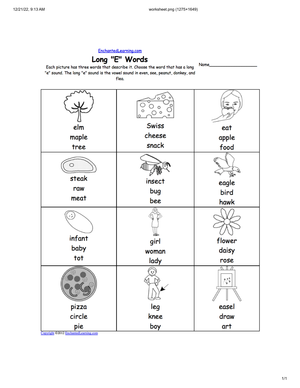
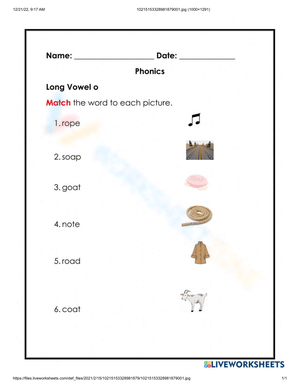
Kindergarten teachers know the moment: a student can name every letter but still guesses wildly at whether cat has an a or an e sound in the middle. Kindergarten vowels worksheets exist to close that exact gap. They give young readers focused, repeatable practice isolating and identifying short vowel sounds inside three-letter words, which is the skill that unlocks decoding across the rest of the K-2 sequence.
These worksheets are not busywork. When sequenced well, they turn an abstract auditory skill, hearing a medial vowel sound, into something a kindergartner can circle, write, or sort on paper. That visible, checkable output is exactly what a teacher needs during a fifteen-minute phonics center when direct observation of every child is not possible.
The Reading Skills Behind the Worksheets
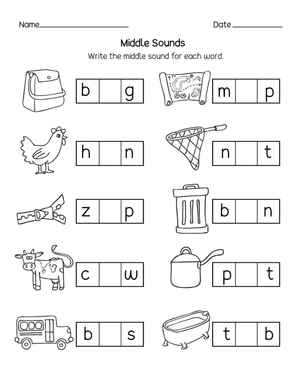
Research-backed kindergarten reading foundational skills emphasize two core areas that vowel worksheets address directly. First, kindergartners learn to associate long and short sounds with the common spellings for the five major vowels. Second, they work toward isolating and pronouncing initial, medial vowel, and final sounds in three-phoneme words, with the exception of CVC words ending in /l/, /r/, or /x/.
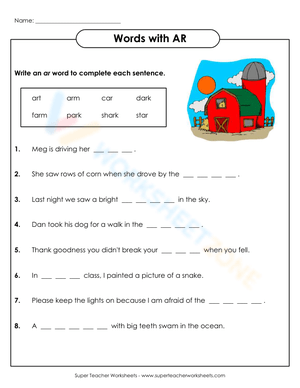
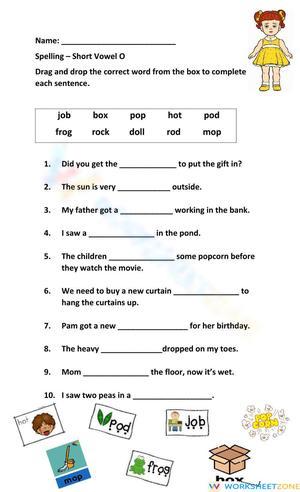
The exclusion of words ending in /l/, /r/, or /x/ matters more than it looks. Words like car, owl, and fox end in sounds that blend or shift the preceding vowel in ways that are harder to isolate cleanly, so research deliberately keeps them out of the core CVC set kindergartners are expected to segment. A well-built vowel worksheet should mirror that same restraint, sticking to clean CVC words such as cat, pin, hop, and bug rather than mixing in the excluded patterns and quietly making the task harder than intended.
What Effective Short Vowel Practice Looks Like
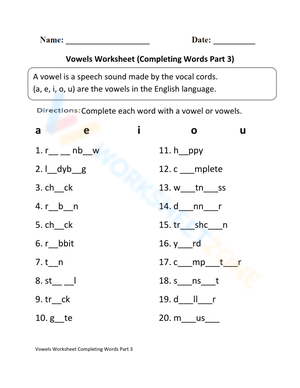
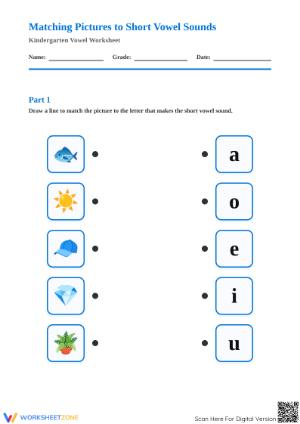
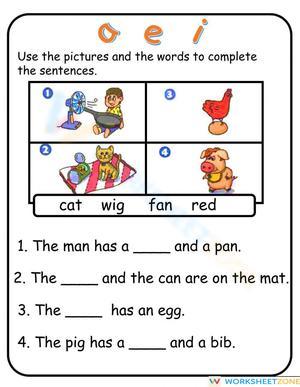
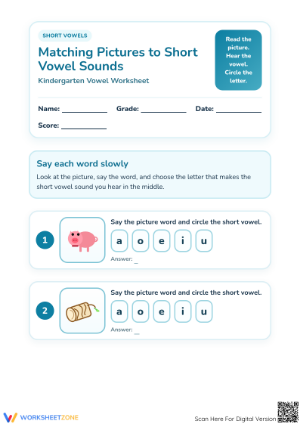
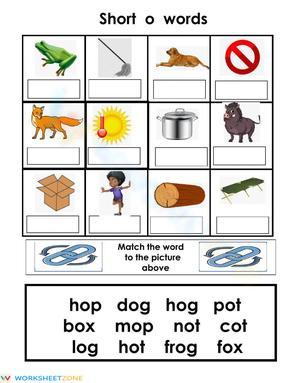
Short vowels are typically introduced in kindergarten and then reinforced through first and second grade, so a worksheet used in August is doing different work than the same worksheet used in April. Research-based short vowel instruction combines letter-name knowledge, letter-sound production, articulation cues, and letter formation practice, rather than relying on sound drills in isolation. That means the strongest vowel worksheets pair a visual or picture cue with a written response, not just an auditory task.
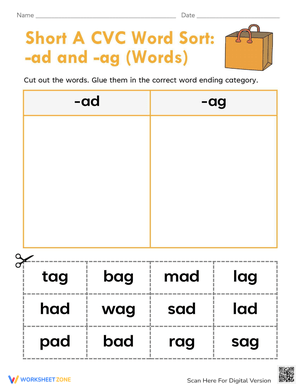
A common instructional cue taught to kindergartners is that a vowel makes its short sound when it is closed in by at least one consonant. This closed syllable rule is the conceptual backbone of CVC word practice, and worksheets that explicitly reinforce it, for example by having students box the consonant that closes in the vowel before circling the vowel itself, tend to transfer better to independent reading than worksheets that only ask students to fill in a blank.
Classroom Implementation
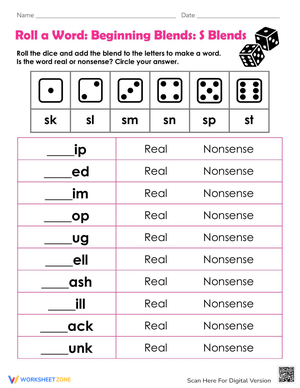
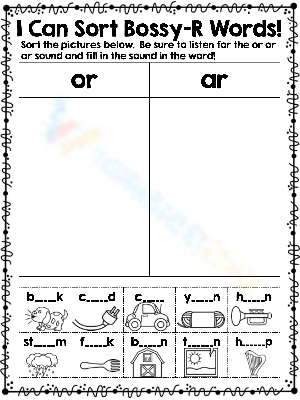
To get consistent value from kindergarten vowels worksheets across a phonics unit, build them into a predictable weekly rhythm rather than using them as one-off filler. Introduce one vowel sound per week early in the year, using worksheets as the daily independent practice step after a short whole-group lesson. Once students have been exposed to all five short vowels, shift to mixed-vowel worksheets that require students to discriminate between sounds rather than just apply the one skill taught that day.
Keep a simple running record of which students consistently miss the same vowel sound on their worksheets. That pattern, more than a single wrong answer, tells you who needs a small-group pull for targeted re-teaching before moving the whole class toward blends or long vowel patterns.
Frequently Asked Questions
1. What reading standards do kindergarten vowel worksheets align to?
Kindergarten vowel worksheets align with research-backed reading foundational skills focused on associating long and short sounds with the five major vowel spellings and isolating and pronouncing medial vowel sounds in three-phoneme words.
2. How many vowel sounds should kindergartners master before moving to first-grade phonics skills?
Kindergartners are expected to work toward associating short and long sounds with all five major vowels by the end of the year, since short vowel mastery is reinforced through first and second grade as part of the broader K-2 phonics sequence.
3. How can teachers use vowel worksheets for small-group intervention versus whole-class practice?
In whole-class practice, worksheets work best as guided, teacher-led tasks completed together. In small-group intervention, isolating one vowel per worksheet and pairing each item with oral articulation cues helps pinpoint exactly which sound a struggling student is confusing.
4. What is the difference between short vowel and long vowel worksheets at the kindergarten level?
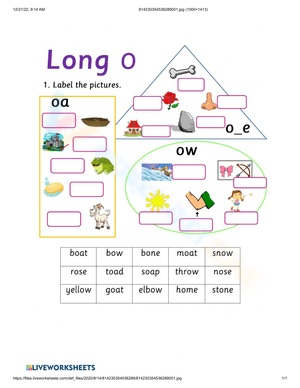
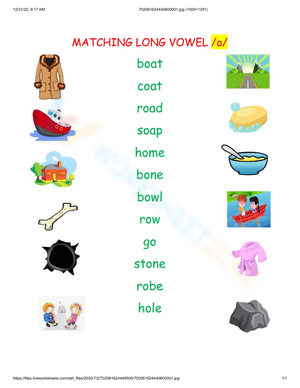
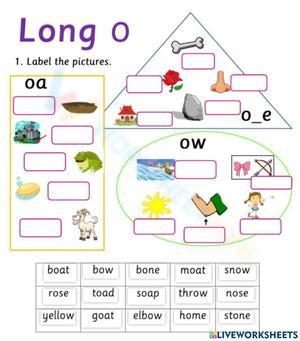
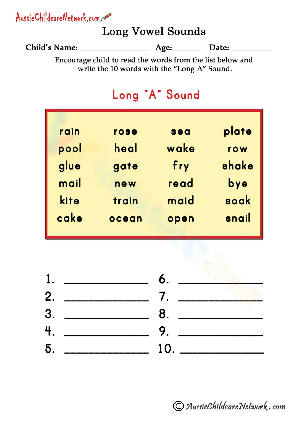
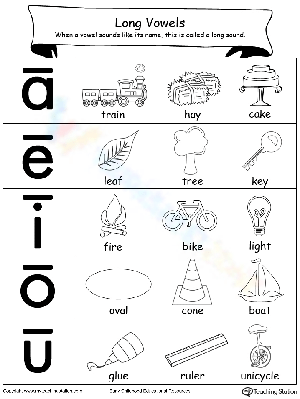
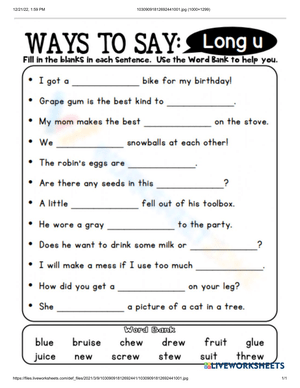
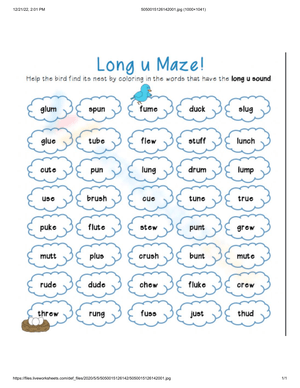
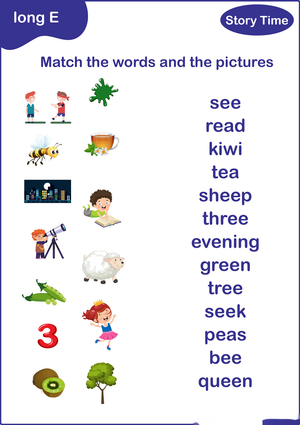
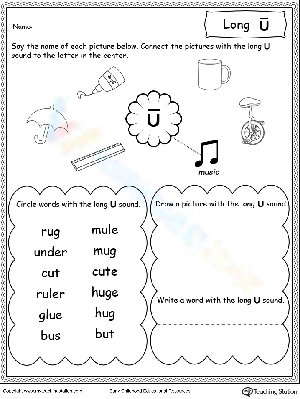
Short vowel worksheets focus on the closed syllable pattern in CVC words like cat and hop, which kindergartners work on first. Long vowel worksheets, introduced later and reinforced into first and second grade, address vowel teams and silent e patterns that build on short vowel automaticity.
5. How often should kindergarten teachers assign vowel worksheets during a phonics unit?
Daily short practice tied to the vowel sound taught that week is more effective than infrequent longer sessions, since short vowel instruction relies on repeated, low-prep exposure rather than occasional intensive drills.












 Interactive Worksheet Maker
 Quiz Maker
 Word Search Maker
 Crossword Puzzle Maker
 Word Scramble Generator
 Sentence Scramble Generator
 Handwriting Worksheet Generator
 Name Tracing Generator
 Fill In The Blank Generator