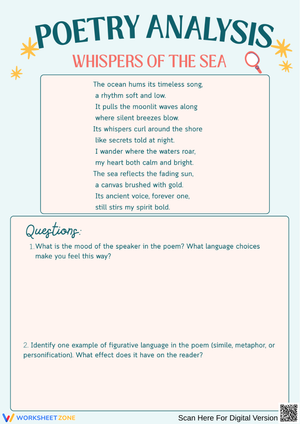
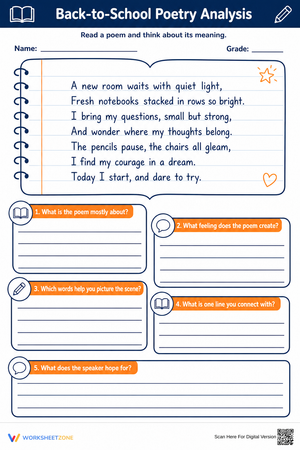
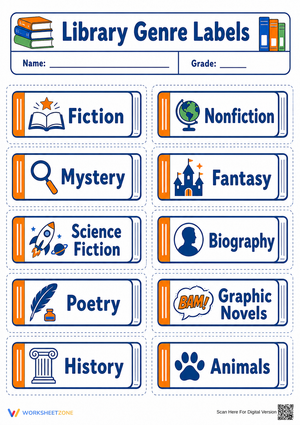
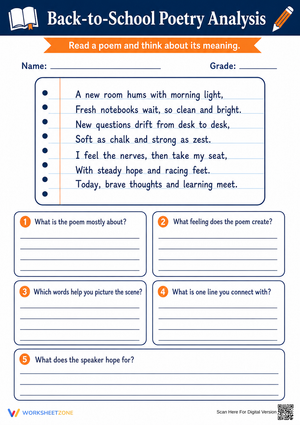
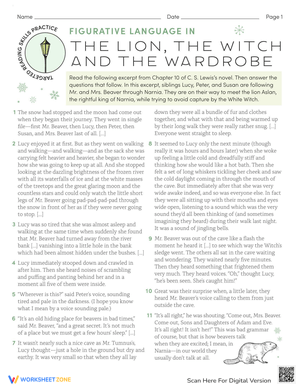
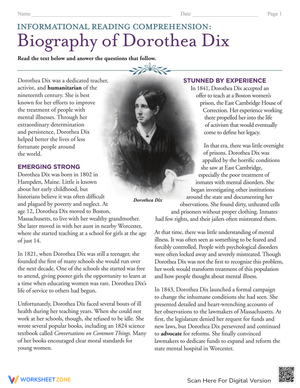
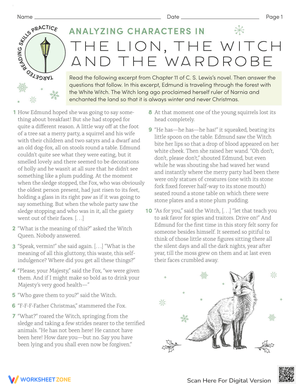
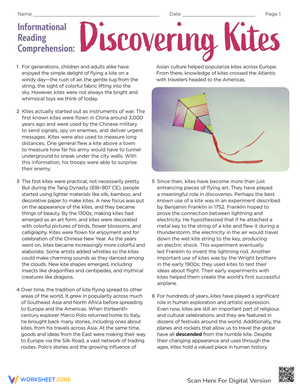
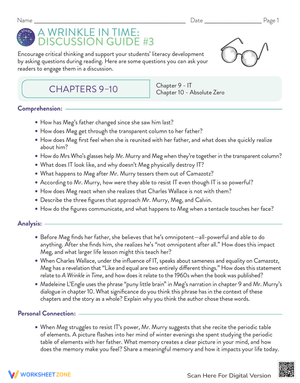
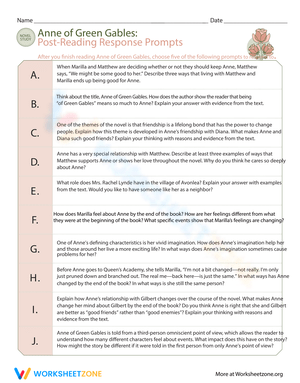
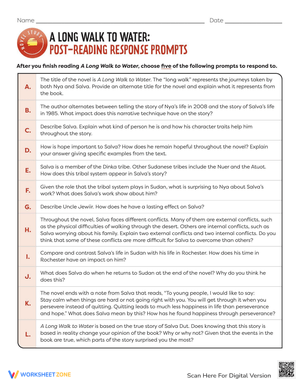
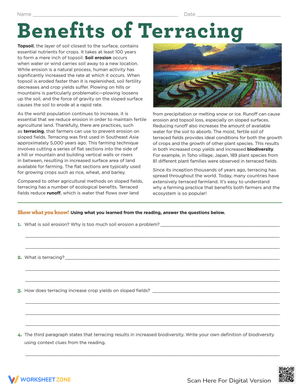
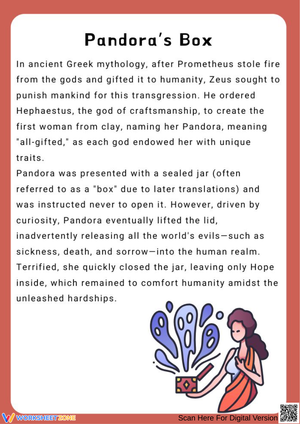
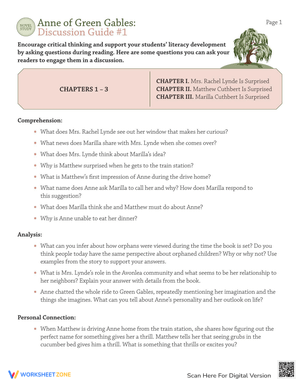
These reading genres and types worksheets for 6th grade give teachers a printable set organized around genuine reading analysis — short passages, structural feature identification, comparison charts, and written response prompts that require students to cite text evidence rather than simply name a label. The set spans literary genres including realistic fiction, historical fiction, fantasy, mystery, poetry, and drama, alongside biography and informational text.
What Each Worksheet Targets
Genre study at this grade is not about memorizing definitions. The instructional goal is teaching students to read a passage, notice structural and linguistic markers, and build a written case for their classification. Each worksheet in the set isolates a different part of that process.
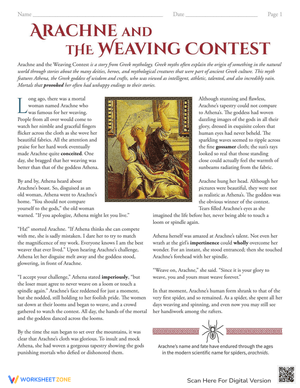
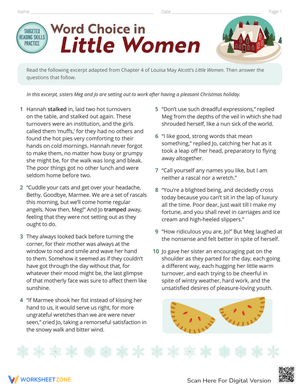
- Genre identification: Students read a short passage and name the genre or text type, then cite the specific words and details — not a general description — that support the classification.
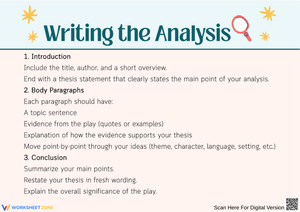
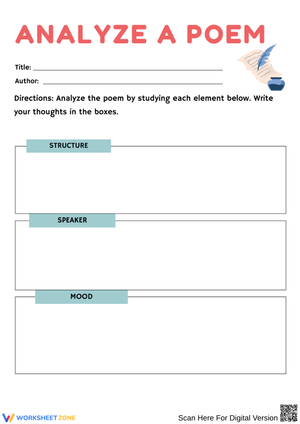
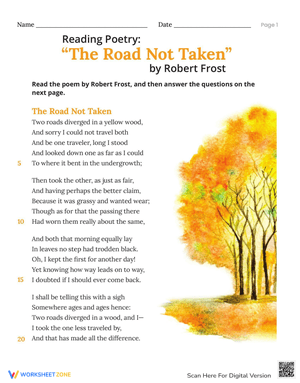
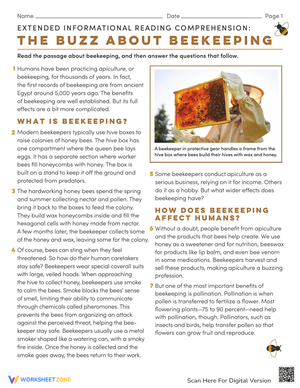
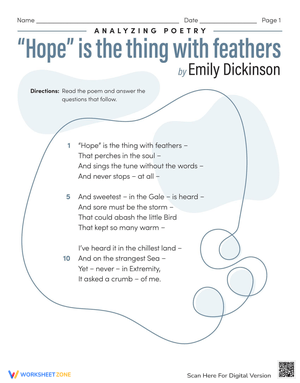
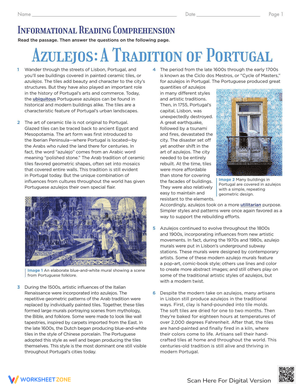
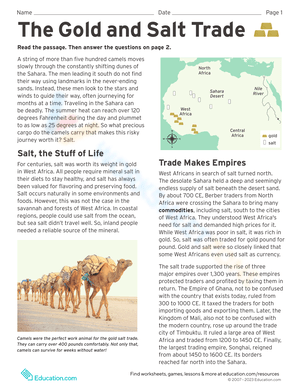
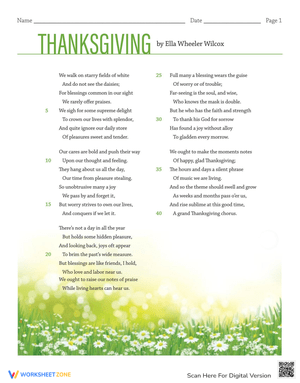
- Structural feature recognition: Students identify markers specific to each genre: rhyme scheme and line breaks in poetry, stage directions and character cues in drama, headings and captions in informational text.
- Author's purpose: Students explain why a writer would choose a particular genre to convey meaning, connecting form to intent rather than stopping at surface recognition.
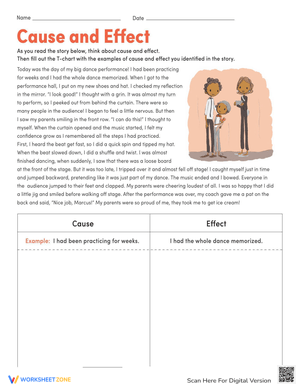
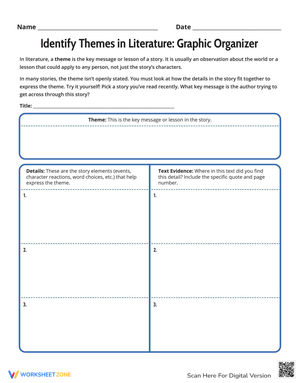
- Side-by-side comparison: Students use a graphic organizer to place two genres next to each other and name what each demands from a reader — a task that reveals more about understanding than single-genre identification alone.
- Academic vocabulary in writing: Students use terms like stanza, stage direction, anecdote, and chronology correctly in short responses, which prepares them for both class discussion and assessment language.
The written-response prompts carry the most weight. When a student writes, This passage fits historical fiction because the narrator is a fictional character placed inside documented Civil War events, and the author invented the dialogue, that student has moved into evidence-based literary reasoning — which is the skill that transfers to the more complex comparative reading work that follows in 7th grade.
Planning Lessons Around This Set Without Extra Prep
Teachers who search for reading genres and types worksheets for 6th grade usually need resources that hold up in more than one part of the day. These worksheets fit whole-class instruction, small groups, centers, homework, and sub plans with minimal adjustment between uses.
The most reliable use is as a focused bell ringer. Students pick up one worksheet, read the short passage, mark the genre, underline their evidence, and write one justification sentence — all before the lesson begins. That same task opens directly into a quick class discussion: What did you underline? What made that detail the deciding one? The sequence produces formative data without adding time to the lesson plan.
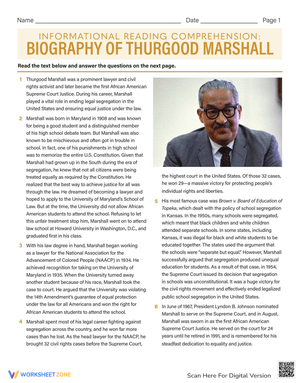
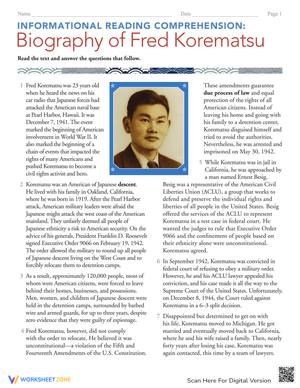
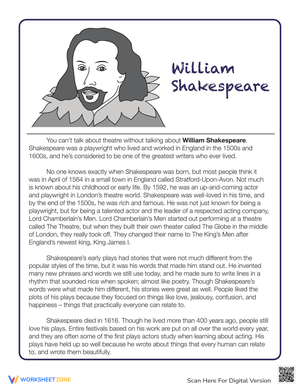
- Small-group instruction: Pair the biography and historical fiction worksheets to target the most common genre confusion at this grade — students who can state both definitions but still misclassify passages in practice
- Centers: Short-passage sorting and comparison graphic organizers run independently without teacher facilitation
- Sub plans: Self-contained worksheets with reasoning-based answer keys work here without any additional setup
One technique that adds rigor without extra planning: after students identify a genre, ask them to write one sentence explaining why the passage is not one of the other options. A student who identifies a passage as realistic fiction and then explains why it is not mystery reveals more analytical thinking than one who simply answered correctly. That step surfaces misconceptions faster than any multiple-choice check and gives cleaner formative data going into the next lesson.
Common Misconceptions Worth Addressing Before Students Work Independently
The most persistent confusion at this grade is between biography and historical fiction. Both can center on real people, both carry the weight of factual detail, and both are often written with narrative pull. Students who can define both terms still misclassify passages when the historical fiction is written in close third person with specific dates and documented events — they read historical specificity as nonfiction evidence and miss the invention: dialogue the author created, interior thought of a character who never existed. A worksheet that places a biography excerpt and a historical fiction excerpt side by side, then asks students to name the single deciding factor, brings that confusion to the surface before it shows up on a test.
A second reliable error: students label any first-person text as autobiography or memoir, regardless of whether the events are real. They see the pronoun "I" and assume nonfiction. The correction is teaching students to ask whether the events can be independently verified and whether the author's purpose is to document personal experience or to tell a story. Several worksheets in the set use first-person fictional passages specifically to force that distinction rather than let it stay unexamined.
Drama also trips students up consistently. When they encounter a play excerpt, many read past the stage directions entirely and process the dialogue as prose. Asking students to underline every stage direction before classifying the text gives them a physical action that redirects attention to the structural marker they most often overlook.
Standard Alignment
The strongest connection is CCSS RL.6.9, which asks students to compare and contrast texts in different forms or genres in terms of their approaches to similar themes and topics. Comparison is the endpoint, but genre fluency is the prerequisite — students cannot meaningfully compare how a fantasy story and a historical novel approach the same theme if they cannot yet tell those genres apart. Using these worksheets early in a genre unit builds the recognition and vocabulary that RL.6.9 tasks depend on. The written-response format also reinforces RL.6.1 evidence-citing expectations. Informational text worksheets connect to RI.6.5 work on how structure — headings, sequence, cause and effect — functions differently in nonfiction than it does in literary genres.
Making This Set Work Across Your Range of Readers
Students who freeze in front of open-ended classification tasks benefit from a genre features reference card — a list of three to four defining traits per genre — available while they work. That reference reduces the recall burden enough that students can focus on applying the concept to the passage in front of them rather than stalling at retrieval. It pairs with any worksheet in the set without changing the task itself.
Students who classify genres accurately but write thin justifications benefit from a sentence frame posted during practice: This text fits the genre of ___ because it includes ___ and ___. I know it is not ___ because ___. That structure forces evidence selection and eliminates the vague one-word responses that read more like guessing than reasoning.
Advanced students who handle identification quickly can use any worksheet in the set as a launch point for extended writing: given the genre they identified, write a short original passage that uses the same structural features. That task moves the skill from recognition into production — students have to build the genre markers rather than simply name them, which is harder and more revealing. Reading genres and types worksheets for 6th grade that extend into this kind of writing work give teachers a built-in option for early finishers without requiring a separate assignment.
Frequently Asked Questions
What genres should 6th graders be able to identify?
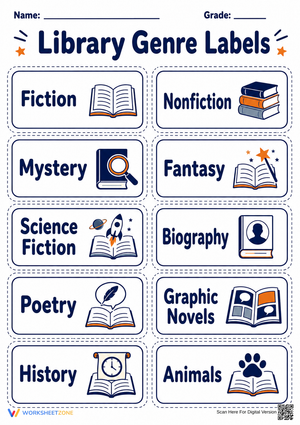
At this grade, students work with realistic fiction, historical fiction, fantasy, mystery, poetry, drama, biography, and informational text. The more demanding expectation — and the one most teachers are working toward — is that students explain which text features led them to their classification, not just name the genre correctly.
How is genre different from text type?
Genre typically refers to categories within literature — mystery, fantasy, historical fiction. Text type is a broader term that includes informational categories such as argument, explanation, and procedural writing. These worksheets address both, since 6th graders regularly move between literary and informational reading within the same unit or even the same week.
Can these worksheets reach below-level readers?
The passages are short enough that reading level is less of a barrier than it would be with longer anchor texts. Teachers who have used reading genres and types worksheets for 6th grade with below-level students report that the structured task — read, classify, justify — keeps students focused even when vocabulary in the passage requires support. A genre features reference card handles most of the access gap without requiring a separately modified version of the worksheet.
Do the worksheets include answer keys?
Every worksheet includes an answer key that shows both the correct classification and the reasoning behind it — specifically, which text features signal that genre and why they matter. Keys that list only answer letters do not help teachers understand what students should have noticed. These include enough explanation that any teacher checking work quickly can see the reasoning students were expected to produce.












 Interactive Worksheet Maker
 Quiz Maker
 Word Search Maker
 Crossword Puzzle Maker
 Word Scramble Generator
 Sentence Scramble Generator
 Handwriting Worksheet Generator
 Name Tracing Generator
 Fill In The Blank Generator