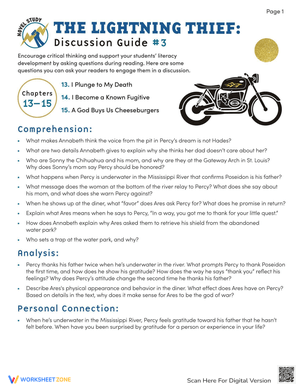
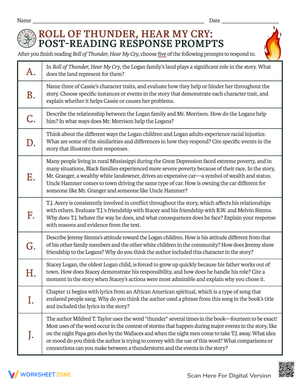
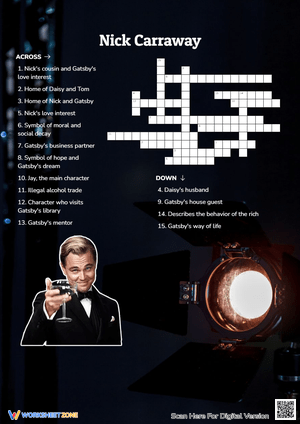
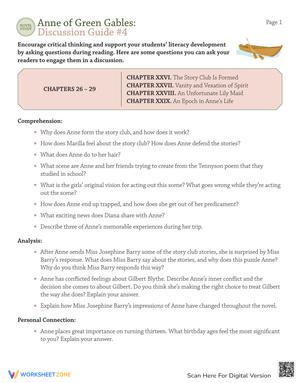
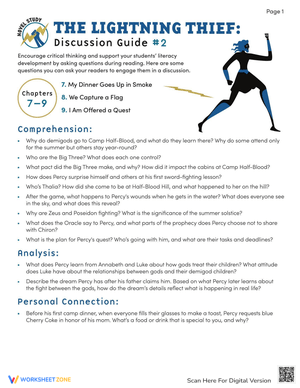
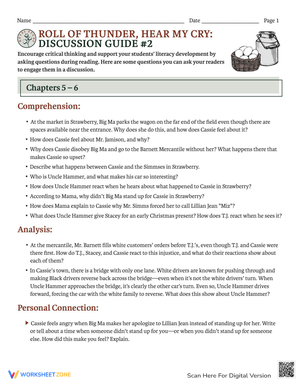
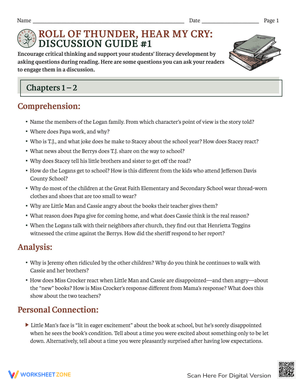
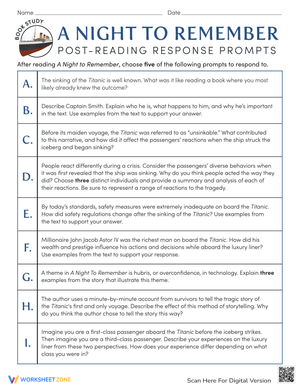
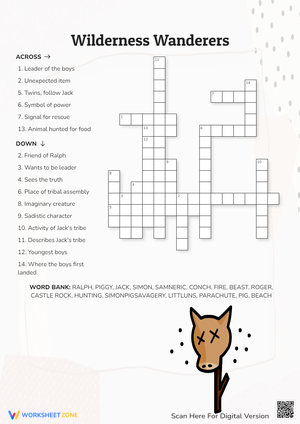
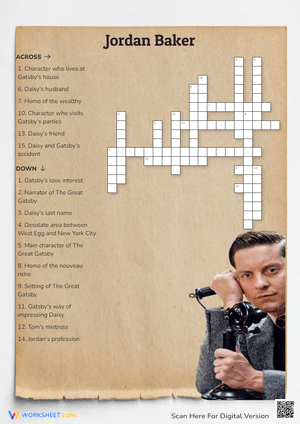
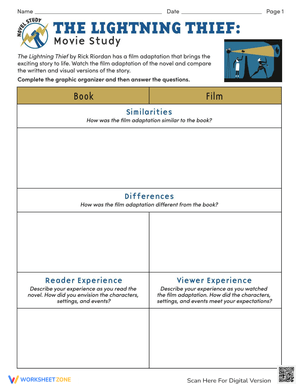
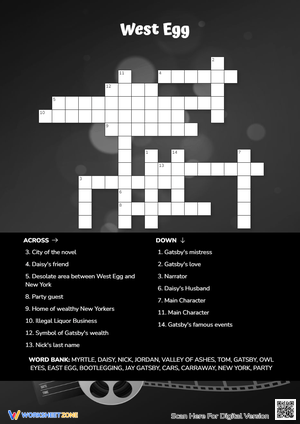
These 6th grade novel study worksheets resources give ELA teachers a printable reading system that holds up across any novel unit — whole-class titles, literature circle books, and independent reading — without requiring new materials for every book on the shelf. The worksheets skip title-specific trivia and focus on transferable analytical skills: citing evidence, tracing character development, and writing responses that work no matter which novel is in hand.
The Specific Skills Targeted in Each Worksheet
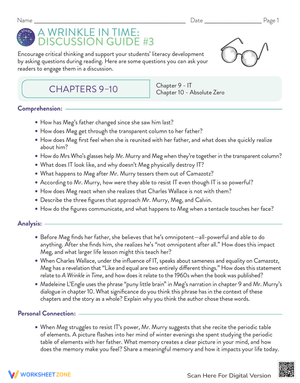
Sixth grade marks a real shift in what reading instruction asks students to do. Elementary comprehension routines — retelling, basic summarizing, literal questions — are no longer the end goal. By grade 6, students are expected to analyze: to make a claim, support it with specific text evidence, and explain what that evidence actually shows. Each worksheet in this set targets an analytical skill that CCSS reading standards identify as central to this grade level.
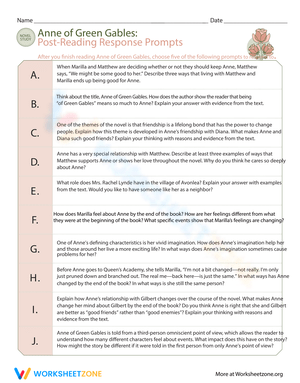
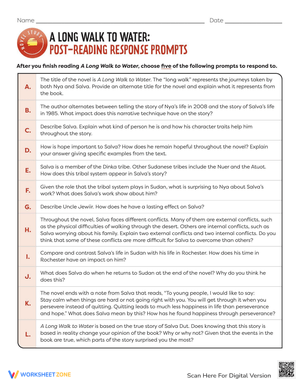
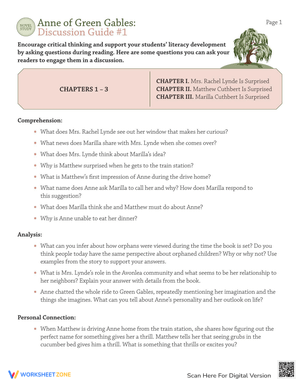
- Textual evidence integration: Students find a specific moment, quote or paraphrase it accurately, and explain how it supports their answer — not just where it appears, but why it matters.
- Character development: Students track how a character changes from early chapters to later ones, naming the events that drove those changes rather than listing adjectives.
- Plot structure: Students distinguish events that build tension from the actual turning point — a distinction that proves harder than most teachers expect before they have seen student work on it.
- Theme as a complete statement: Students write statements that capture what the text argues about an idea, not just a single-word topic like "friendship" or "courage."
- Conflict analysis: Students name the central conflict, trace its development, and connect the resolution to the story's larger meaning.
- Vocabulary in context: Students identify context clues, record a working definition, and use the word in an original sentence.
How to Work These Worksheets Into Your Weekly Lesson Plans
The most dependable structure for a sixth grade novel unit is a four-day cycle: Day 1 for reading and annotation, Day 2 for independent worksheet work, Day 3 for discussion and written response revision, and Day 4 for a skill-focused worksheet on theme, conflict, or vocabulary. Running the same cycle every week means students stop needing directions explained and start using the time for actual reading and thinking — by week three, the routine handles itself.
Literature circles benefit from this format because all groups complete the same type of work even when reading different novels. Every student arrives at whole-class discussion having traced a character arc, identified a conflict, and written a theme statement, which makes cross-book conversation possible without extra preparation. For sub plans and homework, a complete set of 6th grade novel study worksheets resources removes the planning burden: leave one chapter response worksheet, one vocabulary log entry, and one short reflection, and the class has a real literacy task without the substitute needing to teach anything new.
Errors Students Make That Show Up Across Every Novel Unit
The most persistent error in sixth grade novel study is confusing theme with topic. A student who has read the entire book writes "the theme is friendship" and considers the question answered. The actual problem is conceptual: they don't yet understand that theme makes a claim. Getting a student to write "this novel argues that genuine friendship requires honesty even when honesty is painful" takes repeated practice with organizer prompts that explicitly ask for a statement. A sentence frame like "This novel argues that ___" moves students further than open-ended prompts alone at this stage.
Evidence integration produces a second pattern worth anticipating. Students know they are supposed to cite the text, so they summarize vaguely: "In chapter 6, something hard happens to the main character and he starts to change." That is not evidence — it is a placeholder. Worksheets that ask students to write out the specific moment before drafting their explanation separate the two tasks and make it immediately obvious when the "evidence" is actually just retelling.
Character analysis worksheets surface a third issue: students list adjectives and stop. Real character analysis requires naming the evidence behind each trait and, more importantly, accounting for whether that trait looks the same at the end of the novel as it did at the beginning. When a worksheet builds in a before/after comparison column, students almost never hand in an adjective list again — the format makes it impossible to finish without addressing change over time.
Tailoring the Set for a Mixed-Level Classroom
In most sixth grade ELA classrooms, the reading range spans several grade levels. A well-built 6th grade novel study worksheets set works across that range when teachers adjust the task rather than creating entirely separate materials. A below-level reader working on a character organizer can use a sentence frame — "At the beginning of the novel, [character] acts ___ because ___. By the end, [character] acts ___ because ___" — while an advanced reader writes the comparison independently and adds a column analyzing the author's craft choices in depicting that change. The organizer stays consistent; the depth of response is what varies.
For students who freeze in front of open-ended written response prompts, breaking the task into stages helps more than simplifying the question. Ask them to find and annotate the relevant moment in the text first, then write their answer. That step-by-step process keeps the analytical expectation in place while reducing the cognitive load of locating evidence and constructing a response at the same time. Advanced students benefit most from comparative prompts — not "what is the theme?" but "how does this novel's argument about identity differ from the one we read in the last unit?"
Standard Alignment
These worksheets address the following Common Core State Standards for grade 6 reading literature. For teachers in standards-based grading environments, each worksheet type maps directly to one of these codes without requiring extra documentation.
- RL.6.1 — Cite textual evidence to support analysis of explicit meaning and inferences drawn from the text. Every chapter question and evidence-based response worksheet targets this standard.
- RL.6.2 — Determine a theme and explain how it develops over the course of the text. Theme organizers address this directly, requiring complete analytical statements rather than single-word topics.
- RL.6.3 — Describe how the plot unfolds and how characters respond and change. Character arc worksheets and plot mapping organizers address both parts of this standard.
- RL.6.4 — Determine the meaning of words as they are used in a text. Vocabulary logs that ask students to identify context clues and write original usage sentences align to this standard.
Frequently Asked Questions
Can these worksheets be used with any novel?
Yes. The prompts focus on transferable skills — citing evidence, tracing character change, identifying theme — rather than story-specific details. When a worksheet refers to "the protagonist" rather than a character by name, it works with Hatchet, The Giver, Wonder, or any contemporary middle grade title without modification. Teachers who maintain the same core organizers across the year find that students get noticeably stronger at the analytical tasks by the third unit, because the moves are no longer new.
How do these fit into a literature circle structure?
Literature circles work especially well with this format because all groups complete the same type of analytical preparation even while reading different titles. Every student arrives at whole-class discussion having traced a character arc, identified a conflict, and written a theme statement. That shared work makes cross-book conversation possible and keeps assessment consistent across groups reading at different levels.
What's the most effective way to use these for independent reading accountability?
A weekly packet works better than daily check-ins. Assign one chapter response worksheet and one skill organizer per week, set a reading page expectation, and collect on Friday. That frequency gives students enough room to read at their own pace without letting full weeks go by with nothing on record. For students who are not actually reading, the gap between what they can answer and what the worksheet requires becomes visible quickly.
Do these work for homework, or are they better suited to in-class use?
Both, depending on the worksheet. Shorter, focused work — one chapter response or one vocabulary log entry — fits inside the reading block of a 50-minute period. Longer organizers, like a full character arc tracker or a theme statement with supporting evidence, work better as homework after students have finished a reading section and had time to think. A solid set of 6th grade novel study worksheets resources supports both settings because each worksheet stands alone as a complete task, and teachers assign it wherever it fits that week's pacing.












 Interactive Worksheet Maker
 Quiz Maker
 Word Search Maker
 Crossword Puzzle Maker
 Word Scramble Generator
 Sentence Scramble Generator
 Handwriting Worksheet Generator
 Name Tracing Generator
 Fill In The Blank Generator