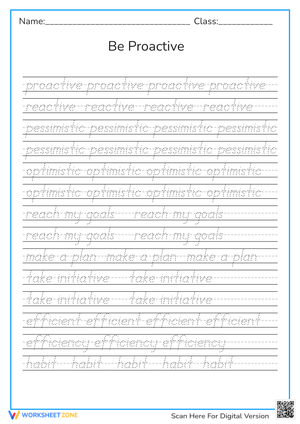
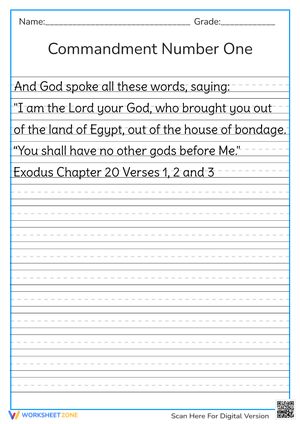
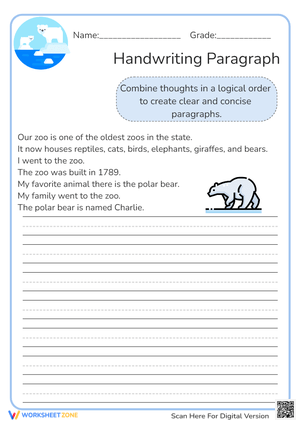
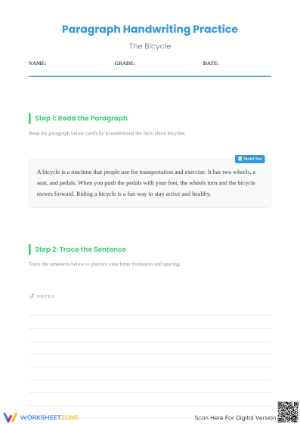
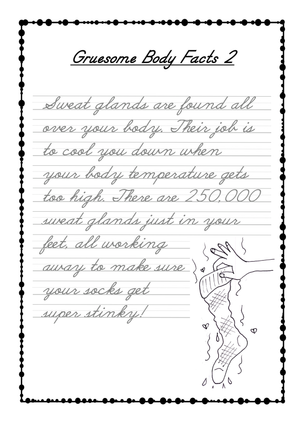
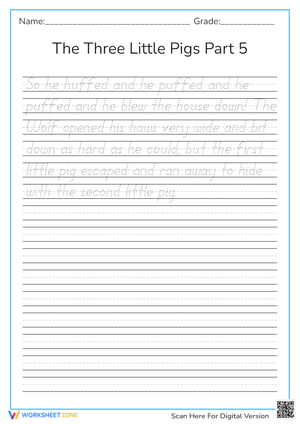
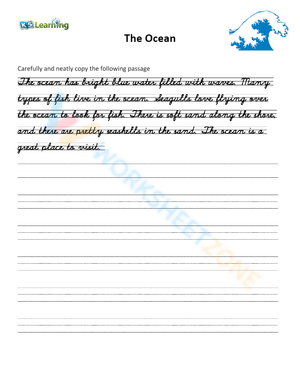
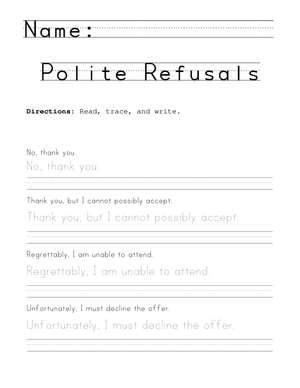
Fourth graders already know how to make their letters. What they haven't mastered yet is doing it the same way every time, at a reasonable pace, without thinking hard about every stroke. That's the real shift this year: instruction moves from teaching letter shapes to refining precision, legibility, and efficiency. 4th grade neat handwriting worksheets built for this stage give students the repeated, low-stakes practice they need to close that gap without turning writing time into a formatting lesson.
Manuscript Refinement and Continued Cursive Practice
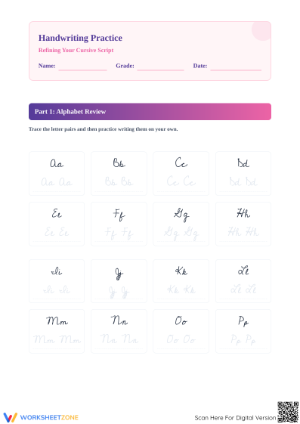
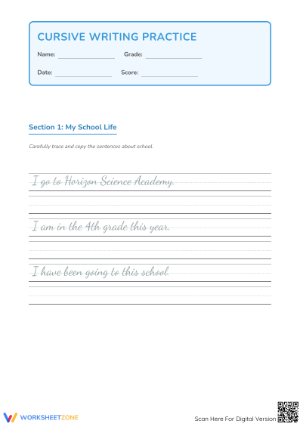
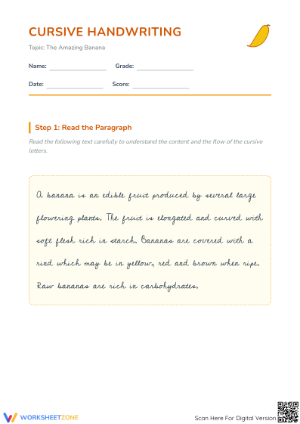
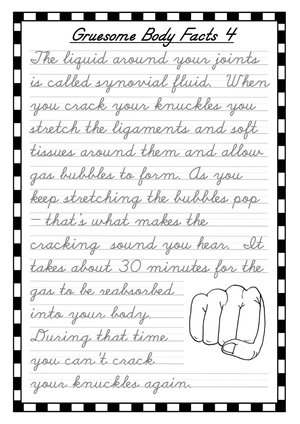
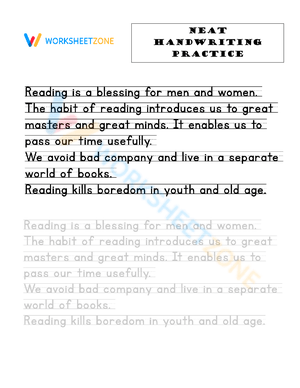
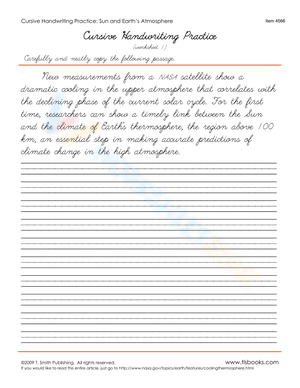
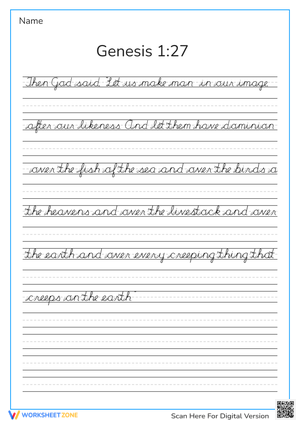
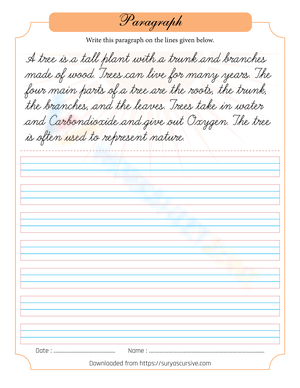
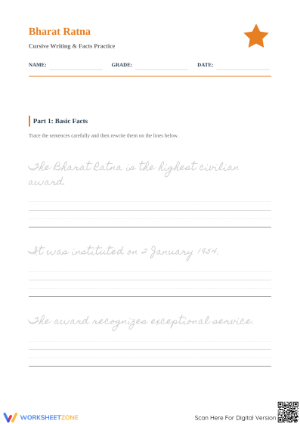
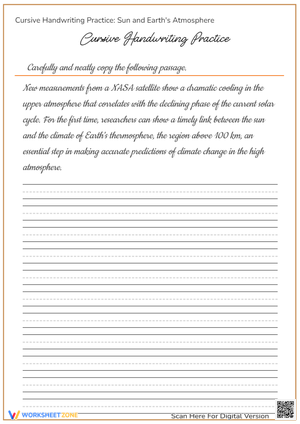
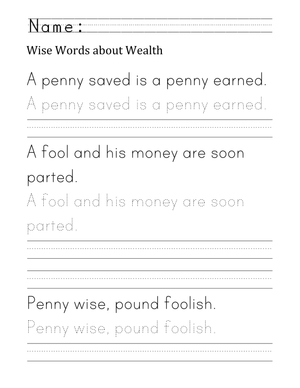
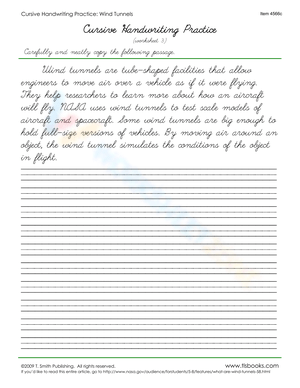
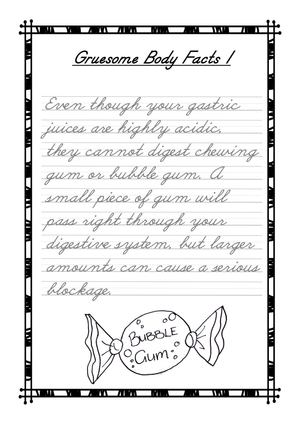
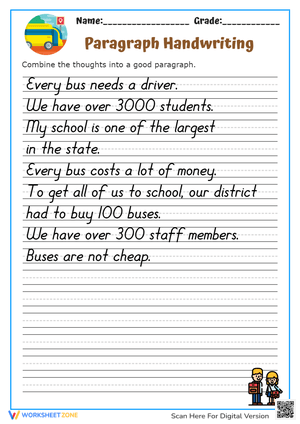
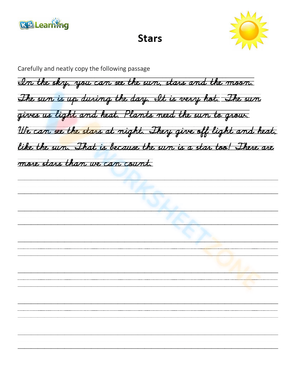
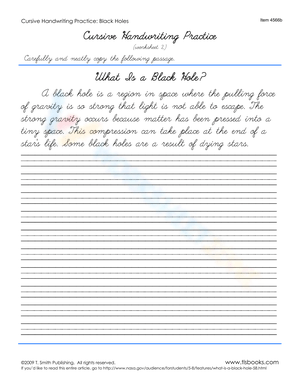
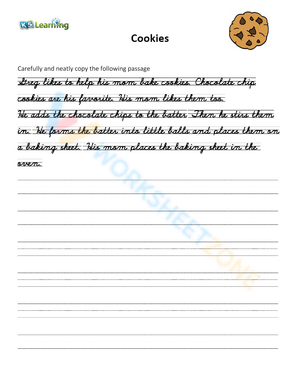
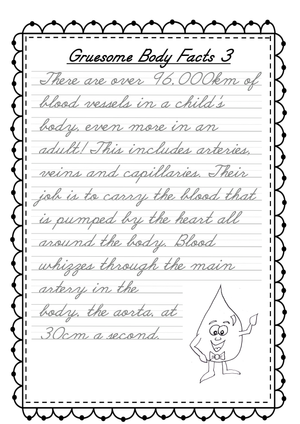
Many 4th grade classrooms are still building cursive fluency alongside manuscript polish, and neat handwriting worksheets can serve both goals in the same practice block. A worksheet that pairs a manuscript review line with a cursive connector drill lets you reinforce letter consistency without splitting your instructional time into two separate lessons.
Cursive requirements for grades 3-5 guidance emphasize that students should be building toward reading and writing cursive with reasonable fluency, which makes continued, structured handwriting practice in 4th grade directly relevant rather than optional review.
Classroom Implementation
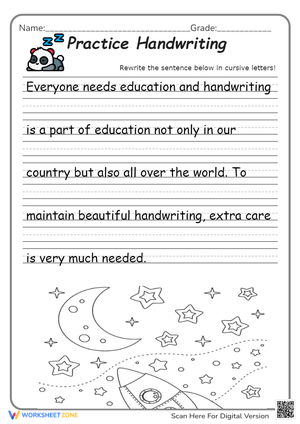
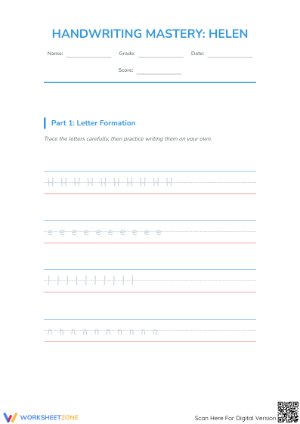
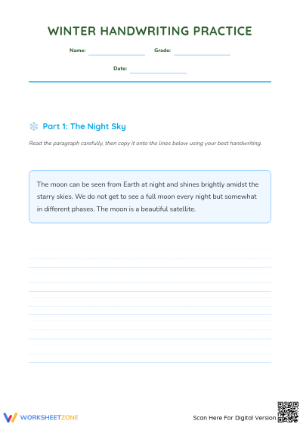
Start by using a single neat handwriting worksheet as a quick diagnostic in the first week, looking specifically at letter consistency rather than speed. From there, build a two-to-three-times-per-week rotation rather than a daily worksheet, since short, spaced repetition supports the automatization process better than one long daily session. Keep a small set of worksheets on hand that isolate specific problem areas, spacing, sizing, slant, connector strokes, so you can assign targeted practice instead of a generic sheet to the whole class. For students who are also building cursive fluency, pair a manuscript review page with a cursive connector page in the same week so neither skill stalls while you focus on the other.
Frequently Asked Questions
1. How much handwriting practice time is appropriate for 4th graders each week?
Two to three short sessions of ten to fifteen minutes tend to work better than one long daily block. Since automatizing handwriting is a gradual process, spaced, consistent practice supports retention more than a single extended session.
2. Should 4th grade handwriting worksheets focus on manuscript, cursive, or both?
Both, depending on where your students are. Many 4th graders are still refining manuscript neatness while also building cursive fluency, so worksheets that let you assign either focus, or both in the same week, tend to fit real classroom needs better than a single-track approach.
3. How can teachers use these worksheets for small-group intervention versus whole-class practice?
Use a quick diagnostic sheet to sort students by their specific gap, such as spacing, sizing, or connector strokes, then pull small groups for targeted practice while the rest of the class works on general review sheets. This keeps whole-class time efficient while still addressing individual needs.
4. What signs indicate a 4th grader needs targeted handwriting support?
Watch for inconsistent letter size or slant across a short sample, letters that drift off the baseline, or a student who writes noticeably less than peers because the physical act of writing is slow or effortful. These signs often show up on a practice worksheet before they affect a full writing assignment.
5. How do neat handwriting worksheets fit into a broader writing curriculum?
They function as a supporting skill block rather than a replacement for writing instruction. By keeping letter formation practice short and routine, you free up writing workshop time to focus on content and structure instead of legibility, since the mechanics are being reinforced separately.












 Interactive Worksheet Maker
 Quiz Maker
 Word Search Maker
 Crossword Puzzle Maker
 Word Scramble Generator
 Sentence Scramble Generator
 Handwriting Worksheet Generator
 Name Tracing Generator
 Fill In The Blank Generator




 BACK TOSCHOOL