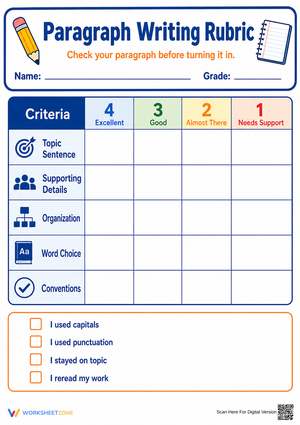
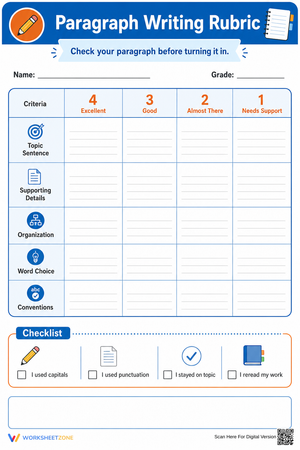
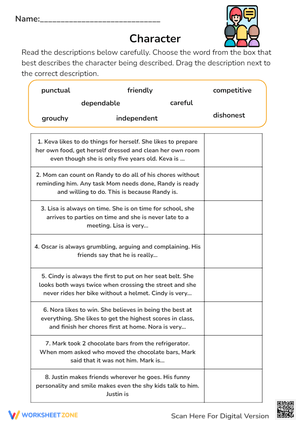
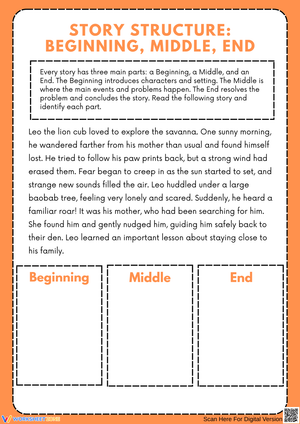
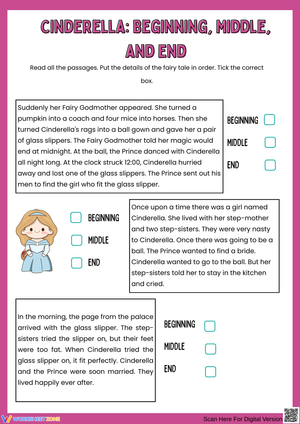
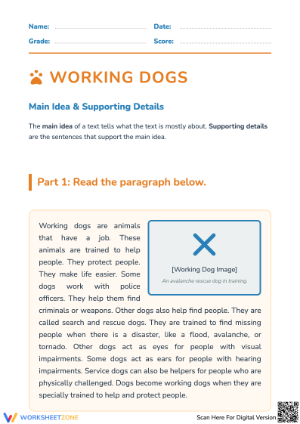
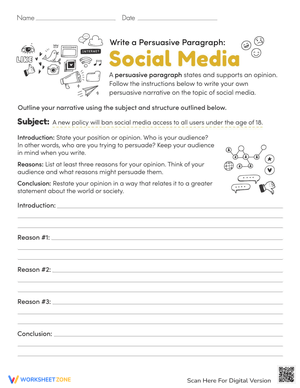
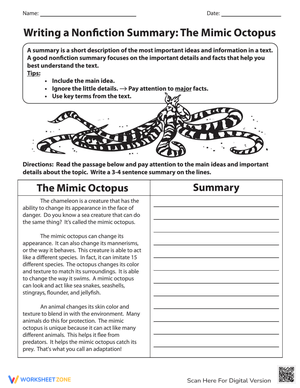
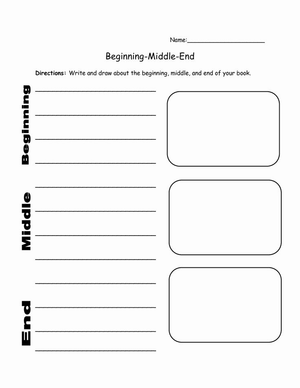
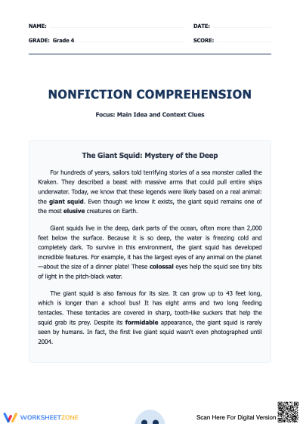
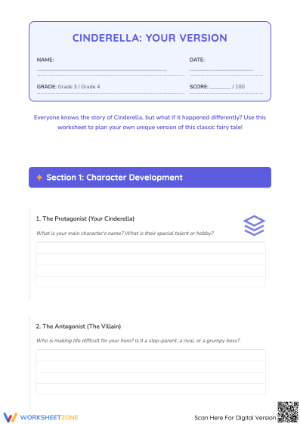
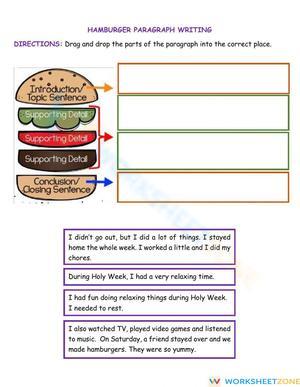
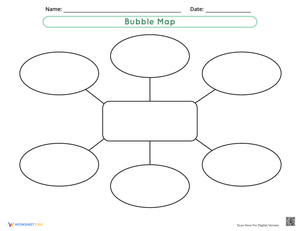
These 4th grade organization and structure pdf worksheets give teachers ready-made, skill-specific practice for the writing transition that defines this grade level — the shift from a single paragraph to a coherent multi-paragraph composition. Each worksheet isolates one structural task so that students are not managing topic sentences, transitions, and conclusions simultaneously.
The Specific Skills Targeted
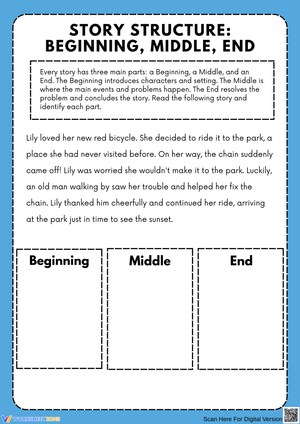
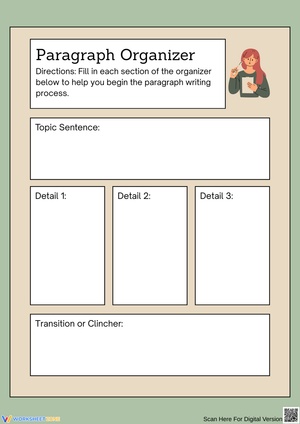
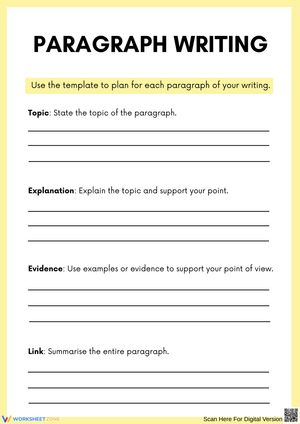
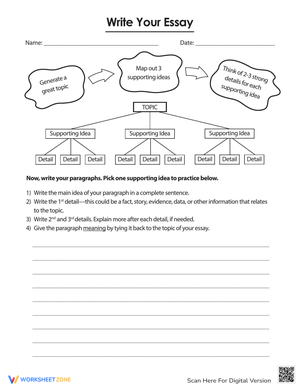
The 4th grade organization and structure pdf worksheets in this set cover the structural building blocks fourth graders need before they can write independently across text types: generating strong topic sentences (not just identifying them), matching supporting details to a stated central idea, selecting transition words appropriate to a specific logical relationship, reordering jumbled paragraphs, marking sentences that break paragraph unity, completing graphic organizers for both informational and opinion writing, and drafting introductions and conclusions that frame content rather than merely announce it.
Separating these into individual worksheets matters more than it might seem. A student who can identify a strong topic sentence from a list cannot always produce one — and bundling those two tasks into the same exercise hides which one actually needs more work.
Mistakes Students Make That These Worksheets Help Teachers Catch
The most common structural error at this grade is the absent introduction — students who begin paragraph one by listing facts, as if the introduction and the first body paragraph are interchangeable. Worksheets that ask students to read and rank three sample openings surface this misunderstanding quickly, which is more efficient than finding it buried in a full draft.
Transition word errors take two predictable forms. First, students default to "first, next, then, finally" for every text type, including opinion pieces where there is no sequence. Second, they pile "also" onto unrelated sentences: Also, dogs are fast. Also, dogs are loyal. Also, dogs help people. The "also" feels connective, but it signals nothing about the relationship between ideas. Worksheets that present a categorized word bank — transitions grouped by function (adding, contrasting, concluding) rather than alphabetically — force students to name the logical relationship before choosing the word. That small shift interrupts the default-to-"also" habit more reliably than a list of transition words taped to the desk.
Conclusions are their own problem. The reflexive move is "In conclusion, I just told you about..." — students understand "wrap it up" as "repeat it." The more useful frame is synthesis: say something the body paragraphs earned but did not state outright. Worksheets that provide a complete body section and ask students to write or select the conclusion force this distinction without requiring students to generate the entire piece from scratch.
Building These Worksheets Into Your Writing Block
Graphic organizer worksheets belong in the planning phase, before drafting begins. Completing one exposes gaps in a student's thinking that would otherwise show up as a dead-end paragraph mid-draft. Paragraph scramble and error-identification worksheets work well as warm-ups — the ten minutes after morning meeting, Monday writing block openers, or the transitional stretch before students move to independent drafting.
The reverse outline deserves its own place in revision routines. After students complete a draft, give them the corresponding worksheet and ask them to write a one-sentence summary of each paragraph in the margin. If two paragraphs produce the same summary, or if a paragraph resists summarizing at all, that is structural evidence — something concrete to act on. Students who push back against "your organization needs work" written in the margin are far more willing to revise when the same finding appears in their own summary notes.
Color-coding works as a low-prep visual check alongside any of the worksheets: one color for topic sentences, another for supporting details, a third for transitions. When a student finishes color-coding a paragraph and finds almost no transitions marked, that absence registers in a way that a margin comment does not.
Standard Alignment
The topic sentence, paragraph-ordering, and graphic organizer worksheets address W.4.2.a, which requires students to introduce a topic clearly and group related information in paragraphs and sections. Transition word worksheets target W.4.2.c, which calls for linking words and phrases that connect ideas within categories of information. Opinion-structure worksheets also align with W.4.1.b, the standard requiring students to provide reasons supported by facts and link opinions and reasons with connective words. All three standards appear in fourth-grade ELA assessment contexts, and these worksheets build the specific moves those standards require before students encounter them in formal writing prompts.
Adjusting the Set for Different Levels of Learners
Students working below grade level do best starting with worksheets that provide a word bank and a partially completed graphic organizer. The goal is to reduce the number of active decisions so that the structural question — which transition fits here, where does this detail belong — stays in focus. Pulling that support away too early sends students back to default patterns because they spend working memory on vocabulary search rather than organizational logic.
Advanced students get the most out of using 4th grade organization and structure pdf worksheets as revision tools applied to their own drafts rather than to model texts. Asking a student to evaluate the paragraph structure of something they wrote and propose one revision — with a sentence explaining the reasoning — moves the skill into analysis and pushes toward the fifth-grade expectation. These students also benefit most from the conclusion worksheets specifically, where the difference between restating and synthesizing requires real critical thinking rather than pattern-matching.
Frequently Asked Questions
Can these be used as reading comprehension activities, not just writing practice?
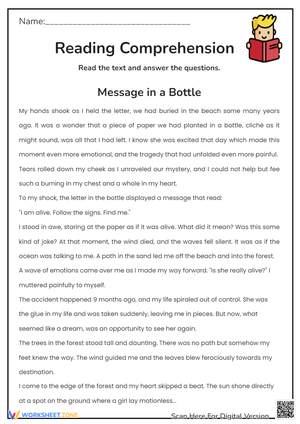
Yes. Paragraph scramble and off-topic sentence worksheets require students to understand what a paragraph says before judging its structure — reading comprehension and organizational analysis working together. Some teachers run these during reading workshop to examine how published informational texts are built, then return to the same worksheets during writing time for a different angle on the same skill.
When in the writing process should each worksheet be assigned?
Graphic organizer and topic sentence worksheets work best before drafting. Transition and paragraph-unity worksheets fit well during revision, when students have a draft and need to diagnose what is not working. Conclusion worksheets are most useful after students have a complete body section in hand — asking students to write a conclusion without a body produces thin, disconnected endings because there is nothing yet to synthesize.
Are these appropriate for students who shut down when asked to write?
The error-identification and sentence-matching worksheets are lower-stakes entry points for reluctant writers because the task is analytical rather than generative — students evaluate existing text rather than produce new sentences. The 4th grade organization and structure pdf worksheets that work with model paragraphs are the natural starting place for this group. Once students find success there, moving them toward graphic organizer and topic sentence worksheets — where they generate rather than evaluate — feels less threatening because they already have a structural frame to fill in.
Do these align with state ELA standards outside of Common Core?
The skills covered — topic sentences, transitions, paragraph unity, introductions, conclusions — appear in fourth-grade ELA standards across virtually all states, including those that have adopted modified frameworks. Standard codes vary, but the underlying skill demands are consistent enough that these worksheets transfer without modification to most state contexts.












 Interactive Worksheet Maker
 Quiz Maker
 Word Search Maker
 Crossword Puzzle Maker
 Word Scramble Generator
 Sentence Scramble Generator
 Handwriting Worksheet Generator
 Name Tracing Generator
 Fill In The Blank Generator




 BACK TOSCHOOL