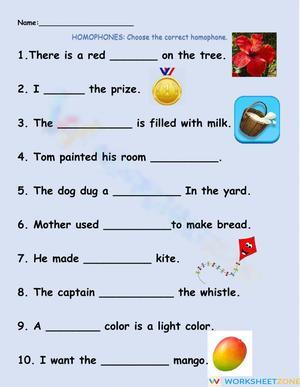
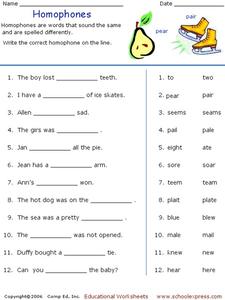
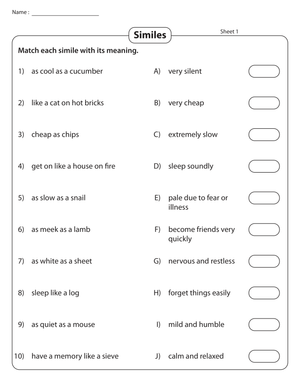
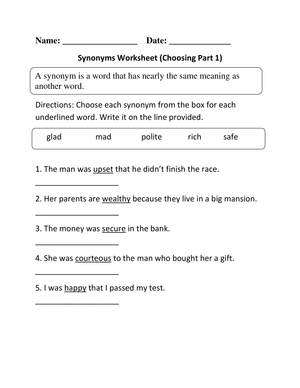
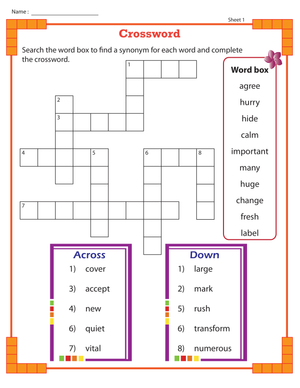
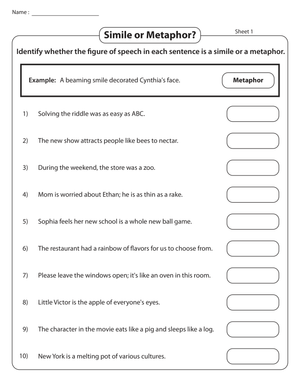
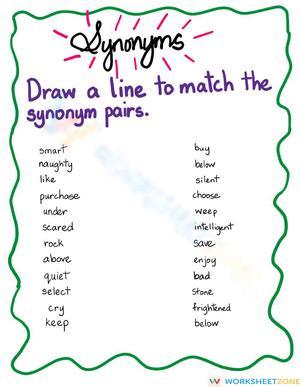
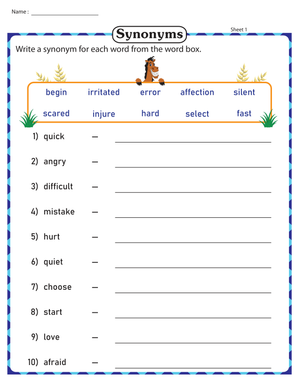
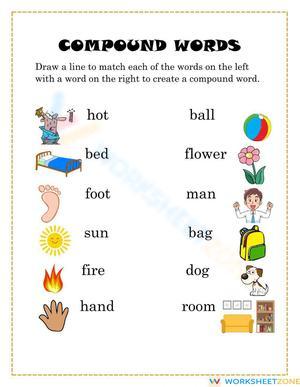
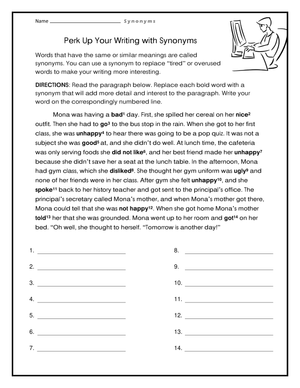
These language worksheets for 3rd grade give teachers a ready set of standalone printable tools covering the Grade 3 Language strand — grammar, mechanics, sentence structure, and vocabulary — with each worksheet focused on a single skill you can pull whenever the lesson calls for it. Irregular plural nouns on Tuesday, possessive apostrophes on Thursday, context clues the day before a new read-aloud: the worksheets work in any order because they don't depend on one another.
What's Inside the Set
The worksheets divide into five skill categories, each one tied to specific Grade 3 Language standards:
- Nouns and pronouns: irregular plural forms (children, geese, mice); abstract nouns such as courage, honesty, and patience; pronoun-antecedent agreement practiced in multi-sentence passages rather than isolated fill-in-the-blank items
- Verb work: simple past, present, and future tenses; irregular verb forms; subject-verb agreement in sentences with compound subjects joined by and or or
- Sentence structure: forming and identifying compound sentences using coordinating conjunctions; introductory practice with subordinating conjunctions (because, since, although) and the dependent clauses they introduce
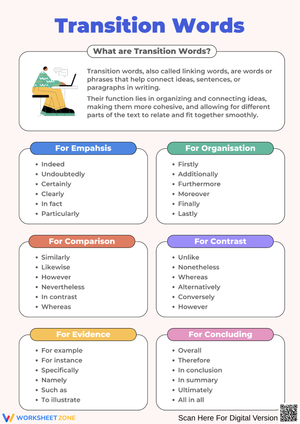
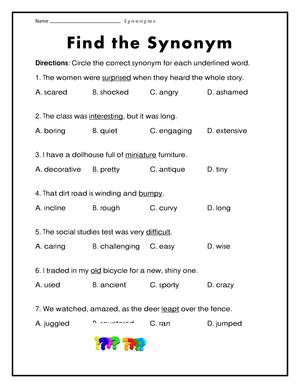
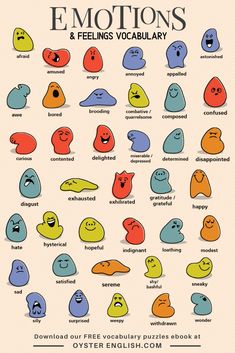
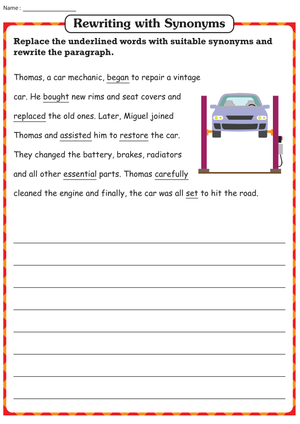
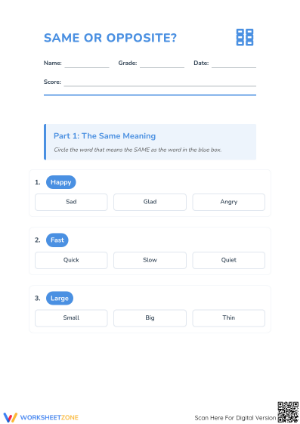
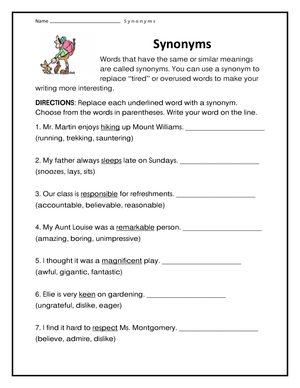
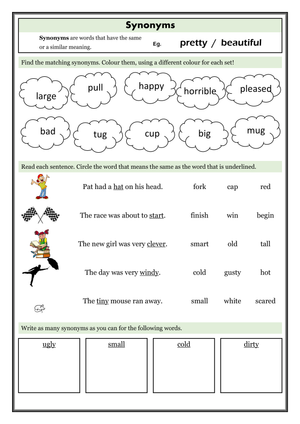
- Vocabulary and word study: using context clues in short passages to determine the meaning of unfamiliar words; building and decoding words with common prefixes and suffixes — un-, re-, pre-, -ful, -less, -er
- Mechanics: commas in a series and in addresses; quotation marks around dialogue; possessive apostrophes for singular and plural nouns; capitalization of titles for books, songs, and movies
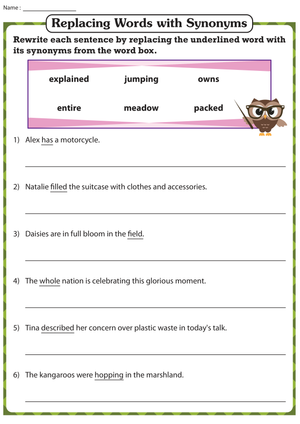
On most exercises, students complete two steps: they identify the target feature in a provided sentence or short passage, then write the correct form themselves. That production step separates genuine practice from passive recognition. A student who can circle the wrong verb form still needs to demonstrate they can generate the right one.
The Error Patterns Third Graders Bring to These Skills
Irregular plurals generate one of the most consistent error patterns in third-grade writing. Students who have fully internalized the regular plural rule will confidently write childs, mouses, and foots — not from carelessness, but because the rule they know is working exactly as intended on the wrong words. The worksheets address this by pairing each irregular form with a context-rich sentence that makes the correct word feel obvious, which pushes students to verify their answer rather than act on their first instinct.
Abstract nouns create a different problem. A student who correctly capitalizes Monday and October will often write bravery and honesty in lowercase mid-sentence, because those words read as descriptions rather than as a named category of thing. The categorization tasks on these worksheets — sorting words into "can be seen or touched" versus "cannot be seen or touched" — build that distinction before students encounter the writing rule, which produces better transfer than presenting the grammar rule cold.
The missing comma before and in a series is nearly universal at this level. A sentence like I packed my lunch, water bottle and backpack reads complete and correct to most 8-year-olds because the conjunction already signals a list ending. The proofreading worksheets target this by presenting sentences where that one missing comma is the only error — there's nothing else to fix — which trains students to look for it deliberately rather than scanning for a general sense of "something wrong."
Where These Worksheets Fit in the Weekly Lesson Plan
The opening eight minutes of the ELA block is where language worksheets for 3rd grade return the most instructional value — especially on Monday. A student who studied irregular verbs on Friday and retrieves them again Monday morning retains them measurably better than a student who covered the same material twice in one Thursday afternoon. Spacing the review across days is not just a scheduling convenience; it's the mechanism that moves a grammar skill from short-term recognition to something students actually apply when writing independently.
- Pull two or three students to a kidney table with the irregular noun or verb worksheets during independent reading time — the small-group setting lets you see exactly where their thinking breaks down, which is harder to catch during whole-class work
- Laminate the mechanics worksheets and place them in a writing-center bin; students work through them with dry-erase markers and wipe clean for the next rotation
- Send a vocabulary worksheet home the night before a new read-aloud unit begins — students who see target words in print first tend to catch them faster when those words appear in a listening context
- Use any single worksheet as a quick exit ticket at the end of a grammar mini-lesson; five questions gives you enough data to see who needs re-teaching before the skill becomes assumed background knowledge
One honest limitation: students who freeze when shown an unfamiliar sentence type — particularly in the sentence-combining exercises — sometimes interpret their confusion as not understanding the concept, even when they do. A verbal walk-through of the first example before independent work begins prevents that from becoming a confidence issue. It takes about forty-five seconds and makes the rest of the worksheet function as intended.
Standard Alignment
These worksheets align to the Common Core State Standards for English Language Arts, Language strand, Grade 3 — specifically L.3.1 (conventions of standard English grammar and usage, covering irregular plurals, abstract nouns, pronoun-antecedent agreement, and verb tense), L.3.2 (punctuation and mechanics, including commas, quotation marks, and apostrophes), and L.3.4 (vocabulary acquisition through context clues and knowledge of affixes). L.3.1 carries the heaviest instructional load at this level, which is reflected in how many worksheets address grammar — irregular noun and verb forms surface in student writing all year, not only during the introductory unit. Teachers in non-CCSS states will find the skills transfer directly to their frameworks; the specific competencies are broadly consistent with third-grade language expectations across most state standards documents.
Tailoring the Set for Your Full Classroom Range
For students still building reading fluency, the fill-in-the-blank and multiple-choice formats reduce the decoding load enough to keep attention on the grammar or vocabulary target. Reading instructions aloud before independent work begins — or providing a word bank for open-response items — keeps those students working on the language skill rather than getting stopped by the directions themselves.
Extensions for students who finish quickly and accurately are worth keeping ready. Ask them to rewrite a corrected sentence with the subject and object swapped while keeping the same grammatical rule in place, or to compose a new sentence that demonstrates the target pattern. These additions take seconds to assign and generate far better evidence of mastery than having a student redo an exercise they've already completed correctly.
Students working well above grade level sometimes disengage from grammar exercises that feel mechanical to them. The sentence-combining and context-clue vocabulary worksheets tend to hold their attention better than rule-application drills because they require judgment — the answer isn't simply right or wrong in the same way an irregular-plurals item is. These language worksheets for 3rd grade vary enough across the five skill categories that you can usually find a format that genuinely challenges every student in the room without building separate materials from scratch.
Frequently Asked Questions
Which specific Common Core standards do these worksheets address?
The primary standards are L.3.1, L.3.2, and L.3.4. Each worksheet identifies the relevant standard code, which makes documenting use in a lesson plan or sharing a specific worksheet with an instructional coach straightforward. Teachers covering the full Language strand for Grade 3 will find worksheets targeting every major expectation within those three standards.
Can students complete these in a digital format?
Because the resources distribute as PDFs, students can annotate them directly in most PDF readers on tablets or laptops, or teachers can share them through Google Classroom, Seesaw, or any platform that accepts file attachments. The format stays consistent whether printed or viewed on screen, which simplifies preparation for hybrid and remote setups alike.
How do these fit alongside a grammar textbook or basal reading program?
These language worksheets for 3rd grade work best as the distributed practice that most basal programs skip. If a textbook introduces irregular verbs across two pages and moves on, these worksheets provide the three or four spaced repetitions that move a skill from "recently introduced" to "reliably applied in original writing." They are not a replacement for core instruction — they're what happens in the days after the lesson, when the skill needs repetition to consolidate.
How long does each worksheet take to complete?
Most students finish each worksheet in ten to fifteen minutes. The sentence-combining and rewriting tasks run a few minutes longer because students produce original writing rather than select from given options. For a bell-ringer opening, the grammar and mechanics worksheets fit comfortably in a ten-minute window; the vocabulary exercises work better with a slightly longer block or as a homework assignment.












 Interactive Worksheet Maker
 Quiz Maker
 Word Search Maker
 Crossword Puzzle Maker
 Word Scramble Generator
 Sentence Scramble Generator
 Handwriting Worksheet Generator
 Name Tracing Generator
 Fill In The Blank Generator