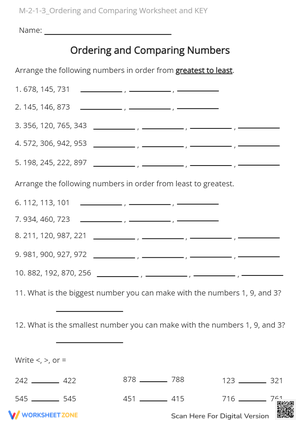
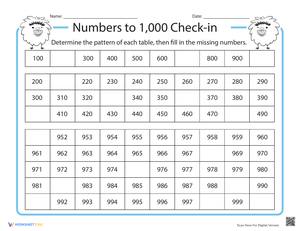
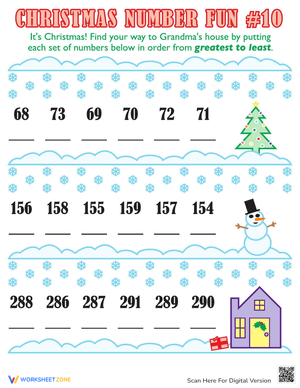
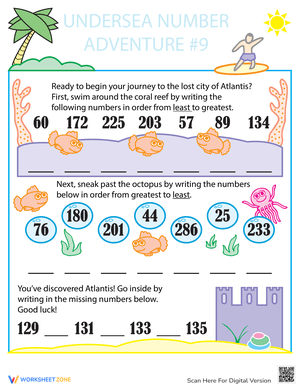
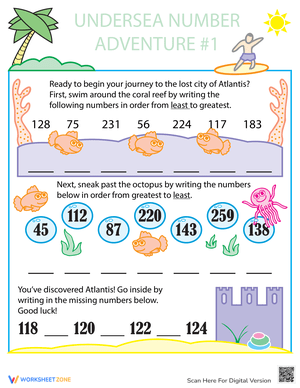
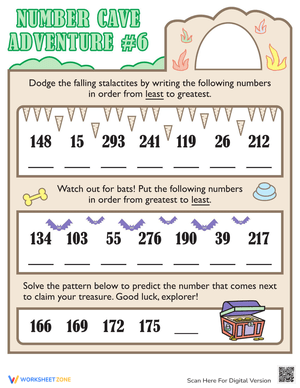
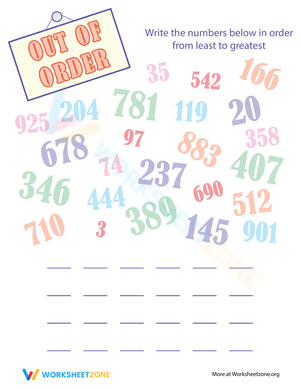
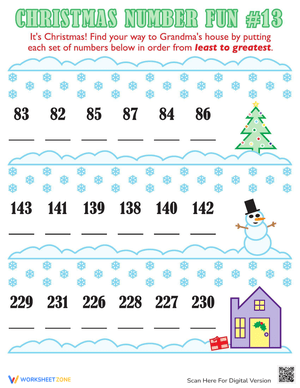
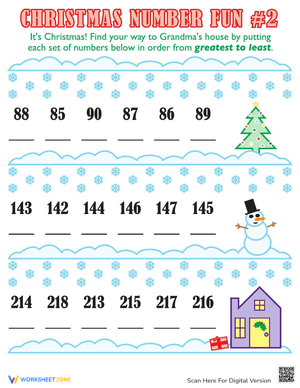
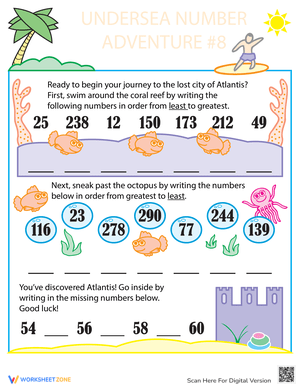
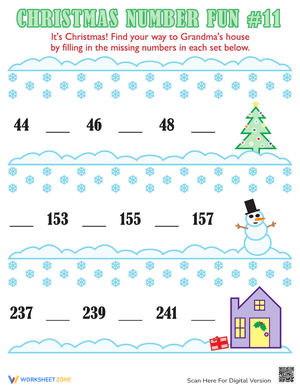
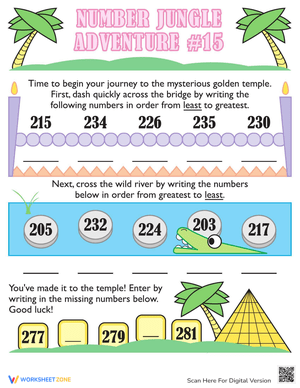
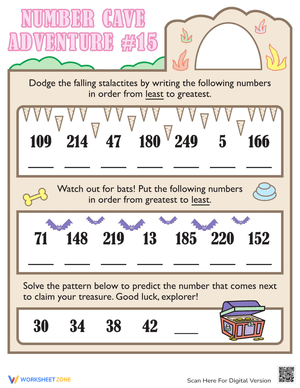
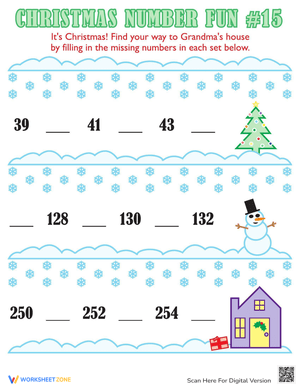
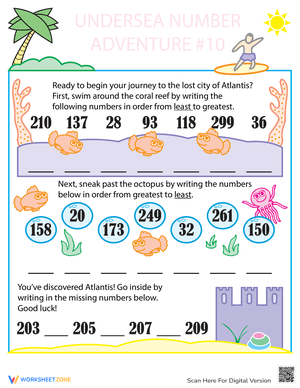
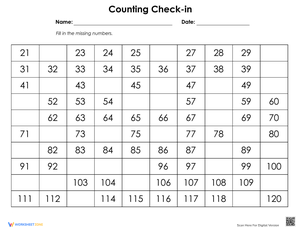
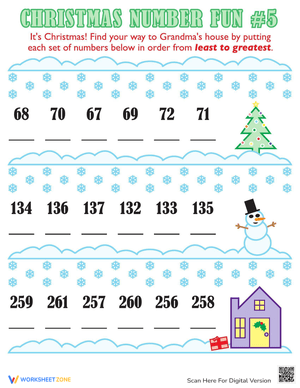
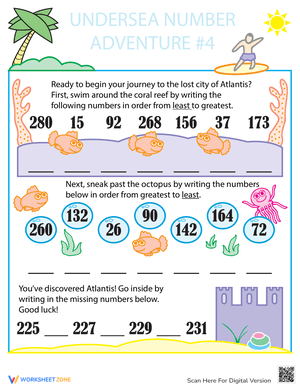
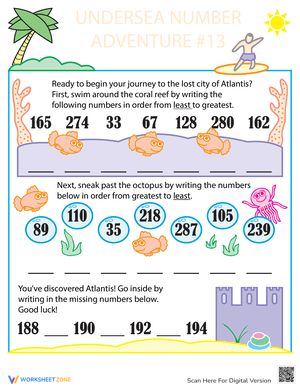
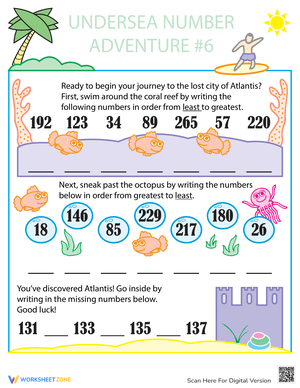
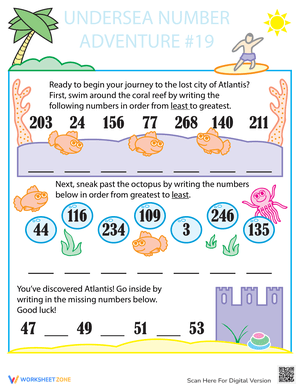
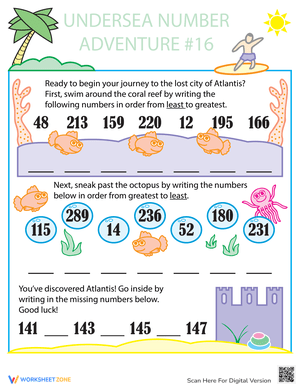
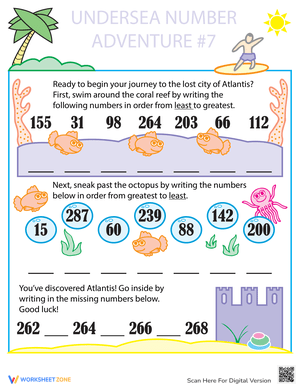
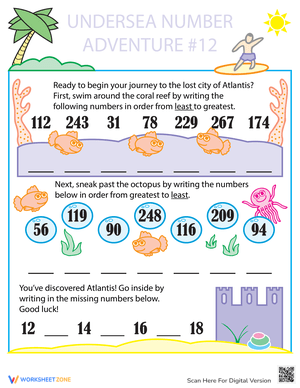
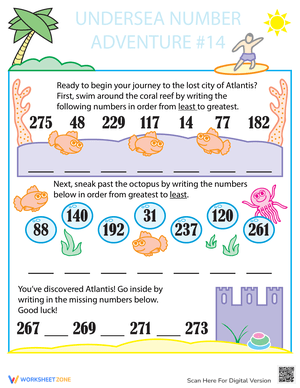
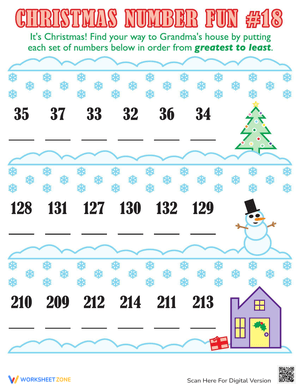
These ordering three digit numbers worksheets for 2nd grade give teachers a set of ready-to-print practice resources for one of the most concept-heavy transitions in early elementary math — the point at which students stop treating a number like 643 as three separate symbols and start reading it as 6 hundreds, 4 tens, and 3 ones. Each worksheet in the set isolates a specific piece of that work: some focus on sorting groups of three to five numbers from least to greatest, others require students to reverse that logic for descending order, and several are built around the specific place-value traps that show up most reliably in student work once instruction moves past the introductory hundreds-tens-ones lesson.
What's Covered in the Set
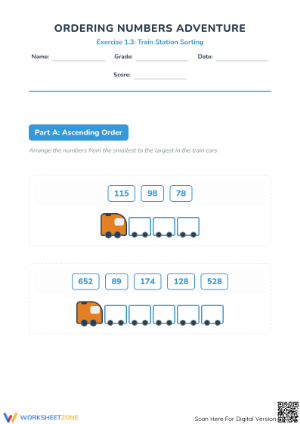
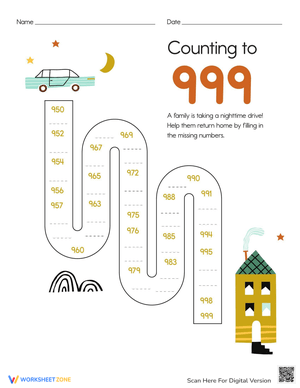
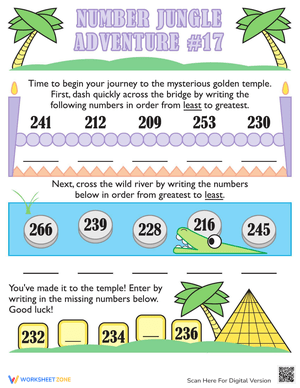
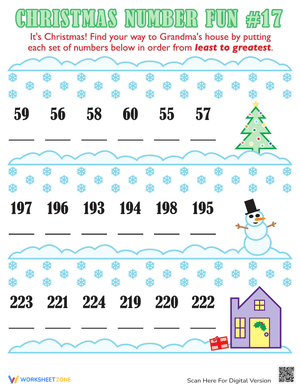
The worksheets address both ascending and descending order across the full 100–999 range, with number groups that grow from three numbers to five as students move through the set. The core operation — compare hundreds digits first, move right if they match, repeat with tens, then ones — appears across increasingly complex groupings so the strategy becomes automatic rather than effortful. Several worksheets include open number line tasks where students plot each number before writing the final sequence; this intermediate step slows down impulsive guessers and gives deliberate thinkers a visual check before they commit to an answer. Cut-and-paste sequencing worksheets also appear in the set, useful mid-unit when pencil-and-paper tasks have started to feel repetitive.
- Ascending order: sorting three to five numbers from least to greatest
- Descending order: applying the reverse comparison logic from greatest to least
- Number line placement as a pre-sort step before writing the sequence
- Cut-and-paste sequencing tasks for tactile, moveable practice
- Sets featuring internal zeros — numbers like 407, 470, and 740 — that require deliberate digit-by-digit comparison
- Vocabulary integration: ascending, descending, least to greatest, greatest to least
Student Errors These Worksheets Help You Catch and Correct
The most reliable mistake in this skill involves zero in the tens place. Give students the set {302, 320, 203} and watch what happens. Students who order {312, 389, 321} without hesitation will often stall — or write the numbers in whatever order they first appear on the page — when zero shows up in the tens column. The specific confusion is this: students see 302 and 320, recognize that both start with 3, move to the tens column, and read the zero as "nothing." Rather than comparing 0 tens against 2 tens as distinct values, they treat 302 and 320 as roughly equivalent. The fix is not to tell students that zero matters; it's to make zero functional — not absent, but actively meaning no tens here — and to practice that meaning repeatedly with the exact pairs that cause confusion.
A second pattern appears specifically in descending order tasks. Students who correctly sort {412, 489, 421} from least to greatest will sometimes produce 489, 412, 421 for greatest to least rather than the correct 489, 421, 412. They identify the largest number accurately, then mechanically flip only the first and last positions from their ascending sequence rather than re-evaluating every number in fresh order. This is worth naming out loud before students start the descending order worksheets, because the error is systematic — not careless — and it looks like near-mastery when it's actually a procedural shortcut that needs to be replaced with a genuine re-sort.
Standard Alignment
These worksheets address CCSS Math.Content.2.NBT.A.4, which requires students to compare two three-digit numbers based on the value of the hundreds, tens, and ones digits, using the relations greater than, equal to, and less than. Ordering three or more numbers is the direct instructional extension of that standard — it demands that students apply the same comparison logic sequentially across an entire group rather than settling a single pair. A student who can compare two numbers in isolation has grasped the concept; a student who can sequence a group of five has internalized it. Teachers evaluating ordering three digit numbers worksheets for 2nd grade resources specifically for 2.NBT.A.4 alignment should note that the standard names two-number comparison, but most second-grade assessment items push into multi-number ordering — making the sequencing work here directly relevant to what students will face on those assessments.
Working These Worksheets Into Your Math Block
The place these worksheets earn their keep most consistently is the Monday morning warm-up. Three-digit comparison is the kind of skill that erodes after a weekend — not because students forget the rule, but because they stop applying the left-to-right discipline when the problem looks routine. A five-minute warm-up surfaces that drift before it compounds into a re-teaching conversation three weeks later. During math center rotations, the self-contained format holds up better than many center activities: the task is clear without verbal re-explanation, and students can verify their own sequences by confirming that each number is larger — or smaller — than the one before it.
For teachers who use ordering three digit numbers worksheets for 2nd grade tasks as exit tickets, the single-set problems — sort these four numbers from least to greatest — give a fast formative read. Scanning the hundreds digits in students' final sequences takes less than thirty seconds per paper and surfaces exactly which students are still guessing rather than comparing. The cut-and-paste worksheets work well in the eight minutes before a transition: long enough for students to sort and glue a set of five numbers, short enough that it doesn't bleed into the next block.
Adjusting the Set Across Learner Levels
Students who are still unsteady with two-digit comparison benefit from working with base-ten blocks alongside the worksheet. Building each number before placing it in sequence makes the hundreds-tens-ones structure physical and prevents the guessing that happens when all three-digit numbers look similarly large on paper. For this group, worksheets that feature sets where every number has a different hundreds digit are the right starting point — the sort is resolved in one comparison step, which keeps the cognitive load manageable while the sequencing habit forms.
Students who are ready to move ahead can extend any worksheet in the set without additional materials: after completing the sequence, they identify a number that would fit between any two consecutive values in their answer and write one sentence explaining how they know it belongs there. When using ordering three digit numbers worksheets for 2nd grade as the base material, that sentence-writing step reveals far more about understanding than the sort itself — it's the difference between a student who can complete the task and one who can articulate the reasoning behind each placement.
Frequently Asked Questions
What is the left-to-right comparison strategy, and how do I teach it to second graders?
The strategy is this: always compare the hundreds digits first. If they differ, the number with the larger hundreds digit is greater — full stop, regardless of what the tens and ones show. If the hundreds digits match, move one position right and compare the tens. If those also match, compare the ones. In practice, having students physically cover the tens and ones with a finger while they compare hundreds makes the strategy tactile and stops the wandering eye from landing on a large ones digit and inflating a number's perceived size. Most second graders apply this reliably within a week of focused practice, provided they see it across enough varied number pairs to stop relying on visual impression alone — 427 looks "smaller" than 94 to some students, which is a separate misconception worth addressing alongside this work.
How do I explain ascending and descending order to 7-year-olds in a way that actually sticks?
Two analogies land reliably: stairs and a countdown. Ascending order is walking up stairs — each step is higher, each number is bigger than the one before it. Descending is walking down, each number getting smaller. The countdown version works well for descending specifically: 10, 9, 8, 7 before a rocket launch is descending order in action. The stairs analogy tends to stick longer because students can physically act it out at their seat, and the vocabulary holds when it's attached to a body movement rather than only a printed definition.
Why do students consistently mix up numbers like 304 and 340 when sorting?
The confusion comes from zero reading as visually neutral. When students scan 304 and 340, they tend to notice the 3 and the 4 in both numbers and process them as "the same digits, just rearranged." Students who are not yet attending carefully to position treat zero as an absence rather than as a meaningful placeholder. The most direct fix is a place value chart: write 304 and 340 into separate rows of a hundreds-tens-ones chart, then point to the tens column. One row shows 0 tens; the other shows 4 tens. The chart makes the structural difference visible in a way that looking at the numerals side by side often does not — and once students see it in chart form, they rarely confuse that pair again.













 Interactive Worksheet Maker
 Quiz Maker
 Word Search Maker
 Crossword Puzzle Maker
 Word Scramble Generator
 Sentence Scramble Generator
 Handwriting Worksheet Generator
 Name Tracing Generator
 Fill In The Blank Generator