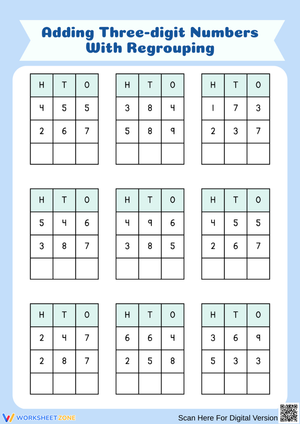
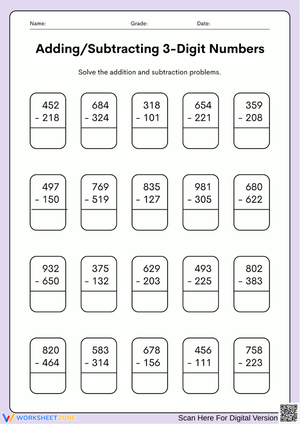
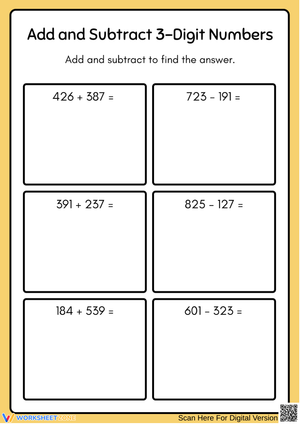
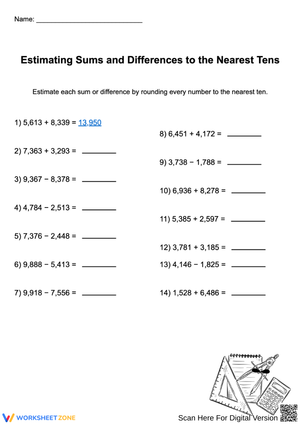
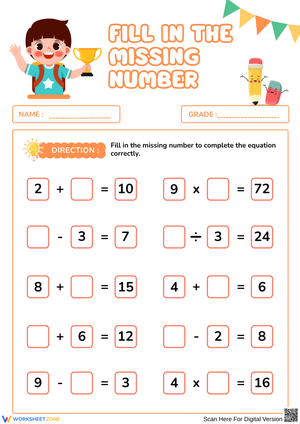
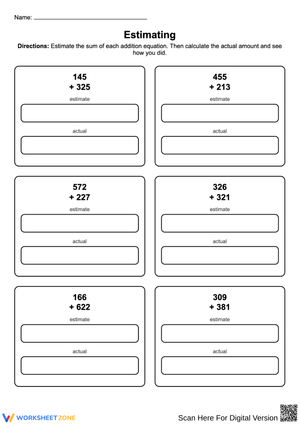
When a teacher searches for 2nd grade numbers worksheets, they are usually looking for practice that reinforces how a three-digit number breaks down into hundreds, tens, and ones. That single idea drives almost every other number skill covered this year, from skip counting to comparing quantities, and it shows up again in every unit that follows.
Worksheets built around this concept give teachers a low-prep way to check whether students can move between representations of the same number. A worksheet that asks a student to build 342 with base-ten blocks, then write it in standard form, is doing more instructional work than a worksheet that only asks for repeated counting practice. Choosing worksheets with that goal in mind matters more than choosing worksheets by page count.
Matching Worksheets to the Four Grade 2 Standards - 2.NBT.A
The Common Core State Standards Initiative organizes 2nd grade place value expectations into four connected standards under 2.NBT.A. Worksheets that follow this sequence tend to build understanding more reliably than worksheets grouped by worksheet type alone, since each standard depends on the one before it.
CCSS.Math.Content.2.NBT.A.1 asks students to understand that a three-digit number represents amounts of hundreds, tens, and ones. CCSS.Math.Content.2.NBT.A.2 expects students to count within 1,000 and skip count by 5s, 10s, and 100s. CCSS.Math.Content.2.NBT.A.3 requires reading and writing numbers using base-ten numerals, number names, and expanded form. CCSS.Math.Content.2.NBT.A.4 asks students to compare two three-digit numbers using greater than, equal to, and less than symbols. Sequencing worksheets to follow this order, concept, count, represent, compare, helps students build each new skill on a skill they already practiced instead of jumping between unrelated tasks.
Skip Counting by 5s 10s and 100s as Daily Warm-Ups
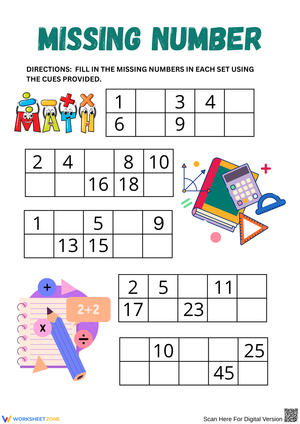
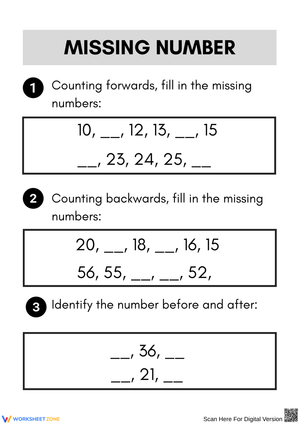
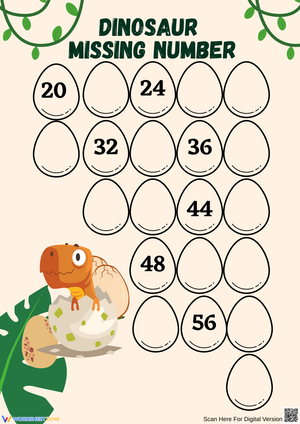
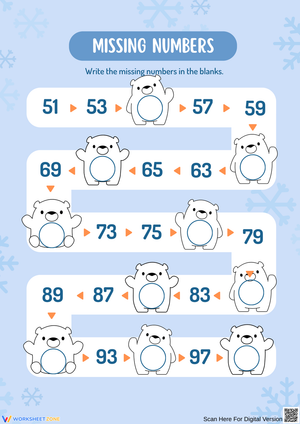
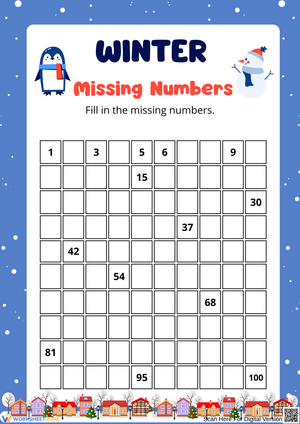
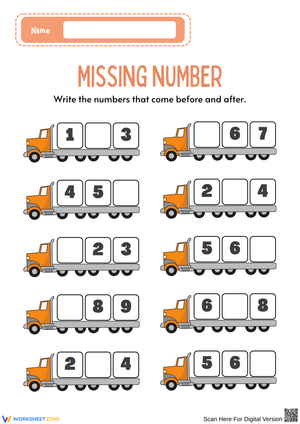
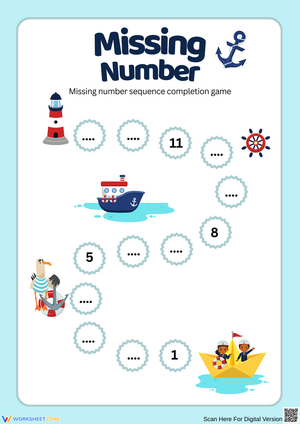
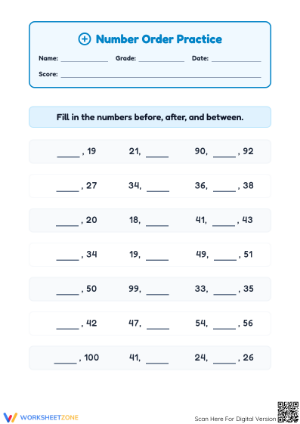
Skip counting worksheets work well as short daily warm-ups because they take five minutes or less and reveal quickly which students are still relying on counting by ones. A worksheet with a partially filled number path from 0 to 1,000, broken into jumps of 5, 10, or 100, gives a fast formative check before the main lesson begins.
Rotating between the three skip counting intervals across a week keeps students from memorizing a single pattern without understanding it. Pairing a 10s worksheet with a hundreds chart, and a 100s worksheet with an open number line, gives students two different models for the same skill, which helps the pattern transfer to new starting numbers.
Expanded Form and Number Names Bridge Concrete to Abstract
Expanded form worksheets ask students to rewrite a number like 456 as 400 plus 50 plus 6. This step matters because it forces students to name the value of each digit rather than just its position. Worksheets that combine expanded form with number names, writing four hundred fifty-six alongside 400 plus 50 plus 6, give students three ways to see the same quantity in one sitting.
The standards define 100 explicitly as a bundle of ten tens, and many second graders never fully internalize that relationship without repeated visual practice. A worksheet series that pairs expanded form problems with a hundreds chart or base-ten block diagram, rather than numerals alone, tends to reduce the number of place value errors that show up later on comparison problems.
Classroom Implementation
Pair number worksheets with hands-on materials whenever possible. Base-ten blocks work well alongside expanded form and standard form worksheets, since students can build a number before writing it. Hundreds charts support skip counting worksheets by letting students see the pattern before they complete it independently.
Use short number worksheets as entry tickets at the start of a math block to check retention from the previous lesson, and use longer worksheets covering multiple 2.NBT.A skills as exit tickets or review before a formative assessment. For students still counting by ones, keep a base-ten block set or hundreds chart at their table during independent worksheet time rather than removing the support once whole-class instruction ends.
Tracking which worksheet skill each student last completed independently, even in a simple checklist, makes it easier to regroup students for intervention without re-testing the whole class every time a group changes.
Frequently Asked Questions
1. What place value skills should 2nd graders master by year end?
By the end of 2nd grade, students should understand three-digit numbers as hundreds, tens, and ones, count within 1,000, skip count by 5s, 10s, and 100s, read and write numbers in standard form, number names, and expanded form, and compare three-digit numbers using greater than, equal to, and less than symbols.
2. How can teachers use number worksheets for math intervention groups?
Intervention worksheets work best when they isolate a single skill rather than mixing all four 2.NBT.A standards on one page. A small group struggling with expanded form benefits more from several short worksheets focused only on that skill than from one longer worksheet covering counting, comparing, and expanded form together, since the extra skills can mask which one is causing the error.
3. What is the difference between standard form, word form, and expanded form practice?
Standard form worksheets ask students to write a number using digits, such as 456. Word form worksheets ask students to write the number as words, such as four hundred fifty-six. Expanded form worksheets ask students to break the number into its place values, such as 400 plus 50 plus 6, showing the value each digit contributes.
4. How often should 2nd graders practice skip counting?
Short daily practice works better than infrequent long sessions. A five-minute skip counting worksheet used as a warm-up several times a week keeps the pattern fresh without taking time away from the main lesson, and rotating between 5s, 10s, and 100s prevents students from memorizing only one interval.
5. How do number worksheets help prepare students for comparing three-digit numbers?
Students compare numbers more accurately once they can decompose them into hundreds, tens, and ones. Worksheets that build expanded form and number name skills before introducing comparison symbols give students the place value reasoning they need to explain, not just guess, which number is greater.













 Interactive Worksheet Maker
 Quiz Maker
 Word Search Maker
 Crossword Puzzle Maker
 Word Scramble Generator
 Sentence Scramble Generator
 Handwriting Worksheet Generator
 Name Tracing Generator
 Fill In The Blank Generator