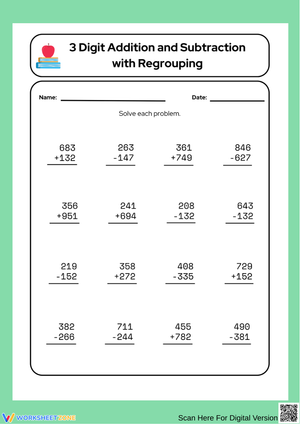
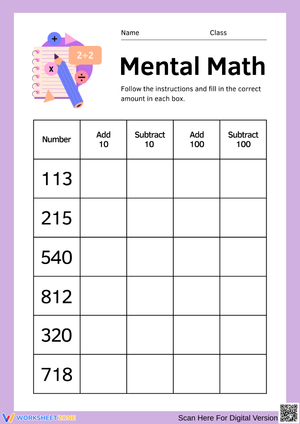
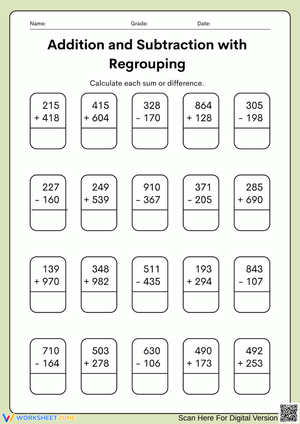
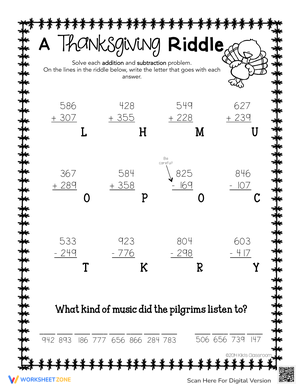
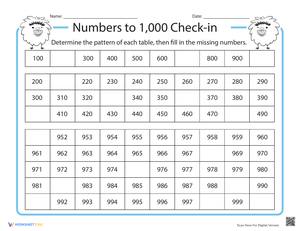
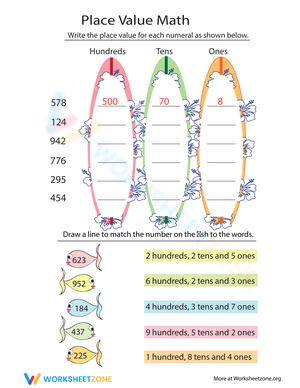
These three digit numbers worksheets for 2nd grade target the point in second-grade math where most conceptual confusion lives — the realization that the same digit means something completely different depending on where it sits in a number. The set spans place value identification, expanded form, number names, and comparison, organized so teachers can assign individual worksheets by skill or run them sequentially across a unit.
The Specific Skills Each Worksheet Targets
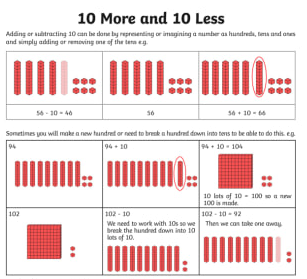
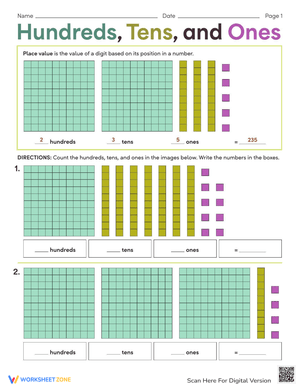
The set moves from recognition to production. Early worksheets ask students to read base-ten block images and write the matching three-digit number; later ones ask students to draw their own block representations from a given number. That back-and-forth between decoding and generating is deliberate — it catches students who can read a representation but haven't yet internalized the positional logic behind it.
- Place value identification: naming the value of a specific digit within a three-digit number (the 4 in 342 is worth 40, not 4)
- Expanded form: writing and reading expressions like 519 = 500 + 10 + 9
- Number names: matching digit form to written form — "six hundred eighty-three" to 683 and back
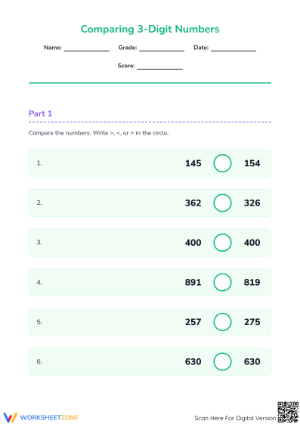
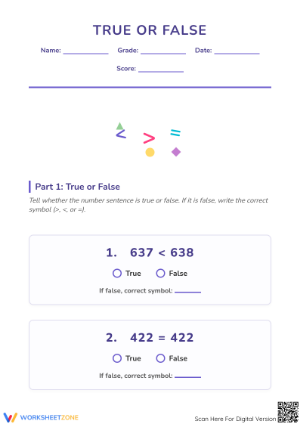
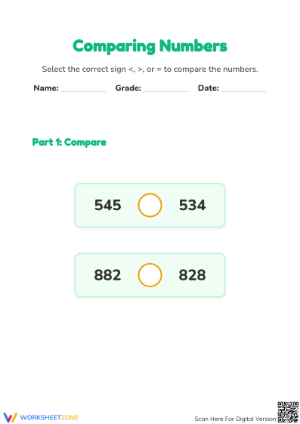
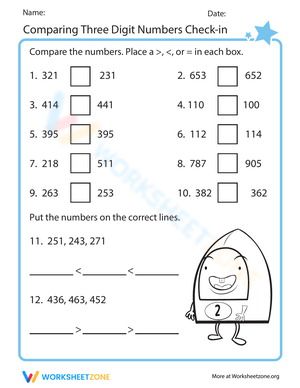
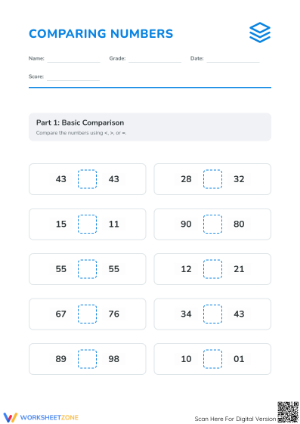
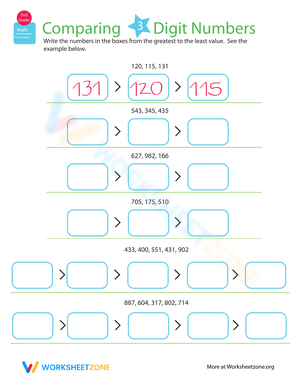
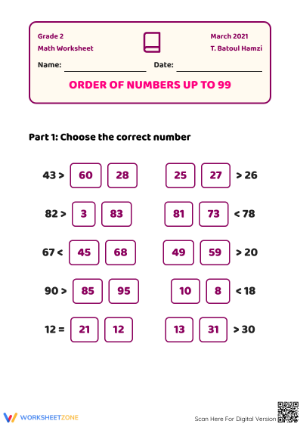
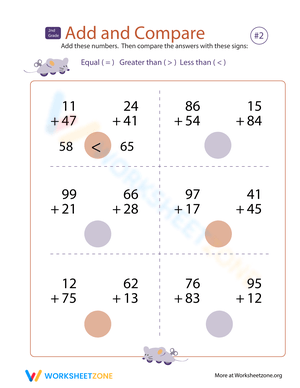
- Comparison: using greater than and less than to evaluate pairs of numbers by analyzing hundreds first, then tens, then ones
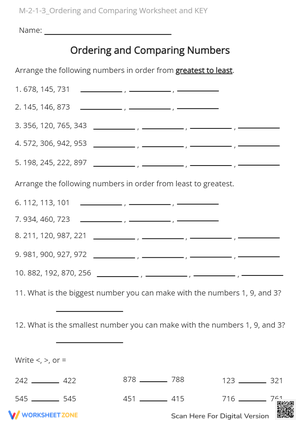
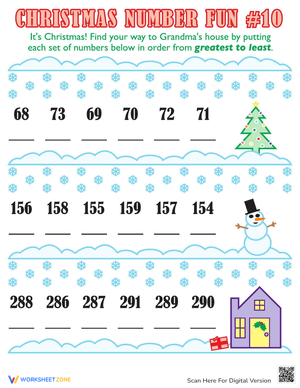
- Ordering: arranging sets of four or five three-digit numbers from least to greatest
- Zero as a placeholder: focused practice on numbers like 304 and 520, where one position carries no value
Student Mistakes Worth Anticipating Before the Lesson
The most persistent error in this unit is the zero-placeholder collapse. A student writing "three hundred five" will often produce 35 instead of 305, dropping the empty tens column as though it doesn't exist. This is not carelessness — it reflects a genuine belief that zeros serve no functional purpose when a position is empty. The worksheets targeting numbers like 407 and 830 are the most useful diagnostic check here, particularly when paired with a place-value mat where students must write something in every column, including a zero.
Comparison tasks surface a second pattern. Some students, having absorbed the general rule that "bigger digits win," compare from right to left — ones place first. They'll look at 287 and 294, notice that 4 is greater than 7 in the ones column, and declare 294 larger without registering that the difference sits in the tens. Having students physically underline the hundreds digit before they do anything else builds the left-to-right habit the process actually requires.
In expanded form, watch for students who write 300 + 8 for 308, skipping the tens term entirely rather than recording a zero there. These same students often struggle on the reverse task — reading 400 + 6 and writing 46 instead of 406. Both errors point to the same underlying gap: when a position is empty, it feels optional.
Fitting These Worksheets Into Your Week
The focused single-skill format makes these natural as Monday morning warm-ups. Hand one worksheet as students settle in after morning meeting, set a 10-minute timer, and scan the results before the day's main lesson begins. Reading a class set takes about five minutes when each worksheet targets one clear behavior — you'll know by 9 a.m. how to group students for the week's small-group instruction.
Because the three digit numbers worksheets for 2nd grade here each address a discrete skill, rotating them through math centers doesn't require complicated setup or additional materials. One group works on expanded form, another on base-ten block drawings, a third on comparison — while you run the fourth station yourself for direct instruction. Students who finish early can self-check against a hundreds chart posted nearby. The single-skill design also makes Friday review manageable: pulling two or three worksheets that mirror the week's focus gives students a low-stakes recap and gives you clean data heading into the weekend.
For homework, the base-ten block and expanded form worksheets travel best because students can complete them without manipulatives or a partner. Hold the comparison and ordering worksheets for in-class use where you can observe the strategies students actually apply — that's where the right-to-left comparison habit most often shows itself.
Standard Alignment
The anchoring standard is CCSS.MATH.CONTENT.2.NBT.A.1, which requires students to understand that each digit in a three-digit number represents a quantity of hundreds, tens, or ones. The three digit numbers worksheets for 2nd grade in this set also address 2.NBT.A.3 — reading and writing numbers to 1000 in standard, expanded, and word form — and 2.NBT.A.4, comparing two three-digit numbers using greater than, equal to, and less than. In classroom terms, these three standards form a natural instructional sequence: NBT.A.1 is the concept, NBT.A.3 is the representation, and NBT.A.4 is the application. The set follows that same progression, which makes it straightforward to match individual worksheets to your pacing guide without translation.
How the Set Works Across Different Readiness Levels
Students who are still consolidating two-digit place value do better starting on worksheets that use base-ten block images with the hundreds position already labeled. They're building three-digit understanding on top of a two-digit foundation they haven't yet fully automated, and having the hundreds box pre-labeled removes one variable while keeping the core concept intact.
Students who move through identification and expanded form quickly can be pushed toward comparison and ordering worksheets, then extended with an open task: write five three-digit numbers and place them on a number line from 100 to 1000. That task brings in estimation and relative magnitude — areas the worksheets don't explicitly address — and it develops naturally once students have to commit their own numbers to a spatial context.
For students with IEPs that address number sense, the zero-placeholder worksheets can be modified by providing a pre-filled place-value chart alongside each problem. Students track position as they write without the visual-organization burden of setting up the chart themselves, and the mathematical concept stays fully intact.
Frequently Asked Questions
How do I introduce the hundreds place before using these worksheets?
Start with physical bundling — have students group ten sticks of ten into a flat hundred so they see the grouping happen in their hands. Once they can point to a flat and say "that's one hundred," the transition to written numerals lands with meaning attached. Introducing the symbol before the physical referent usually produces memorization without understanding, and that gap shows up immediately when students attempt expanded form.
Can these be used for formative assessment?
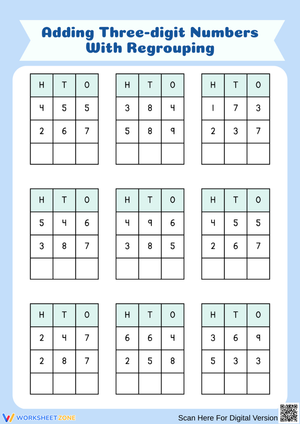
They work well that way. A single expanded-form worksheet reviewed quickly at the start of class tells you within minutes whether students are confusing digit value with face value — the clearest early sign that a student needs more time before moving into regrouping in addition. The three digit numbers worksheets for 2nd grade in this set are focused enough on individual skills that you get actionable information rather than a blurry overall impression of where a student stands.
How does this content connect to addition and subtraction later in second grade?
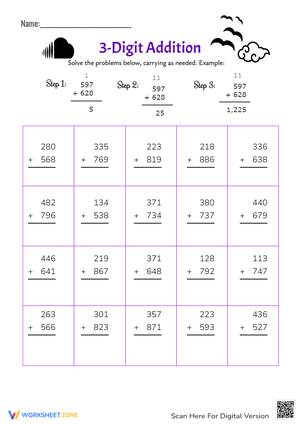
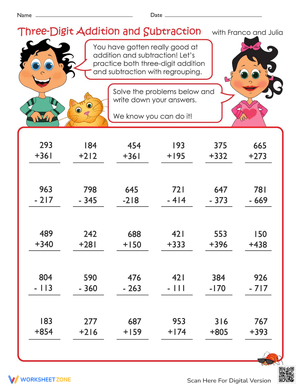
Expanded form is the bridge. When students know that 463 = 400 + 60 + 3, they have a working mental model for regrouping — they understand that borrowing from the tens column means redistributing a unit of ten into ten ones, not just crossing out a digit and writing a smaller one. Students who arrive at three-digit addition without that expanded-form foundation tend to regroup mechanically and can't self-correct when errors occur because they don't know what the regrouping represents.
What's the fastest fix when students keep writing 35 instead of 305?
Use a place-value mat with three labeled columns and ask the student to fill in every box before writing the number in standard form. The physical constraint — every position needs a digit — usually breaks the habit faster than verbal explanation alone. After two or three problems with the mat as a reference, most students internalize the rule well enough to stop needing it.













 Interactive Worksheet Maker
 Quiz Maker
 Word Search Maker
 Crossword Puzzle Maker
 Word Scramble Generator
 Sentence Scramble Generator
 Handwriting Worksheet Generator
 Name Tracing Generator
 Fill In The Blank Generator