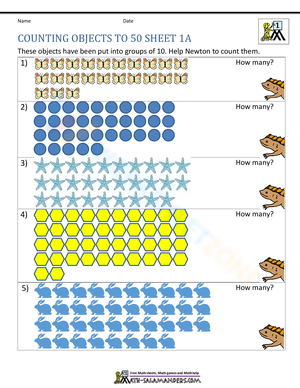
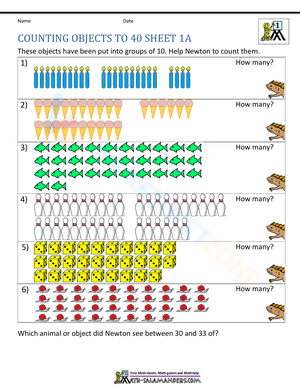
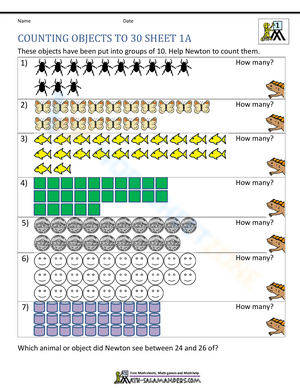
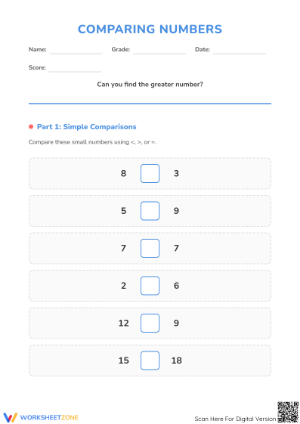
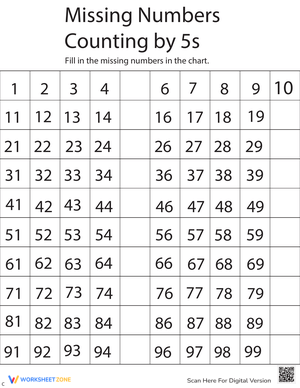
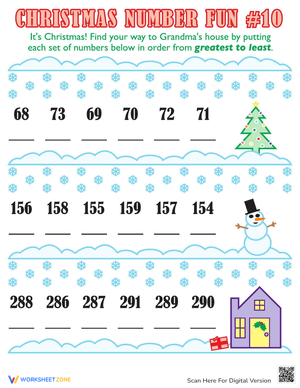
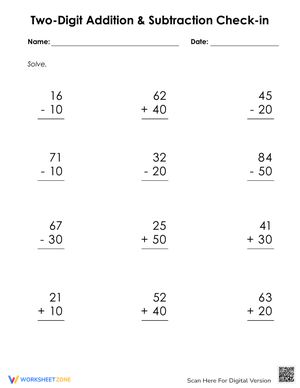
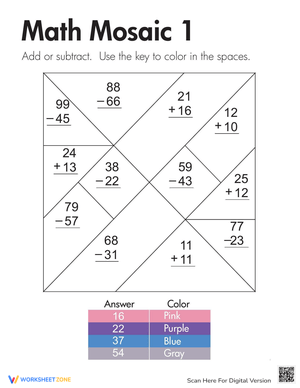
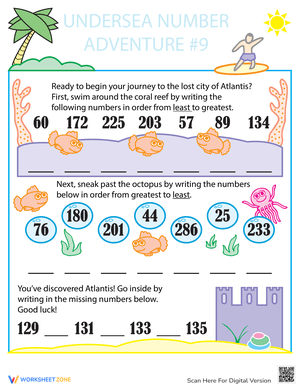
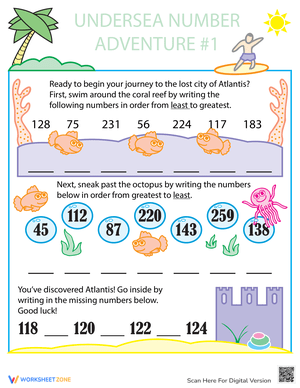
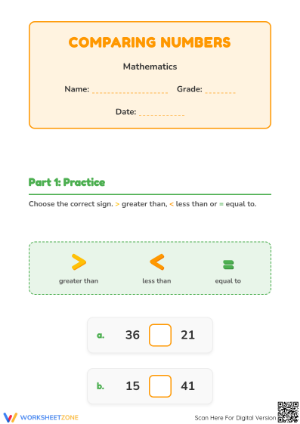
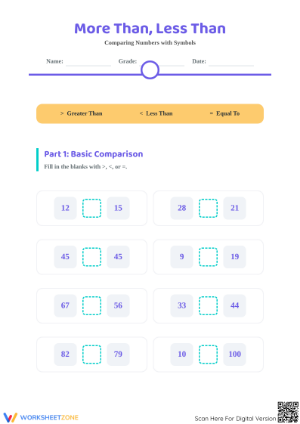
These two digit numbers worksheets for 2nd grade arrive at the exact point in the curriculum where students must stop treating numbers as a memorized sequence and start understanding their structure—tens stacked on ones, each digit carrying a weight determined by its position. The set targets place value identification, expanded form, standard form, word form, and number comparison, the four core demands of the 2.NBT domain in second grade.
The Specific Skills Targeted Across the Set
Each worksheet focuses on one or two closely related skills, which keeps cognitive load manageable during the lesson without slowing down the pace of the unit. Across the worksheets, students will:
- Identify how many tens and how many ones any given two-digit number contains, and state the value each digit actually represents
- Write numbers in expanded form, showing 73 as 70 + 3 rather than as an undifferentiated two-symbol string
- Translate between standard form, expanded form, and word form in both directions
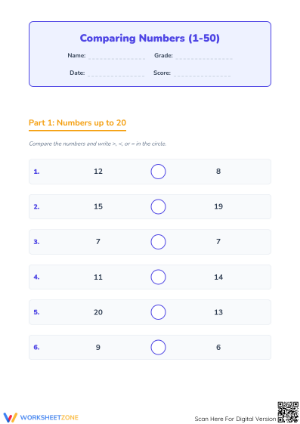
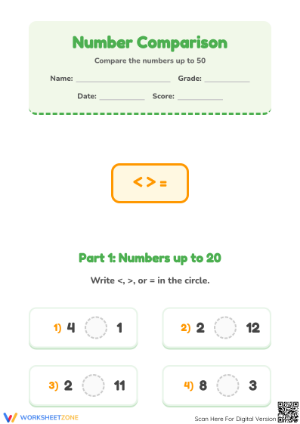
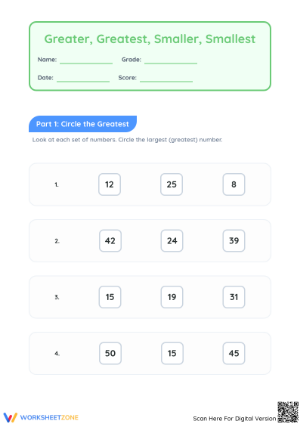
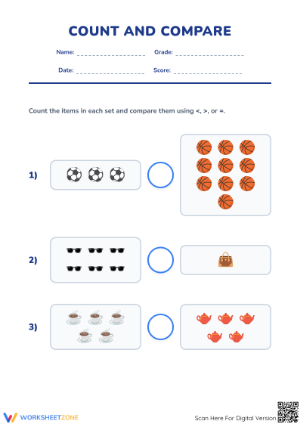
- Compare pairs of two-digit numbers using greater than, less than, and equal to, then record the correct symbol
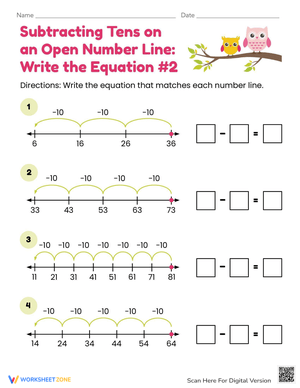
- Place numbers at accurate positions on a number line between two stated benchmarks
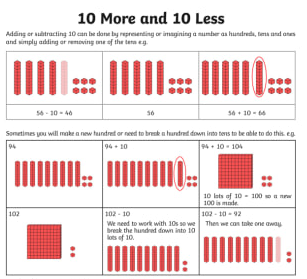
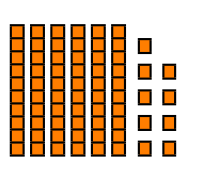
- Interpret and draw base-ten block representations alongside their standard numerical forms
Teen numbers get their own dedicated worksheets rather than being folded into general mixed practice. That separation is intentional. Eleven through nineteen don't announce their structure the way larger numbers do—"fourteen" gives no verbal signal that it means one ten and four ones, whereas "forty-one" does. Students who work through 34 and 67 without trouble frequently stall on 14 and 17 for exactly that reason, and isolating the teen range lets teachers address that specific confusion directly instead of hoping it surfaces during a mixed review.
Mistakes Students Make That These Worksheets Help You Catch
The most persistent error in early place value work is digit-value confusion: a student reads 82 as "eight-two" and, without intervention, treats the 8 as worth 8. The tens-and-ones identification exercises in this set force a correction because students must write "8 tens" and "2 ones" separately before recording the number—there is no path to the answer that skips the decomposition step. Zero as a placeholder creates a different problem. Looking at 40, many students write "4" for the tens column and leave the ones column empty, reading the zero as an absence rather than a digit that holds the structure of the number in place. Worksheets that explicitly display 40 as 4 tens and 0 ones—and require students to fill in both boxes—make that structure visible rather than assumed.
Comparison work surfaces its own consistent error: students frequently point the greater-than symbol in the wrong direction. They know they need a symbol; they just haven't locked in which way the mouth opens. Catching that on a worksheet before a unit assessment is the whole point of formative practice. A useful classroom move is asking students to underline the tens digit in one color and the ones digit in another before answering any comparison question. It sounds minor, but it eliminates a surprising number of errors caused by students scanning the number as a whole visual unit instead of reading by position.
Working These Worksheets Into Your Planning Without Overloading the Block
The most effective use is the first eight minutes of the math block, before whole-group instruction begins. A single place value worksheet used as a warm-up activates prior knowledge, gives a quick read on where students are, and connects directly to what's coming. Teachers who run a "Number of the Day" routine can pull a worksheet asking students to write one chosen number in all three forms, draw the base-ten representation, and compare it to the previous day's number. That loop—same structure, new number every day—moves the concept into long-term retrieval faster than occasional standalone lessons.
Exit tickets are the other natural fit. The comparison worksheets are narrow enough to double as a post-lesson check: four or five number pairs, students record greater than or less than, finished in three minutes before the class transitions. That's clean formative data with almost no extra planning. For math centers, pairing a student who has expanded form down with one who hasn't—asking them to check each other's answers on the two digit numbers worksheets for 2nd grade and explain the reasoning aloud—builds verbal explanation alongside procedural accuracy. Saying "63 is the same as 60 plus 3 because the 6 is in the tens place" is a harder task than writing it, and harder is where the consolidation actually happens.
Standard Alignment
The worksheets address three standards from the 2.NBT cluster. 2.NBT.A.1 requires students to understand that the two digits of a two-digit number represent amounts of tens and ones—the base-ten identification and expanded form exercises address this directly. 2.NBT.A.3 covers reading and writing numbers in multiple forms; the word-form and standard-form conversion tasks meet that expectation at the two-digit level, which is where second graders build the skill before extending it to three-digit numbers in the second half of the year. 2.NBT.A.4 covers comparing two-digit numbers using greater than, less than, and equal to; the comparison worksheets target this standard throughout. Teachers in non-Common Core states will find that these three concepts appear under equivalent "number and operations" strands in most state frameworks, often with nearly identical language.
Adjusting the Set for a Range of Learners
For students who need more concrete support before the symbolic form makes sense, pair each worksheet with physical base-ten blocks or rubber-banded bundles of craft sticks. The worksheet then becomes a recording sheet for something students have already built with their hands—that Concrete, Representational, Abstract sequence gives the written symbols somewhere to land. The color-coding strategy described above also functions as a low-prep support structure: students who visually lose track of which column they're reading benefit significantly from the added distinction before they start filling in answers, and it costs nothing to implement.
Students who are ready to move ahead can use the two digit numbers worksheets for 2nd grade as a launchpad for extended thinking. After writing the expanded form for a number like 76, they identify two other numbers that also contain 7 tens, then place all three on a number line. That extension stays inside the same conceptual territory as 2.NBT but pushes toward the flexible number reasoning the standard expects at the higher end. For students who have memorized certain numbers as visual wholes rather than understanding their structure—this shows up in work samples as correct answers that fall apart the moment the presentation format shifts—reversing the exercise direction is a useful diagnostic move. Give expanded form and ask for standard form instead of the reverse. If they freeze, the understanding is surface-level and the practice needs to go back a step.
Frequently Asked Questions
Do these worksheets include teen numbers, or do they start at twenty?
Teen numbers are included as a separate, dedicated section rather than folded into general two-digit practice. Because eleven through nineteen don't follow the same verbal pattern as numbers like 34 or 78, students need focused exposure to that range before mixing it with more structurally consistent numbers. Keeping teen numbers separate also makes it easier to pull just that section for a small group that needs it.
Where should I start if my students have had no formal place value instruction yet?
Begin with the tens-and-ones identification exercises. Those build the conceptual base that every comparison and expanded-form task depends on. Jumping to expanded form before students can reliably decompose a number tends to produce rote-copied answers without real understanding behind them—errors that become harder to correct the longer they go unaddressed.
Do the comparison exercises ask students to write comparisons in words, or only place a symbol?
Both. Students record the symbol and write the comparison as a complete sentence. Writing "47 is greater than 39" after placing the symbol asks students to move between mathematical notation and natural language, which is exactly what 2.NBT.A.4 targets—and it creates a connection to the language-arts block without requiring a separate lesson to build it.
Can I send individual worksheets home without overwhelming families?
Because this is a two digit numbers worksheets for 2nd grade format, you can select and print only the worksheets that match your current lesson focus rather than sending home the full set at once. Students and families receive a clear signal about what to practice, and you avoid the situation where a child works through comparison exercises at home before you've introduced the symbols in class. A brief note clipped to the top explaining the skill is usually enough context for family support.













 Interactive Worksheet Maker
 Quiz Maker
 Word Search Maker
 Crossword Puzzle Maker
 Word Scramble Generator
 Sentence Scramble Generator
 Handwriting Worksheet Generator
 Name Tracing Generator
 Fill In The Blank Generator