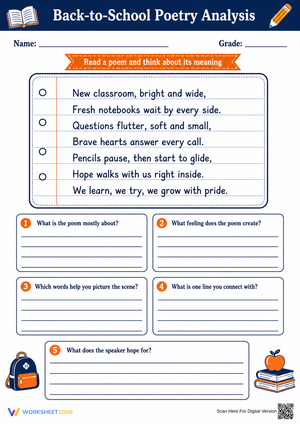
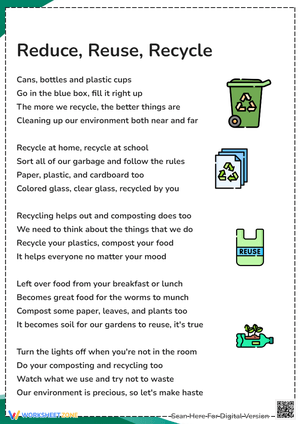
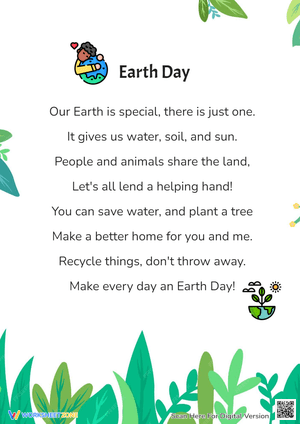
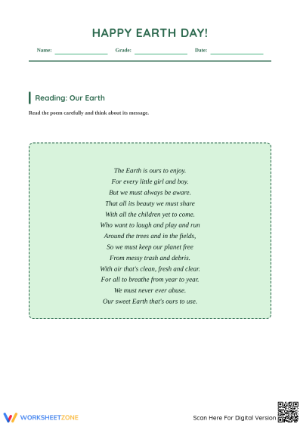
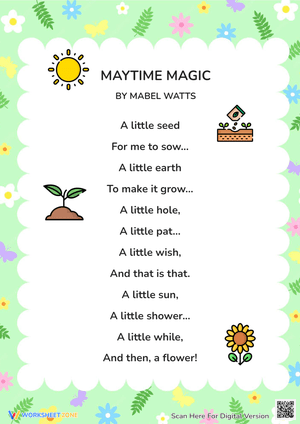
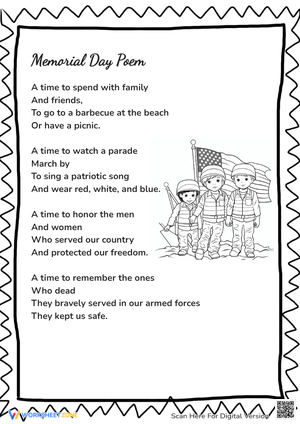
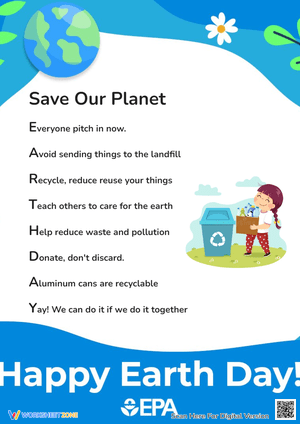
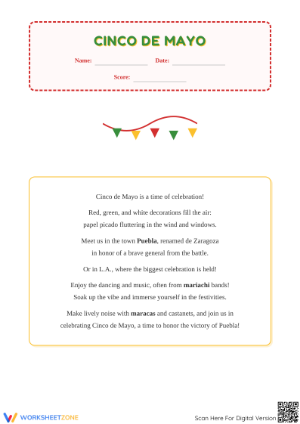
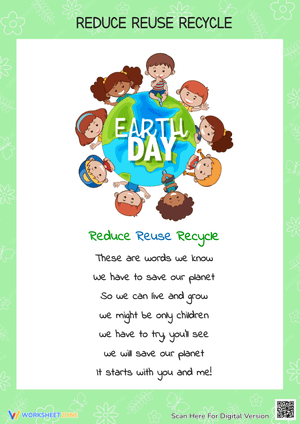
Second grade sits at a pivotal point in reading development. Students are shifting from sounding out words to reading them with automaticity and expression, and short rhyming poems are one of the most efficient tools for that shift. A poem that fits on a single page gives students a low-stakes text to reread multiple times without feeling repetitive, since each pass can focus on a different goal: first for accuracy, then for rhythm, then for expression. Building a small library of 2nd grade poems means you always have a quick-access text ready for a five-minute warm-up or a full guided reading lesson.
Poetry also sits directly inside the Reading: Literature strand for second grade, grouped with stories and songs rather than treated as a separate genre. That placement matters for planning, because it means poem-based lessons can satisfy the same standards coverage as a short story unit while taking a fraction of the time to read and reread.
Aligning Poems to CCSS RL.2.4
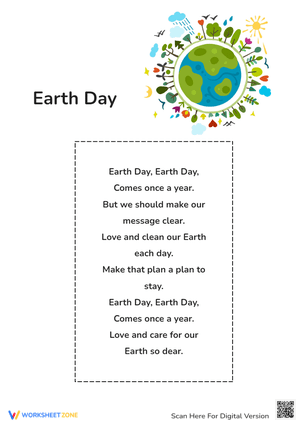
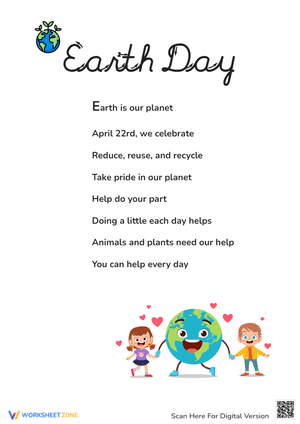
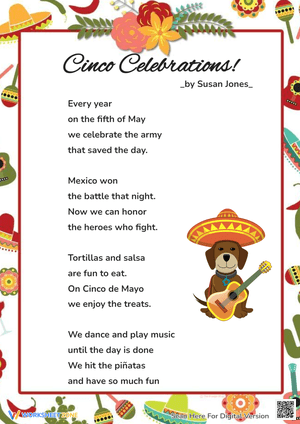
CCSS RL.2.4 asks second graders to describe how specific words and phrases, including regular beats, alliteration, rhymes, and repeated lines, add rhythm and meaning to a poem or song. This standard gives you a clear lens for choosing which poems to use. Look for texts with an obvious beat pattern students can clap or tap, at least one strong rhyme scheme, and ideally a repeated line or refrain that students can chant together.
When a poem includes all three features at once, regular beat, rhyme, and a repeated line, it gives you three separate discussion prompts from a single short text: ask students to count the beats in a line, circle the rhyming word pairs, and identify where the repeated line appears and why the poet might have used it there. That single poem can then anchor a full 20-minute mini-lesson rather than being read once and set aside.
Using Poems for Repeated-Reading Fluency Practice
Short poems are ideal for repeated-reading fluency work because their length keeps rereading manageable for young readers. A typical routine might have students read the same poem four times across a week: once for accuracy on day one, once focusing on phrasing on day two, once with a partner for pace on day three, and once as a performance read-aloud on day four. Each rereading builds automaticity without asking students to sit through a long passage.
For intervention or small-group settings, this routine can be compressed into a single session. A short poem read three times in a row, with brief feedback between readings, gives struggling readers a quick fluency boost and lets you track growth across just a few minutes.
Rotating Seasonal and Themed Poem Sets
Keeping a rotating set of seasonal or themed poems prevents your poetry unit from feeling stale across the year. A fall-themed poem in October, a winter poem in December, and a spring poem in April all let you reuse the same instructional routine, rereading for fluency, rhyme identification, structure discussion, while giving students fresh content tied to what is happening outside their classroom window. This also gives you a natural way to revisit RL.2.4 skills multiple times across the year rather than teaching them once and moving on.
Extending Poems into Student Writing
Reading poems sets up a natural bridge into writing. Once students can identify rhyme and repeated lines in a mentor poem, ask them to write their own short rhyming couplet or a poem that borrows the same repeated-line structure. This writing extension reinforces RL.2.4 recognition skills by asking students to apply them productively, and it gives you a quick formative check on whether students actually understand rhythm and rhyme or are only recognizing them passively in someone else's writing.
Using Poems for Formative Assessment
Poems also offer a fast way to check understanding of rhythm, rhyme, and structure without a full test. A short exit-ticket question, such as asking students to underline the rhyming words in the final stanza or explain in one sentence how the ending wraps up the poem, gives you a quick read on whether RL.2.4 and RL.2.5 skills are sticking. Because the poem itself is short, students can complete this kind of check in just a few minutes at the end of a lesson, leaving the assessment data current and easy to act on the next day.
Frequently Asked Questions
1. What makes a poem appropriate for 2nd grade reading level?
Look for short poems with clear rhyme schemes, a steady beat pattern, and vocabulary that second graders can decode independently or with light support. Poems with a repeated line or refrain are especially useful because they build in extra practice with the same words.
2. How can teachers use poems to teach CCSS RL.2.4 rhythm and rhyme skills?
Choose poems with obvious rhyme pairs, alliteration, or a repeated line, then guide students to identify those features directly in the text, such as clapping out the beat or circling rhyming words, before discussing how those choices affect the poem's meaning or feeling.
3. How many poems should a 2nd grade poetry unit include?
A rotating set of six to eight poems across a unit gives enough variety to keep instruction fresh while allowing repeated use of the same routines, so students focus on applying skills rather than relearning a new format each time.
4. Can poem worksheets be used for reading intervention or small groups?
Yes. Short poems are well suited to small-group and intervention settings because their length allows for multiple rereadings within a single short session, giving struggling readers concentrated fluency practice.
5. How do poems support fluency practice in second grade?
Because poems are short, students can reread the same text several times across a week or even within one session, building accuracy, phrasing, and pace without the fatigue that comes from rereading a longer passage.












 Interactive Worksheet Maker
 Quiz Maker
 Word Search Maker
 Crossword Puzzle Maker
 Word Scramble Generator
 Sentence Scramble Generator
 Handwriting Worksheet Generator
 Name Tracing Generator
 Fill In The Blank Generator