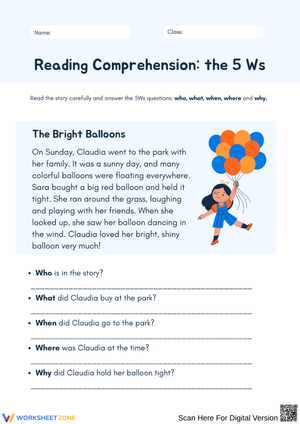
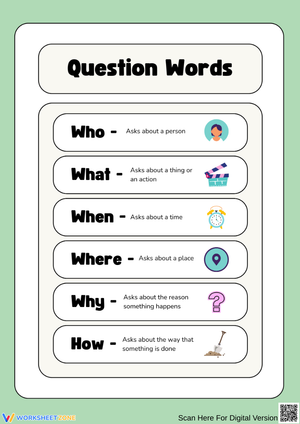
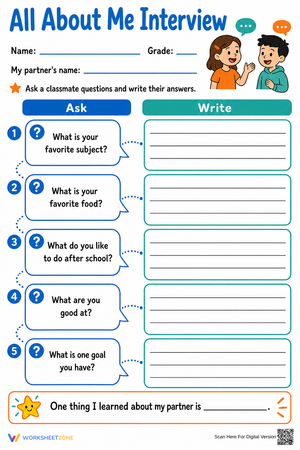
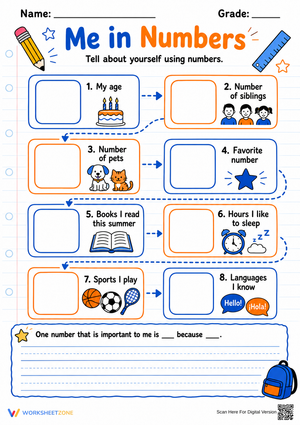
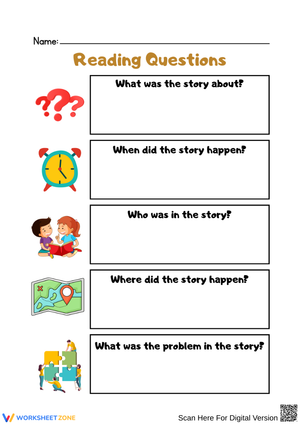
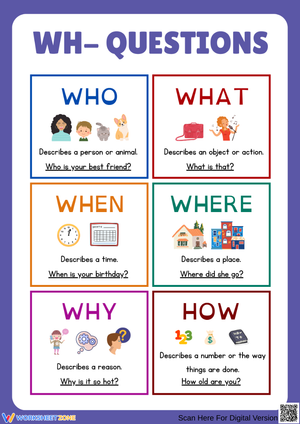
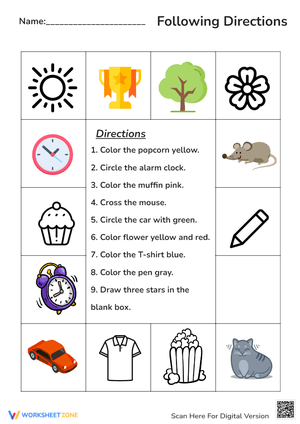
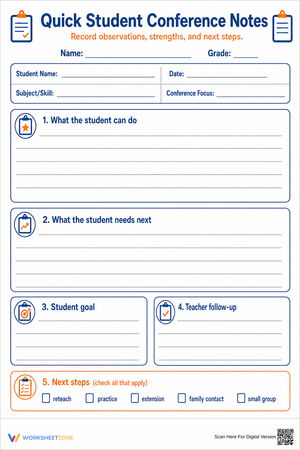
These literary elements worksheets for 2nd grade give teachers ready-to-print resources for one of the trickiest transitions in early reading — the shift from decoding words to actually analyzing how a story works. Each worksheet zeroes in on a specific narrative component: character traits, setting details, problem and solution, or plot sequence, so teachers can pull exactly what the lesson calls for without sifting through a larger resource. The set works in read-aloud follow-ups, small guided reading groups, and literacy centers alike.
What Each Worksheet Targets
Second grade is the year students need to move past "it was about a boy and a dog" and start identifying how the story worked. These worksheets address the four narrative pillars second graders are expected to manage by end of year:
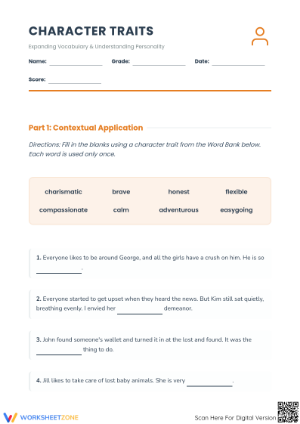
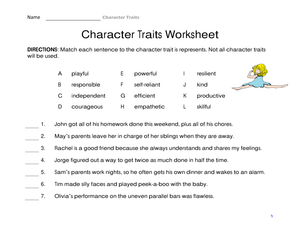
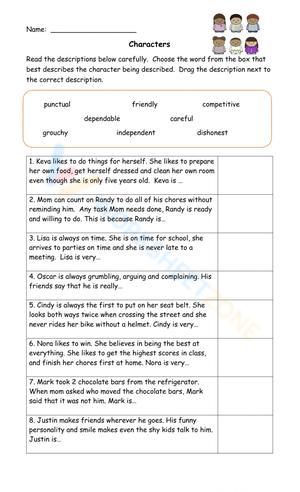
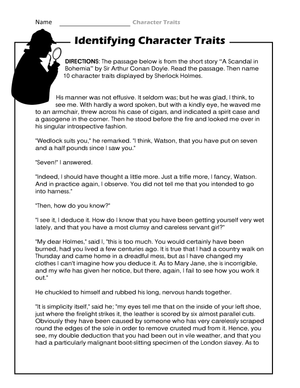
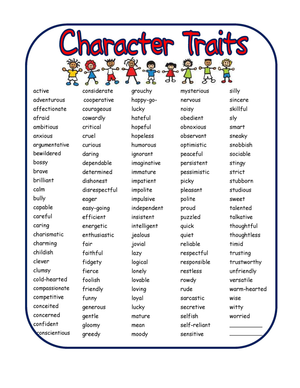
- Character traits and reactions: Students underline specific actions or dialogue in the text, then write or draw what those details reveal about the character. The focus is on inference from evidence, not just naming who the main character is.
- Setting — time and place: Each worksheet asks students to identify both where and when a story takes place, then explain how they know. Many students name the setting correctly but cannot yet point to the text or illustration that told them — this format makes that gap visible.
- Problem and solution: Students mark the moment the problem first appears and trace how it gets resolved. These are two steps that are developmentally harder than they look at this age, and keeping them separate on the worksheet matters.
- Plot sequence: Beginning, middle, and end boxes with space for sentences or sketches. Several worksheets in the set add a twist — students sequence four or five events in order, which pushes beyond simple retelling toward actual story analysis.
Mistakes Students Make That These Worksheets Help You Catch
The most consistent error at this level: students conflate the problem with the beginning of the story. They write "The boy went to the park" in the problem box because it happened early, not because it represents a conflict. This pattern shows up in student work through October and November every year, and it signals that the student understands sequence but has not yet grasped narrative tension. The problem-solution format makes this error surface immediately — if a student writes "The boy went to the park" as the problem, there is no sensible solution to fill in, and that contradiction is worth a short conference.
A second pattern worth watching: students who correctly identify a character's action will still name a physical trait instead of a personality one. If a story says the girl "ran back to help her friend," many second graders write "fast" rather than "caring" or "loyal" — they pulled the most obvious physical detail instead of inferring what the action reveals about personality. Worksheets that ask students to write a trait and cite the sentence that showed it push this distinction into the open in a way that a whole-class discussion alone rarely does.
How to Work These Worksheets Into Your Weekly ELA Block
The strongest placement for this set is right after a read-aloud, when the text is still fresh and the class is still gathered. Read the book, close it, put one worksheet under the document camera, and model a single section — not the whole thing — while thinking aloud about where in the text you found your answer. That ten-minute shared attempt gives real-time information about what students still cannot do independently, and it sets a standard for what "text evidence" actually looks like at this grade level.
After two or three elements have been modeled across separate lessons, the worksheets move cleanly into small guided reading groups, where you can watch for hesitation and probe with follow-up questions while other students work at centers. By spring, students who have used this format consistently can work through a setting or problem-solution worksheet on their own during independent reading time. That arc — modeled whole-class, then guided, then independent — is worth planning intentionally rather than assuming it will happen on its own.
Standard Alignment
The worksheets address three CCSS ELA Reading Literature standards for second grade. RL.2.3 asks students to describe how characters respond to major events and challenges — the character-trait worksheets target this directly by asking students to identify an event, then explain the character's response in their own words, not just copy a phrase from the text. RL.2.5 requires students to describe the overall structure of a story, including how the beginning introduces the action and the ending concludes it; the plot-sequence worksheets address this by having students write or sketch what happens at each structural stage rather than simply labeling empty boxes. RL.2.7 extends comprehension to include illustrations, asking students to use picture details alongside text to understand characters, setting, and plot — several worksheets include a paired illustration-analysis prompt for exactly this reason.
In classroom terms, RL.2.3 is typically the first standard addressed in a narrative unit because character work is the most accessible entry point for seven- and eight-year-olds. RL.2.5 follows once students have enough story vocabulary to talk about structure, and RL.2.7 is woven throughout because second graders are still heavy illustration users even as they move into longer texts. A literary elements worksheets for 2nd grade that tags each worksheet to a specific standard saves planning time and makes student progress toward individual benchmarks easier to document.
Adjusting the Set for a Range of Readers
For students who are still working on sentence fluency, the most practical adjustment is reducing the written-response requirement and making the drawing option explicit. Most worksheets already include sketch space, but students who freeze at the sight of lined writing space need direct permission to draw first, then label. That adjustment removes the writing barrier without removing the thinking work — these students still have to locate the setting or identify the problem; they are just representing the answer in a different form.
A literary elements worksheets for 2nd grade also stretches in the other direction without much additional preparation. For students reading significantly above grade level, the real challenge is not identifying the character — it is explaining why the character made a particular choice. A single added prompt at the bottom of the worksheet — "The character did this because..." — pushes those students from description into reasoning, which is closer to the third-grade expectation without requiring an entirely separate resource.
For English learners at the early-production stage, sentence frames built into the worksheet do meaningful work: "The setting is ___ because the text says ___" gives enough structure to make the task approachable while still requiring text evidence. Pairing these students with a read-aloud recording of the text extends access further without lowering the comprehension expectation.
Frequently Asked Questions
Can these worksheets be used with any picture book, or are they matched to specific titles?
Each worksheet works with any narrative picture book or early chapter book that contains clear story elements. They are not matched to specific titles, which means teachers can pair them with whatever texts are already in the classroom library or unit sequence. The practical limit is story complexity — a text with multiple overlapping settings or a non-linear structure may introduce more confusion than clarity for students who are still building their story vocabulary.
How do I use these with students who cannot read the passage independently?
Read the story aloud while students follow along, then distribute the worksheet. Most second graders can complete a story map or graphic organizer after a read-aloud even if they cannot decode the full text on their own. In small groups, reading the text together and pausing at key moments — when the problem appears, when the setting shifts — gives students a chance to mark or annotate before filling in the worksheet, which improves the quality of responses considerably.
What does a completed story map tell me about a student's understanding?
A completed story map gives formative data on at least three skills at once: whether the student identified the correct narrative element, whether the student located actual text evidence, and whether the response reflects genuine comprehension rather than word-for-word copying. A student who writes "dog" for the character and "park" for the setting has labeled nouns without demonstrating understanding. A student who writes "Max feels scared because his owner left without saying goodbye" has synthesized the text. That distinction is visible in the completed worksheet and tells you directly what to address in the next lesson.
How do I track growth across the unit using these worksheets?
Keeping completed worksheets in a simple folder or student portfolio is enough. Comparing a student's character-trait worksheet from the beginning of the unit to one completed three weeks later shows growth in specificity, use of text evidence, and sentence complexity — all without a formal assessment event. A set of literary elements worksheets for 2nd grade used consistently across a narrative unit creates a concrete paper trail of that development over time.












 Interactive Worksheet Maker
 Quiz Maker
 Word Search Maker
 Crossword Puzzle Maker
 Word Scramble Generator
 Sentence Scramble Generator
 Handwriting Worksheet Generator
 Name Tracing Generator
 Fill In The Blank Generator