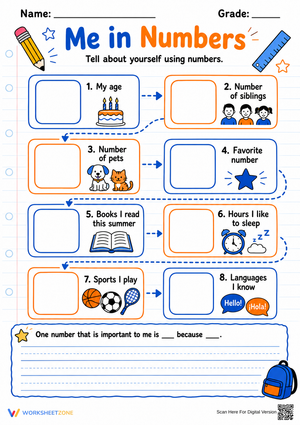
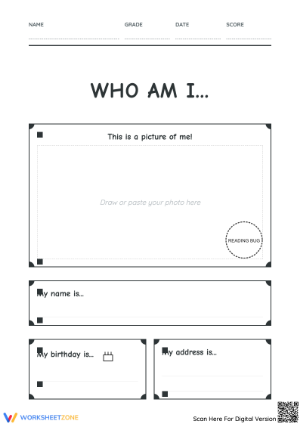
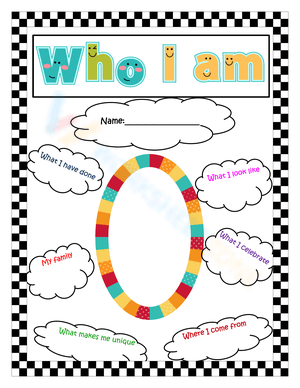
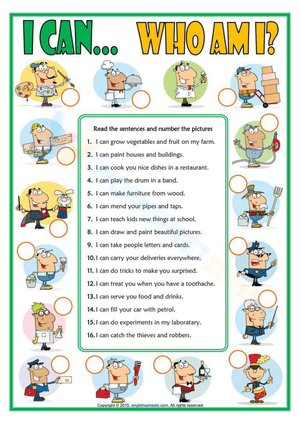
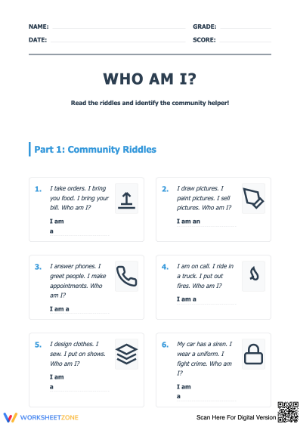
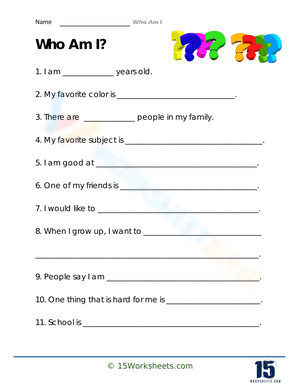
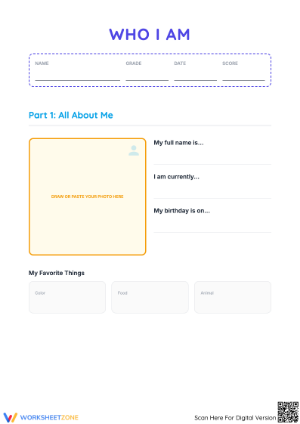
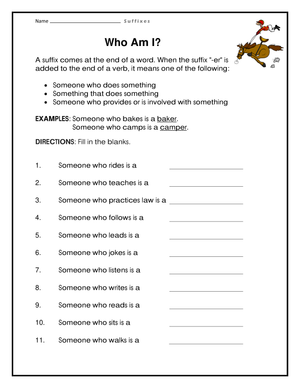
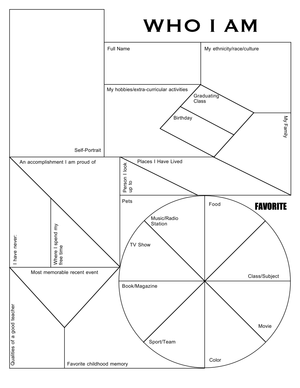
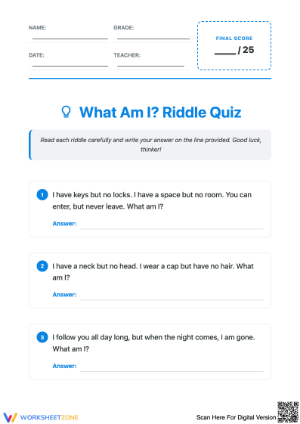
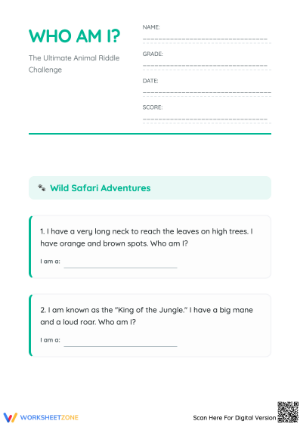
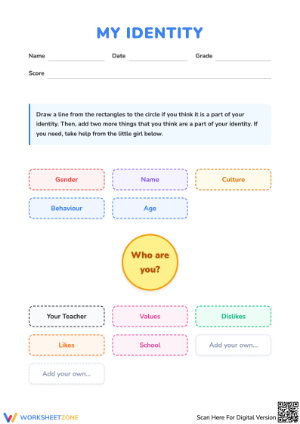
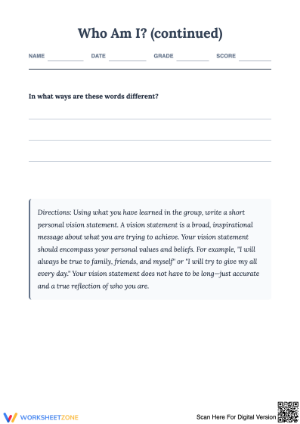
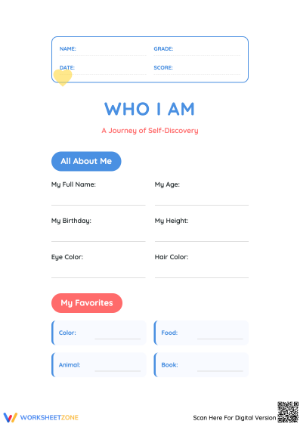
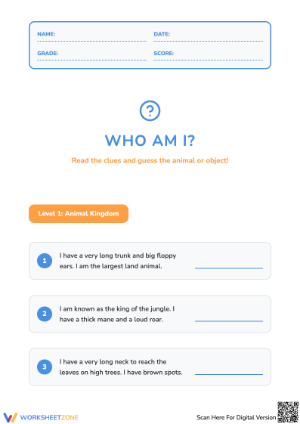
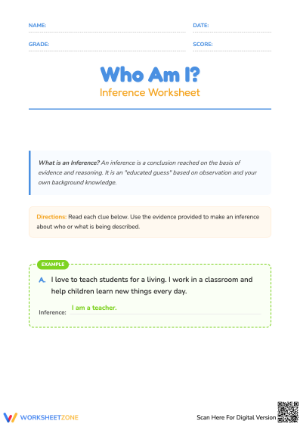
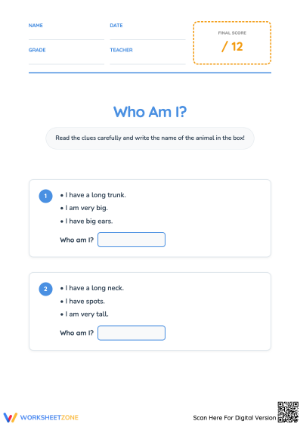
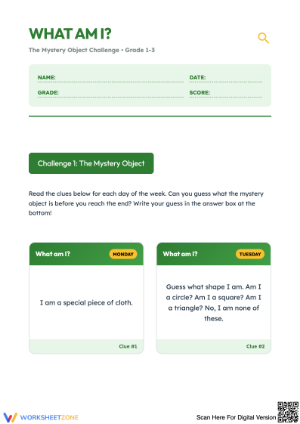
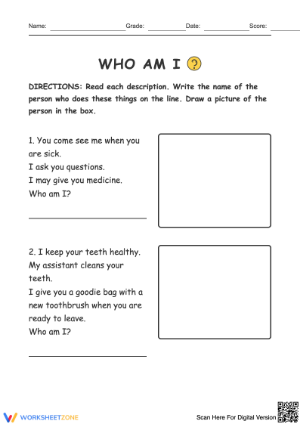
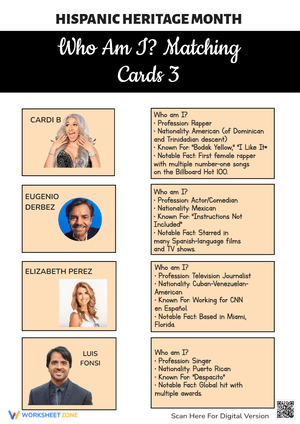
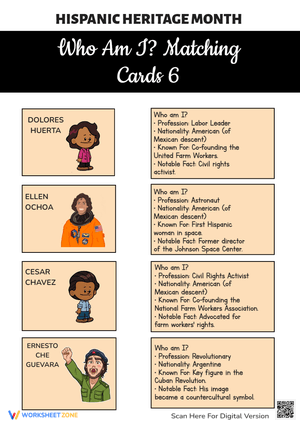
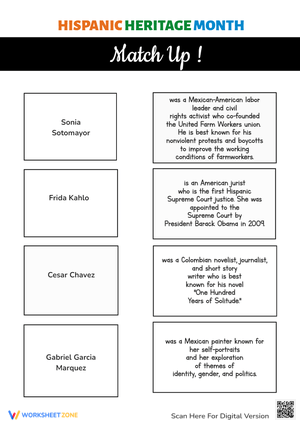
These 2nd grade who am i worksheets give teachers a low-preparation tool for building inference right when that skill matters most — the shift in second grade from decoding individual words to constructing meaning across sentences. Each worksheet presents three or four descriptive clues about a hidden subject, and students read them in sequence, revising their guess as new information arrives. The set covers animals, common objects, community helpers, and seasonal topics, so there is enough variety to use across units without the activity feeling repetitive.
The Specific Skills Each Worksheet Targets
Inference is the headline skill here, but these worksheets do more than ask students to guess. They train the habit of cumulative reading — treating each sentence as a piece of evidence rather than a standalone fact. This is harder than it sounds for a seven-year-old who wants to blurt out "elephant!" after the first clue about a trunk. The actual work is in restraint: reading the second and third clues, checking the first guess against the new information, and adjusting when something doesn't fit.
Beyond inference, each worksheet exercises vocabulary recognition in context. A clue that says "I have a mane" only works if students have enough background knowledge to eliminate non-mammals. That moment of recognition — when a student connects a word to a mental image — is also a vocabulary check. Teachers notice quickly which students have thin conceptual knowledge around specific themes, which is useful diagnostic information before moving into a related science or social studies unit.
- Reading clues in sequence and revising a hypothesis with each new piece of information
- Connecting descriptive vocabulary to prior knowledge about animals, objects, and community roles
- Applying deductive reasoning to eliminate wrong answers before committing to one
- Drawing or writing the final answer with a brief justification
- Writing original riddles using the same clue-then-reveal structure
Reasoning Errors Students Make and What They Reveal
The most predictable mistake is commitment to a first guess. A student reads "I live in the ocean" and writes "fish," then stops reading. When the second clue says "I have eight arms," the student who already wrote down an answer has no reason to revise — not because they lack the knowledge, but because they treated the task as finished. This is why the answer line should come after all the clues, and it is worth explicitly telling students not to write anything until they have read every clue. That single instruction eliminates roughly half of the impulsive-answer errors before they start.
A second pattern shows up with riddles that use negation: "I do not bark" or "I cannot fly." Students in second grade are still developing the ability to use negative information as a filter. They will often read "I cannot fly" and treat it as an unremarkable fact rather than a clue that eliminates birds. Pausing as a class to work through one negation-based clue — "Okay, what does this rule out?" — before students work independently builds the habit fast. After a few sessions, many students start annotating their clues by crossing out eliminated possibilities in the margins without being asked.
Fitting These Worksheets Into the Instructional Day
The 2nd grade who am i worksheets format is well-suited to the gaps in a school day that are easy to waste. Morning meeting transition, the eight minutes before students leave for specials, or the cool-down after an active read-aloud — these are all natural slots. One worksheet takes most students three to five minutes to complete independently, which matches those in-between moments exactly. Resist the urge to assign them as take-home work; the inference conversation that happens when you debrief as a class is where a significant portion of the learning lands, and that is lost when the work goes home unexamined.
For literacy centers, one strong approach is to have students complete the worksheet individually, then compare answers with a partner before the group debrief. The partner discussion surfaces reasoning that would never appear in a written response — "I thought it was a penguin after the second clue, but then the third one said it lives in the jungle, so I changed it." That kind of think-aloud gives teachers real information about who is tracking the logic and who is still treating each clue as a separate, unrelated sentence.
Standard Alignment
These worksheets align most directly with CCSS.ELA-Literacy.RL.2.1 and RI.2.1, which ask students to ask and answer questions such as who, what, where, when, why, and how to demonstrate understanding of key details in a text. The "who am I?" structure is essentially RI.2.1 in action: students identify key details, hold them in working memory, and arrive at a conclusion. They also support RI.2.6 in a secondary way, since understanding the subject of a riddle requires students to consider why the author chose certain clues over others — a first step toward thinking about author perspective and purpose.
For teachers in districts using state-specific standards rather than Common Core, the alignment typically falls within second-grade informational text comprehension and key-detail strands. The deductive reasoning component also maps onto many districts' critical thinking or higher-order learning frameworks, making these a defensible choice when a coach or administrator asks about instructional purpose.
Adjusting the Set for a Wide Range of Second Graders
The difficulty of a riddle is almost entirely a function of vocabulary and clue specificity. For students who are still building foundational comprehension, use riddles where every clue maps directly to a single recognizable feature: "I have four legs. I say meow. I live in houses." There is minimal inference required — the answer is nearly obvious after two clues — but the student still practices the habit of reading all clues before writing. That procedural habit is the real instructional target for this group right now.
For students reading above grade level, give them riddles built around function and relationship rather than physical description: "People use me to tell time. I have a face but no eyes. I have hands but no fingers." These clues require students to think abstractly about what an object does rather than what it looks like. You can also ask advanced students to write a second version of the same riddle using entirely different clues — same answer, but no repeated vocabulary. That constraint forces them to consider a concept from multiple angles, which is a genuinely demanding thinking task. With the 2nd grade who am i worksheets set, assigning different sheets by reading level is straightforward because each worksheet stands alone without any dependency on the others.
Frequently Asked Questions
How many clues should a riddle have for a second grader?
Three to four clues is the range that works best at this age. Fewer than three gives students too little to work with — they guess on instinct rather than logic. More than five tends to overwhelm working memory before they reach the answer line. Four clues is the most reliable structure because the third clue usually narrows the field significantly and the fourth confirms or forces a revision, which mirrors how strong readers use context across a longer passage.
Can these worksheets be used with kindergarten or third-grade students?
With kindergarten students, teacher-read versions work well — the inferential skill is the same, but the reading demand needs to be removed. For third grade, the worksheets are most useful as a quick warm-up or inference review rather than new instruction. At that level, students benefit more from applying inference to longer texts with implied character motivations rather than object-identification riddles. Use them for re-engagement after a break or as a fast-finisher option.
What is the difference between using riddles for inference and using leveled readers for the same skill?
Riddles isolate the inference move. A leveled reader asks students to track characters, setting, sequence, and inference simultaneously. For students who are struggling specifically with combining clues, that load is too high — they cannot tell you which part of the thinking is breaking down. A riddle strips everything else away. The entire text is clues and the entire task is to synthesize them. Once students can do that cleanly on a riddle, moving that same strategy into a leveled reader is easier because they already know what the thinking is supposed to feel like.
Are there ways to support ELL students using these worksheets?
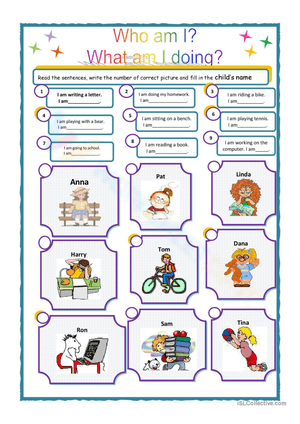
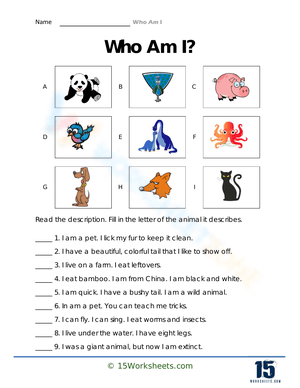
The 2nd grade who am i worksheets format supports ELL students well when answer choices are provided as labeled illustrations rather than blank lines. Seeing four pictures and crossing out options as each clue eliminates them gives students a concrete visual way to track their reasoning without getting stuck on written production. The vocabulary demands are real — a clue that uses "nocturnal" requires pre-teaching — so previewing two or three key content words before independent work prevents the worksheet from becoming a vocabulary test rather than an inference exercise.












 Interactive Worksheet Maker
 Quiz Maker
 Word Search Maker
 Crossword Puzzle Maker
 Word Scramble Generator
 Sentence Scramble Generator
 Handwriting Worksheet Generator
 Name Tracing Generator
 Fill In The Blank Generator