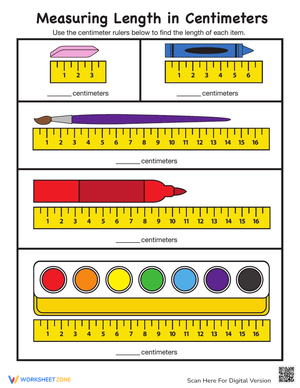
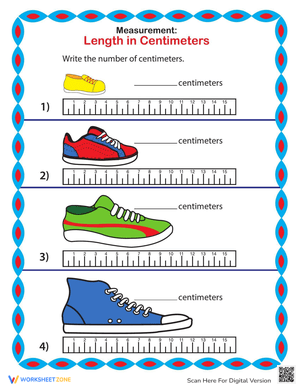
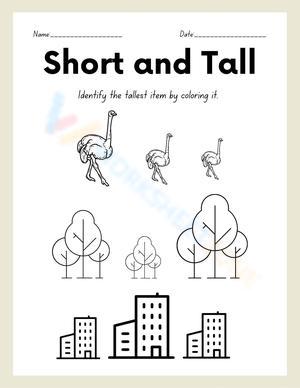
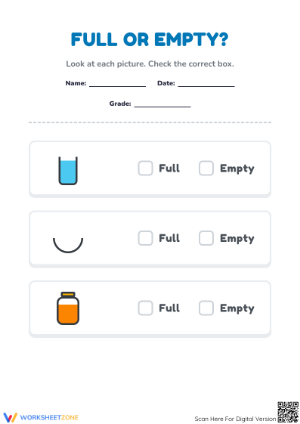
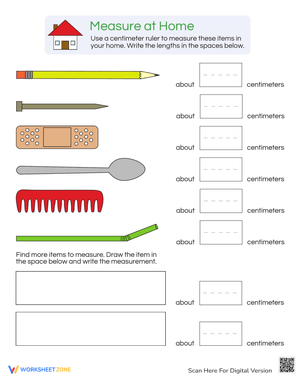
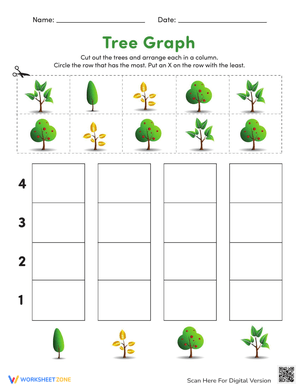
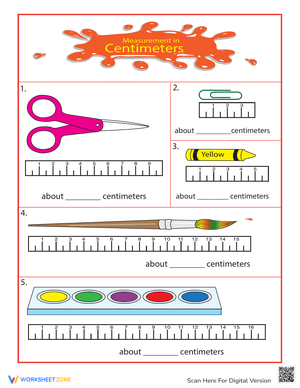
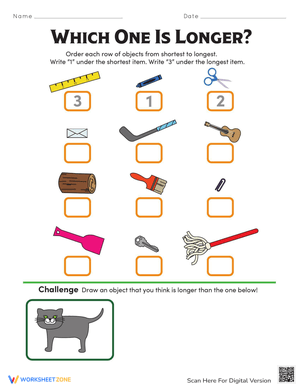
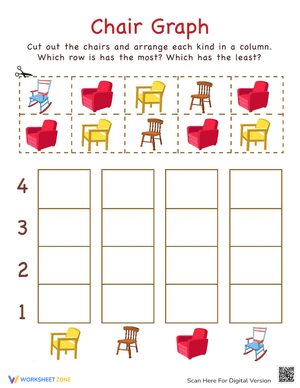
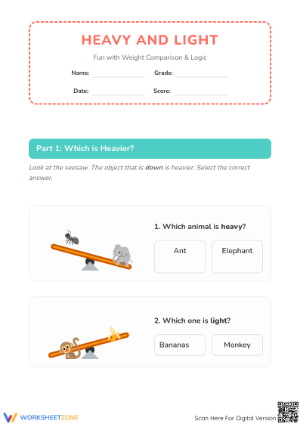
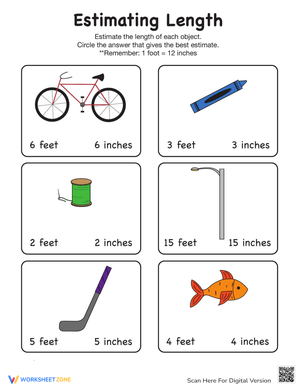
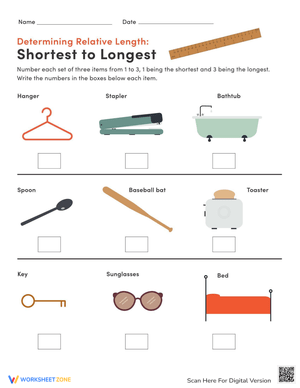
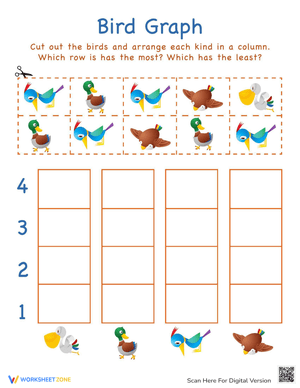
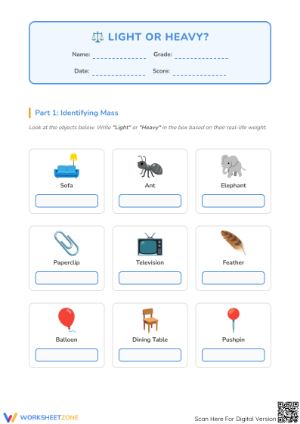
These comparing measurement worksheets for 1st grade give teachers a ready-to-use set of focused practice worksheets built around the comparison language students need before formal measuring tools enter the picture. Each worksheet targets one or more measurable attributes — length, height, weight, or capacity — using picture-based tasks that keep the cognitive work on the comparison itself, not on decoding long directions. The set fits naturally across whole-group instruction, small-group reteaching, and take-home practice without significant setup time.
The Specific Skills Each Worksheet Targets
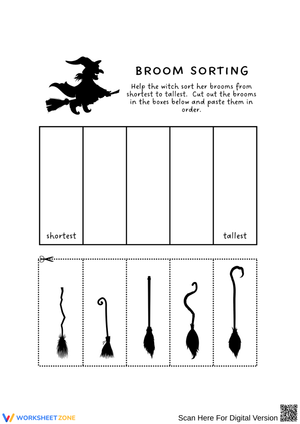
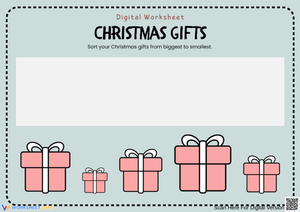
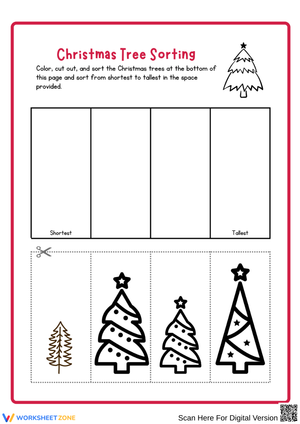
First-grade measurement is rooted in direct comparison — students decide which of two objects is longer, taller, heavier, or holds more before they ever pick up a ruler. These worksheets build that foundation systematically. Each worksheet keeps its focus tight: students circle, mark, or color the object that matches a given comparison word, or they sort picture cards into "longer / shorter" categories. The vocabulary students use throughout — longer, shorter, taller, heavier, lighter, holds more, holds less, equal — appears consistently across the set so students build automaticity with the terms rather than encountering new language on every worksheet.
Specific task types across the set include:
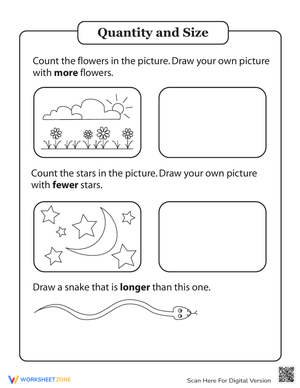
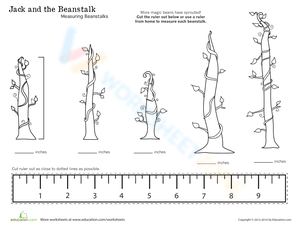
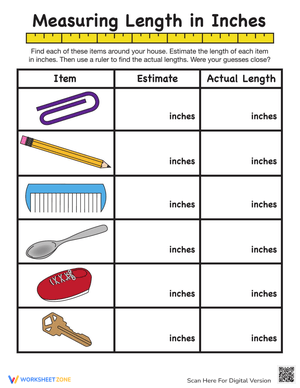
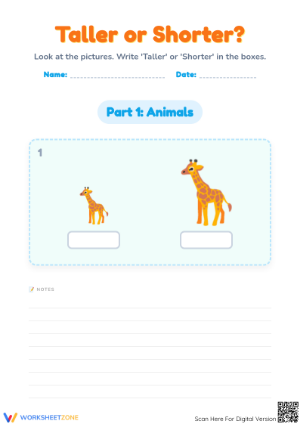
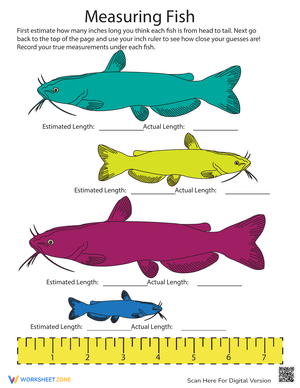
- Circling the longer or shorter object in a side-by-side picture pair
- Marking the taller or shorter item in a lineup of two or three images
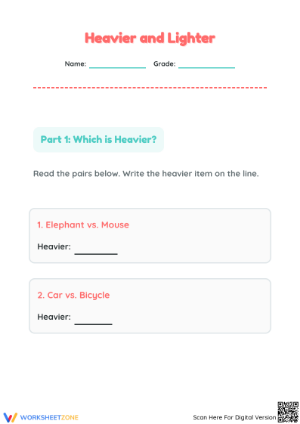
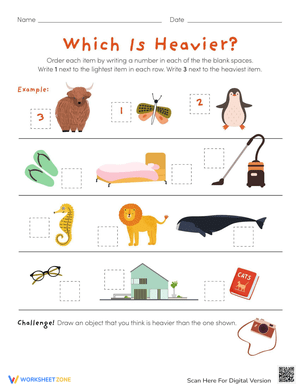
- Choosing the heavier or lighter object using picture context clues — a rock versus a balloon, a watermelon versus a grape
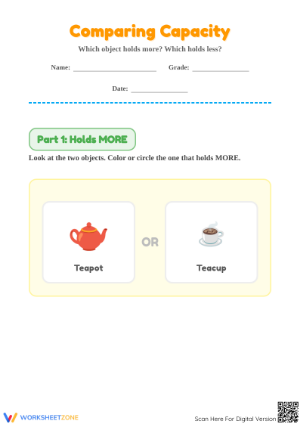
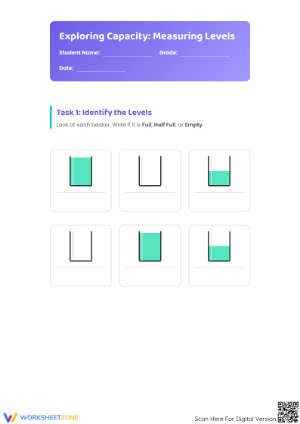
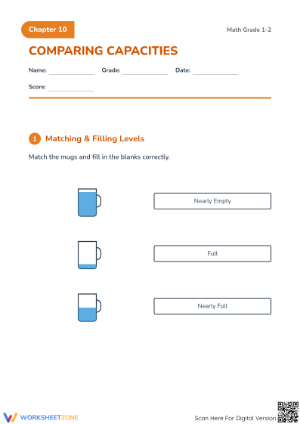
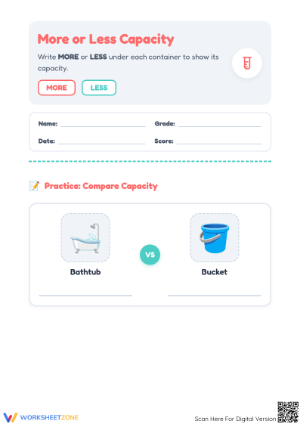
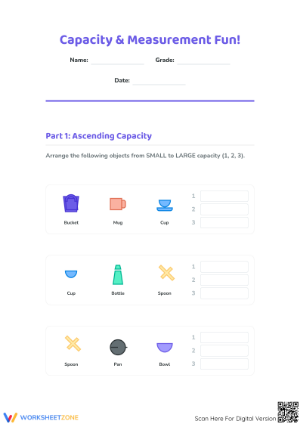
- Identifying which container holds more or less based on size and shape
- Matching objects that are equal in length or height
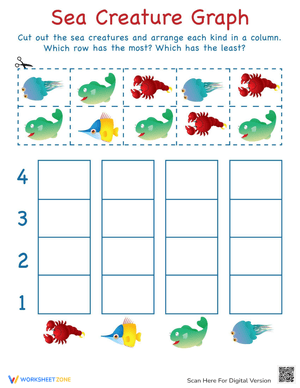
- Mixed-attribute review worksheets that ask students to apply multiple comparison words across different question types on one worksheet
The progression matters. Focused single-attribute worksheets come first; mixed review worksheets follow once students have steady command of each vocabulary term on its own. That sequence reflects the early measurement path most 1st-grade teachers follow and keeps the math at the right developmental pace for this grade level.
Common Student Mistakes Teachers Should Anticipate and Address
The most persistent error in early measurement comparison is the orientation problem with "taller" and "longer." A student who correctly identifies a vertical pencil as "taller than" a crayon will often also call a horizontal pencil "taller" — because they associate the word with the pencil itself, not with its position or direction. When a worksheet shows two objects lying flat and asks which is longer, students who have only heard "tall" applied to standing objects sometimes apply it incorrectly here. Explicitly pairing each term with pictures of objects in varied orientations — a tree standing upright, a snake stretched sideways — helps students attach the vocabulary to the attribute rather than to a single familiar object.
A second predictable confusion is between size and weight. Students presented with a large, puffy pillow next to a small rock frequently circle the pillow as "heavier" because it looks bigger. This is a genuine conceptual gap, not a vocabulary slip — students conflate volume with mass. Worksheets that include deliberate counterexamples, such as a large empty cardboard box next to a small bag of coins, push students to reason past visual bulk. A worksheet that only pairs objects where the bigger item is also the heavier one reinforces the misunderstanding without ever surfacing it for correction.
How to Build These Worksheets Into Your Lesson Plans
These worksheets produce better results when they follow hands-on comparison rather than replace it. Handing students a "circle the longer one" worksheet before they have physically lined up two pencils or two books tends to produce guessing, not reasoning. The most effective sequence is: brief hands-on comparison with real objects, then immediate transition to the corresponding worksheet as the recording step. That ten-minute window right after whole-group modeling — when students still have the objects mentally in view — is when the paper task sticks most reliably.
- Monday opener: use a focused single-attribute worksheet as morning work to reactivate vocabulary from the previous week before introducing a new attribute
- Mid-week practice: assign a worksheet immediately after guided comparison with classroom objects — pencils, glue sticks, water bottles, lunch boxes
- Math center: pair the worksheet with physical objects so students can check their picture-based answers against a real comparison before they circle
- End-of-unit review: use a mixed-attribute worksheet as a pre-quiz check to see which comparison terms students are still conflating
- Exit check: a worksheet with six to eight items in the last eight minutes of math block gives a fast, gradeable snapshot without eating into instructional time
One practical detail that pays off consistently: keep the language on the worksheet identical to the language on your anchor chart and in your verbal modeling. If you say "Which cup holds more?" during the lesson, the worksheet should ask the same question — not "Which container has greater capacity?" First graders who hear one phrase and read another spend their working memory reconciling the mismatch instead of applying measurement reasoning. When the comparing measurement worksheets for 1st grade you select use phrasing that mirrors your instruction exactly, student accuracy on independent work improves noticeably.
Standard Alignment
The primary standard addressed across the length and height worksheets is CCSS 1.MD.A.1, which requires students to order three objects by length and compare the lengths of two objects indirectly by using a third object. Most worksheets in this set address the direct-comparison strand — students see two objects and choose which is longer or taller. The indirect-comparison tasks, where a third object serves as a go-between, appear in later worksheets in the set after students have demonstrated reliable control of direct comparison language.
Weight and capacity worksheets extend concepts first introduced in Kindergarten under K.MD.A.1 (describing measurable attributes of objects) and K.MD.A.2 (comparing two objects with a measurable attribute in common). In most 1st-grade classrooms, these worksheets serve as consolidation rather than introduction — teachers use them to confirm that students retained K-level vocabulary and can apply it to unfamiliar picture pairs. That placement distinction matters: length worksheets typically belong early in a new measurement unit, while weight and capacity worksheets work well as warm-up review before students move into nonstandard length measurement with cubes and paper clips.
Adjusting the Worksheets for a Range of Learners
For students who are still building measurement vocabulary, single-attribute worksheets with large, unambiguous picture differences are the right entry point. A worksheet showing a school bus next to a pencil asks students to apply the word "longer" without any perceptual ambiguity — the size gap is obvious enough that the task isolates vocabulary rather than visual reasoning. Word banks printed directly on the worksheet remove one more barrier for students who understand the concept but cannot yet retrieve the comparison term independently during timed independent work.
For students who have the vocabulary firmly under control, the more demanding task is explaining the comparison rather than just marking it. Asking a student to write one sentence — "The pencil is shorter because it does not reach as far as the marker" — or to draw a third object that would be even shorter pushes toward the conceptual depth that 1.MD.A.1 ultimately requires. Mixed-attribute worksheets also raise the demand meaningfully, requiring students to shift their focus from length to weight to capacity across a single worksheet without a teacher re-cuing each transition.
One honest limitation worth knowing: students who process visual information slowly sometimes find mixed-attribute worksheets frustrating — not because the math is too difficult, but because scanning between different picture types adds visual load without adding measurement depth. For those students, completing each attribute section of a mixed worksheet separately, with a short pause between, produces better work than treating the whole worksheet as one uninterrupted task. When you are selecting comparing measurement worksheets for 1st grade, look for sets where mixed worksheets have clear visual breaks between attribute sections — a bold attribute label, a shaded divider row, or a ruled line — so that adjustment is easy to implement without marking up the original.
Frequently Asked Questions
When in a measurement unit do these worksheets fit best?
Focused single-attribute worksheets belong in the early days of instruction, right after students have compared real classroom objects and heard the relevant vocabulary multiple times. Mixed-attribute review worksheets belong closer to the end of a unit, when students are consolidating multiple terms. Placing a mixed worksheet too early — before students have solid control of each term individually — creates confusion that looks like a measurement gap but is actually a vocabulary sequencing problem.
My students keep circling the bigger object rather than the heavier one. What helps?
This is the size-weight confusion described above, and it rarely resolves through worksheets alone. The most effective fix is hands-on counterexample work: let students hold a large empty box in one hand and a small bag of sand in the other before they look at any pictures. Once they have physical evidence that big does not equal heavy, worksheet tasks with deliberate counterexamples reinforce the distinction rather than sliding past it. A worksheet that only pairs "big = heavy" objects actively deepens the misconception.
Can I use these worksheets as a formal grade?
Worksheets with six to ten focused items work well as informal assessments — they give clear data on which comparison terms a student applies independently and which still need reteaching. For a formal grade, treat the set as formative rather than summative, since picture interpretation adds a visual variable that can mask a student's actual measurement understanding. A stronger summative check pairs the worksheet data with a brief oral question: ask students to explain one answer aloud, and you will quickly see whether their circled responses reflect genuine reasoning or visual guessing.
Do these worksheets include answer keys?
Each worksheet in the set includes an answer key — and this matters more than it might seem at first. Substitute teachers, parent volunteers running math centers, and paraprofessionals all need confirmation of the correct answer, particularly on close-call picture pairs where two objects are nearly the same size. An answer key also signals whether the publisher made deliberate, unambiguous choices in image selection. If a worksheet is ambiguous enough that the answer is debatable, it should not be in the set. When evaluating comparing measurement worksheets for 1st grade, check whether the answer key is included before purchasing — sets without one create unnecessary friction across every adult who uses them in your room.













 Interactive Worksheet Maker
 Quiz Maker
 Word Search Maker
 Crossword Puzzle Maker
 Word Scramble Generator
 Sentence Scramble Generator
 Handwriting Worksheet Generator
 Name Tracing Generator
 Fill In The Blank Generator