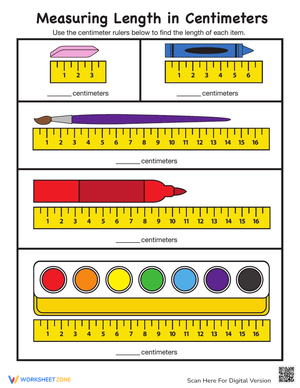
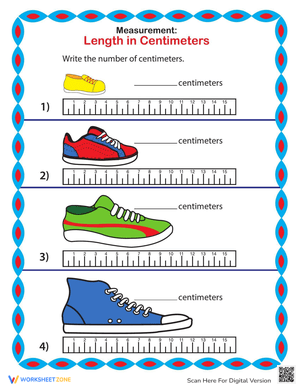
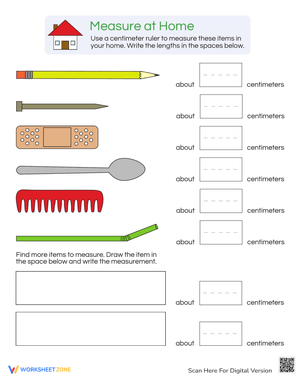
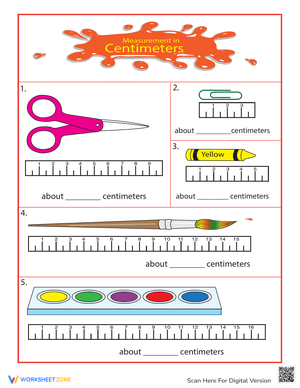
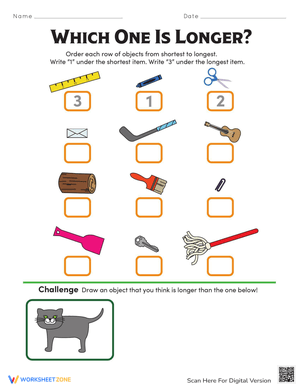
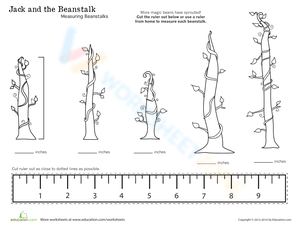
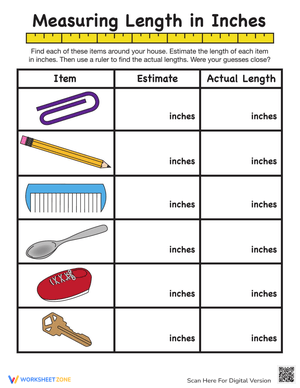
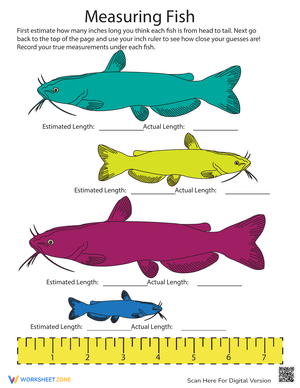
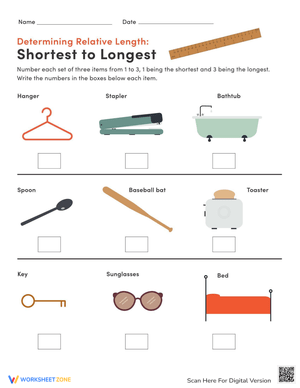
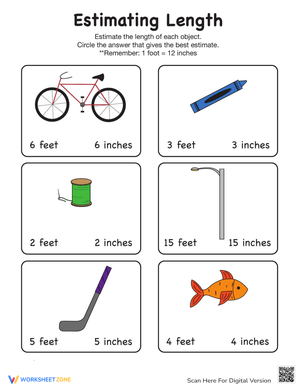
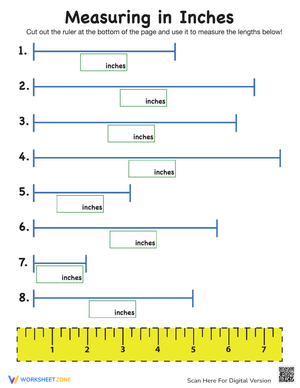
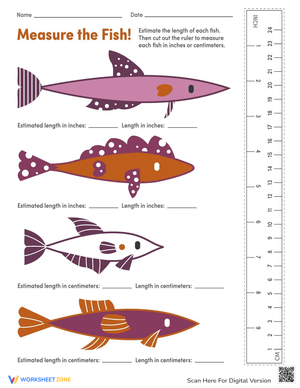
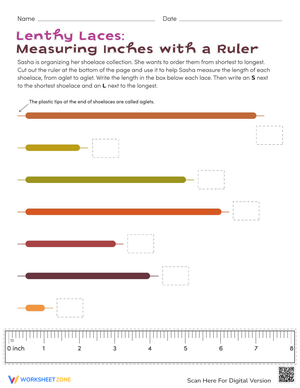
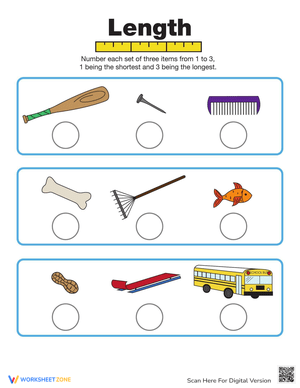
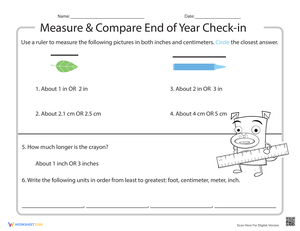
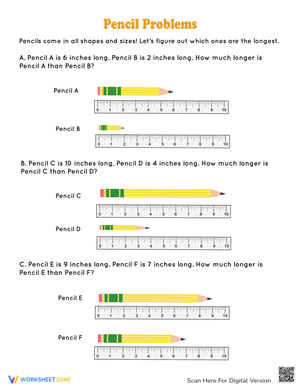
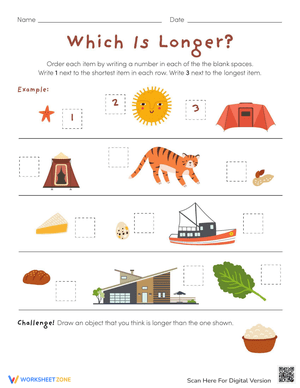
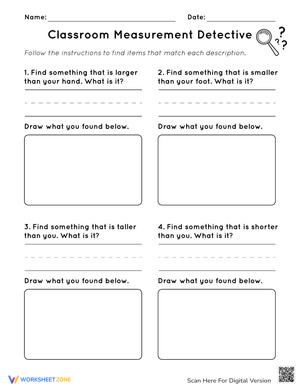
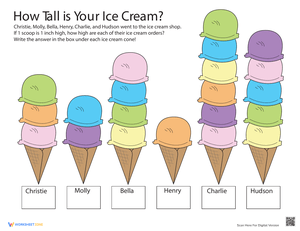
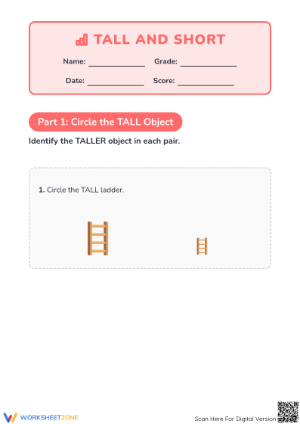
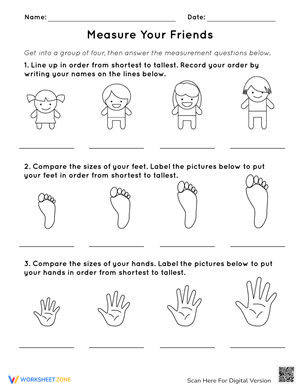
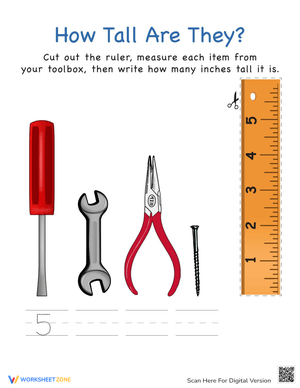
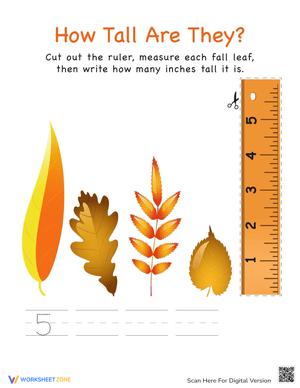
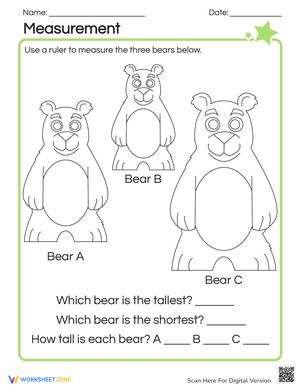
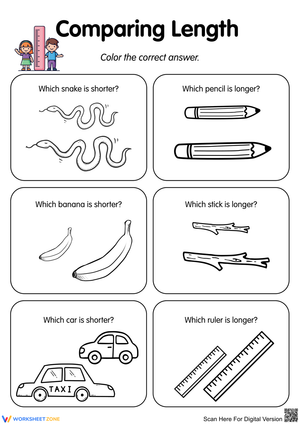
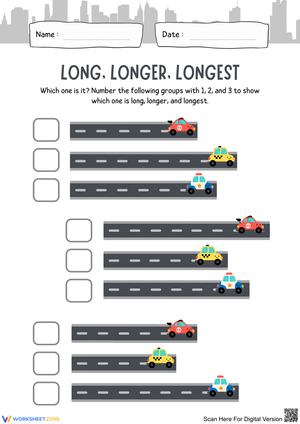
Comparing length worksheets give students repeated, low-stakes reps with vocabulary like longer, longest, shorter, and shortest while they look at pencils, ribbons, crayons, or paper strips drawn to scale. Used well, these pages are not busywork. They are the bridge between the hands-on comparisons students did in kindergarten and the standard-unit measuring they will do later in 1.MD.A.2.
What CCSS 1.MD.A.1 Actually Requires and Its Relationship With Comparing Length In Grade 1
Grade 1 students need to do two distinct things under this standard. First, order three objects by length, which means students place a short, medium, and long object in sequence rather than just picking the longest of two. Second, compare two objects indirectly using a third object as a go-between, for example determining whether a desk is longer than a bookshelf by using a piece of string to transfer the length from one to the other.
This standard builds directly on the kindergarten expectation that students describe measurable attributes of objects, such as length, weight, and height, in general terms. Teachers moving from kindergarten to grade 1 curriculum should expect students to already have language for longer and shorter; the new lift in grade 1 is transferring that comparison indirectly through a third object, which is a genuine leap in reasoning, not just vocabulary review.
Using Comparing Length Worksheets for Small Group Intervention
For students who still mix up longer and shorter, or who order objects inconsistently, comparing length worksheets are ideal small-group tools because they isolate one skill at a time. Pull a group during your intervention block and use a worksheet with just two objects before introducing the three-object ordering task. Watch for students who default to counting boxes or squares rather than comparing actual length, since this often signals confusion between length and area that needs to be addressed before moving forward.
Pair the worksheet with physical objects whenever the group is small enough to manage it. Having students physically line up pencils or blocks next to their worksheet page reinforces that the paper task represents something real, not an abstract exercise.
Classroom Implementation
Build a short cycle: introduce vocabulary with a picture book or object sort, move to guided hands-on comparison, then assign the matching worksheet as independent or partner practice. Reserve five minutes at the end of the lesson to have two or three students share how they used a third object to compare lengths indirectly, since verbalizing this strategy strengthens it for the whole class.
Keep a small basket of comparison tools, such as string, paper strips, and connecting cubes, at a math center so students can self-check their worksheet answers physically before turning them in. This habit reduces reliance on memorized answers and keeps the focus on genuine measurement reasoning.
Frequently Asked Questions
1. What CCSS standard do grade 1 comparing length worksheets align to
These worksheets align to CCSS.Math.Content.1.MD.A.1, which requires grade 1 students to order three objects by length and compare the lengths of two objects indirectly using a third object.
2. How many objects should grade 1 students be able to order by length
Under 1.MD.A.1, students should be able to order at least three objects by length, moving beyond simple two-object comparisons.
3. What is indirect comparison of length and why does it matter in grade 1
Indirect comparison means using a third object, such as a string or paper strip, to compare the lengths of two objects that cannot be placed side by side. It matters because it builds the reasoning students later apply when measuring with standard units.
4. How can teachers use these worksheets for small group intervention
Teachers can isolate the ordering and indirect comparison subskills separately, pairing worksheets with physical objects so students who struggle with vocabulary or reasoning get extra hands-on repetition in a small setting.
5. How does comparing length lead into measuring length with units in grade 1
Comparing length lays the conceptual groundwork of 1.MD.A.1 before students move to 1.MD.A.2, where they measure length using whole-number units, applying the same understanding of length as a transferable, comparable attribute.













 Interactive Worksheet Maker
 Quiz Maker
 Word Search Maker
 Crossword Puzzle Maker
 Word Scramble Generator
 Sentence Scramble Generator
 Handwriting Worksheet Generator
 Name Tracing Generator
 Fill In The Blank Generator