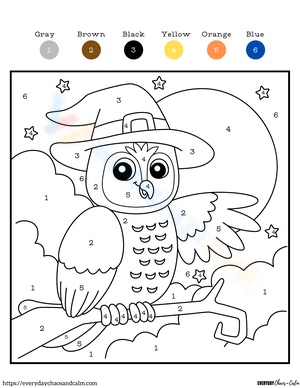
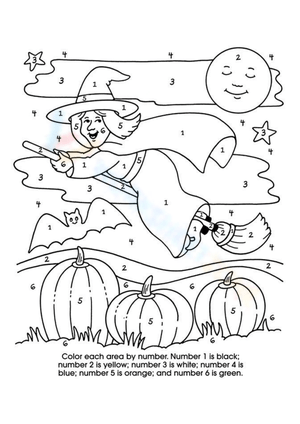
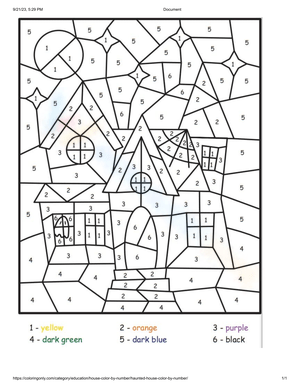
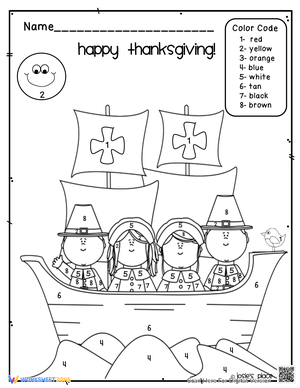
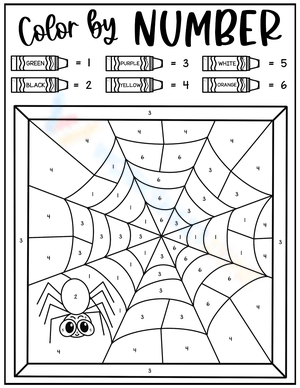
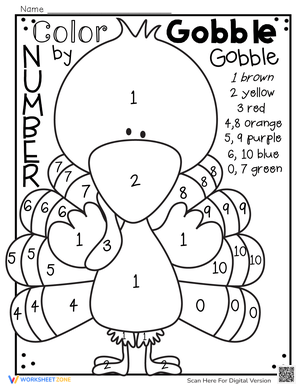
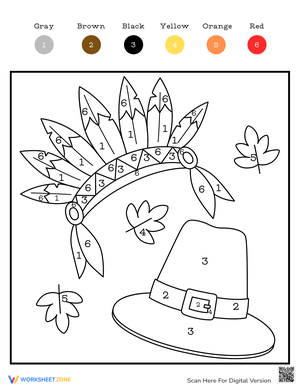
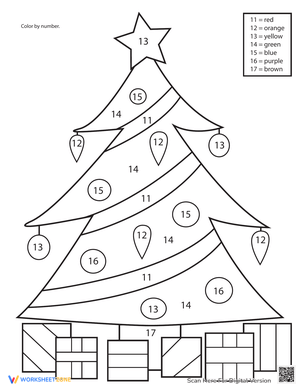
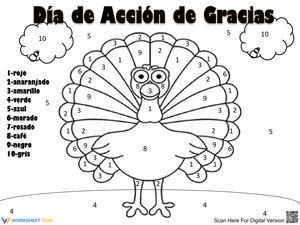
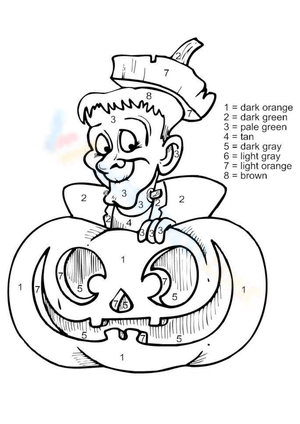
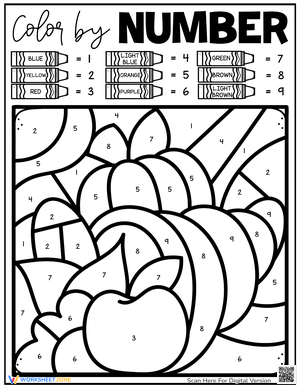
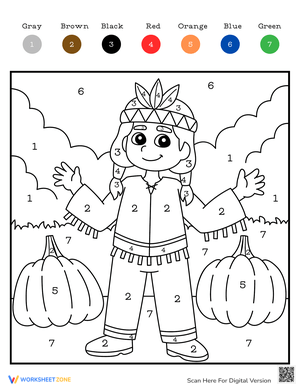
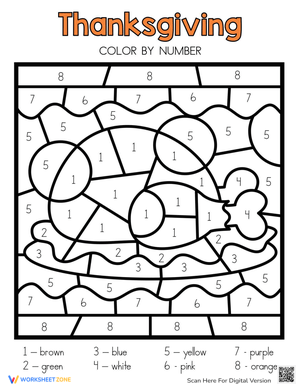
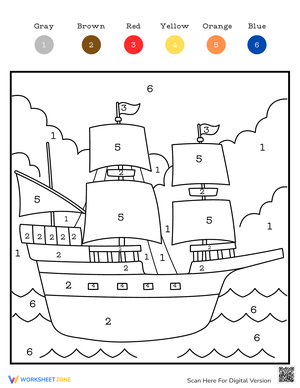
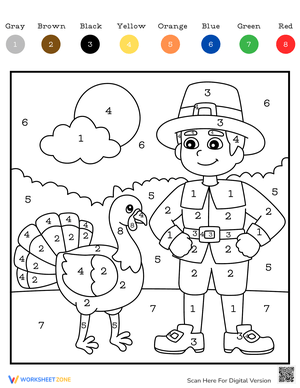
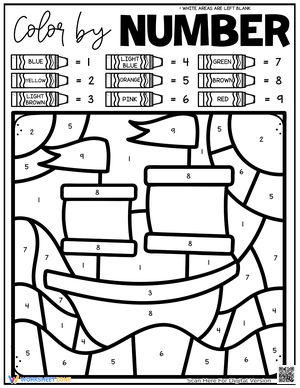
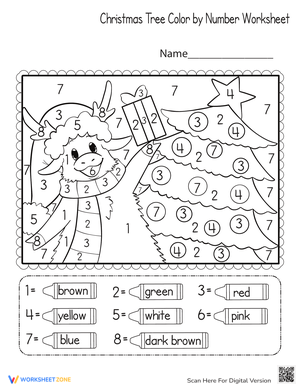
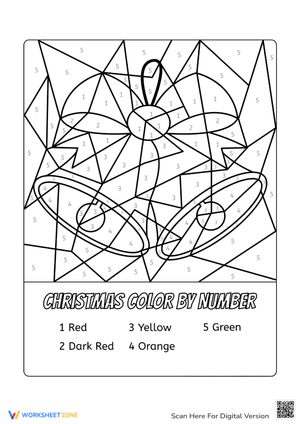
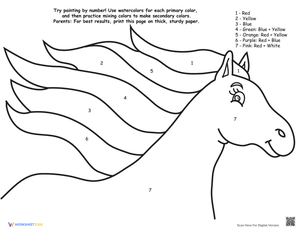
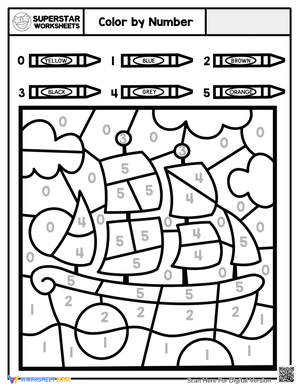
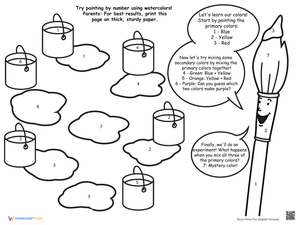
1st grade color by numbers printable worksheets give teachers a low-prep way to keep number recognition practice running during the moments that resist direct instruction — morning arrival, math centers, the ten minutes before specials. Students read a color key, locate matching numerals inside a picture, and fill in each section, which means they're practicing number identification repeatedly across a single task without it feeling like rote drill.
The Specific Skills Each Worksheet Builds
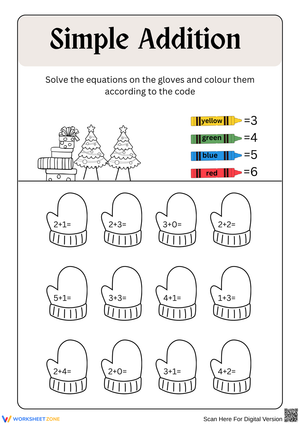
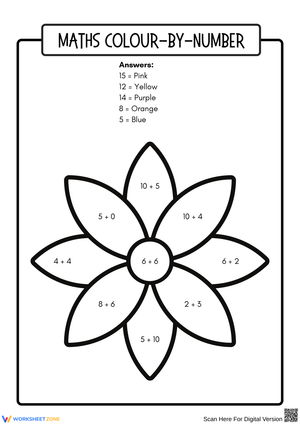
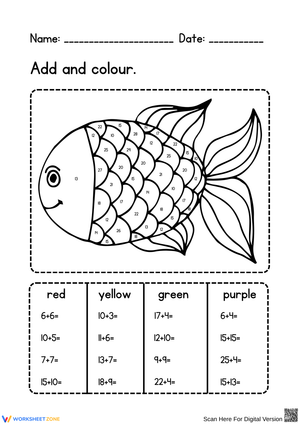
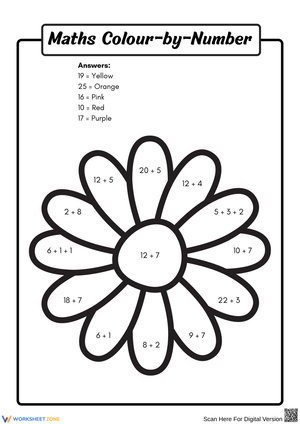
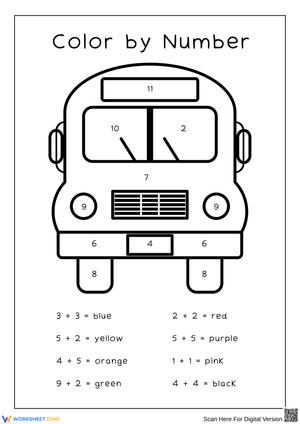
The primary skill is numeral recognition — seeing a printed digit and naming it quickly and accurately. At the start of first grade, many students recognize numbers in a familiar sequence but stall when they encounter a numeral out of context. Color by number removes the sequence and asks students to locate, say, a 7 anywhere on the page, which trains flexible recognition rather than counting-up from one. Secondary skills depend on the design of each worksheet: some include simple addition or subtraction equations as the key values, while others stay with single digits for students who need more time with numeral-to-symbol matching.
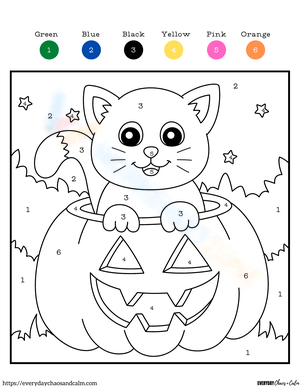
- Numeral recognition and matching: Students scan the key, identify the number, and locate matching sections — a form of repeated retrieval practice embedded in a task that doesn't look like drilling.
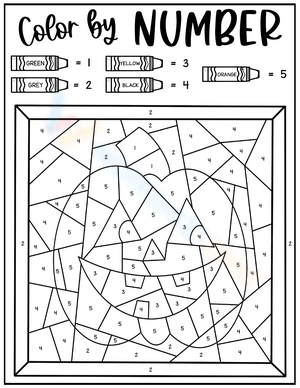
- Careful visual tracking: A page with multiple sections requires students to check the key deliberately, every time, rather than guessing from context.
- Fine motor stamina: Coloring inside clearly bounded shapes builds pencil control without demanding writing, which is still effortful for many first graders.
- Independent task completion: The finished picture gives students a natural endpoint they can see and feel — which matters for building work stamina in early elementary.
Common Errors Worth Watching for and Correcting
The most frequent mistake is key misreading, not number ignorance. A student who can write 6 and 9 correctly in isolation will sometimes color a 6-section with the color assigned to 9 because those numerals look similar in a small printed key. The same confusion appears with 2 and 5, particularly when the key font isn't crisp. When a student's finished picture has color patches that look visually off — a wing that should be red coming out orange, an animal that looks patchy and mismatched — that's a number-reading error worth investigating, not a coloring problem, and it points to which specific numerals still need more identification work.
A second pattern: students who finish suspiciously fast have often copied from a neighbor rather than worked the key themselves. A five-second proof question — Point to a green section and tell me which number it matched — reveals whether the student did the matching or outsourced it. A 30-second partner check at the end, where two students each point to three sections and name the matching number aloud, addresses this while also giving both kids a brief verbal retrieval moment without any additional prep.
Fitting These Worksheets Into Your Math Block
The places 1st grade color by numbers printable worksheets consistently earn their keep: Monday morning work during arrival (one worksheet per student settles the room while attendance gets taken), math center rotations where the worksheet lives in a labeled bin with crayons, and substitute plans where the format is self-explanatory and needs no whiteboard instruction. Early finisher tubs are another natural fit — students who wrap up a core task early get a page that still connects to current counting work rather than an unrelated filler activity.
Before handing out any worksheet, state the math goal in one sentence: We're practicing finding numbers without counting up from one. That framing shifts the activity from coloring time to intentional math practice in students' minds, and it gives you something specific to look for when you circulate. After collecting finished pages, a quick sort — fully accurate, minor key-reading errors, frequent numeral confusions — takes two minutes and informs the next day's small-group pulls.
Why This Format Works for Early Number Sense
The motivating pull of completing a picture is more pedagogically useful than it looks. First graders who resist a row of isolated number-recognition tasks will often stay with a color-by-number page for its full duration because the unfinished image creates a low-stakes drive to complete it. That extended time-on-task is exactly what automaticity building requires: students need many exposures to a numeral before recognition becomes instant, and this format quietly delivers those exposures inside a task that doesn't feel like drilling. Cognitive load stays low because the coloring mechanic is already familiar, freeing attention for the numeral-matching work itself.
There's also a built-in self-check most practice formats lack. If a student colors a section incorrectly, the finished image looks wrong — a sky that should be blue comes out purple, an animal that looks patchy and mismatched. That visual mismatch often prompts students to go back and recheck the key without any teacher prompt, which is a small but real moment of self-monitoring and error correction happening independently.
Standard Alignment
These worksheets connect most directly to CCSS.MATH.CONTENT.1.NBT.A.1, which expects first graders to count to 120 and read and write numerals within that range. In classroom terms, this standard marks the shift from sequential counting to flexible numeral recognition — students are expected to identify a printed number without needing to count up to reach it. Color-by-number pages address exactly that shift: the key is not ordered sequentially, and students must locate numerals in whatever position they appear. The connection to K.CC.A.3 (write and identify numbers 0–20) is also relevant for students still consolidating kindergarten-level recognition at the start of first grade.
Adjusting the Worksheets for a Range of Learners
For students still building confidence with single digits, choose worksheets with a number range of 1–5, large coloring sections, and a key printed in a clean, large font. Fewer decisions per page produces more successful completions, and successful completions are what build the habit of checking a key carefully. Pre-highlighting the number key helps too — those students spend less time finding where to look and more time on the actual matching work.
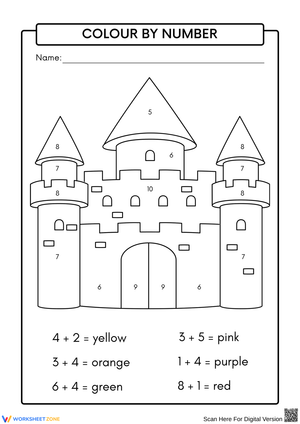
Students ready for more challenge benefit from worksheets where the key values are simple addition facts (3 + 2 = ___, answer determines the color) rather than single numerals. The coloring task stays familiar, but the entry point shifts toward computation. A fast extension for students who finish accurately: "Circle the number you colored the most sections with. Write that number on the back and draw that many dots." That adds a counting-set check in under two minutes with no extra prep.
Frequently Asked Questions
How many crayons do students need, and does color choice matter?
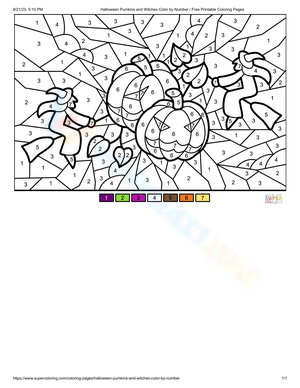
Most worksheets in this format use 4–8 colors, so a basic 8-pack covers every page. Keep color sets consistent — same crayon order, same desk placement — so students spend their attention on reading the key rather than hunting for a crayon. If a key calls for a color that's hard to see on white paper (light yellow, for example), swap it for something more visible and note the change on the board before students begin.
Can finished pages serve as an assessment?
Yes, when used deliberately. A finished worksheet shows whether a student matched numbers accurately and completely — observable evidence of numeral recognition at the level of independent practice. Sorting finished pages into three rough groups (fully accurate, minor key-reading errors, frequent numeral confusions) gives enough information to plan small-group work the following day. These pages are better suited to formative snapshot use than summative grading.
How do these worksheets run as an independent center without constant management?
Running 1st grade color by numbers printable worksheets as a self-sustaining center requires one modeled whole-class round before the center opens. Students need to see where worksheets live, where crayons stay, what a finished page looks like, and how to place completed work. After one modeled session, most classes can operate the center without intervention. A laminated direction card showing the key and a sample completed section keeps the routine visible for students who forget steps mid-rotation.
Do these pages work for kindergarten or second grade?
Kindergarten students move through 1st grade color by numbers printable worksheets successfully when the number range stops at 5 or 10 and the coloring sections are large. Second grade versions typically introduce two-digit numbers or simple equations as key values. The format carries cleanly across grades; the number range is what determines the appropriate level. In a multi-grade classroom, handing out different worksheets from the same set during the same block keeps the routine identical while the math difficulty adjusts for each student.













 Interactive Worksheet Maker
 Quiz Maker
 Word Search Maker
 Crossword Puzzle Maker
 Word Scramble Generator
 Sentence Scramble Generator
 Handwriting Worksheet Generator
 Name Tracing Generator
 Fill In The Blank Generator