1st grade concepts of print printable worksheets give teachers a structured entry point into one of early literacy's most underestimated instructional areas: the mechanics of how a page actually works. Students who cannot reliably track from line to line, identify where a sentence ends, or distinguish a word from a letter will struggle with decoding even after phonics instruction clicks. These worksheets address those mechanics directly, one skill at a time.
What Students Learn to Do With Print
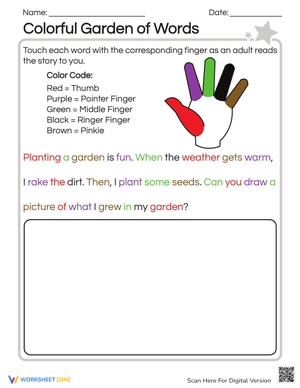
The skills targeted in this set fall into three areas that build on each other in sequence. Directionality comes first — students practice left-to-right tracking, line-by-line movement, and the return sweep: the eye motion that carries a reader from the end of one line back to the left margin of the next. Many students who read individual words fluently in isolation still lose their place mid-page because the return sweep was never made automatic.
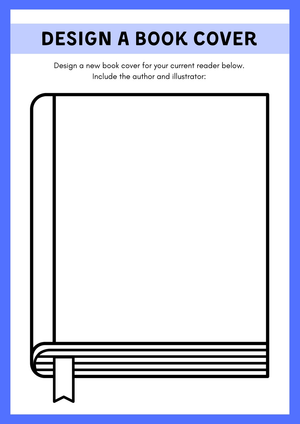
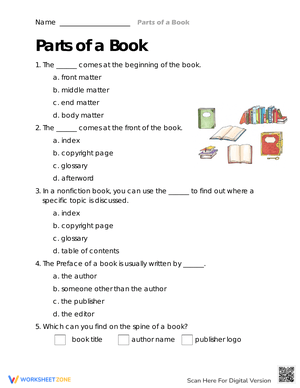
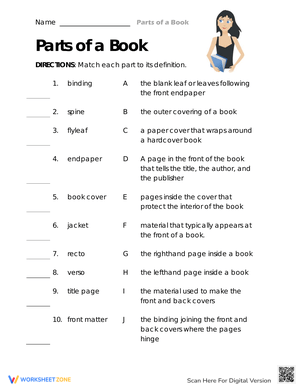
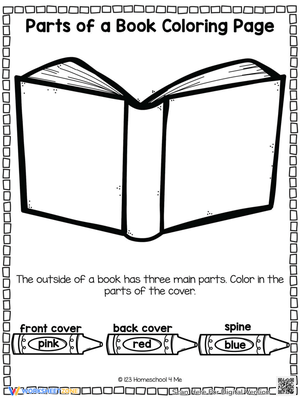
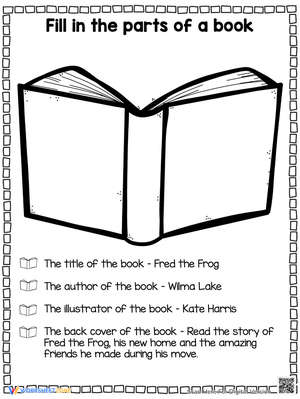
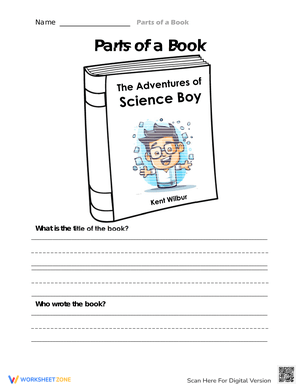
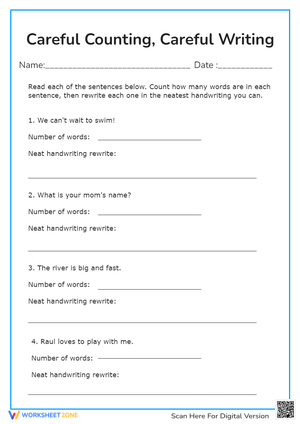
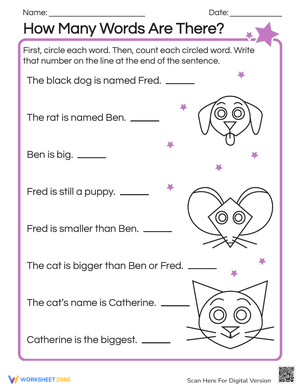
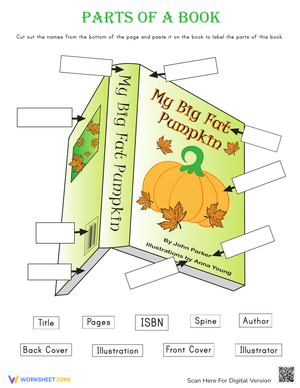
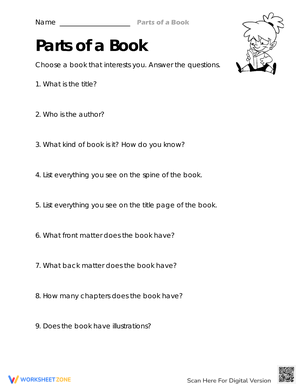
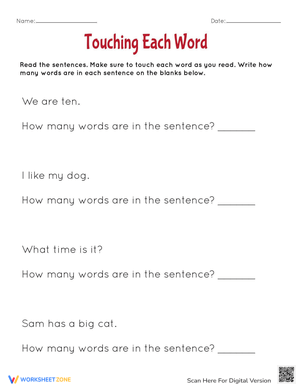
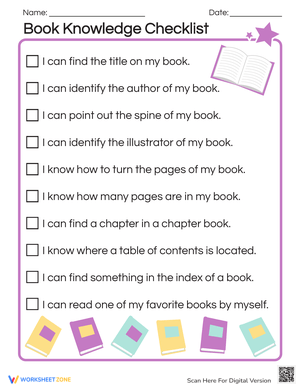
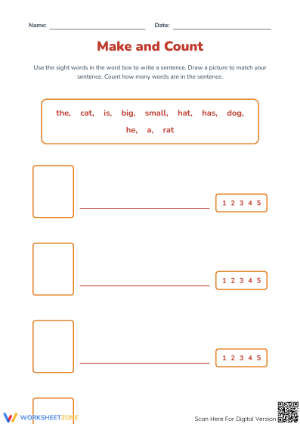
Word boundaries form the second area, where students mark individual words within sentences, count words per line, and learn to use the white space between words as a navigational cue rather than background noise. The third area covers book anatomy: locating the title, distinguishing the author from the illustrator, and identifying the front cover, back cover, and spine. Across the 1st grade concepts of print printable worksheets in this set, each one targets a single skill in depth rather than surveying all three areas at once.
Where Students Consistently Go Wrong With Print
The return sweep error is the one most teachers underestimate at the start of the year. A student reading aloud will finish a line correctly, then restart the same line from the right side rather than dropping to the left margin of the next. They have learned left-to-right movement but not the directional reset that comes with it. Worksheets with path-tracing exercises make this spatial move visible before it becomes an entrenched oral reading habit.
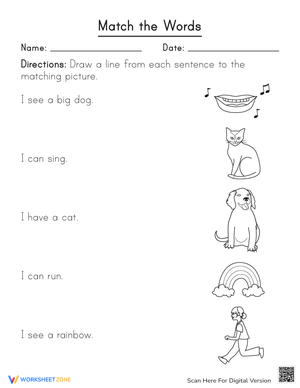
Word-boundary confusion shows up in a specific pattern: students who circle letters correctly in isolation will circle a two-letter word like it or on as if it were a single letter. They haven't internalized that word length is variable — a word can be one character or seven. Another predictable error appears in book anatomy tasks: students reliably confuse author and illustrator labels when the same person performed both roles. That tells you the concept of distinct book-making jobs hasn't landed yet, not that they couldn't read the words on the page. Each error type calls for a different instructional response, and the worksheet tasks surface which students need which response.
Where These Worksheets Fit in the Literacy Block
The most productive placement for 1st grade concepts of print printable worksheets is the first ten minutes of the literacy block during the opening six weeks of school, while whole-group shared reading is still establishing norms. Running one worksheet as a warm-up before a read-aloud primes students to attend to print features during the book — they look for the return sweep, notice punctuation marks, and try to count words on a line. That transfer from worksheet to actual text is the instructional payoff.
After that initial window, the worksheets shift into targeted small-group use. Students who master directionality early don't need more tracking practice; students still merging words together do. Pulling three or four students for a ten-minute table session during independent reading time — with a word-boundary worksheet as the shared task — lets you address the gap without disrupting whole-class pacing. Your observations during that session give you the next instructional move.
Pacing and Adapting the Worksheets for Different Starting Points
Students with strong pre-K book exposure often arrive in 1st grade already knowing front-from-back and author-from-illustrator. For those students, the book anatomy worksheets work best as quick-mastery checks rather than extended practice — complete, discuss, move on. The directionality and word-boundary worksheets still carry value for them, but as a bridge into early decoding work rather than a standalone goal.
For students who had limited print exposure before kindergarten, the tracking worksheets need more concrete physical support alongside them: a finger placed under each word, a bookmark used as a line guide, or a highlighter marking every space between words before the student begins reading. The worksheet task itself doesn't change, but slowing down the physical interaction with the page gives the concept time to attach. Students at this end of the range often need the same worksheet format revisited across several weeks before the skill moves off the page and into independent reading.
Standard Alignment
These worksheets address CCSS.ELA-Literacy.RF.1.1, the foundational skills standard requiring first-grade students to demonstrate understanding of the organization and basic features of print. Specifically, RF.1.1a targets the distinguishing features of a sentence — first-word capitalization and ending punctuation — which is where teachers most often find mid-year gaps. A student can identify a period correctly on a worksheet in September but stop noticing it during oral reading by November because it was practiced in isolation and never transferred to running text. Using 1st grade concepts of print printable worksheets at intervals across the fall and winter, rather than only in a single introductory unit, keeps these features in students' working attention long enough to become automatic.
Frequently Asked Questions
How is print awareness different from phonics, and should I teach both at the same time?
Print awareness is about the physical organization of text — where reading starts, how lines sequence, what constitutes a word on a page. Phonics is about the sound-symbol relationship inside those words. They support each other but target different problems. A student can have solid letter-sound knowledge and still lose their place mid-line because the return sweep isn't automatic. Teaching both during the opening weeks of the literacy block makes practical sense; the skills don't compete for the same cognitive space.
My students had kindergarten instruction — do they still need this work in 1st grade?
Almost always, yes. Kindergarten introduces these concepts, but automaticity at the first-grade level requires more repetition than a single year provides for most students. What changes in 1st grade is text complexity — longer sentences, more lines per page, smaller print. Print concept skills need to hold up under those new conditions. Students who looked solid in May of kindergarten often show gaps by October once text difficulty increases. The word-boundary and return-sweep worksheets are the ones that reveal this most clearly.
Can I use completed worksheets to document progress for reading support referrals?
Yes, and it's worth building that habit early. Completed worksheets with dates attached give you concrete evidence of where a student was in September versus November. A reading specialist or intervention team will want task-based evidence alongside observation notes. Worksheets that ask students to mark word boundaries, trace reading paths, or label book parts leave a visible record of what the student understood at that moment. A small dated folder per student during the fall window builds the documentation trail well before a referral becomes necessary.












 Interactive Worksheet Maker
 Quiz Maker
 Word Search Maker
 Crossword Puzzle Maker
 Word Scramble Generator
 Sentence Scramble Generator
 Handwriting Worksheet Generator
 Name Tracing Generator
 Fill In The Blank Generator