These reading printable worksheets for 1st grade cover the six skill areas that anchor most Grade 1 literacy blocks: phonics and decoding, high-frequency words in context, sentence fluency, short-passage comprehension, vocabulary, and writing about reading. Each worksheet targets one skill and prints without advance preparation — a combination that matters most during centers, morning work, and the transition window after a guided reading rotation when students need purposeful independent work quickly.
Skills Each Worksheet Targets
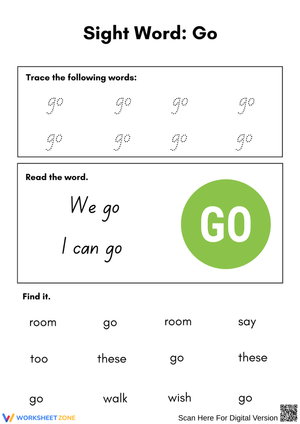
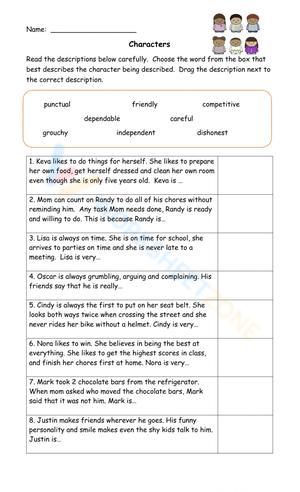
Phonics worksheets ask students to sort words by vowel pattern, underline a target blend or digraph inside a sentence, or write the missing letter to complete a word in a controlled-text frame. High-frequency word sheets embed sight words inside short phrases and simple sentences, because reading she said or they went in running text is a different cognitive task than recognizing the same words on a word wall card. That distinction — word in isolation versus word in context — shows up quickly in student responses.
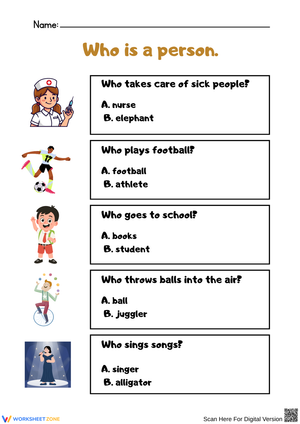
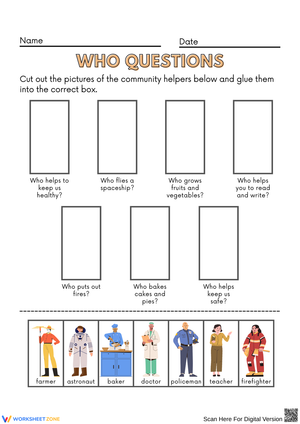
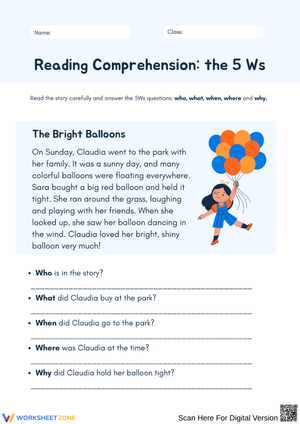
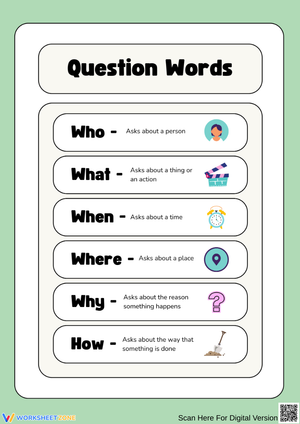
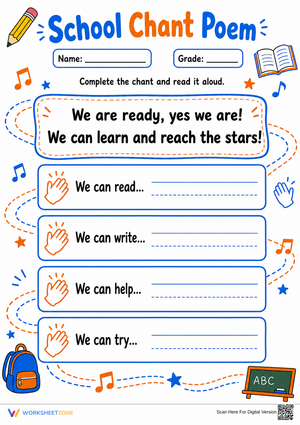
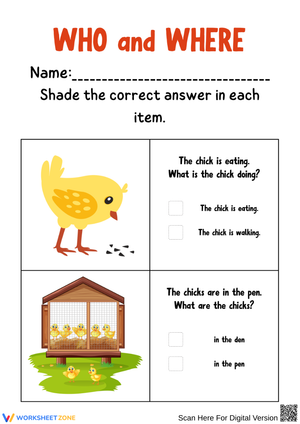
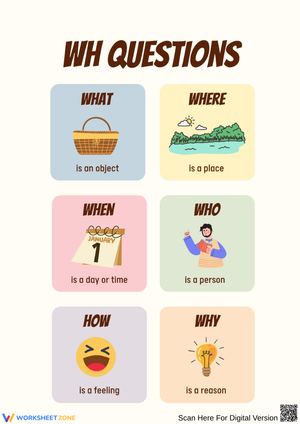
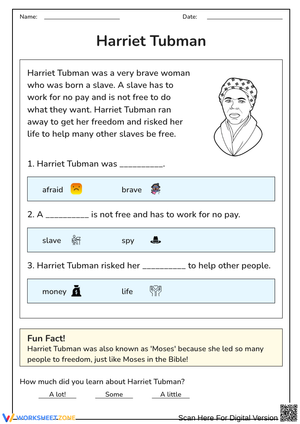
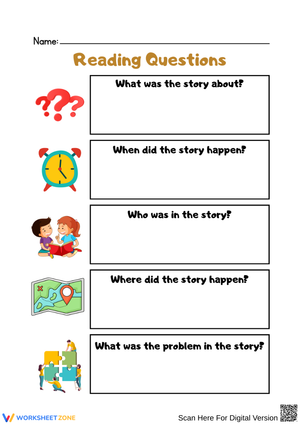
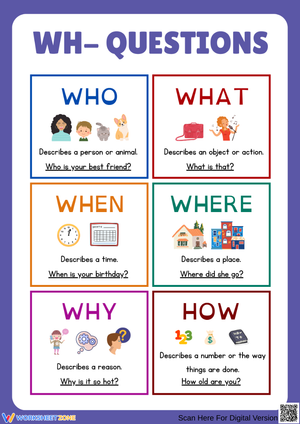
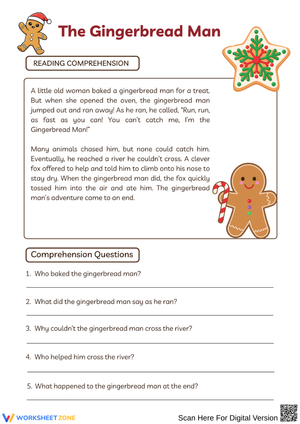
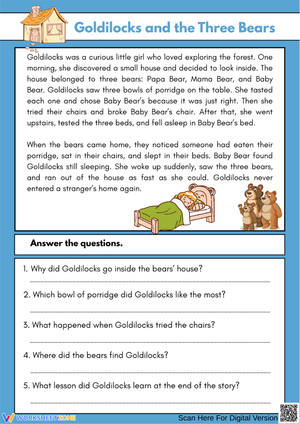
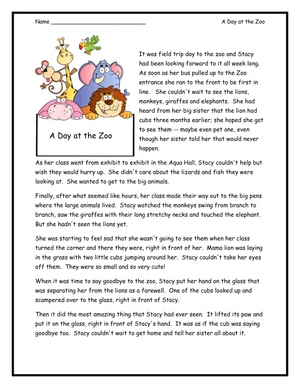
Fluency pages use short repeated-reading passages and phrase strips built for oral reading, not silent completion. Comprehension worksheets pair a brief story or informational paragraph with literal who, what, where, and when questions answered by circling, drawing, or finishing a sentence stem. Vocabulary pages connect a target word to a picture and two context sentences. Writing-about-reading prompts ask for a single-sentence response — proportional to where most first graders sit in late winter or early spring — so the writing demand does not crowd out the reading task.
Errors Students Make That These Worksheets Help You Catch
The most consistent comprehension error at this level: students answer from memory of a read-aloud rather than from the passage on the page. A child who heard a story about a frog during whole-group time will write about the frog even when the worksheet passage covers something entirely different. That pattern signals that listening comprehension is running ahead of print comprehension — developmentally normal in Grade 1, but worth identifying early so instruction stays targeted to the actual gap.
In phonics work, students who identify a short-a word accurately in isolation will often shift to a long-vowel reading when that same word appears mid-sentence surrounded by context. "Cap" becomes "cape" because the student is drawing on meaning rather than decoding print. Worksheets that place the target word in both a word-list frame and a sentence frame expose this quickly. The clearest limitation of fluency pages is that any student completing one silently is not building fluency at all — pairing thirty seconds of whisper-reading before the written task corrects most of that problem.
How to Work These Worksheets Into Your Lesson Plans
Before the week begins, sorting your reading printable worksheets for 1st grade into three folders — labeled teach, practice, and check — prevents the most common misuse of these materials. A teach worksheet goes out right after explicit instruction with teacher support nearby. A practice worksheet moves into centers or homework once the skill is familiar. A check worksheet stays in reserve as a quick independent measure at the end of the week. That sorting step takes five minutes once and makes every subsequent worksheet decision faster.
For daily routines, consistent task expectations save instructional time. If students know that every phonics page means read the word, say the sound, and mark the picture, they spend less time decoding directions and more time reading. Model returning to the passage before answering comprehension questions — not once as a demonstration, but as a repeated classroom expectation until re-reading becomes automatic. For fluency pages, the oral reading component belongs before any written response, not after.
Standard Alignment
These worksheets address foundational and comprehension standards across the CCSS ELA framework for Grade 1. RF.1.3 (phonics and word analysis) anchors the decoding and word-sort pages, which require students to apply letter-sound correspondences in both isolated word and sentence contexts. RF.1.4 (reading with sufficient accuracy and fluency) aligns to the phrase-reading and repeated-reading pages. RL.1.1 and RI.1.1 — asking and answering questions about key details in literary and informational text — map directly to the short-passage comprehension worksheets. L.1.4 (vocabulary acquisition and use) corresponds to the context-clue and picture-support pages. In practical terms, the full set spans the standards most Grade 1 literacy blocks prioritize from October through May.
Adjusting the Worksheets for Your Range of Learners
For students who need additional support, the most effective adjustment is changing the response demand rather than replacing the worksheet. A student who cannot yet write a sentence can draw the answer and label it with one word. A student still building print directionality benefits from pointing to each word while reading the passage aloud before attempting the questions. Choosing worksheets with fewer items per page, wider spacing, and shorter text keeps the cognitive focus on the reading skill itself rather than on managing a dense page layout.
For students reading ahead of the class average, the page stays the same but the expectation shifts upward. After completing a comprehension worksheet, a student ready for more challenge can write a sentence explaining why an event happened, not just what happened. On vocabulary pages, ask them to use the target word in an original sentence drawn from their own experience. These additions require no extra printing. The set of reading printable worksheets for 1st grade spans a wide enough skill range that most classrooms will find appropriate entry points for students at different places on the Grade 1 reading continuum.
Frequently Asked Questions
How many worksheets per week is reasonable for Grade 1?
Two to four is a manageable range for most classrooms — enough to touch different skill areas without crowding the literacy block with seatwork. The goal is to supplement direct instruction, guided reading, and oral reading time, not substitute for it. One worksheet per skill focus per week keeps practice consistent without becoming repetitive.
What should I do when students rush through the page without reading carefully?
This is almost always a directions and expectation problem, not a motivation problem. When task routines are unclear, students default to finishing fast. Build the habit from the first use: model exactly how to read the passage, stop, and think before marking any answer. A brief whole-class share-out afterward — two or three students reading their answer aloud — signals that the work is accountable.
Are these worksheets appropriate for kindergarteners reading above grade level?
In some cases, yes. The phonics pages at the lower end of the Grade 1 range — CVC words, short vowels, simple blends — work well for strong kindergarten readers who have moved past letter identification into actual decoding. Strong kindergarteners will generally stop finding the reading printable worksheets for 1st grade challenging by mid-spring, at which point second-grade material is the right next step.
Do these worksheets support English language learners in Grade 1?
They do, with intentional use. The vocabulary pages are especially useful because they combine print, picture, and context — three simultaneous cues that support students still building English vocabulary. For phonics pages, preview any pictures used as answer choices before students begin. A child who does not yet recognize the English word "cap" cannot confirm their decoding even when the sound work is correct. A two-minute picture walk before the worksheet clears most of that obstacle.












 Interactive Worksheet Maker
 Quiz Maker
 Word Search Maker
 Crossword Puzzle Maker
 Word Scramble Generator
 Sentence Scramble Generator
 Handwriting Worksheet Generator
 Name Tracing Generator
 Fill In The Blank Generator