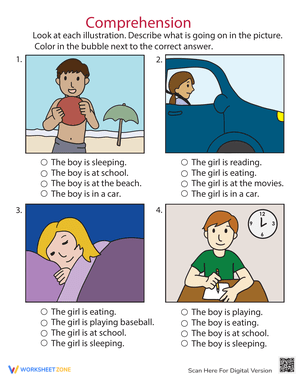
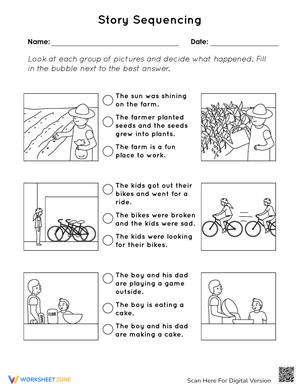
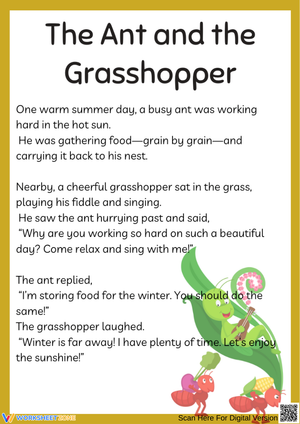
These 1st grade reading genres and types worksheets put a specific, teachable skill in front of students every time: identifying whether a text is fiction, informational, poetry, or traditional literature — and naming the clues that told them so. Each worksheet stands alone, which means teachers can pull a genre detective passage for a Tuesday warm-up or drop a sorting activity into a Friday review block without reorganizing an entire unit plan.
The Skills These Worksheets Target
Genre awareness at first grade is about building a reading habit — the automatic question a strong reader asks before the first line: What kind of text is this, and what should I expect from it? Each worksheet targets that habit through one of four core genre categories.
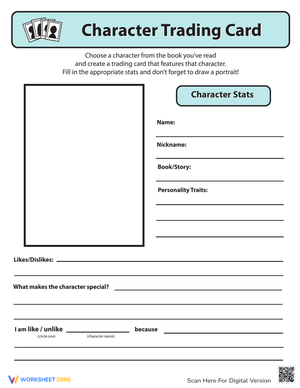
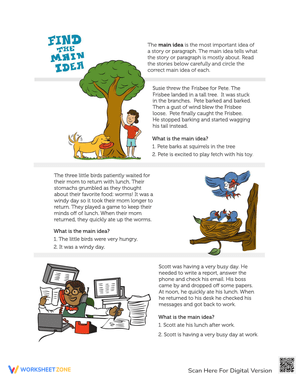
- Fiction — Students identify characters, settings, and made-up events in short passages, then circle the genre name and underline one piece of evidence. Realistic fiction and fantasy appear as distinct sub-types, giving students practice with a distinction that becomes more formal in second grade.
- Informational text — Text feature hunt worksheets ask students to label headings, captions, and diagrams in a sample passage and explain what each feature tells them. The task builds the habit of scanning structure before reading.
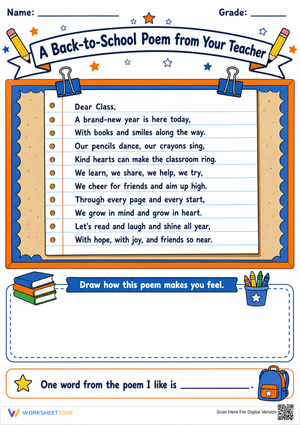
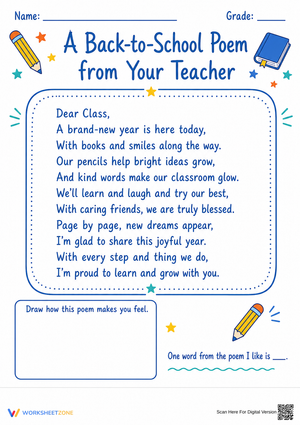
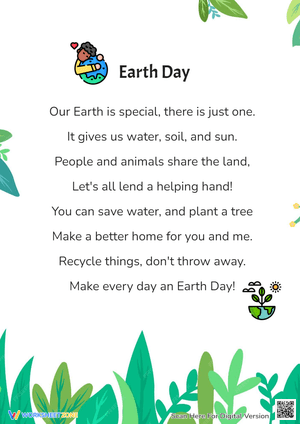
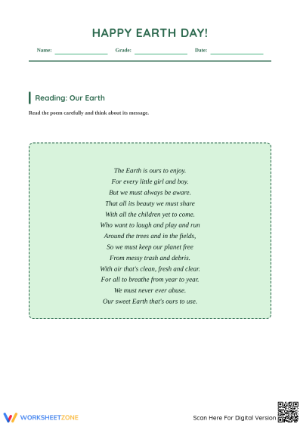
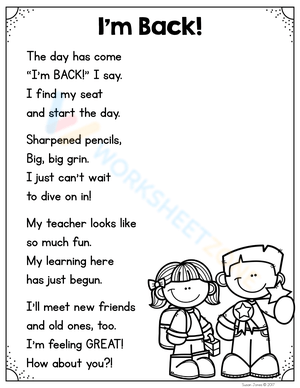
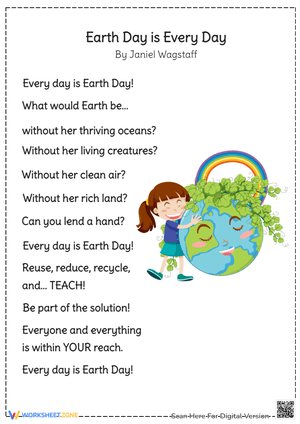
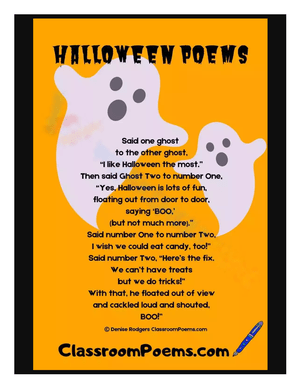
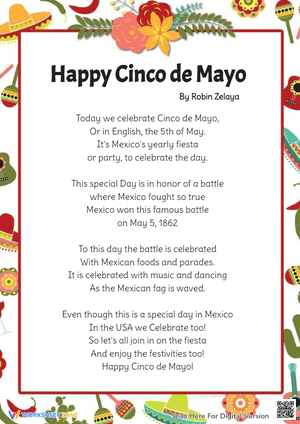
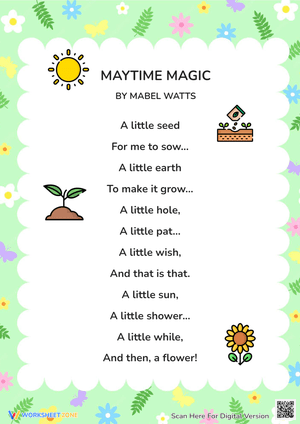
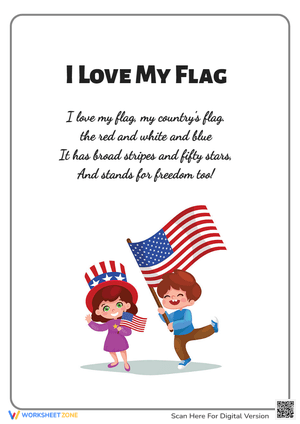
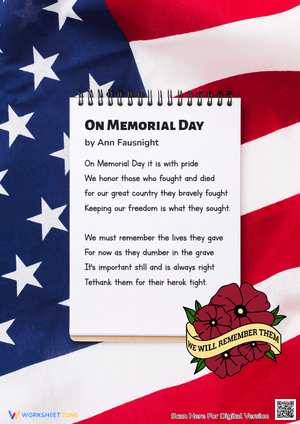
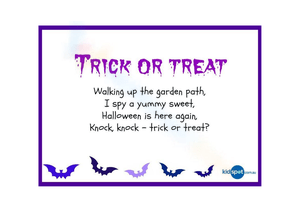
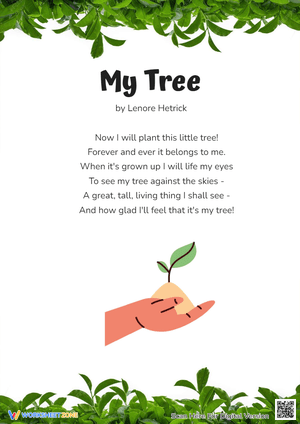
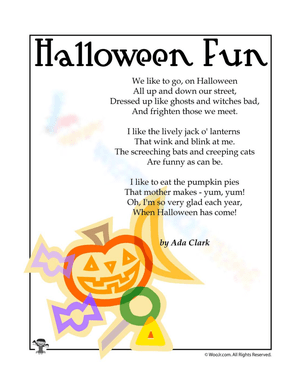
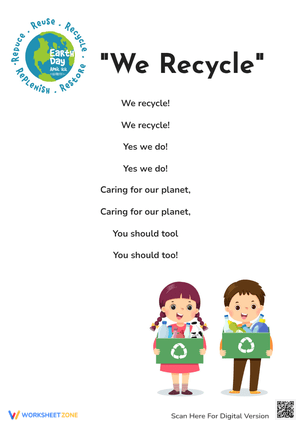
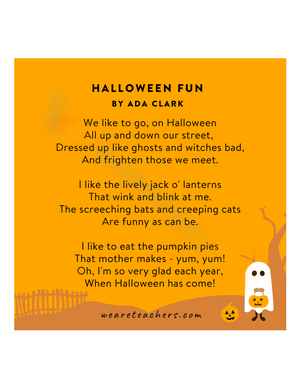
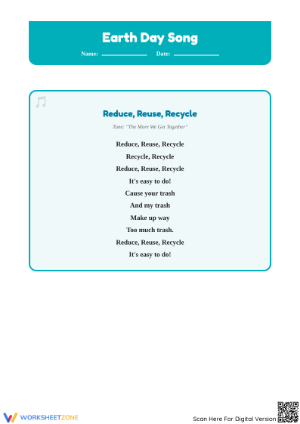
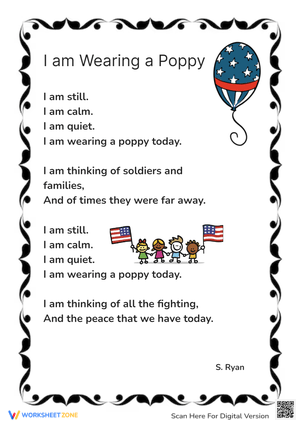
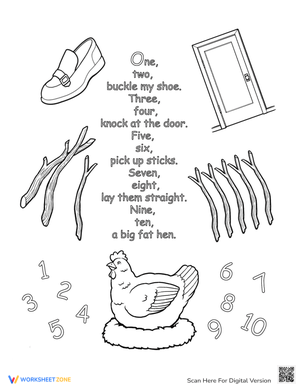
- Poetry — Students mark rhyming words, count stanzas, and circle repeated sounds. Because many first graders recite nursery rhymes fluently but struggle to recognize an unfamiliar poem on paper, each worksheet opens with a new, short poem rather than one already known from class.
- Traditional literature — Matching tasks connect genre characteristics — a set-up phrase, a repeated problem, a moral — to the story type they signal. Students learn to identify fairy tales and fables by their structure, not just their familiar titles.
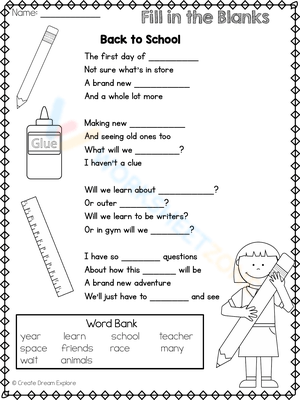
Formats rotate across the set: sorting tasks where students cut and paste book descriptions into genre columns, annotate-and-answer passages, read-and-color pages, and text feature hunts. The variety keeps practice sessions productive without adding instructional prep time between worksheets.
Where First Graders Consistently Stumble With Genre
The most stubborn error at this level is conflating realistic fiction with informational text. A story about a child visiting an aquarium — accurate facts woven into the narrative, no dragon or magic in sight — reads as "real" to many six-year-olds. They mark it non-fiction because nothing seemed invented. Genre detective worksheets that place realistic fiction passages alongside informational ones force this distinction into the open. Once students mark their reasoning and compare answers with a partner, the difference between a character experiencing facts and a text reporting facts becomes concrete rather than abstract.
Poetry generates a different kind of confusion. Students who correctly identify a fairy tale by its opening phrase will still classify a short narrative poem as fiction because it has characters and a plot. The problem is not carelessness — it is that line breaks and stanzas do not yet register as meaningful signals. A worksheet that labels the structural features of a poem before asking students to classify an unlabeled one closes this gap more efficiently than additional read-aloud exposure alone.
Standard Alignment
CCSS.ELA-LITERACY.RL.1.5 is the anchor for this set: first graders must explain major differences between books that tell stories and books that give information, including reference to purpose. In classroom terms, that standard asks students to articulate reasoning, not just point to a label. The 1st grade reading genres and types worksheets in this set address RL.1.5 directly by requiring students to name a genre and mark the specific text evidence that led to their answer — the reasoning move the standard describes. The informational text worksheets also target CCSS.ELA-LITERACY.RI.1.5, which asks students to know and use text features such as headings, captions, and glossaries. A worksheet that asks students to label a diagram and state what it communicates practices RI.1.5 in a format that transfers directly to content-area reading in science and social studies.
How to Fit These Worksheets Into Your Literacy Block
The 1st grade reading genres and types worksheets in this set follow a natural first-then-independent sequence across the week. On Monday, project a genre detective worksheet on the board and model the annotation process aloud: read the passage, pause, name what you noticed ("I see a heading, and this sentence gives a fact about turtles — no character, no plot — so I'm marking this informational text"). Students watch you mark the evidence before they ever attempt it themselves. This explicit modeling matters most in the first two weeks of genre instruction, when students are still learning what "evidence" means in a reading context.
By midweek, place a small set of worksheets at a literacy center. Pairs read a passage aloud to each other, discuss the genre before writing anything, and then record their answer and reasoning independently. The discussion requirement surfaces disagreements that a solo worksheet would conceal — and disagreement is where the real thinking happens. Close the week with an independent worksheet as a formative check: one passage, one genre identification question, one evidence prompt. A class set takes under fifteen minutes to review, and the evidence lines tell teachers exactly where a student's thinking broke down before the next lesson.
The Genre Wall strategy pairs well with any sorting worksheet in the set. After completing a cut-and-paste sort, students tape their work to a bulletin board organized by genre category. Over the course of a unit, the wall accumulates enough examples that students reference it during independent reading and begin self-correcting their genre labels by comparing their thinking to what classmates posted — a peer-built anchor chart that carries more authority than anything the teacher put up on day one.
Adjusting These Worksheets Across Ability Levels
Emerging readers work best with image-based sorting before text-based tasks. A worksheet showing three book cover illustrations — one with a child character in a fantastical setting, one with labeled animal anatomy, one with a short rhyming verse — asks students to circle the informational text. No decoding required, but the conceptual work is still happening. Move these students to passage-based identification once they categorize images reliably.
On-level students use the standard genre detective format: short passage, genre identification line, evidence prompt. For students reading above grade level, add a writing extension after the identification task — classify the passage, then write two to three sentences in that same genre. A student who identifies a passage as a fable and then writes the opening lines of their own fable demonstrates genre internalization, not just recognition. That transfer is the actual goal the set works toward, and the extension makes it visible in student work.
Frequently Asked Questions
How do I explain the difference between fiction and non-fiction to a first grader without creating more confusion?
Hold up two familiar books — a picture storybook and an animal fact book students already know — and say: "This one is a made-up story about characters. This one tells us true facts about real animals." Then ask a decision question: "Which one would you read to find out how fast a cheetah runs?" That question moves the concept from a definition to a functional choice, which is what genre identification actually requires. The sorting worksheets reinforce the distinction through repeated practice with new examples until it becomes automatic.
What genres are first graders expected to know by the end of the year?
The core four are fiction, informational text, poetry, and traditional literature — fairy tales, fables, and folktales. Students are not expected to fluently name sub-genres like realistic fiction versus fantasy, though exposure to that distinction during first grade prepares them for second grade expectations. The 1st grade reading genres and types worksheets in this set stay at grade level: students categorize texts into the four core types and support their answers with one piece of textual evidence, which aligns directly with what RL.1.5 asks for.
Can these worksheets be used for assessment, or only for practice?
Both uses work. Sorting and matching worksheets function well as practice during a genre unit. Genre detective passages that include a written reasoning line work well as a quick end-of-unit formative check — the task is short enough to complete in five minutes, and the evidence line tells a teacher exactly where a student's thinking broke down. That specificity makes reteaching faster than a multiple-choice quiz would allow.
Do these worksheets work for students who are not yet reading independently?
Yes. Several worksheets in the set use image-based sorting and can also be delivered as listen-and-respond tasks, where a teacher reads the passage aloud and students complete the genre identification and evidence prompts. This separates decoding load from genre-reasoning, which is appropriate early in the year when both skills are still developing. As decoding strengthens, the same worksheet format remains useful — students simply read independently instead of listening.












 Interactive Worksheet Maker
 Quiz Maker
 Word Search Maker
 Crossword Puzzle Maker
 Word Scramble Generator
 Sentence Scramble Generator
 Handwriting Worksheet Generator
 Name Tracing Generator
 Fill In The Blank Generator