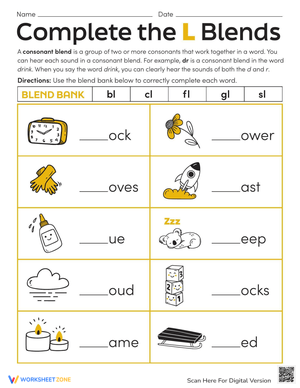
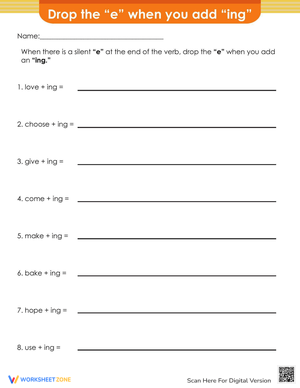
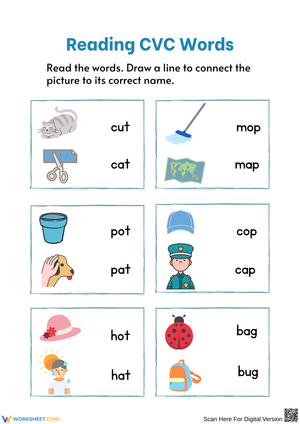
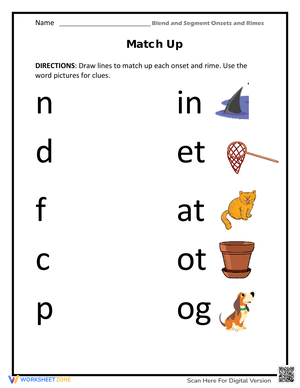
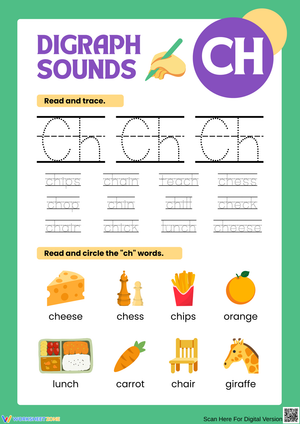
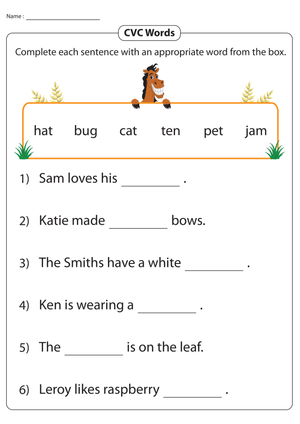
1st grade word patterns printable worksheets give teachers a direct line to one of the most productive skills in early phonics instruction: recognizing letter chunks rather than decoding sound by sound. When a first grader learns the -an rime, they gain immediate access to can, fan, man, and ran without treating each as a separate memorization task. That shift — from serial letter processing to chunk recognition — is what these worksheets are built to accelerate.
The Patterns These Worksheets Target
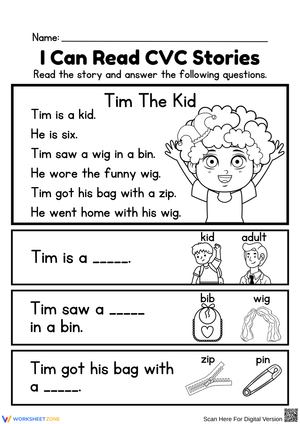
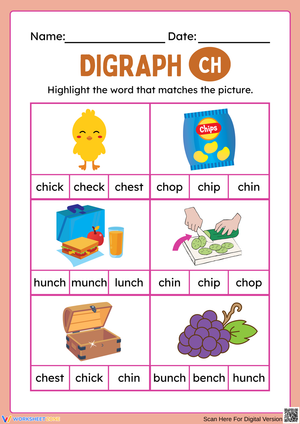
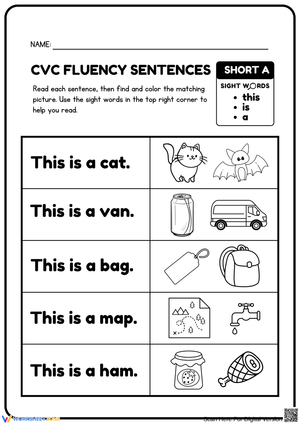
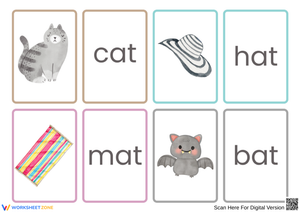
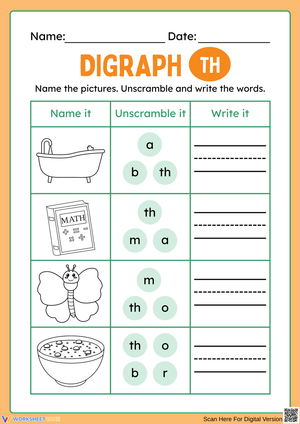
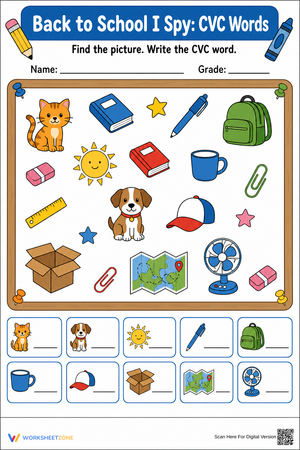
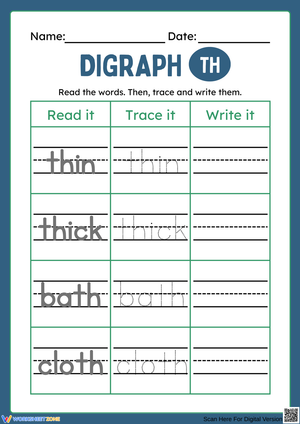
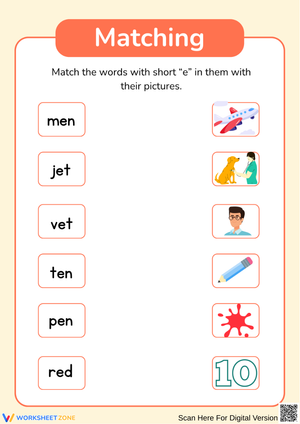
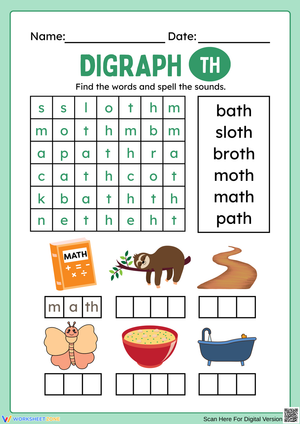
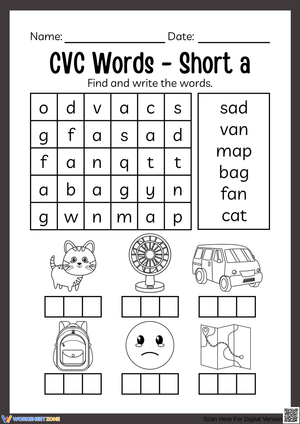
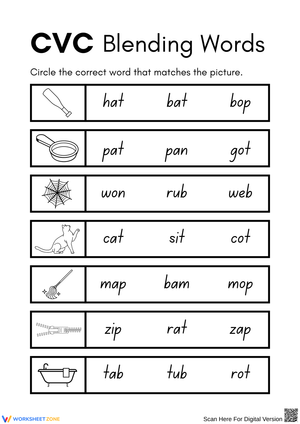
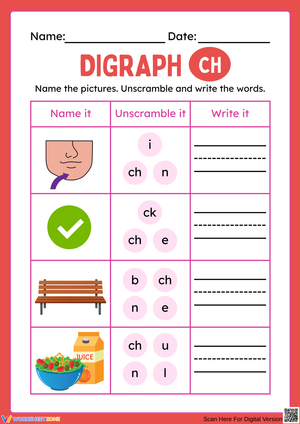
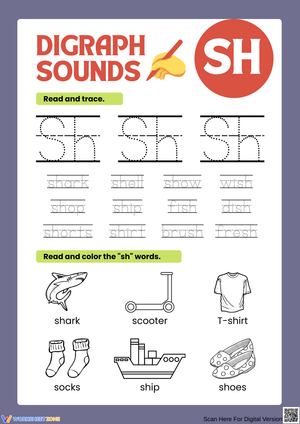
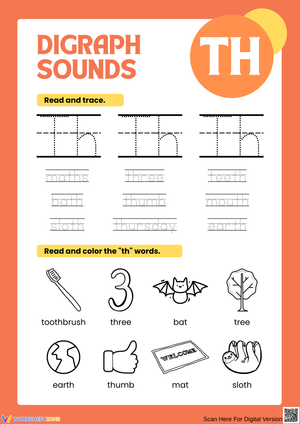
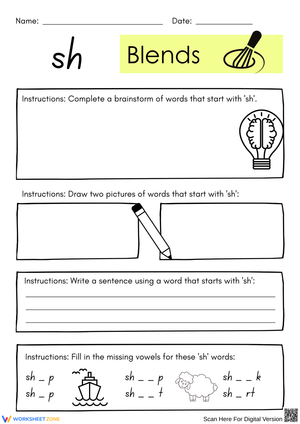
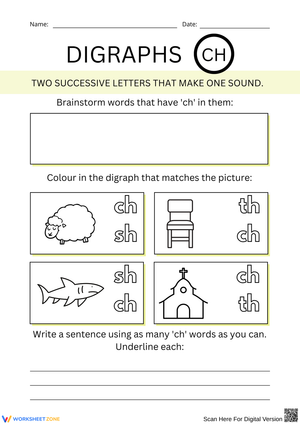
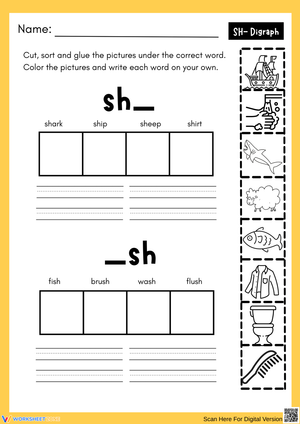
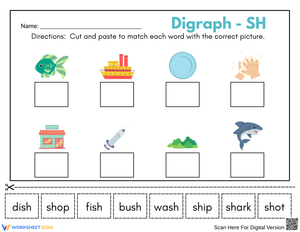
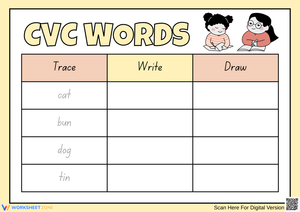
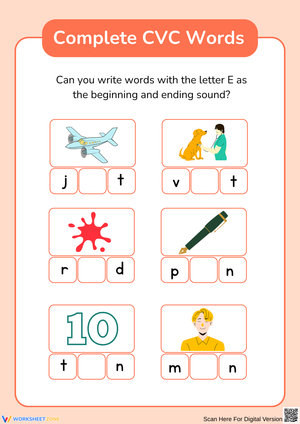
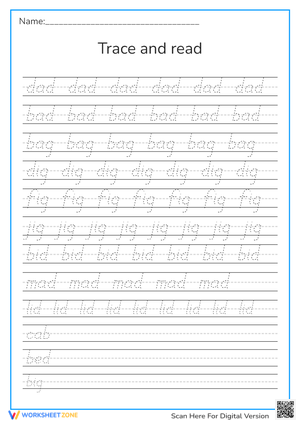
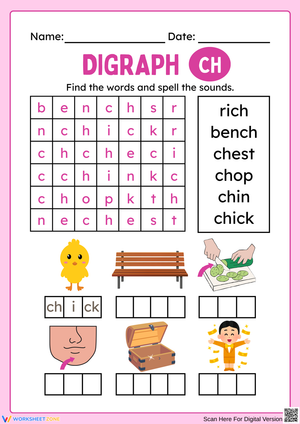
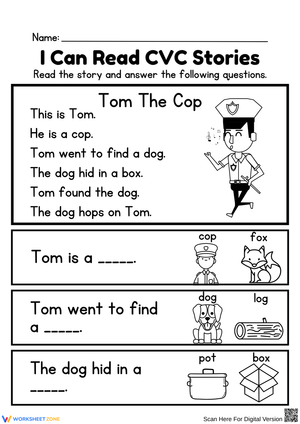
The set moves through the core phonics structures of first-grade reading in a deliberate sequence. Students start with CVC (consonant-vowel-consonant) word families — short vowel rimes like -at, -ig, and -op — where swapping the onset produces a new word. From there, the worksheets move into the CVCe pattern, where a final e shifts the medial vowel from short to long: pin becomes pine, cut becomes cute. Consonant digraphs (sh, ch, th, wh) and initial and final blends (bl, st, nd, mp) each get dedicated practice, as do the vowel teams that first graders encounter in decodable texts — ai, ea, oa, and ee. Each worksheet isolates one pattern so students are not splitting attention between two unfamiliar structures at once.
Frequent Mistakes Worth Catching Before They Calcify
The magic e pattern produces the most durable errors in first-grade phonics. Students who correctly apply the CVCe rule to tape, pine, and cube will routinely overapply it to irregular words: they read have as /hāv/ and give as /jīv/ because they have internalized the rule without learning its exceptions. These worksheets surface that confusion during structured practice — where catching the error costs thirty seconds — rather than during guided reading, where it derails comprehension entirely.
Vowel teams create a second persistent problem. Students learn that ai says /ā/ and apply it confidently to rain, train, and tail — then freeze on said and again because those words carry the same two letters with a completely different sound. Repeated exposure to both the pattern and its most common exceptions is the only reliable way to sort those two categories in long-term memory. A related error that shows up in student writing: a child who decodes rain correctly will still write rayn in a journal entry, because pattern recognition in reading and pattern production in spelling are separate skills that require separate practice.
Why Chunk-Based Practice Builds Automatic Readers
The underlying mechanism is orthographic mapping — the process by which readers form permanent, automatic connections between a word's pronunciation and its letter sequence. Phonics researchers, including Linnea Ehri, have documented that this mapping is driven by phoneme-grapheme links, not whole-word memorization. Word pattern practice accelerates that mapping because students encounter the same letter cluster across multiple words and multiple sessions. After sorting night, light, right, and fight on three separate worksheets, a student does not decode the -ight cluster anymore — they retrieve it as a unit.
This matters for cognitive load. A first grader reading a decodable sentence has limited working memory. Every cluster they can retrieve automatically frees up capacity for the job that actually matters at this stage: understanding what the sentence means. Word pattern practice is, in that sense, reading comprehension instruction — it just arrives upstream of the text.
Standard Alignment
These 1st grade word patterns printable worksheets address RF.1.3 — the phonics and word recognition standard for first grade under the Common Core State Standards. Specifically, they cover RF.1.3a (consonant digraph spelling-sound correspondences), RF.1.3b (final-e conventions for long vowel sounds), and RF.1.3c (common vowel team conventions). RF.1.3 sits at the center of first-grade literacy instruction because it bridges phonological awareness — which most students develop in kindergarten — and fluent reading of connected text, which is the target outcome by the end of first grade. These are not enrichment standards; they are the core of what first-grade reading teachers are accountable for delivering.
Building These Worksheets Into Your Weekly Literacy Block
The most consistent use teachers report is the Monday warm-up: five minutes at the start of the literacy block where students complete a short word sort or fill-in-the-blank activity reviewing the pattern introduced the previous week. That brief retrieval moment before new instruction is not busywork — spaced retrieval is one of the most well-documented mechanisms for consolidating learning, and a five-minute Monday worksheet does exactly that with almost no planning overhead.
During small-group rotations, 1st grade word patterns printable worksheets work best when assigned immediately after direct instruction on a pattern — not before it. Students who complete a CVCe sort right after a ten-minute lesson on the magic e rule will outperform students who encounter the worksheet cold at a literacy center with no prior context. That sequencing is easy to build into a rotation schedule and pays off in the accuracy of the work you collect. At the end of a rotation block — those last eight minutes before transitions — a completed worksheet also gives an immediate, scannable record of who sorted correctly and who is still treating the final e as a pronounced sound.
Differentiating These Worksheets Across Student Readiness Levels
For students still consolidating short vowel CVC words, the word family worksheets are the right starting point — not the digraph or vowel team activities. Assigning CVCe or vowel team exercises before a student has automatic short vowel recall creates confusion rather than growth. A practical signal: if a student still sounds out cat letter by letter rather than retrieving it as a unit, they are not ready for magic e work.
1st grade word patterns printable worksheets also serve students reading above grade level, specifically as spelling tools. A student who decodes vowel teams accurately in reading will often still misspell them in writing — bote for boat, rane for rain — because encoding and decoding draw on overlapping but not identical knowledge. Having advanced readers complete the written production portion of each worksheet, where they generate words from a pattern rather than simply identify them, closes that gap more efficiently than additional decodable reading alone. For students with identified reading difficulties, reducing the number of items on a given worksheet and providing a visual reference card showing the target pattern keeps cognitive demand manageable without lowering the standard of the skill being practiced.
Frequently Asked Questions
What phonics patterns do these worksheets cover?
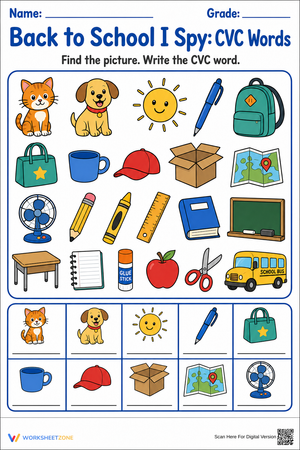
The worksheets move through all major first-grade phonics structures: CVC short vowel word families, CVCe long vowel words, consonant digraphs, initial and final consonant blends, and common vowel teams including ai, ee, oa, and ea. The sequence runs from simpler CVC families to more complex vowel team combinations, consistent with how most systematic phonics programs order their instruction.
Can these worksheets function as formative assessment tools?
Yes, and this is one of their most practical uses. A completed word sort tells a teacher immediately which students assigned short vowel words to the long vowel column — which is the diagnostic signal that a student has not yet internalized the CVCe rule. During small-group instruction, watching a student sort in real time is even more informative than the finished product, because it reveals whether errors are systematic (a conceptual gap) or inconsistent (a fluency gap). Neither a standardized benchmark nor a formal phonics screener, these worksheets nonetheless generate usable data that supports grouping and pacing decisions.
What is the difference between a word family and a spelling pattern?
A word family is a group of words sharing the same rime — the vowel and everything after it in the syllable. The -ight family includes night, light, and fight. A spelling pattern is a broader term: it includes word families but also covers letter combinations like consonant digraphs and vowel teams that can appear in different positions across different rimes. All word families are spelling patterns; not all spelling patterns form a single identifiable word family.












 Interactive Worksheet Maker
 Quiz Maker
 Word Search Maker
 Crossword Puzzle Maker
 Word Scramble Generator
 Sentence Scramble Generator
 Handwriting Worksheet Generator
 Name Tracing Generator
 Fill In The Blank Generator