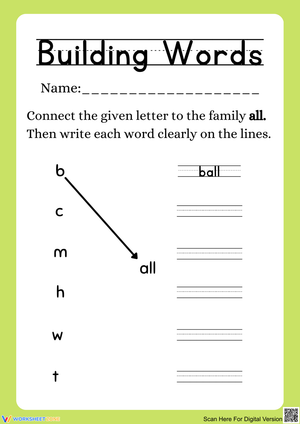
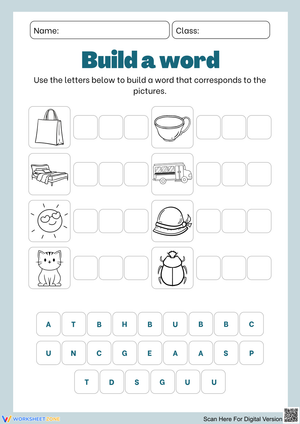
These 1st grade word building worksheets give teachers a structured path through the phonics sequence that first graders need to own before second grade makes new demands on them. Each worksheet isolates a specific pattern — CVC words, consonant blends, digraphs, CVCe — so students are doing targeted work, not guessing from context.
What Each Worksheet Targets
The set moves through the core word-structure patterns of first-grade phonics in a deliberate progression. Students start with CVC words — isolating the beginning consonant, the medial vowel, and the final consonant — then move into consonant blends where two adjacent consonants each retain their sound (st, fl, br). Digraphs follow: ch, sh, th, wh — two letters, one sound, which is a conceptual shift that trips up a lot of students who have just finished learning that letters have individual sounds. The CVCe worksheets close the sequence, asking students to notice how a final e reaches back and changes the vowel in the middle of the word.
That ordering matters. Students who meet blends before they have CVC words solid tend to collapse the blend — they write tap for trap because they're still processing the vowel and final consonant while the initial cluster slips. These worksheets are sequenced so that each new structural element builds on what came before.
Standard Alignment
These worksheets address CCSS.ELA-LITERACY.RF.1.3, which requires first graders to apply grade-level phonics and word analysis skills when decoding. The standard specifically calls out one-syllable words with short vowel sounds (RF.1.3b), consonant digraphs (RF.1.3a), and the CVCe long-vowel pattern (RF.1.3c). In classroom terms, that means students need to move through these patterns in sequence and demonstrate decoding accuracy — not just recognize words from a memorized list. These worksheets create the repeated, structured practice that makes that decoding automatic rather than effortful.
The Specific Work Students Do on Each Worksheet
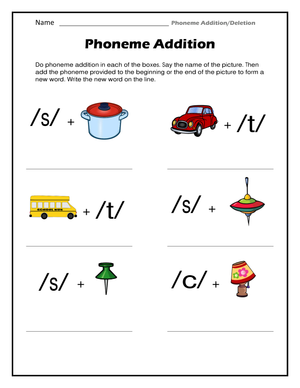
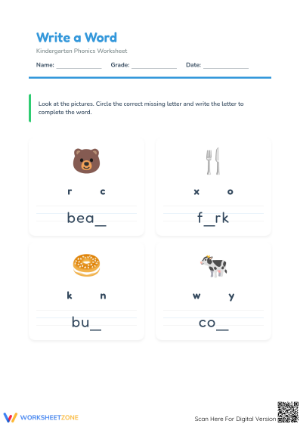
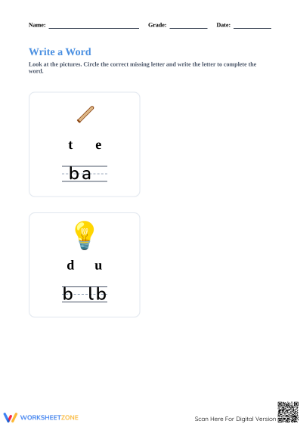
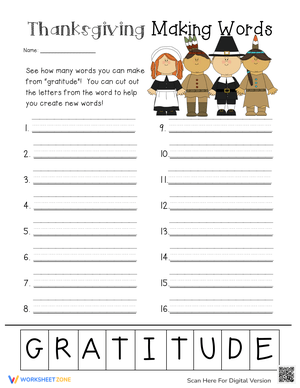
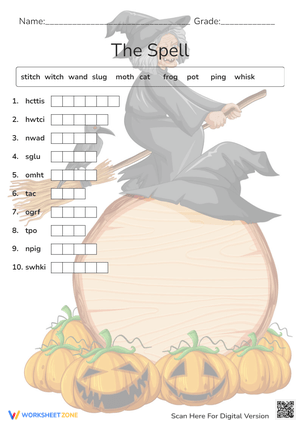
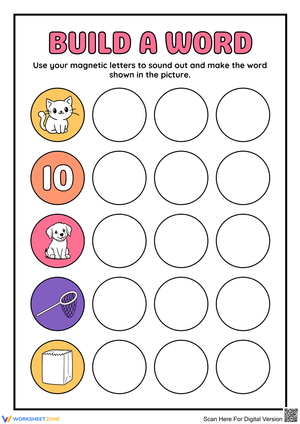
Across the set, students segment words into phonemes, select the correct grapheme for each sound, and arrange those graphemes into a correctly spelled word. Some worksheets include Elkonin-style sound boxes — students push a counter or mark into each box as they say a sound aloud before writing the corresponding letter or letters. The word ship gets three boxes, not four, which is exactly the moment that forces students to treat sh as a unit. That constraint does more instructional work than a reminder printed at the top of the page.
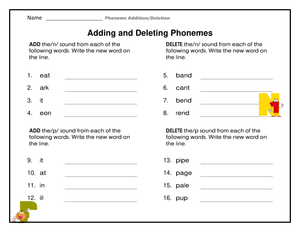
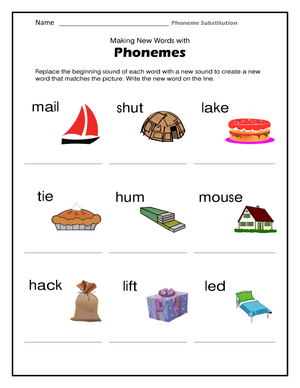
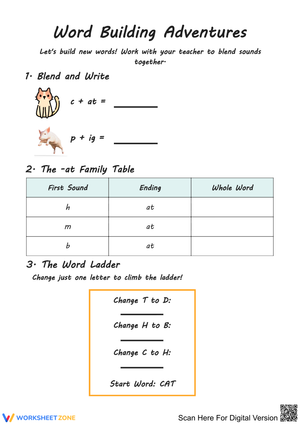
Students also rewrite words with a changed phoneme — swap the initial consonant, alter the vowel, replace the final sound — which builds the kind of flexible phoneme manipulation that the RF standards measure. The manipulation tasks are where you see who has internalized the pattern and who is still copying.
How to Work These Worksheets Into Your Week
These fit naturally into the ten minutes between morning meeting and the first block — short enough to run as a daily warm-up without eating into read-aloud or guided reading time. Teachers running literacy centers can assign one worksheet per rotation; once students know the routine, they can work independently, and a self-check key at the center keeps them from ingraining errors while you're with a small group.
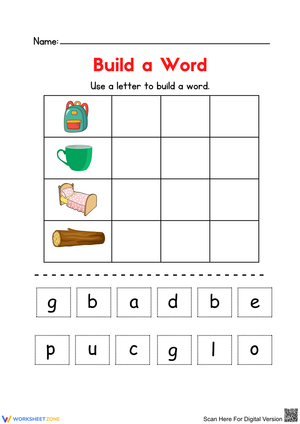
For small-group phonics instruction, one effective sequence is to have students first build the target word physically with letter tiles on the table, then transfer it to the worksheet. That step-down from physical to written pulls in tactile processing and gives students who freeze on blank paper something to look at when they write. The worksheet becomes a record of work the student has already done, not a cold-start task.
Laminating the worksheets or sliding them into plastic sleeves extends their use across rotations — students write with dry-erase markers and wipe the surface clean for the next group. This works especially well for the CVC and blend worksheets, which students benefit from revisiting even after initial mastery.
Mistakes Students Make That These Worksheets Help You Catch
The most consistent error at the CVC stage is vowel substitution — students who correctly hear the initial and final consonants write the wrong short vowel in the middle. Pit becomes pet; hug becomes hog. These aren't random guesses; short e and short i are acoustically close, and short u and short o are close enough that many six-year-olds need extended exposure to sort them reliably. The sound-box worksheets make the medial vowel its own explicit stopping point, which surfaces this confusion earlier.
At the digraph stage, the common error is spelling the digraph as two separate phoneme slots — sip for ship, tan for than. Students aren't mishearing the word; they're applying a one-letter-one-sound rule that worked fine for blends and is now wrong. That's a genuine conceptual load shift, and it's worth naming directly when you introduce the digraph worksheets rather than assuming students will notice the difference on their own.
With CVCe words, the near-universal error is dropping the final e entirely — students hear cake, count three sounds, and write three letters. The worksheets that show a blank for the silent e as a separate required slot reduce this error significantly compared to open-ended spelling tasks.
Adjusting the Worksheets for a Range of Learners
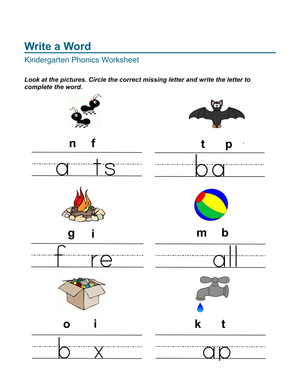
Students who are still consolidating letter-sound correspondences work the CVC worksheets with picture cues or a personal alphabet chart nearby. The goal is to keep them doing phoneme-grapheme mapping, not stalling on letter recall. For these students, reading the word aloud before writing gives them the phoneme sequence to work from, and the worksheet records whether they can execute the mapping accurately.
Students who have CVC patterns solid and are ready for more challenge can extend the blend and digraph worksheets by generating two additional words that follow the same pattern — the worksheet becomes a launchpad rather than a ceiling. For students reading above grade level, the CVCe worksheets pair well with a short sorting task: given a mixed set of CVC and CVCe words, they sort by vowel sound and explain the rule. That metacognitive layer — articulating why the pattern works — is the move from decoding to orthographic understanding.
Frequently Asked Questions
How do these worksheets fit into a tiered intervention model?
The sequential structure makes them well-suited for Tier 2 and Tier 3 phonics support. In a small intervention group, you can use diagnostic assessment to identify exactly where a student's phonics knowledge breaks down, then assign that pattern's worksheet as the entry point. A student who is solid on CVC but inconsistent on blends doesn't need the whole set from the beginning — starting at the right point prevents frustration and keeps the session moving.
Can these be used with kindergarteners or second graders?
The CVC worksheets work well for kindergarteners who have letter-sound correspondences in place and are ready to move into word-level work, typically mid-to-late year. Second graders who didn't fully consolidate blends or digraphs in first grade use these as catch-up material; the format doesn't read as babyish, and the targeted nature of each worksheet means you can address a specific gap without pulling a student through content they've already mastered.
How long does a typical worksheet take in a center or small-group setting?
For most first graders mid-year, a single worksheet runs about eight to twelve minutes. Earlier in the year, CVC worksheets with sound boxes take closer to fifteen for students who are still deliberate about phoneme segmentation. That timing makes them workable as a center activity within a standard twenty-minute rotation, with a few minutes left for a partner check or self-check with a key.












 Interactive Worksheet Maker
 Quiz Maker
 Word Search Maker
 Crossword Puzzle Maker
 Word Scramble Generator
 Sentence Scramble Generator
 Handwriting Worksheet Generator
 Name Tracing Generator
 Fill In The Blank Generator