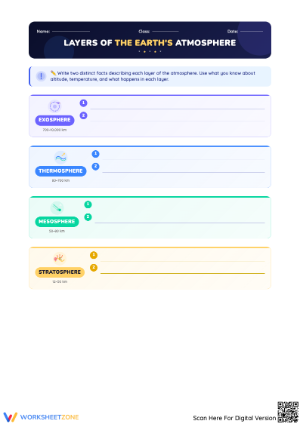
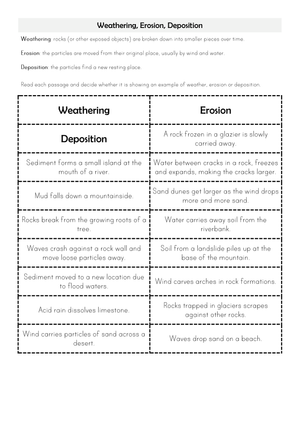
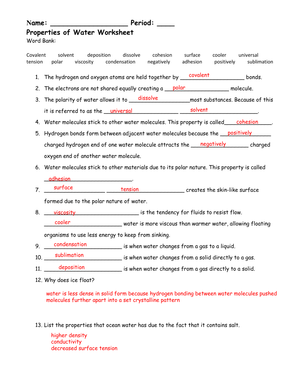
These 7th grade environment printable worksheets resources give middle school science teachers a ready supply of focused, skill-specific practice for one of the most concept-dense units in the grade. By seventh grade, environmental science stops being purely descriptive and becomes relational — students are expected to trace energy through food webs, connect deforestation to biodiversity loss, and read data showing pollution trends over time. That cognitive shift shows up fast in student work, and targeted printable practice helps students build the specific habits that make those connections stick.
The Specific Skills Targeted in Each Worksheet
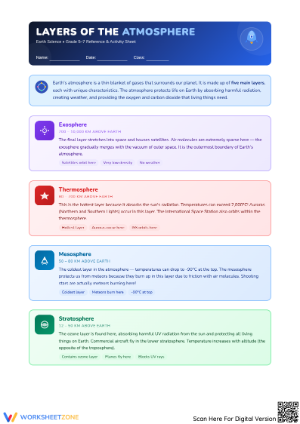
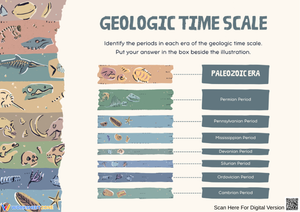
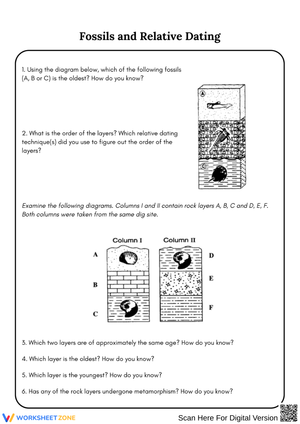
This 7th grade environment printable worksheets collection covers the major topic strands teachers typically reach in a Grade 7 environmental science unit, organized so each worksheet focuses on one conceptual area rather than mixing unrelated content within the same worksheet. Topic coverage includes:
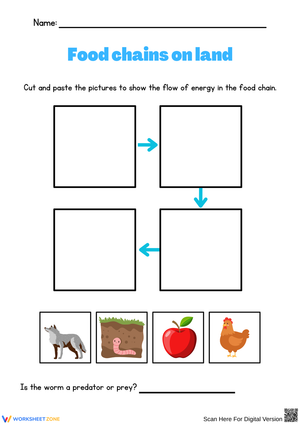
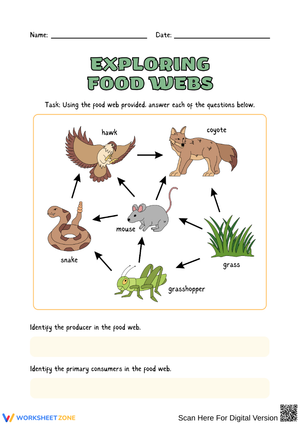
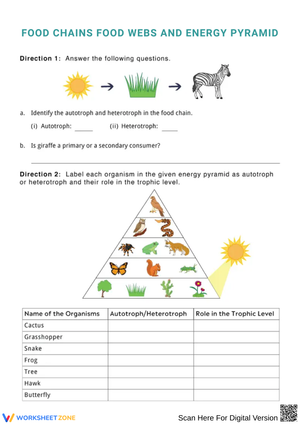
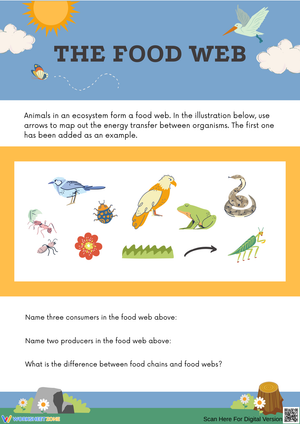
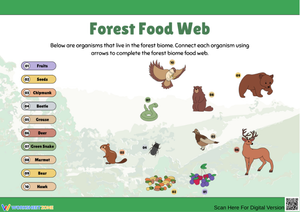
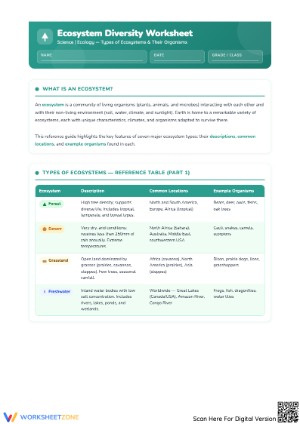
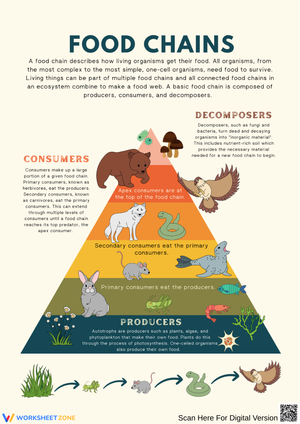
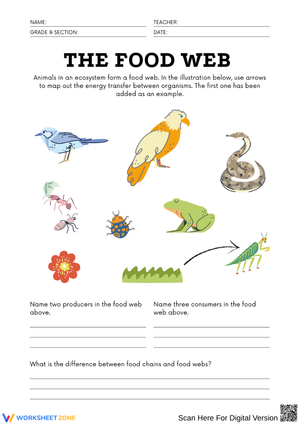
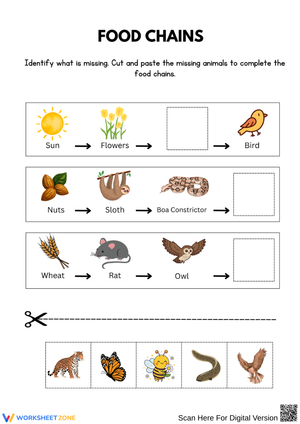
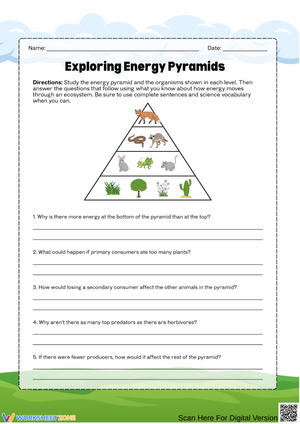
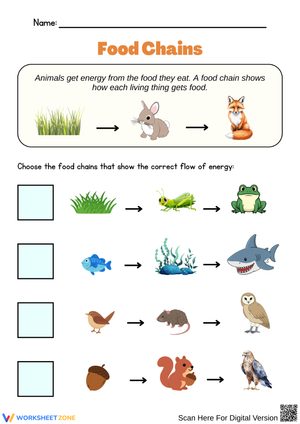
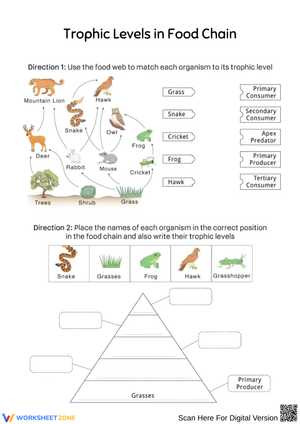
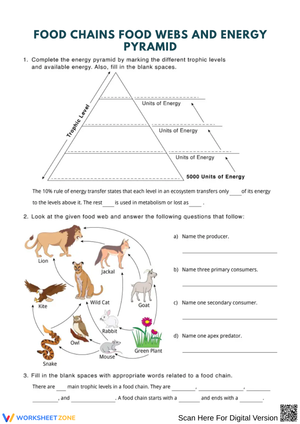
- Ecosystems and food webs: producers, consumers, decomposers, energy flow through trophic levels, and predator-prey relationships
- Pollution: sources, types (air, water, land), and cause-and-effect pathways between human activity and environmental harm
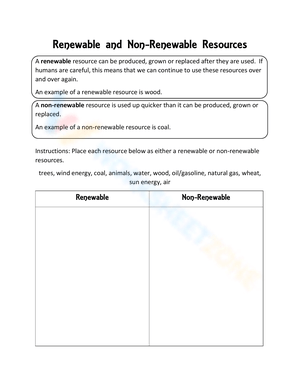
- Natural resources: renewable versus nonrenewable distinctions, use patterns, and conservation reasoning
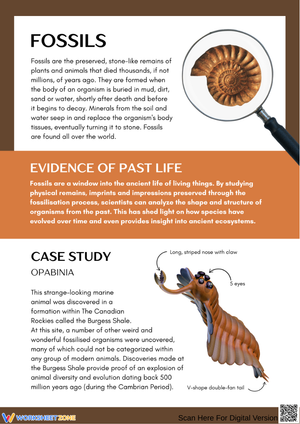
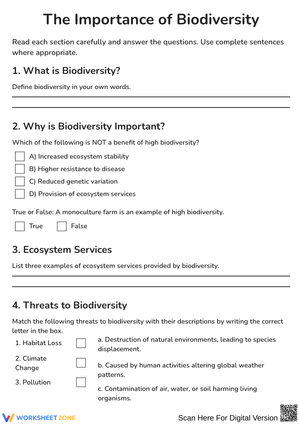
- Biodiversity and habitat loss: what species variety contributes to ecosystem stability and what disrupts it
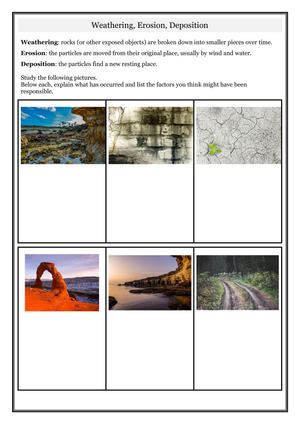
- Human impact: land use, waste, resource consumption, and downstream effects students are expected to trace and explain
- Data interpretation: temperature trend graphs, population charts, waste statistics, and comparative tables that appear regularly on assessments
Because middle school science standards expect students to explain relationships rather than recite definitions, the worksheets include short constructed-response prompts alongside more structured identification and labeling tasks. Students underline evidence in passages, annotate diagrams, complete cause-and-effect tables, and write brief explanations using the content vocabulary they've just practiced.
Mistakes Students Make That These Worksheets Help You Catch
Food web arrow direction is the single most persistent error in this unit. Most students draw arrows pointing from predator to prey — toward the organism doing the eating — rather than showing energy transfer moving from prey to predator. A worksheet that asks students to both label a diagram and explain what the arrows represent forces that distinction into the open, where you can address it directly instead of discovering it only on a test.
A second pattern worth watching: students who correctly identify solar energy as renewable almost always assume renewable means unlimited. Ask them to explain why a fishing community could exhaust a renewable fish stock, and the confusion surfaces immediately. Several worksheets in the set address this with scenario-based questions that require students to reason about rate of use relative to rate of replenishment — not just apply a category label.
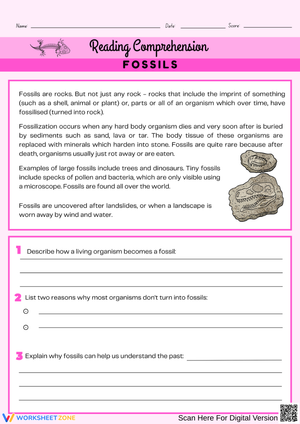
Two other errors show up consistently in seventh-grade work. Many students conflate weather events with climate patterns, citing a single hot summer as evidence of climate change rather than understanding that climate refers to long-term statistical trends. Separately, students frequently reverse pollution cause-and-effect sequences, writing something like "oil spills cause boats to leak" rather than connecting industrial activity to downstream ecological harm. Short reading-comprehension worksheets with targeted questions about sequence and causation give teachers clear, gradeable evidence of whether students have worked past these reversals.
Building These Worksheets Into Your Lesson Plans
The most efficient use of these resources is a bookend strategy: one worksheet at the start of a new topic to surface prior knowledge, and another after instruction to confirm whether the concept landed before moving on. That five-to-eight-minute bell ringer on food web energy flow takes almost no teacher setup, tells you immediately which students still have the arrow direction backwards, and gives you something concrete to reference in the whole-class debrief.
For stations, split the set by task type rather than by topic. Put a reading-comprehension worksheet at one table, a data-interpretation worksheet at another, a vocabulary-application worksheet at a third. Students rotate through different formats on the same theme — pollution, for example — and the variety keeps the period from feeling repetitive. It also gives you three separate data points on what students understand rather than one.
Sub plan use is straightforward when the worksheet includes a self-contained reading passage. Label the sub folder by topic — ecosystems, natural resources, human impact — and include two or three worksheets with clear student-facing directions. These 7th grade environment printable worksheets resources work especially well in that context because a substitute doesn't need content knowledge to distribute and collect them. The materials carry the lesson.
Adjusting the Worksheets for a Range of Learners
Students who struggle with reading density benefit from worksheets built around diagrams, charts, and labeled visuals rather than long passages. For those learners, begin with a food web labeling task or a cause-and-effect table with sentence starters before moving to any open-ended written response. The visual formats often reveal stronger content understanding than writing tasks do for students who carry a heavier language-processing load.
For students working above grade level, the constructed-response prompts are the right starting point. Remove the vocabulary bank, ask them to work without the word list, or add a transfer question: given what you know about habitat loss, predict what would happen to a population three trophic levels above the affected species. That kind of extension stays within the same worksheet without requiring a separate resource.
Students in between those two groups — the ones who show understanding in discussion but produce thin written responses — benefit most from the cause-and-effect table format. Chunking the reasoning into a three-column structure (cause, mechanism, effect) reduces the blank-page problem without reducing the cognitive demand. That table format appears across several worksheets in the set and is particularly effective in the pollution and human-impact strands.
Standard Alignment
These worksheets align to Next Generation Science Standards performance expectations for middle school life and Earth science, particularly MS-LS2 (Ecosystems: Interactions, Energy, and Dynamics) and MS-ESS3 (Earth and Human Activity). MS-LS2-4 asks students to construct arguments supported by empirical evidence that changes to physical or biological components of an ecosystem affect populations — which maps directly to the food web, biodiversity, and habitat-loss worksheets in the set. MS-ESS3-3 and MS-ESS3-4 address human impacts on Earth's resources and per-capita consumption, which underpin the pollution, natural resources, and conservation worksheets.
In instructional terms, these performance expectations appear mid-year in most Grade 7 sequences, after students have built foundational vocabulary in earlier units. The worksheets fit naturally at that point as reinforcement during instruction rather than end-of-unit review only — which is where formative data matters most.
Frequently Asked Questions
What grade level are these worksheets written for?
The reading level and content expectations target Grade 7, specifically the middle school environmental science units that most curricula place in seventh or eighth grade. Teachers in sixth grade may find the data-interpretation and labeling worksheets accessible for on-level or advanced students, while eighth-grade teachers can use the constructed-response and analysis-focused worksheets as review before state assessments.
Can these be used for homework without extra teacher explanation?
Most worksheets include enough built-in context — short readings, labeled diagrams, or introductory sentences — that students can complete them independently. The exceptions are any worksheet that follows a specific classroom lab or data collection activity, where student-generated numbers are needed to answer the questions. For straightforward homework use, the reading-comprehension and vocabulary-application worksheets in the set are the safest starting point.
How do these worksheets fit into a standards-based grading system?
Because each worksheet targets a specific skill or concept, they translate easily into standards-based feedback. A food web worksheet gives you evidence on MS-LS2 energy flow; a pollution cause-and-effect worksheet maps directly to MS-ESS3 human impact. Teachers using 7th grade environment printable worksheets resources in an SBG context can sort completed work by standard and use it to populate grade books without reclassifying tasks after the fact.
Are answer keys included?
Answer keys are included for all identification, labeling, and multiple-choice tasks. Constructed-response prompts include scoring guidance that describes what a strong answer contains — the claim, the evidence drawn from the worksheet, and the connection between them — rather than a single correct sentence. That format makes the guidance more useful for both teacher evaluation and student self-assessment.












 Interactive Worksheet Maker
 Quiz Maker
 Word Search Maker
 Crossword Puzzle Maker
 Word Scramble Generator
 Sentence Scramble Generator
 Handwriting Worksheet Generator
 Name Tracing Generator
 Fill In The Blank Generator