What teachers need from 5th grade behavior PDFs
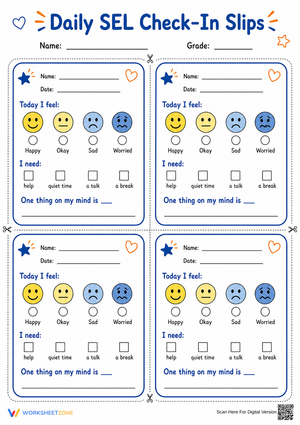
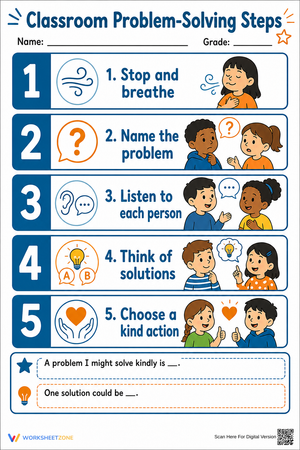
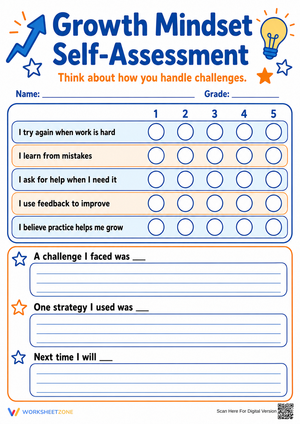
Fifth grade behavior support works best when it feels respectful, clear, and usable during a real school day. Students at this age usually respond better to tools that help them think through choices, name expectations, and reset for the next part of class than to worksheets that read like consequences on paper. That is why many teachers look for 5th grade behavior pdf worksheets they can print quickly and use for morning routines, class meetings, behavior reflection, or follow-up after a rough transition.
In an upper elementary classroom, the most useful behavior pages do two jobs at once. They give students a structure for reflection, and they reinforce the routines and language already used in class. When a printable matches the expectations students hear every day, it feels like part of instruction instead of an extra punishment.
What strong behavior worksheets should include
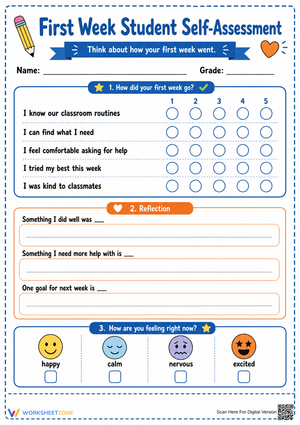
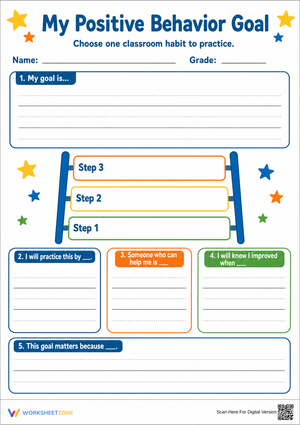
A solid fifth grade behavior printable should be simple enough to use independently but thoughtful enough to support real behavior change. Teachers usually get the best results from pages that focus on one or two clear goals instead of trying to fix everything at once. For grade 5, that often means self-management, peer interactions, or following classroom routines during independent work and group tasks.
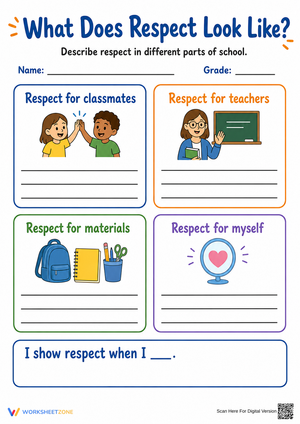
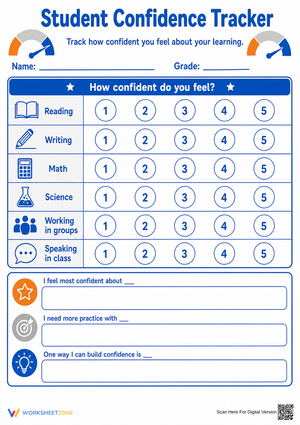
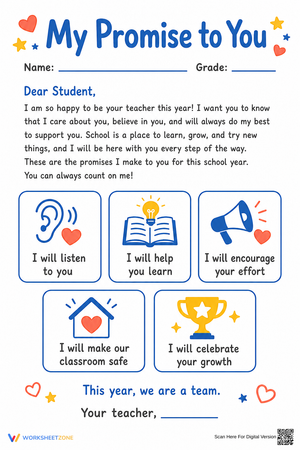
- Clear expectations: Students should see what successful behavior looks like in plain classroom language.
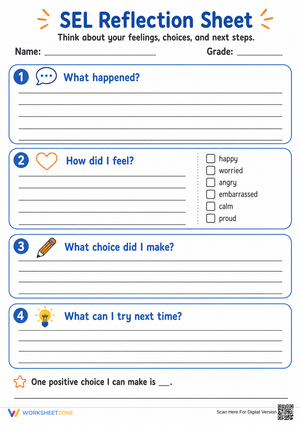
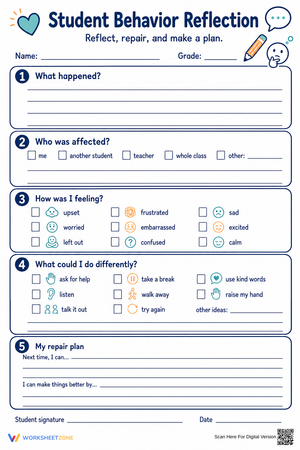
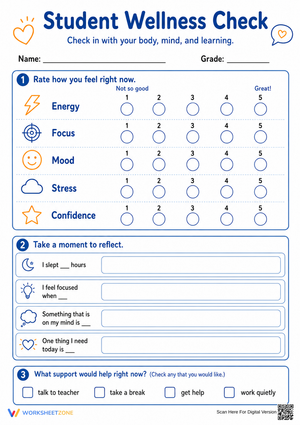
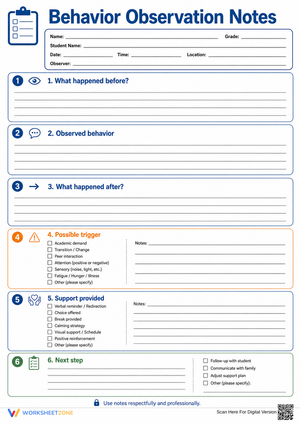
- Brief reflection prompts: Questions such as what happened, what choice was made, and what can be tried next time keep the work focused.
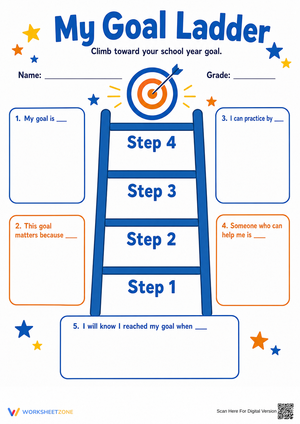
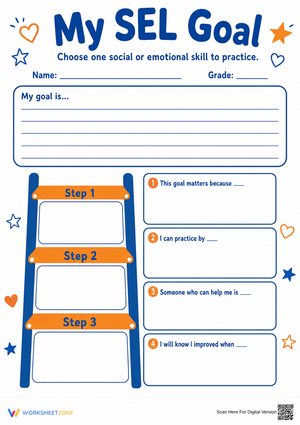
- Space for action steps: A short next-step plan helps the worksheet move beyond apology language.
- Age-appropriate tone: Fifth graders usually engage more when the design and wording are direct, not babyish.
- Connection to daily routines: The best pages fit arrival, transitions, partner work, or end-of-day reflection.
These features make behavior worksheets easier to use as part of class systems instead of as stand-alone paperwork. They also help teachers keep the focus on skill building. In practice, that means a reflection sheet can support better hallway transitions, stronger group discussion habits, or more consistent work completion when it is tied to the same expectations students already know.
How behavior worksheets fit with PBIS routines
Behavior printables are most effective when they reinforce a classroom plan rather than replace one. According to the Center on PBIS, Tier 1 supports are designed for all students and should help 80% or more experience success. That guidance matters for grade 5 teachers because it shifts behavior resources away from reactive discipline and toward explicit teaching, acknowledgment, and consistent response.
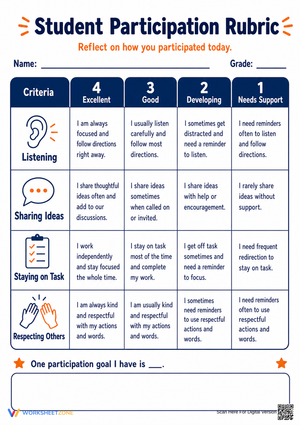
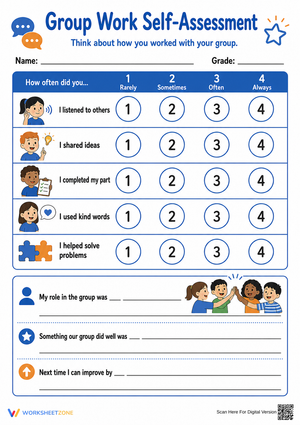
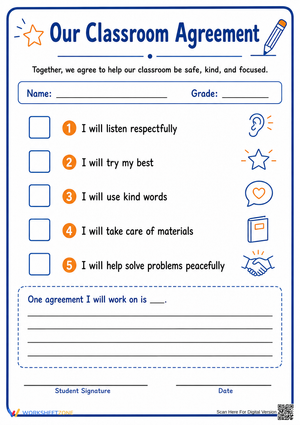
A practical way to align worksheets with PBIS is to connect them to the expectations already used in your room. If your class language centers on being responsible, respectful, and ready to learn, your printables should use the same wording. A quick reflection page can ask which expectation was difficult during a transition. A partner-work checklist can ask students to rate how they shared materials or listened to others. A class agreement page can revisit what those expectations look like during science labs, writing workshop, or small-group reading.
Using a teaching matrix to make printables more specific
The Center on PBIS identifies a classroom teaching matrix as a tool for defining routines, positive expectations, and the social, emotional, and behavioral skills students need during the day. For a fifth grade classroom, that idea is especially useful because behavior problems often show up inside predictable moments: entering class, turning and talking, using technology, lining up, or working in teams.
One strong way to use behavior worksheets is to build them around those routine-based moments instead of around broad labels like disruptive or off task. A grade 5 reflection sheet tied to independent reading can ask about stamina, volume, and materials. A recess reentry page can focus on calming the body, joining the lesson quickly, and using respectful language. That level of specificity gives students something they can actually repeat tomorrow.
When teachers match printables to a teaching matrix, behavior support becomes more instructionally precise. It also helps students who are generally successful but struggle in one setting, such as cooperative learning or transitions after lunch. Rather than sending the message that the student is the problem, the worksheet frames the issue as a routine that can be learned, practiced, and improved.
Connecting worksheets to SEL without making them feel forced
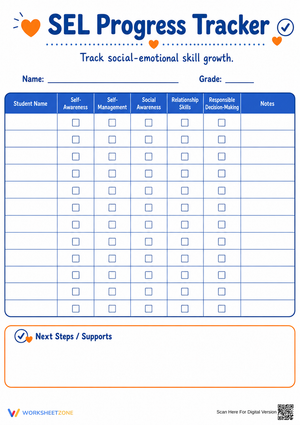
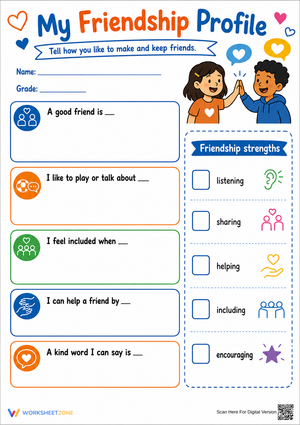
Behavior resources in fifth grade work better when they connect to social and emotional learning in a natural way. CASEL describes five core SEL competencies: self-awareness, self-management, social awareness, relationship skills, and responsible decision-making. Those ideas map well onto the kinds of choices upper elementary teachers address every week, from handling frustration during math to repairing a conflict during group work.
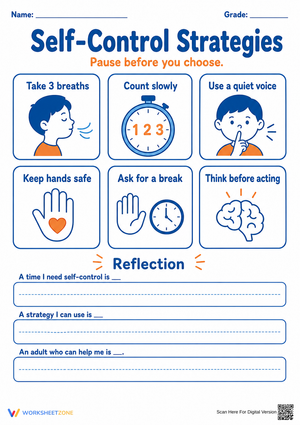
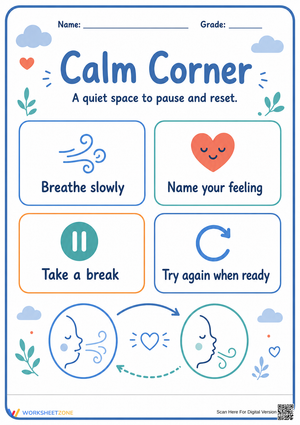
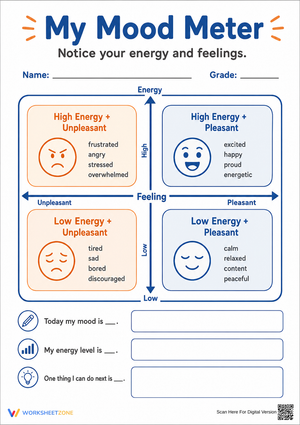
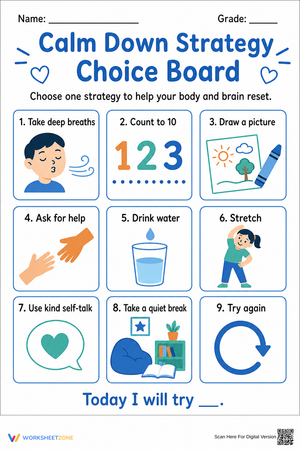
A behavior worksheet does not need to name every competency to be useful. It can focus on one concrete move that students understand. For example, a self-management printable might ask a student to identify a trigger, describe the feeling that came up, and choose a reset strategy for the next class block. A relationship-skills page might ask students to reflect on how they disagreed with a partner and what respectful language would sound better next time. A decision-making prompt might guide students to compare two choices and consider likely outcomes.
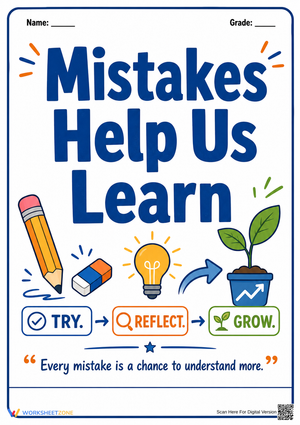
When these pages are short and tied to class events, they feel more like coaching than correction. That is a better fit for grade 5 students, who often want autonomy and fairness. Teachers can still hold a clear line on expectations while using materials that preserve student dignity.
Frequently Asked Questions
1. What should a 5th grade behavior worksheet include?
It should include clear classroom expectations, a short reflection prompt, and a next-step action plan. The most useful pages focus on one routine or behavior at a time so students can identify what happened and what to do differently next time.
2. How can teachers use behavior PDFs without making them feel punitive?
Use them as part of instruction, not just after consequences. When the worksheet matches everyday class expectations and is followed by a brief conversation, students are more likely to see it as coaching. Tone matters too. Keep the language respectful and age-appropriate for fifth graders.
3. Are behavior worksheets appropriate for Tier 1 classroom support?
Yes, when they reinforce universal expectations, routines, and reflection. PBIS guidance emphasizes teaching expected behavior explicitly and supporting success for most students through consistent systems. A printable can help with that when it fits the class routine and does not stand alone.
4. How do behavior worksheets connect to SEL competencies?
They can support self-awareness, self-management, relationship skills, social awareness, and responsible decision-making when prompts ask students to reflect on feelings, choices, and next steps. In grade 5, that connection works best when tied to real classroom events such as group work, transitions, or conflict repair.