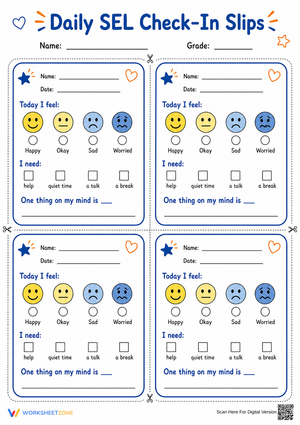
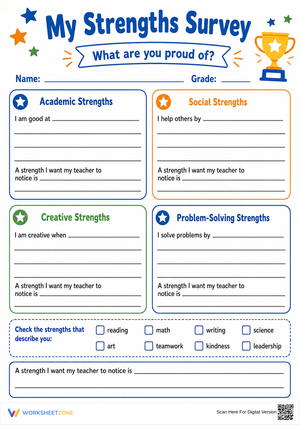
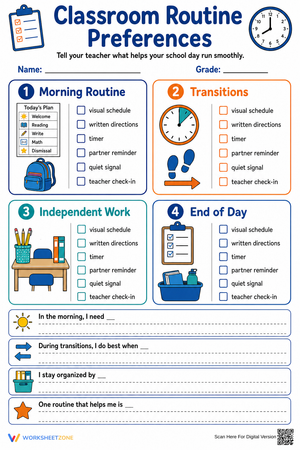
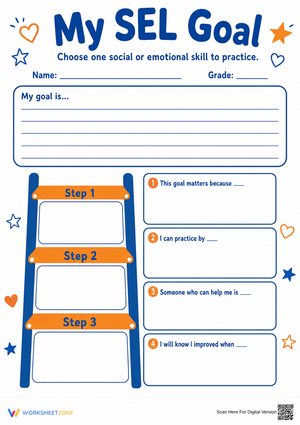
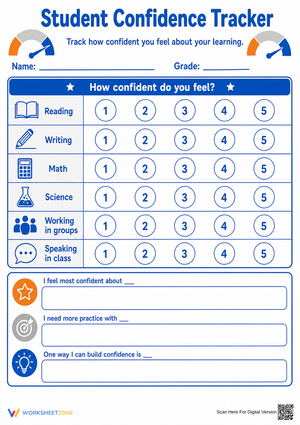
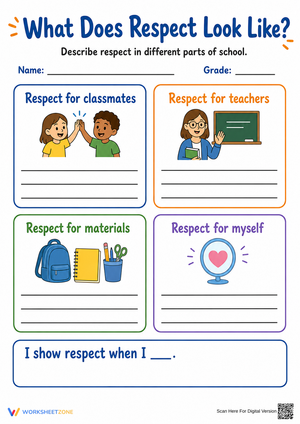
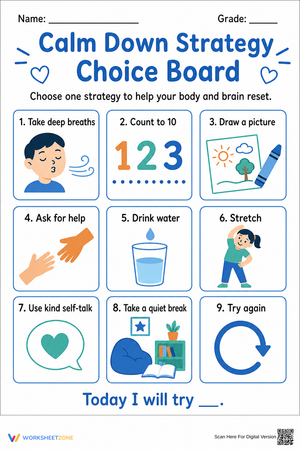
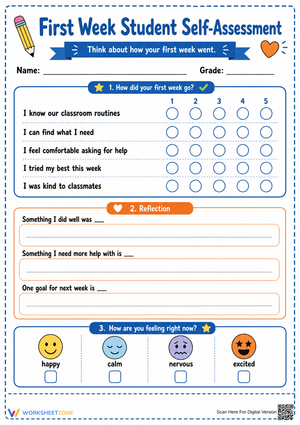
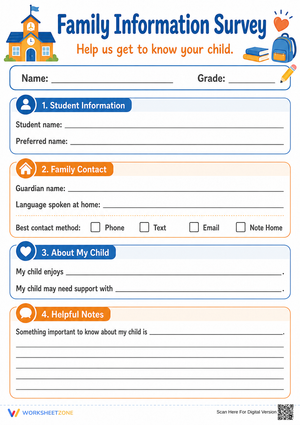
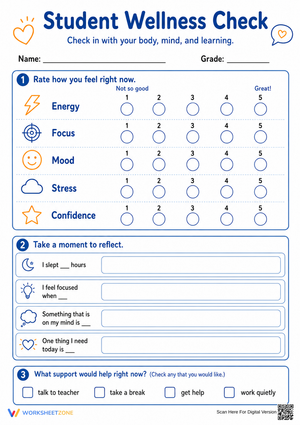
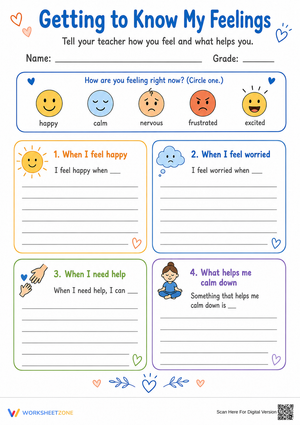
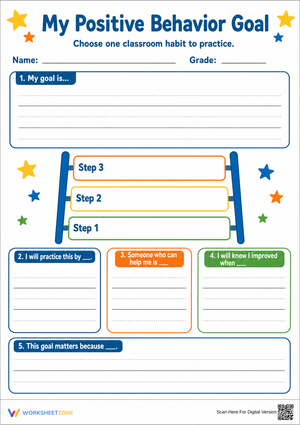
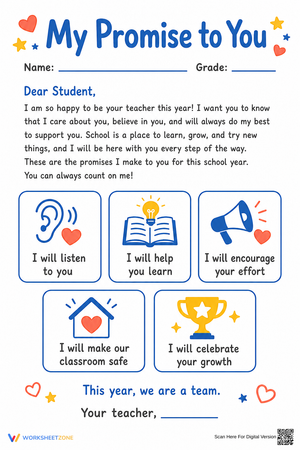
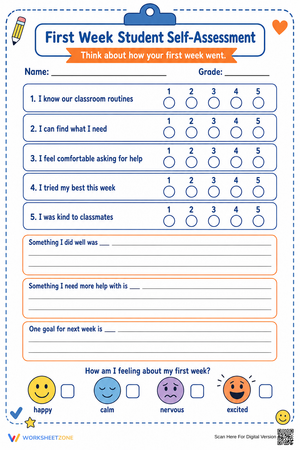
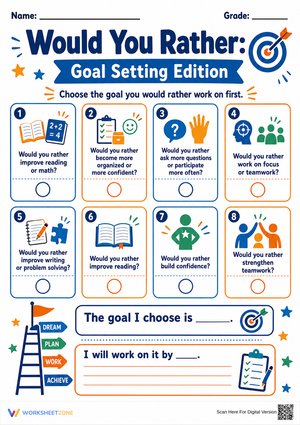
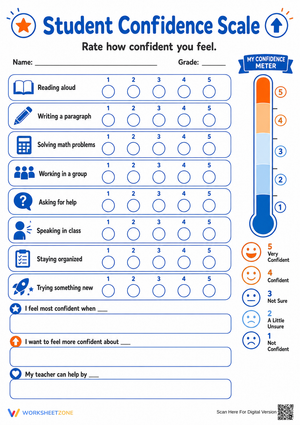
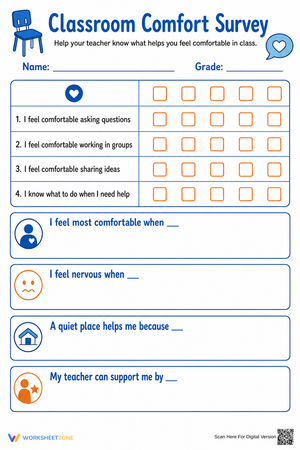
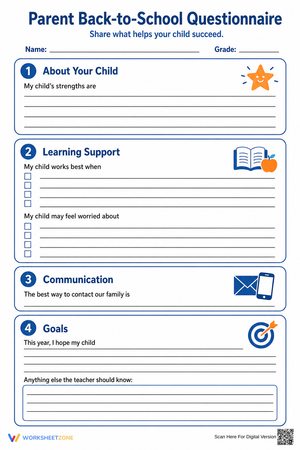
Emotions and feelings PDF worksheets for 5th grade work best when teachers need a structured way to bring self-awareness into the school day. Fifth graders are old enough to move past basic labels like happy, sad, and mad, but many still need guided practice with words such as frustrated, relieved, embarrassed, disappointed, or overwhelmed. A printable worksheet gives that practice a clear frame, so students can name what they feel, connect it to a situation, and explain what they might do next.
That matters in upper elementary classrooms because emotional language affects more than SEL time. It shows up in partner work, writing stamina, conflict resolution, and behavior reflection. When students can identify what they are feeling with more precision, class conversations usually become more productive. Instead of reacting first and explaining later, students have a routine for stopping, labeling, and reflecting.
What strong emotions worksheets should include in grade 5
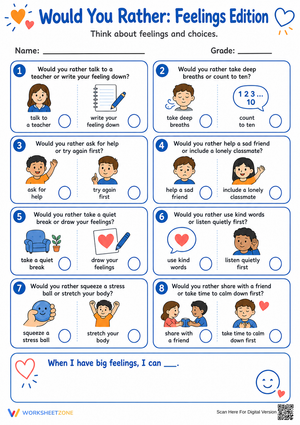
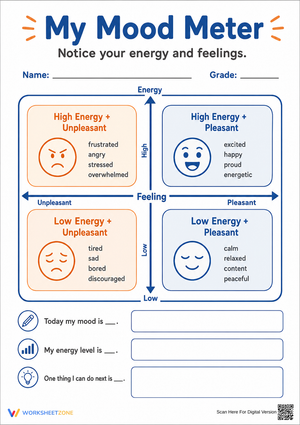
The best worksheets for this age group do more than ask students to circle a face or match a word to an emoji. Fifth grade students need tasks that ask them to compare feelings, notice intensity, and apply vocabulary to realistic school situations. A strong page usually includes a word bank with nuanced options, short scenarios, and prompts that ask students to justify their choices with evidence from the situation or from their own reflection.
Useful worksheet sets also leave room for multiple entry points. Some students may be ready for written reflection, while others do better with sentence starters, sorting tasks, or partner talk before they write. When a page includes both identification and explanation, it becomes easier to adapt for independent practice, intervention, or discussion.
- Emotion vocabulary: words beyond basic feeling labels.
- Scenario analysis: school-based situations students can realistically discuss.
- Reflection prompts: questions about triggers, thoughts, and responses.
- Flexible format: enough structure for independent work and enough depth for discussion.
How these worksheets connect to self-awareness goals
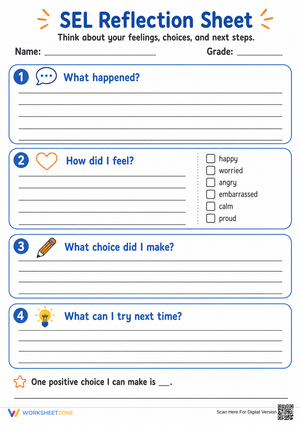
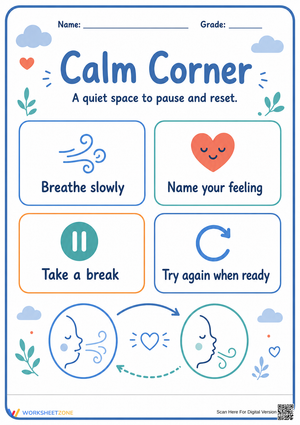
In school settings, emotions worksheets are most effective when they support self-awareness rather than acting like a stand-alone fix for behavior. Students still need teacher modeling, discussion, and routines around regulation, but worksheets give them a concrete place to organize their thinking. For 5th graders, that usually means identifying what happened, naming the emotion, and considering which response would help them rejoin learning or relationships successfully.
By 5th grade, many students can identify a primary feeling but still struggle with intensity and mixed emotions. That is where a well-designed worksheet becomes more than a labeling task. When students have to distinguish annoyed from angry, worried from overwhelmed, or proud from relieved, they start building the language needed for more accurate reflection. In classroom practice, that precision often reduces vague responses like "I don't know" and leads to better follow-up conversations with teachers, peers, or support staff.
Classroom Implementation
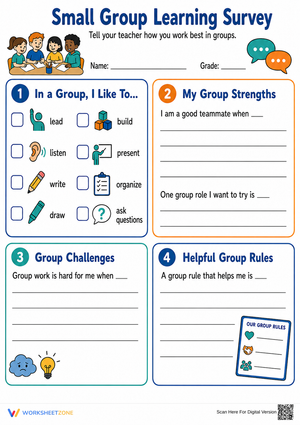
Teachers have several practical ways to use emotions and feelings PDF worksheets for 5th grade without adding much prep time. In morning meeting, a worksheet can act as a quiet check-in before discussion. In health or SEL, it can anchor a mini-lesson on emotional vocabulary. During writing, it can become a prompt for narrative reflection or perspective taking. After peer conflict, it can help students slow down and explain what happened before they move into problem solving.
A simple classroom routine usually works best. First, give students a prompt or scenario. Next, ask them to choose a feeling word and explain why it fits. Then, move to a short partner or small-group conversation where students compare answers and notice how the same event can lead to different emotions. That last step matters because it helps students read social cues and understand that classmates may react differently to the same situation.
- Morning meeting: use one question as a fast check-in.
- SEL block: build a short lesson around vocabulary and scenario discussion.
- Writing warm-up: connect feelings language to personal narrative or response writing.
- Conflict follow-up: support reflection before restorative conversation.
Using feelings worksheets to support behavior and school performance
Student emotional well-being affects behavior, relationships, and school performance, which is why feelings worksheets have value beyond a single SEL block. If a student shuts down after a mistake, argues with a peer, or struggles to explain what happened during a conflict, a structured page can make the next conversation more useful. Instead of relying on a broad verbal question such as "What was going on?" teachers can ask the student to identify the feeling, describe the trigger, and consider a more effective response.
The CDC source Helping Children Cope with a Disaster is a reminder that stress can show up as emotional or behavioral change in children. In a school setting, that does not mean teachers are expected to diagnose or provide treatment. It does mean that student behavior may reflect worry, frustration, sadness, or overwhelm, and a simple worksheet can help adults respond with more clarity.
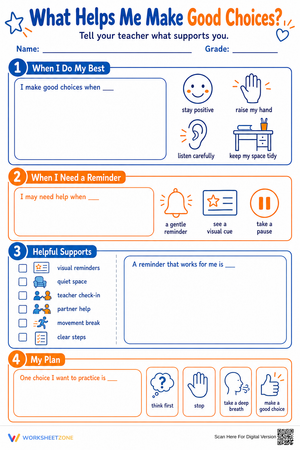
Used this way, the worksheet becomes a bridge between behavior support and academic readiness. Students who can explain what they feel are often better able to ask for help, reset after a setback, and return to learning with less conflict. That is a practical reason these resources belong in upper elementary classrooms.
Frequently Asked Questions
1. What should an emotions and feelings worksheet include for 5th grade students?
It should include age-appropriate emotional vocabulary, realistic school scenarios, and short reflection prompts that ask students to explain why a feeling word fits. Fifth graders benefit from tasks that move beyond basic labels and into evidence, intensity, and response choices.
2. How can teachers use feelings worksheets during SEL or morning meeting?
Teachers can use them as a quick check-in, discussion starter, writing warm-up, or small-group reflection page. They work especially well when paired with one short follow-up question or a partner conversation instead of a long assignment.
3. Are emotions worksheets appropriate for classroom use versus counseling use?
Yes. In classrooms, they support vocabulary, reflection, and communication. Counselors can also use the same pages for brief check-ins or targeted small-group support. The key is to keep the purpose focused on SEL skill-building and classroom-ready reflection rather than treatment.
4. How do printable feelings worksheets help students build emotional vocabulary?
They give students repeated practice with precise feeling words in a structured format. Over time, students learn to distinguish between similar emotions, explain what triggered them, and use clearer language during class discussions, writing, and behavior reflection.