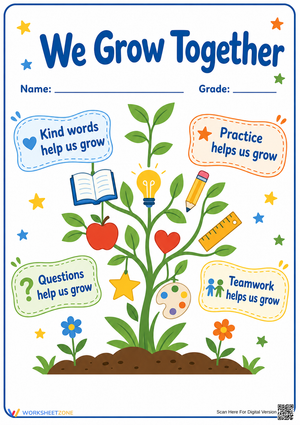
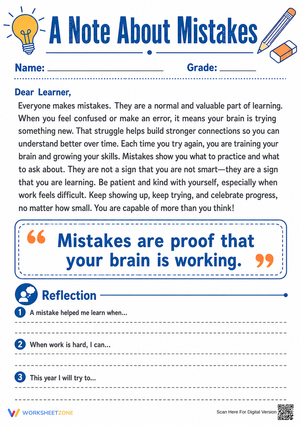
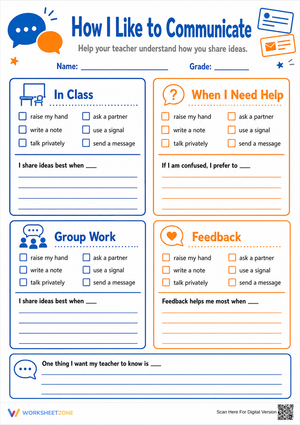
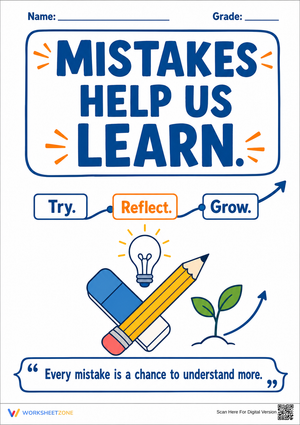
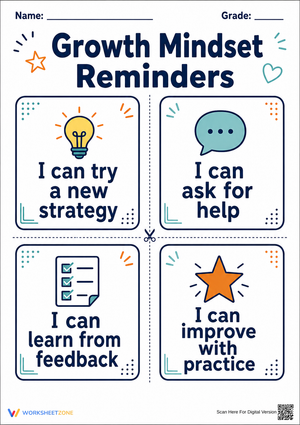
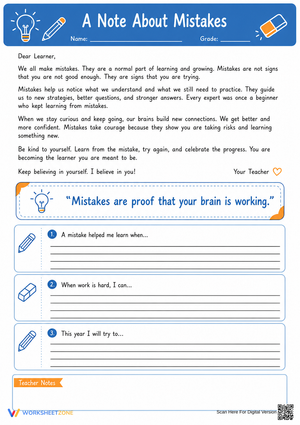
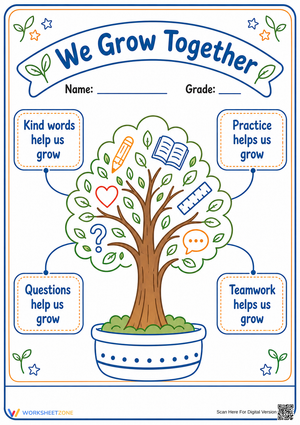
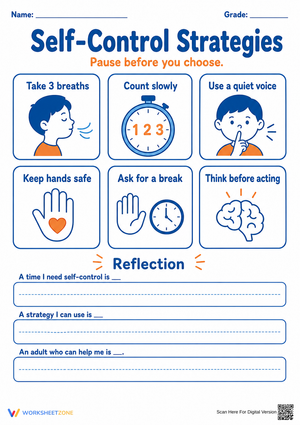
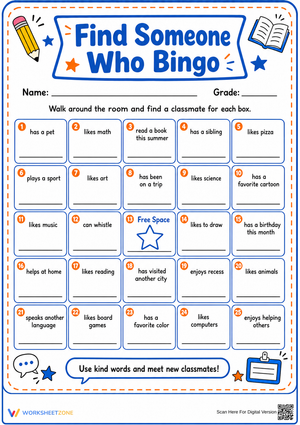
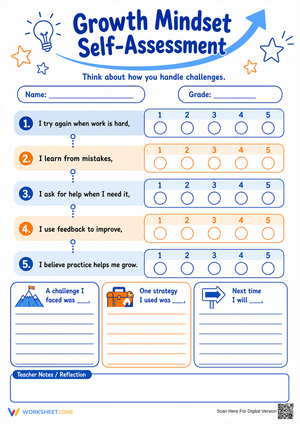
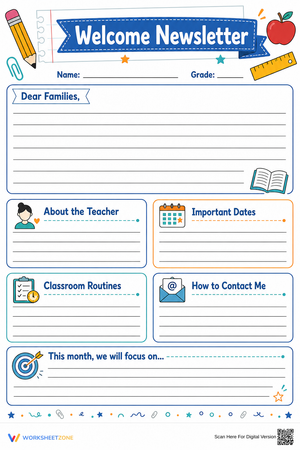
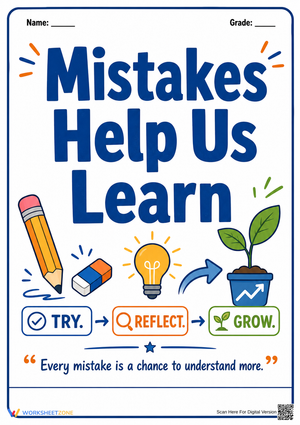
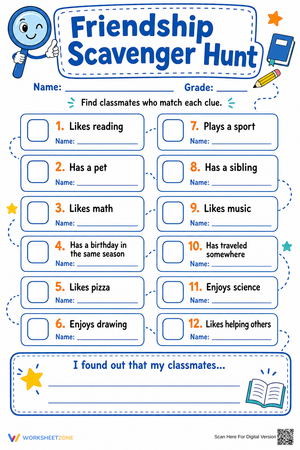
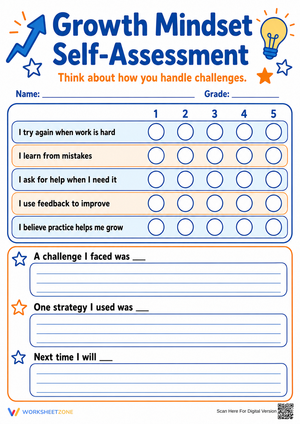
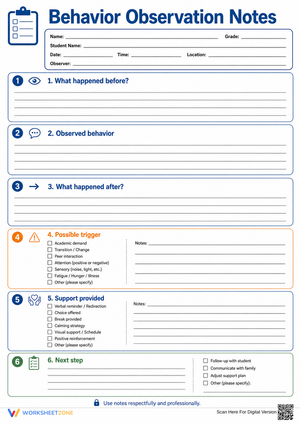
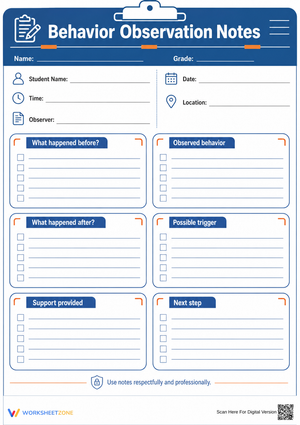
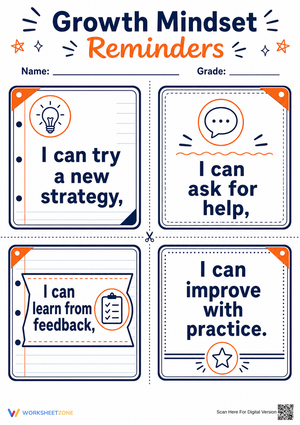
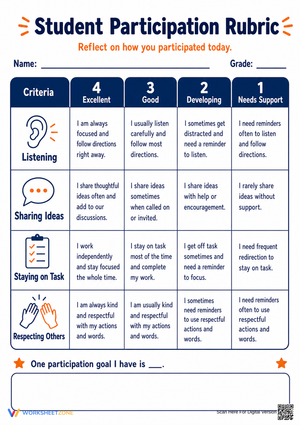
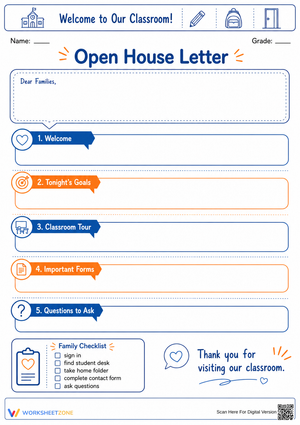
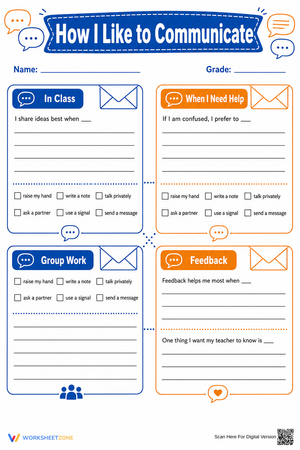
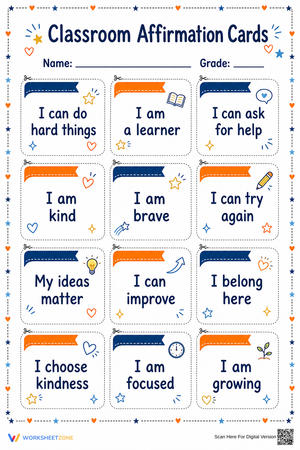
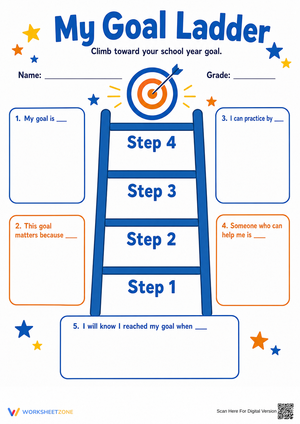
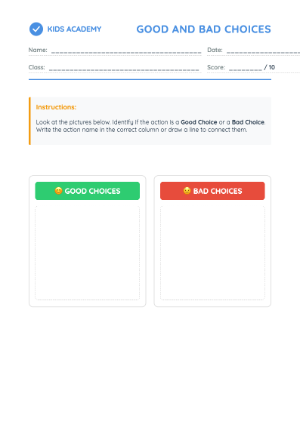
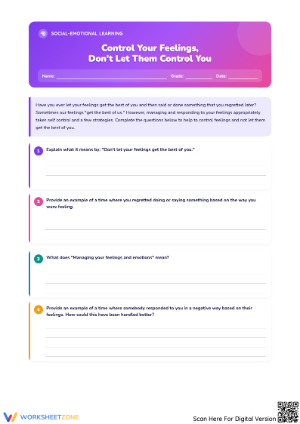
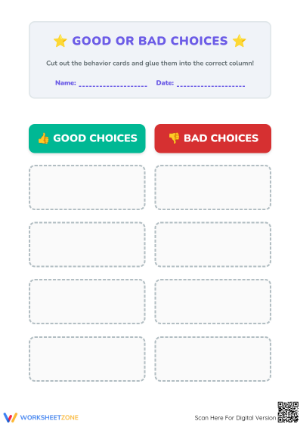
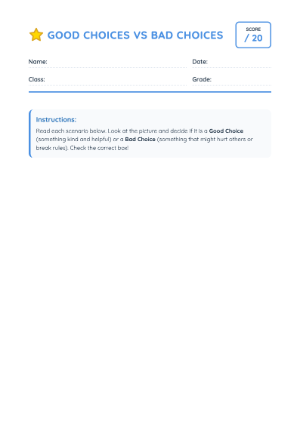
For many teachers, the best 5th grade social skills worksheets are the ones that make discussion more focused, help students repair missteps, and give adults a clearer read on what students understand socially, not just academically. Instead of asking students to talk abstractly about respect or empathy, these kinds of worksheets should give them a concrete prompt, a short scenario, or a clear self-check they can respond to in writing first. When the worksheet is brief, specific, and tied to classroom routines, it becomes a practical teaching tool instead of extra paperwork.
Which Social Skills Matter Most in Grade 5
Upper-elementary students usually benefit most from direct practice in empathy, communication, conflict resolution, teamwork, and self-regulation. Those priorities line up well with the five competency areas described in What Is the CASEL Framework?: self-awareness, self-management, social awareness, relationship skills, and responsible decision-making. For grade 5, the goal is not to make every task feel like a counseling lesson. The goal is to help students notice what happened, name the skill involved, and choose a better response the next time.
- Empathy: perspective-taking prompts, reading social cues, and noticing how actions affect classmates.
- Communication: sentence starters for disagreement, active listening checks, and discussion reflection.
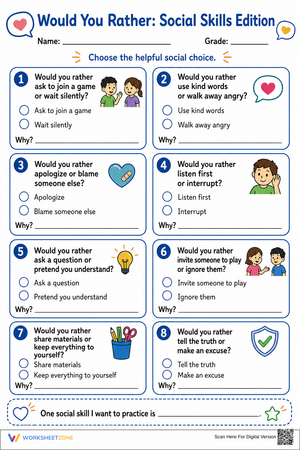
- Conflict resolution: short scenarios that ask students to compare impulsive and thoughtful responses.
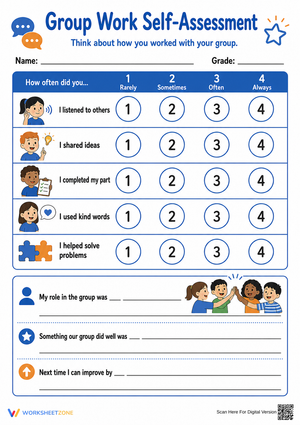
- Teamwork: group-role reflection pages and accountability check-ins after collaborative tasks.
- Self-regulation: behavior reflection sheets, calm-down planning, and redo thinking after a rough moment.
Teachers do not need a separate worksheet for every possible behavior. A smaller set of repeatable formats often works better because students learn the routine and can focus on the thinking.
Worksheet Formats Teachers Can Use Right Away
The most worth-downloading social skills pages for fifth grade tend to be fast to introduce and easy to sort. Scenario pages work well because students at this age can compare choices, predict outcomes, and explain why one response is more respectful or effective. Reflection sheets are another strong option after recess, group projects, or peer conflict because they slow students down and create a record of their thinking. Exit tickets help teachers check whether a mini-lesson on listening, problem solving, or respectful disagreement actually landed.
- Role-play prompts: students prepare what they could say in a common social situation.
- Discussion cards in worksheet form: quick written responses before partner sharing.
- Self-reflection pages: students rate how they handled a situation and identify a next step.
- Group-work debriefs: students reflect on participation, listening, and flexibility.
- Behavior think sheets: students connect a choice, an impact, and a repair action.
These formats are especially helpful when teachers want something more structured than a whole-class conversation but lighter than a full SEL unit lesson.
How to use social skills worksheets in the 5th grade lessons
Social skills worksheets are most effective when they are embedded in routines students already know. A fifth grade teacher might use one after a collaborative science lab, during Friday class meetings, at the end of a conflict-heavy recess day, or as a short opener before literature circles. The worksheet should not replace discussion. It should prepare students for better discussion by giving them a chance to think, write, and organize their response.
A simple implementation pattern works in many classrooms: teach one social skill explicitly, model it with a short scenario, let students complete a related worksheet independently or with a partner, then close with a brief share-out. This keeps the task instructional rather than punitive. It also makes the worksheet useful for universal SEL routines, not only for discipline follow-up.
One often-missed advantage of written social skills practice in grade 5 is that it exposes language gaps, not just behavior gaps. A student may know that interrupting a classmate is unhelpful but still lack the sentence frame to disagree respectfully. When worksheets include short response stems, teachers can coach communication precision before conflict grows during middle school transition years.
School Connectedness Helps Students Thrive explains that when students feel adults and peers care about them and their learning, schools see stronger grades, attendance, and graduation outcomes, along with lower risks tied to mental health, violence, and substance use. That makes social skills instruction a classroom support, not an add-on.
Frequently Asked Questions
1. What social skills should 5th graders practice most in class?
Fifth graders usually need regular practice with empathy, respectful communication, conflict resolution, teamwork, and self-regulation. These skills help them manage peer issues, participate in discussion, and handle the greater independence expected before middle school.
2. How can teachers use social skills worksheets during SEL or morning meeting?
Teachers can use them as a quick warm-up after introducing one skill, a written response to a scenario, or a reflection tool after class discussion. In morning meeting, a brief worksheet can prepare students for partner talk and make the conversation more focused.
3. Are social skills worksheets useful for counseling groups or behavior intervention?
Yes. They work well in small groups, check-ins, and behavior support because they provide structure, consistent language, and a simple way to track growth over time. They are especially helpful when staff want students to connect an action, its impact, and a better next choice.
4. What makes a social skills worksheet age-appropriate for 5th grade?
An age-appropriate page uses realistic upper-elementary situations, clear directions, and enough writing to promote thinking without overwhelming students. It should feel respectful, practical, and connected to real classroom interactions rather than overly simplistic or generic.