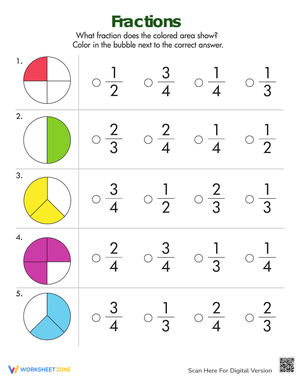
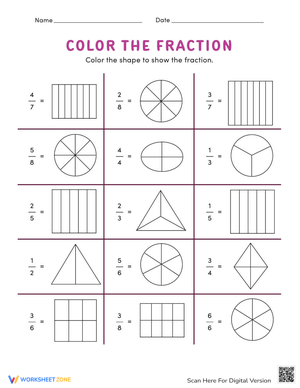
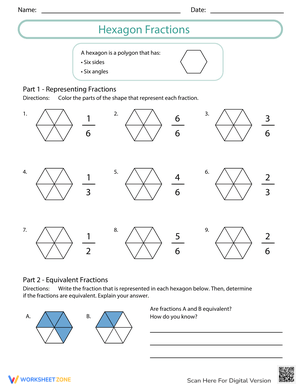
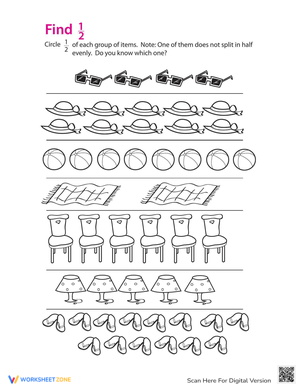
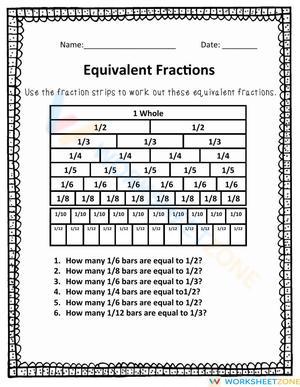
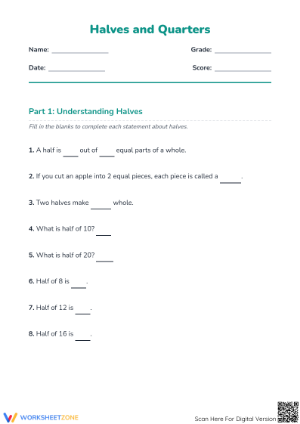
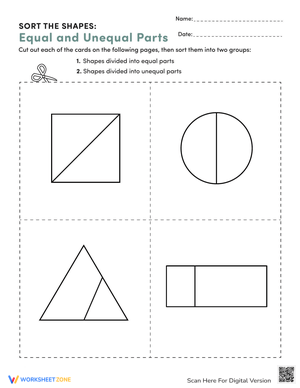
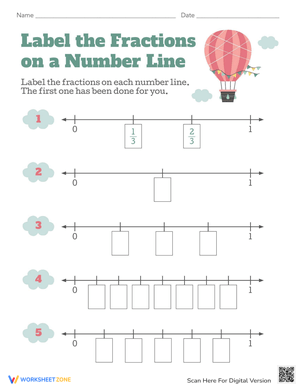
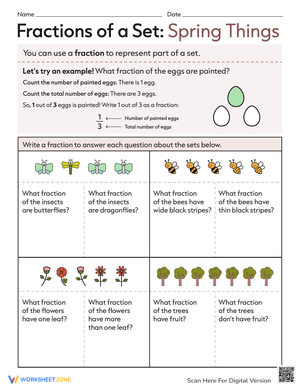
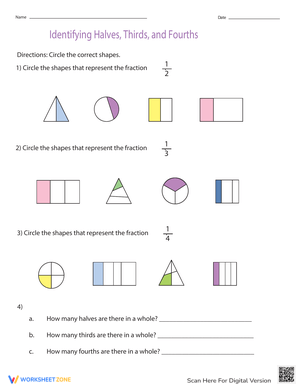
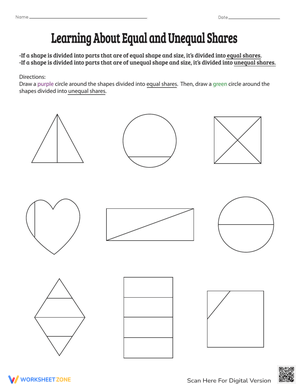
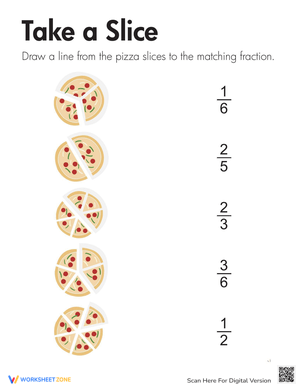
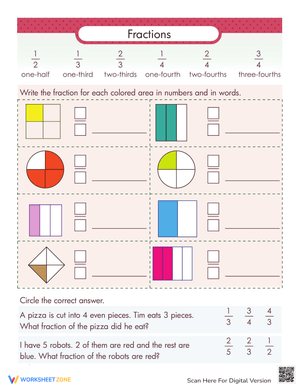
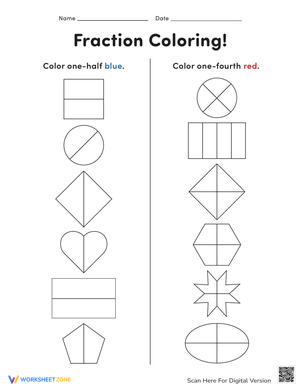
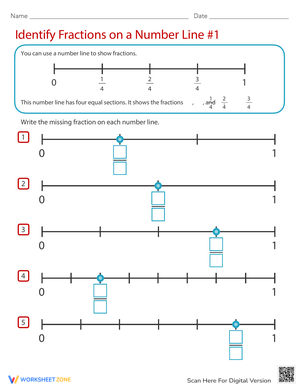
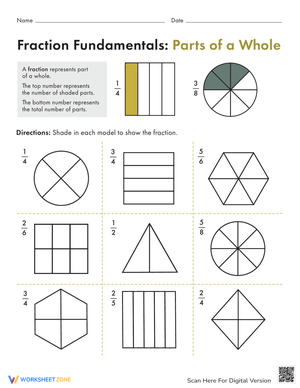
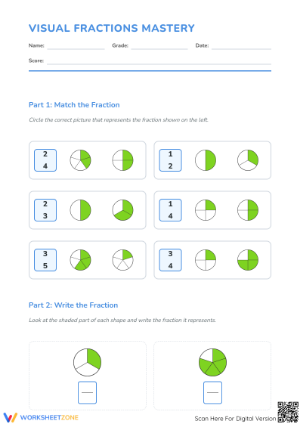
These fraction models worksheets for 3rd grade give teachers three distinct visual representations in one downloadable set — area models, number lines, and set models — covering the full scope of 3.NF.A before fraction operations become the focus in 4th grade. Each worksheet isolates one model type so teachers can introduce, assess, and reteach without mixing representations before students are ready for that complexity.
The Three Model Types and What Each One Does
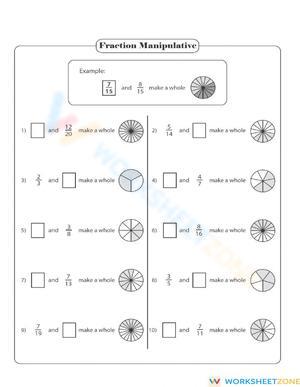
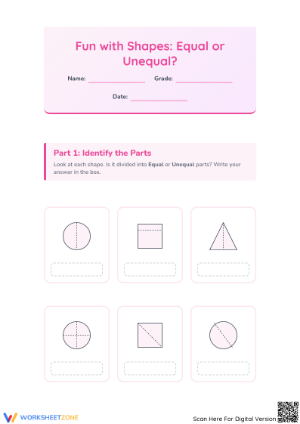
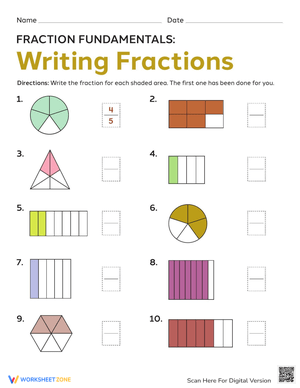
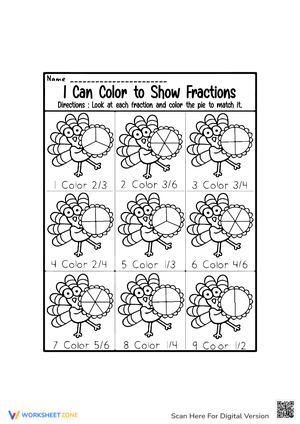
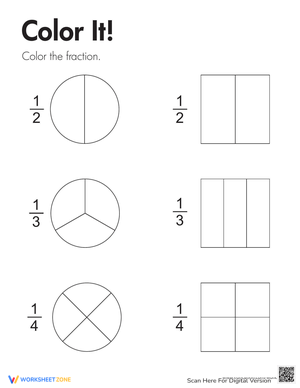
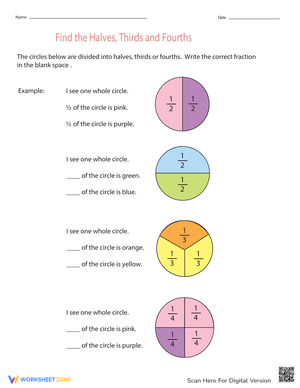
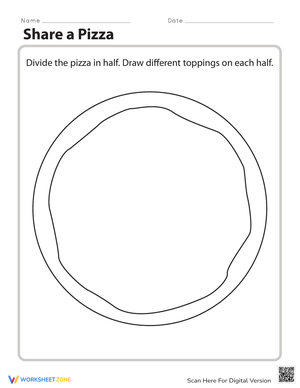
Area models are the natural starting point for most 3rd graders, and the set reflects that sequence. Students partition rectangles, circles, and squares into equal sections, then shade a specified number to represent a given fraction. The rectangle does the most instructional work here because its partitioned form connects visually to the number line — you can point directly to the shared structure. Circles feel familiar from pizza and pie contexts, which makes them low-stakes for introduction, but rectangles carry more mileage as the unit progresses.
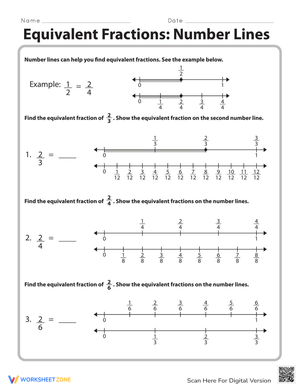
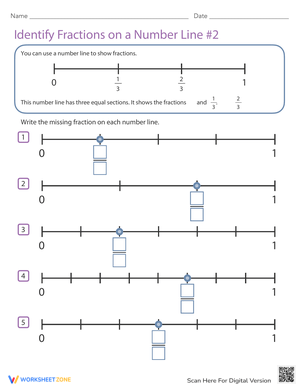
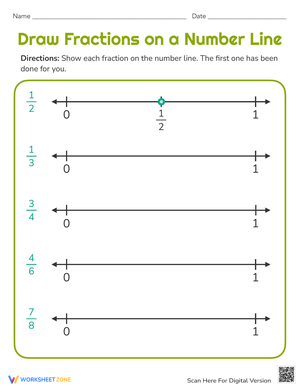
Number line worksheets increase the abstraction considerably. Students must define the unit interval from 0 to 1, divide it into equal segments, and mark the fraction at the correct endpoint. This format requires students to treat a fraction as a location — a number with magnitude — rather than a shaded piece of something. That shift is where deeper understanding lives, and it is also where errors cluster most densely. Students who move through shading tasks without trouble will often slow down sharply on number line tasks, which is useful information about how far their understanding actually reaches.
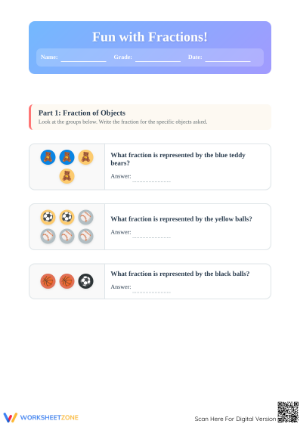
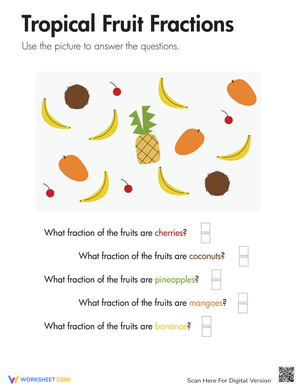
Set model worksheets present fractions as a portion of a discrete collection: eight apples with two colored red, twelve shapes where five are triangles. The key conceptual move is recognizing that the "whole" is the entire group rather than a continuous region. This model connects to early division thinking in a way area models do not, and it also previews ratio reasoning that becomes central in middle school. Including set models alongside the other two ensures students leave 3rd grade with a fraction concept that works beyond shading a shape.
Mistakes Students Make That These Worksheets Surface Immediately
On area model worksheets, unequal partitioning is the most persistent problem. A student drawing "fourths" who makes one slice noticeably wider than the others may genuinely believe that the number of cuts determines the fraction, not the equal size of the parts. The drawing is honest data: a student who partitions correctly on a pre-divided worksheet but incorrectly on a blank one has told you exactly where the understanding stops. That distinction is worth looking for when you collect the set.
Number line errors follow a predictable pattern. Students count tick marks rather than intervals, so on a number line divided into fourths, they place 3/4 at the fourth mark from zero rather than the third. The error makes sense from their perspective — the "4" in the denominator feels connected to the fourth mark. Having students trace each segment with a finger while counting intervals aloud resolves this confusion faster than re-explaining the rule, and it is a move worth building into guided practice before students work through the worksheet independently.
Set model errors are subtler. A student who writes 2/4 instead of 2/6 when two of six objects are colored has produced a fraction that looks reasonable but reflects a miscounted whole. Sometimes this comes from a genuine misunderstanding of the denominator; sometimes the student is attempting to simplify using multiplication knowledge they have but can't yet apply correctly in this context. It is worth asking a quick follow-up question to distinguish between those two causes before deciding how to respond.
Building These Worksheets Into Your Lesson Week
Immediate post-instruction practice is where these worksheets earn their place. The area model worksheet belongs right after whole-group introduction, while you are still in the room and can catch unequal partitions before a student practices them into habit. Sending this home as first-night homework before you have seen a student's partition drawings is a real risk — errors get reinforced without correction, and they are harder to undo the next day.
For a fraction models worksheets for 3rd grade to deliver results across the full unit, separate the three model types across different lessons rather than bundling them. Presenting area, number line, and set tasks in the same session gives students too many representational shifts at once, and by the end of that period, confusion between models is almost guaranteed. One model per lesson, with a short number line warm-up on Monday to surface weekend retention loss, keeps the unit moving without sacrificing depth. The Monday number line task takes 5–8 minutes and produces immediate information about who needs a pull-aside before the main lesson begins.
Standard Alignment
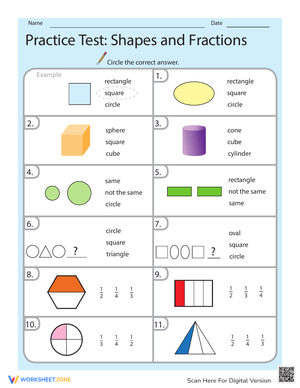
3.NF.A.1 requires students to understand a fraction 1/b as one part when a whole is partitioned into b equal parts, and to understand a/b as the quantity formed by a parts of size 1/b. Area model worksheets address this directly, but the most informative tasks are those that ask students to draw the partitions themselves. Pre-divided shapes can be answered by counting without understanding equal size; blank shapes cannot.
The number line worksheets in this fraction models worksheets for 3rd grade set cover 3.NF.A.2a (representing 1/b on a number line) and 3.NF.A.2b (representing a/b on a number line) in sequence, starting with unit fractions before moving to non-unit fractions. Teachers planning end-of-unit assessment should note that 3.NF.A.2b — placing a non-unit fraction on a number line — is the sub-standard most frequently tested at this grade level on state assessments. Students who only practiced area models are often unprepared for it.
Adjusting the Worksheets for a Range of Learners
Students still working on equal partitioning do better when physical materials accompany the printed worksheet. A paper strip folded into thirds beside the area model worksheet makes the equal-parts requirement tangible in a way the printed rectangle alone does not. Fraction tiles work similarly for set models — students can arrange the tiles to match the collection on the worksheet before committing an answer in writing. Removing the physical support is a natural next step once partition drawings are consistently equal.
Students who move quickly through area and set model tasks find natural extension in the number line format. Asking them to place two fractions on the same number line and write a comparison statement using "less than" or "greater than" pulls them toward 3.NF.A.3d without departing from the representational work the rest of the class is still consolidating. This keeps advanced students within the same conceptual territory rather than pushing them into fraction operations, which belong in 4th and 5th grade.
When a student cannot partition a blank shape into equal parts even with physical support, the underlying difficulty is often spatial rather than a fraction misunderstanding. A short detour into shape-splitting tasks — dividing a rectangle into equal columns using a ruler — usually clears that spatial confusion within a few sessions and makes the return to fraction work much smoother than repeated fraction re-teaching would.
Frequently Asked Questions
Can these worksheets serve as formative assessment?
They work well for formative purposes because each worksheet produces visible evidence of student reasoning rather than a binary right-or-wrong answer. A student who identifies 3/4 correctly on a pre-partitioned shape but draws unequal parts on a blank shape has given you specific, actionable information about where understanding stops. Collecting one worksheet per student after a lesson gives a class-wide snapshot before the next day's instruction — faster than a written exit ticket and often more revealing.
What if students already know halves and fourths before the unit starts?
A fraction models worksheets for 3rd grade that includes both familiar denominators (halves, fourths) and less familiar ones (thirds, sixths, eighths) lets teachers quickly separate students who have a transferable understanding of equal partitioning from those who have memorized the visual appearance of a specific fraction. Students who know halves cold will often struggle to partition thirds because they cannot rely on a symmetry shortcut. That struggle is worth surfacing in the first week.
How do set model worksheets connect to multiplication and division?
Set model work mirrors the structure of division: finding 1/4 of a group of 12 is the same operation as dividing 12 by 4. Teachers who are introducing multiplication and division alongside the fraction unit can make this connection explicit during the lesson debrief. It is not a detour from fraction instruction — it is the same conceptual territory approached from a different angle, and naming the connection helps both strands stick rather than sitting in separate mental compartments.













 Interactive Worksheet Maker
 Quiz Maker
 Word Search Maker
 Crossword Puzzle Maker
 Word Scramble Generator
 Sentence Scramble Generator
 Handwriting Worksheet Generator
 Name Tracing Generator
 Fill In The Blank Generator