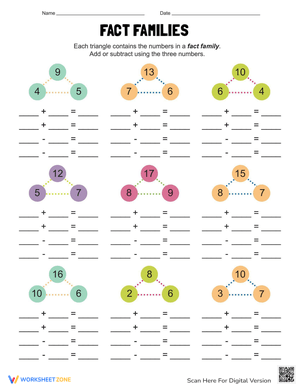
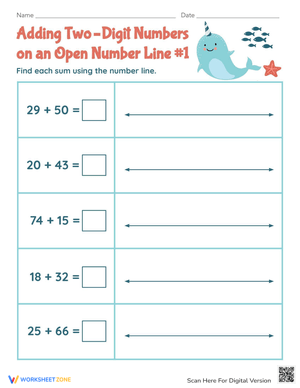
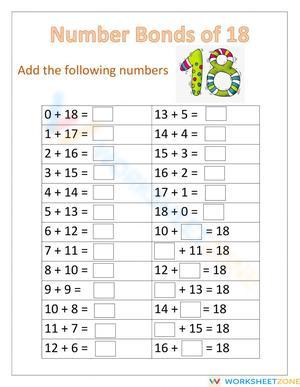
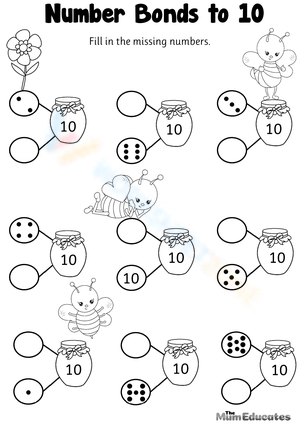
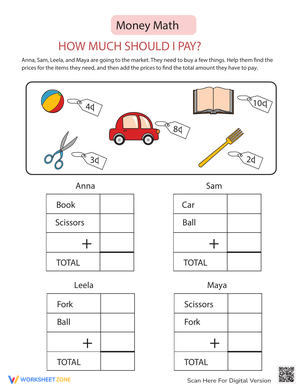
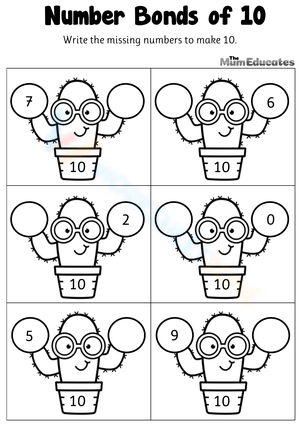
These 1st grade addition strategies printable worksheets give first-grade teachers a focused set of strategy-specific practice materials organized around the four mental math methods the grade requires: counting on, making ten, doubles, and near doubles. Each worksheet targets one method rather than mixing all four, which keeps the cognitive load manageable for six- and seven-year-olds still learning to hold multi-step thinking in working memory. The set moves students from finger-counting toward flexible mental math through deliberate, incremental practice.
The Specific Skills Covered Across the Set
The 1st grade addition strategies printable worksheets in this collection divide into four strategy families, each represented by multiple worksheets at different levels of abstraction — visual, representational, and abstract — so teachers can match the format to where a student actually is rather than where the calendar says they should be.
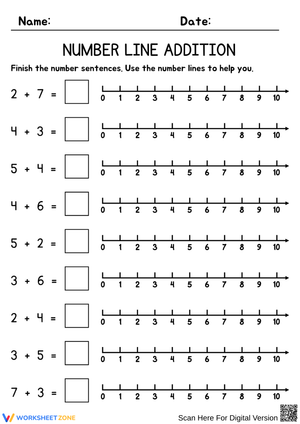
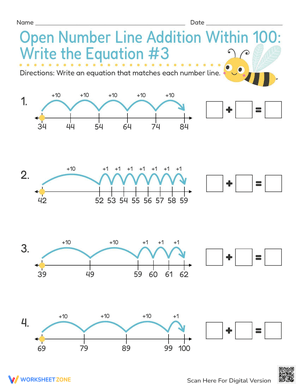
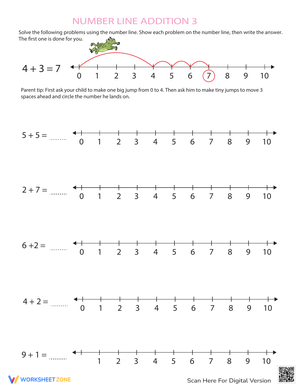
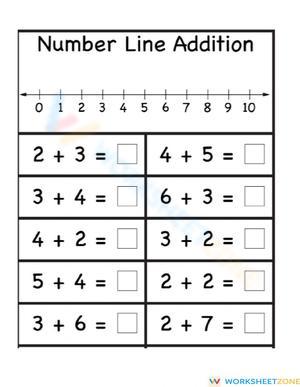
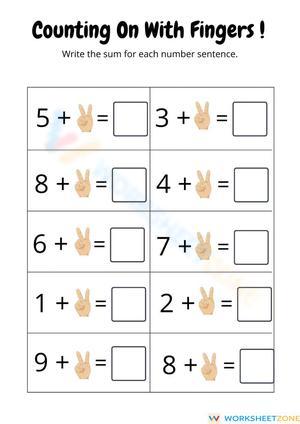
- Counting on — Students identify the larger addend, hold it in mind, and count forward only the number of steps the smaller addend requires. Early worksheets pair this with open number lines where students mark each jump; later worksheets remove the visual prompt entirely.
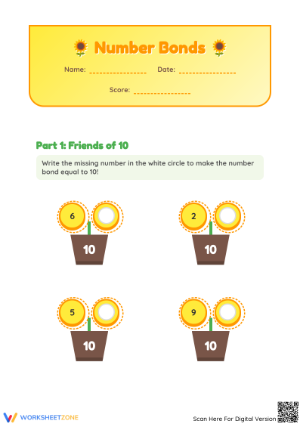
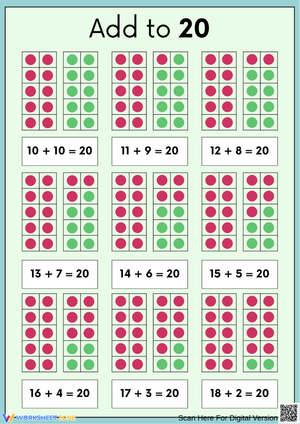
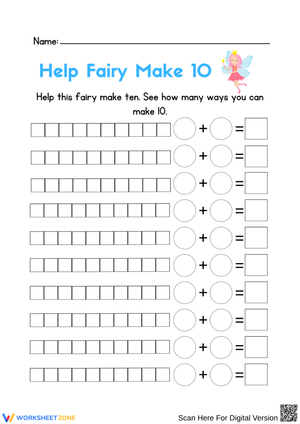
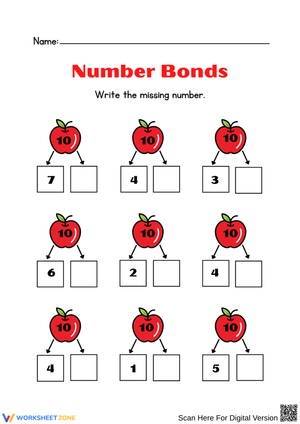
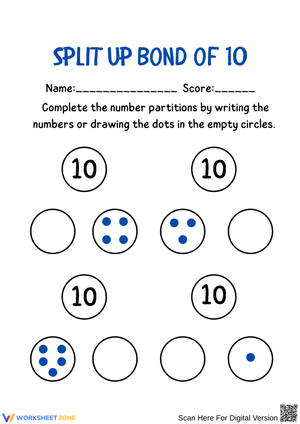
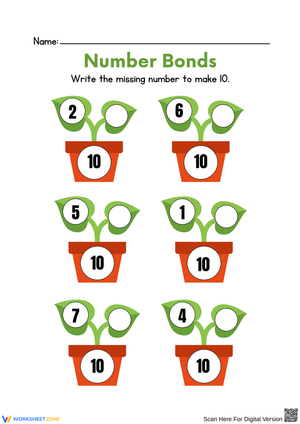
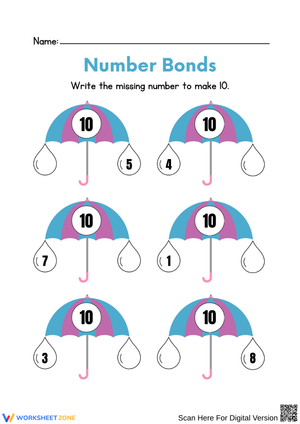
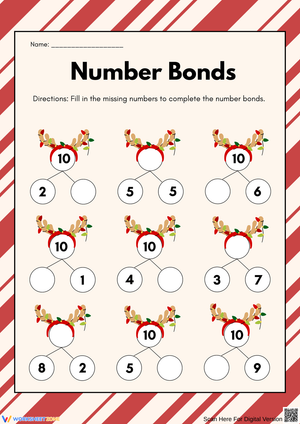
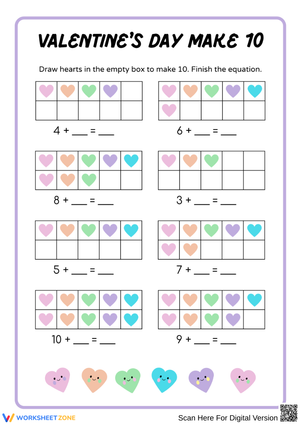
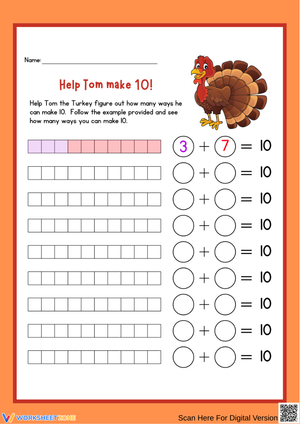
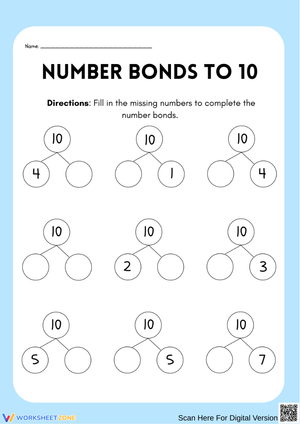
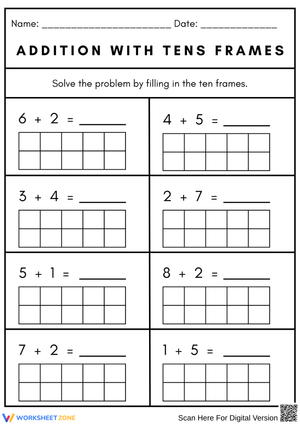
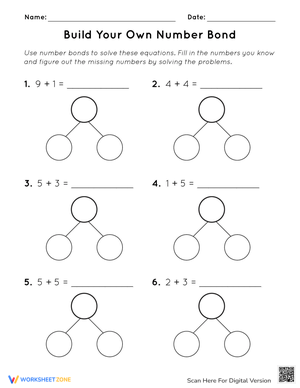
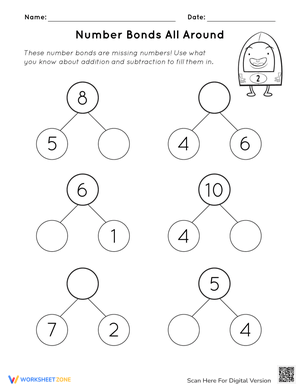
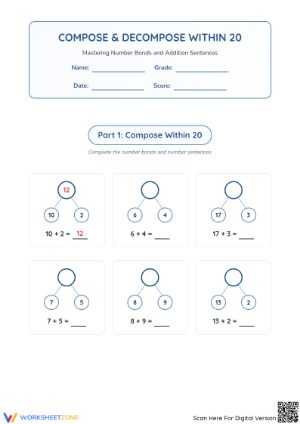
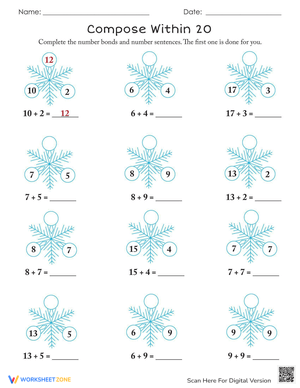
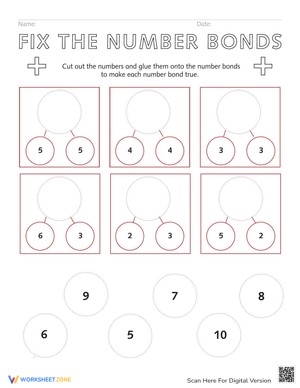
- Making ten — Students decompose one addend to complete a group of ten with the other. Ten-frame worksheets show the first addend pre-filled; students draw the remaining dots, then record what is left over. Number bond versions follow once the visual representation is solid.
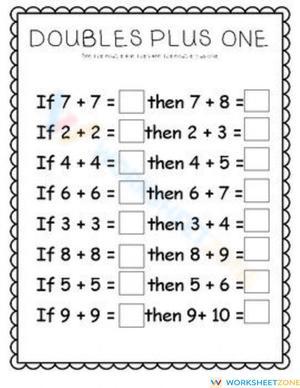
- Doubles — Isolated doubles practice (2+2 through 9+9) builds the anchor facts students need before near doubles make any sense as a strategy.
- Near doubles — Once doubles facts are reliable, students practice recognizing equations that sit one step away from a known doubles fact and adjusting the sum accordingly.
Missing addend problems appear throughout the set because first graders encounter unknowns in both horizontal and vertical formats on assessments, and the unfamiliar presentation trips up students who have only practiced standard a+b=? form.
Lesson-Planning Ideas to Get the Most From These Worksheets
The most productive approach is strategy-of-the-week sequencing. Introduce the method on Monday with physical manipulatives — counters on ten-frames, linking cubes for doubles — then use one worksheet on Tuesday and Wednesday as guided or partner practice. Reserve a fresh worksheet for Friday as a five-minute formative check before the week closes. This structure keeps students returning to the same strategy long enough to internalize it rather than simply completing the page and moving on.
During math rotations, these worksheets work at the independent seat station, but only after the strategy has been introduced in whole group. Sending students to a near-doubles worksheet before their doubles facts are solid produces frustration, not learning. Morning work is another reliable slot — most first graders finish one worksheet in eight to ten minutes, which fits neatly inside the window before morning meeting begins. Short daily contact with a strategy builds retention far more reliably than a single extended practice block later in the week.
Common Student Mistakes Teachers Should Anticipate
Counting-on worksheets consistently surface one error: students who count on correctly when the larger number is listed first — for 7+2, they say "7, 8, 9" — will revert to counting all from one the moment the order reverses. They see 2+7 and start from one because the 2 comes first in the equation. They have not yet internalized commutativity as a usable tool, only as an order of symbols on the page. Teaching students to circle the larger addend before they begin counting, regardless of position, fixes this within a few days and gives them a visible habit to return to when confusion sets in.
Making-ten worksheets surface a different breakdown. Students successfully pull the right amount from the second addend — for 8+5, they take 2 from the 5 to reach ten — but then add the full original second addend rather than the remainder. So 8+5 becomes 8+2+5=15 instead of 8+2+3=13. The error is a working memory problem: the 3 that remains after decomposing gets lost during the bridging step. Having students physically cross out the portion of the second addend they have already "used" dramatically reduces this mistake on subsequent worksheets.
Near-doubles errors are more predictable but equally consistent. A student who knows 6+6=12 will write 6+7=12, carrying the doubles answer without adjusting for the extra one. Adding a brief annotation habit — write the known doubles fact first, box it, then add one — makes the adjustment step visible rather than mental and takes roughly thirty seconds per problem.
Standard Alignment
The worksheets address CCSS.MATH.CONTENT.1.OA.C.6, which requires first graders to add and subtract within 20, demonstrate fluency within 10, and apply named strategies including counting on, making ten, decomposing to a ten, and using known sums. In most Grade 1 pacing guides this standard becomes the instructional focus in October or November, after students have built number sense within 10 but before multi-digit work begins in late winter. The strategy-specific structure of this set fits that placement directly: isolated strategy practice early in the unit, mixed-strategy review once individual methods are established.
Commutative property work in the set also touches CCSS.MATH.CONTENT.1.OA.B.3, which expects students to apply the commutative property as a strategy — not just recognize it as a definition. That distinction matters during instruction: the goal is not to have students recite "addition can be done in any order" but to use that understanding to always begin counting from the larger number, regardless of how the problem is written.
Adjusting the Worksheets for Different Learners
Students who are still counting all rather than counting on need the number-line versions of the counting-on worksheets, with the starting number pre-labeled. Keep a physical number line at the desk alongside the worksheet so students touch the marks rather than tracking jumps mentally. The immediate goal for these students is simply starting from the larger addend — the full counting-on method will solidify with repeated exposure once that foundational habit is in place.
Students who are ahead of grade-level expectations get more from explanation tasks than from additional computation. After completing any worksheet in the set, they write one sentence describing which strategy they used and why that strategy fit the problem. "I used near doubles because 4+5 is just one more than 4+4" confirms genuine understanding rather than procedural execution. During small-group time, listening to those explanations in real time tells you far more than a completed answer key.
For English language learners, the ten-frame and number bond worksheets carry considerably less language demand than the word-problem versions. Routing ELL students to those visual formats while conversational math vocabulary develops is a practical adjustment that keeps students engaged with the mathematics without stalling on language. These 1st grade addition strategies printable worksheets include enough visual variety across the set to make that routing straightforward without requiring teachers to create supplemental materials from scratch.
Frequently Asked Questions
When in the school year do these worksheets fit best?
Addition strategies are typically introduced in the fall, after students have spent several weeks on number sense and counting. Most first graders are ready for counting-on and doubles practice in October, with making ten following in November or December depending on pacing. The mixed-strategy review worksheets work well as spring spiral practice before standardized assessments, so the set has practical use across most of the academic year.
How do I help a student who will not stop counting on fingers?
Finger-counting at this age is developmentally appropriate, and pushing students away from it before they have a reliable alternative tends to produce anxiety rather than growth. The more effective move is to redirect the habit: for counting-on problems, teach students to hold the larger number in their head and use fingers only for the smaller addend. That is still finger-counting, but it is finger-counting attached to a strategy — and once students use that method consistently for several weeks, most stop reaching for their fingers because the strategy itself becomes automatic.
Can individual worksheets serve as pre- and post-assessments?
Yes, and this is one of the strongest uses of the 1st grade addition strategies printable worksheets in this set. Because each worksheet isolates a single strategy, a student's performance tells you something specific: strong on doubles but shaky on near doubles means you know exactly where to direct the next round of small-group work. The straightforward formatting means students can complete the worksheets independently, so scores reflect what students actually know rather than how much support was nearby during the task.
Do these worksheets transfer to advanced kindergarteners?
The counting-on and doubles worksheets work reasonably well for kindergarteners who are ready for addition, since both strategies operate within 10 — the kindergarten operations standard. The making-ten and near-doubles worksheets assume comfort with sums to 20, so those are better reserved for Grade 1 or for kindergarteners working well above grade level late in the year. The number range printed on each worksheet makes the appropriate placement clear before you assign it.













 Interactive Worksheet Maker
 Quiz Maker
 Word Search Maker
 Crossword Puzzle Maker
 Word Scramble Generator
 Sentence Scramble Generator
 Handwriting Worksheet Generator
 Name Tracing Generator
 Fill In The Blank Generator