Introduction to Similes in the Elementary Classroom
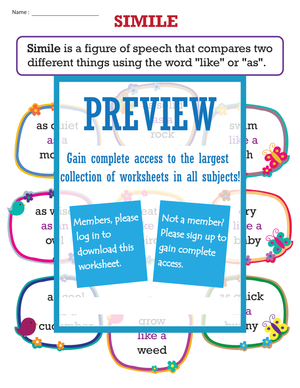
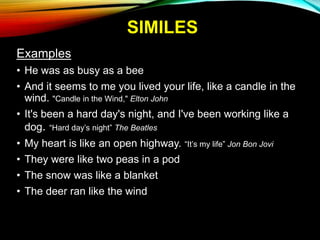
Introducing figurative language to young learners marks a significant milestone in their development as writers. Among various literary devices, similes are the most accessible entry points for students in middle elementary grades. A simile creates a direct comparison between two distinct things using 'like' or 'as'. This simple structure allows students to connect abstract concepts with concrete imagery, transforming literal descriptions into vivid mental pictures. When a student transitions from saying 'he is fast' to 'he is as fast as a lightning bolt,' they are expanding their cognitive ability to see relationships between unrelated objects.
In a typical third-grade classroom, similes align with goals in literacy and descriptive writing. Teachers find they provide a bridge between basic sentence construction and the demands of narrative storytelling. By encouraging students to look for similarities in the world, teachers help them develop an observant eye. Furthermore, similes serve as a foundation for more sophisticated figurative language, such as metaphors and personification. Effective instruction requires a balance of direct teaching, shared reading, and independent practice using structured materials that allow for low-stakes experimentation with word choice and creative expression.
The Value of Printable Simile Worksheets for Young Writers
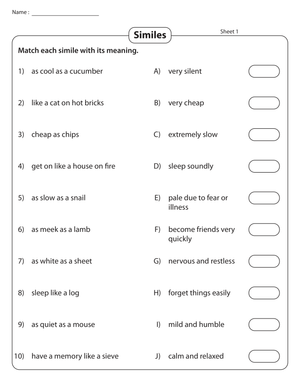
Printable resources play a vital role in the modern literacy block, offering a tangible way for students to engage with linguistic concepts. Physically writing out a comparison helps solidify the mental connection between two objects. Unlike purely digital exercises, printable sheets allow for annotation and highlighting—actions that promote active learning and better retention. When teachers provide high-quality similes printable worksheets for classroom use, they give students a roadmap for exploration. These sheets often start with familiar comparisons, like 'quiet as a mouse,' before moving into more creative and less conventional territory as students gain confidence in their abilities.
One primary benefit is the ability to differentiate instruction effortlessly. In one classroom, you may have students just beginning to understand comparison and others ready to write entire poems. Printable sets include various difficulty levels, from simple matching to complex prompts requiring original thought. This flexibility ensures every learner is challenged without feeling overwhelmed. Moreover, physical copies allow teachers to easily collect and review work, providing immediate feedback essential for growth. Beyond classroom walls, these materials are excellent for parents, providing a clear structure for learning that can be implemented at home to reinforce school lessons and support literacy development.
Scaffolding Figurative Language Instruction
According to teachers at ReadWriteThink (https://www.readwritethink.org), teaching similes through comparative analysis helps students internalize abstract concepts. Their findings suggest that using visual prompts alongside similes worksheets can increase student engagement in descriptive writing tasks by up to 35% compared to text-only instruction. This highlights the importance of multisensory approaches, as students often need to see literal objects before bridging the gap to figurative comparison. By integrating illustrations with text-based worksheets, teachers cater to visual learners while emphasizing grammatical structure and the specific nuances of effective comparisons.
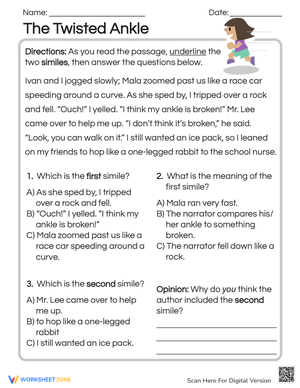
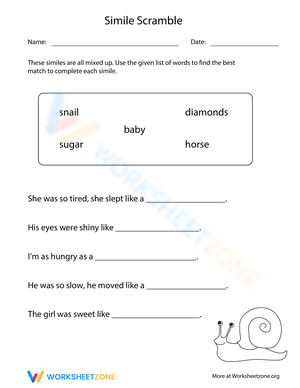
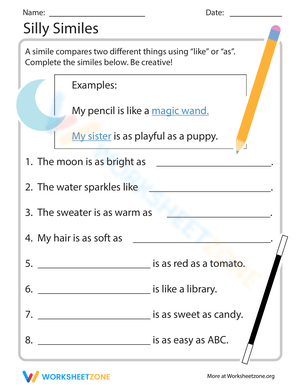
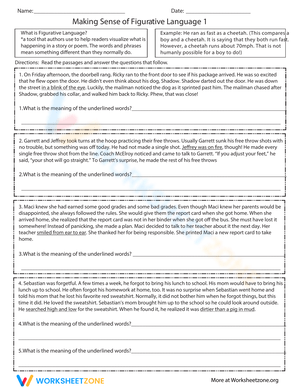
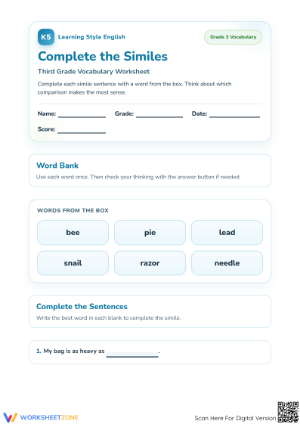
Scaffolding is key to moving students from recognition to production. The process begins with identification, where students read passages and highlight 'like' or 'as' comparisons. This helps them recognize signal words and understand the rhythm of figurative language. Once identification is mastered, the next step is completion. Students are given half of a simile and must provide a logical conclusion based on their own experiences. For example, 'The classroom was as noisy as...' requires thinking of something chaotic and loud. The final stage is original creation, where students transform literal sentences into figurative ones, crafting an experience for the reader through vivid imagery.
Teacher Tips for Classroom Implementation
Implementing similes into your daily routine doesn't have to be a standalone lesson. A great way to start is with a 'Simile of the Day' on the whiteboard. Each morning, students discuss what the simile means and why it works effectively. This consistent exposure normalizes descriptive language and encourages students to look for it in independent reading. Over time, students point out similes in science or social studies texts without prompting. During small group instruction, use printable worksheets as a collaborative tool. Rather than working silently, encourage sharing ideas for completing comparisons. This talk-time is essential for English Language Learners and students struggling with abstract thinking.
Another effective strategy is using similes for self-assessment and reflection. After a writing assignment, ask students to find one place where they could add or improve a simile. This encourages revision and helps students understand that writing is a process of refinement. You can provide a specific worksheet that serves as a 'Simile Checklist' to evaluate their work effectively. 'Does my simile use like or as? Is the comparison clear? Does it help the reader see a picture?' By giving students these tools, you empower them to take ownership of their writing growth and develop a more critical eye. These habits stay with students as they tackle more complex tasks.
Comparing Similes and Metaphors: A Guide for Students
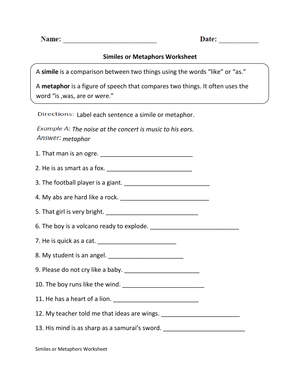
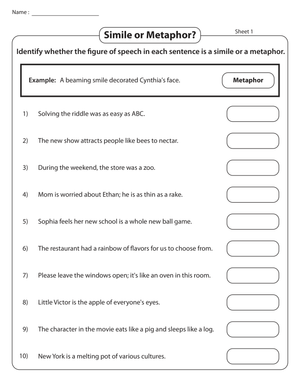
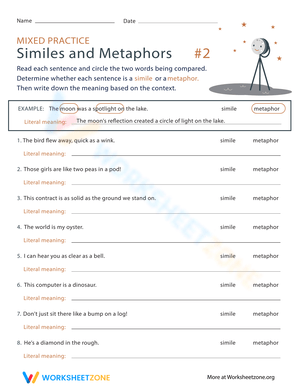
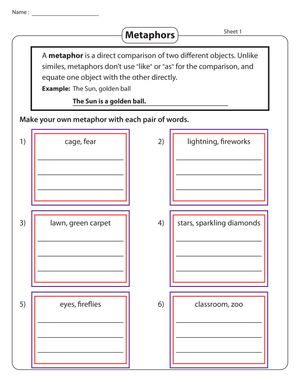
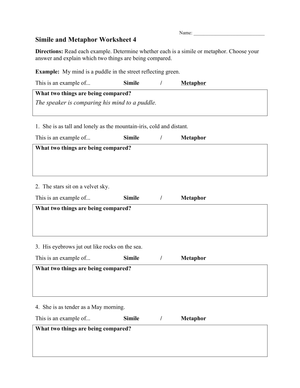
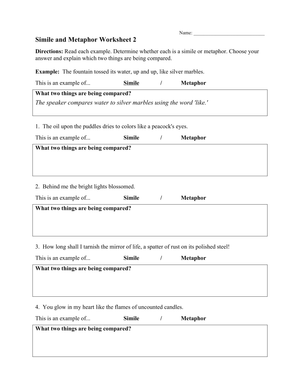
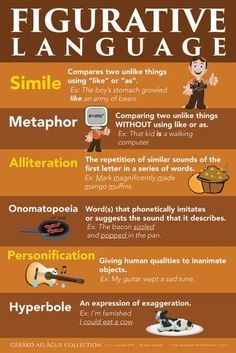
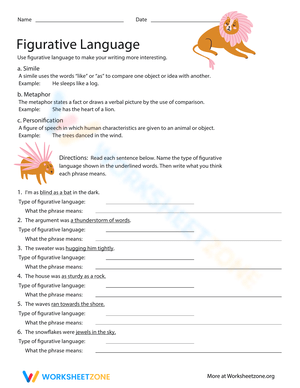
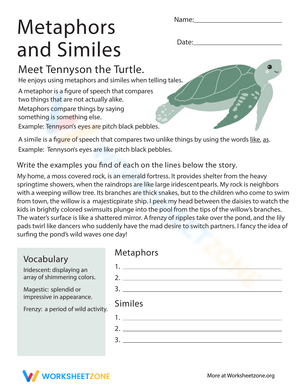
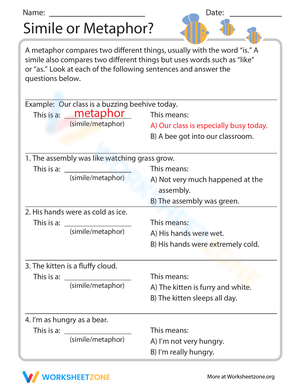
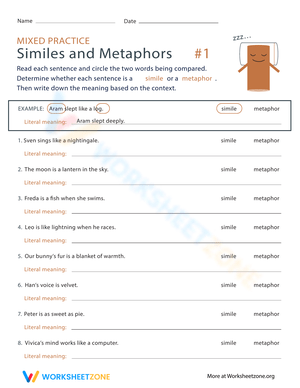
As students become comfortable with similes, they often ask about metaphors. While both make comparisons, the grammatical structure is the key distinction. A simile is explicit, using 'like' or 'as' to signal the comparison. It says one thing is similar to another. A metaphor is more direct, often saying one thing is another. Understanding this difference is a common hurdle for elementary students, but side-by-side comparison worksheets can make this distinction clear. One way to explain it is the 'bridge' analogy. A simile has a bridge (like or as) that connects two ideas. A metaphor removes the bridge and lets the ideas merge into one for greater impact.
Creative Writing Activities Using Similes
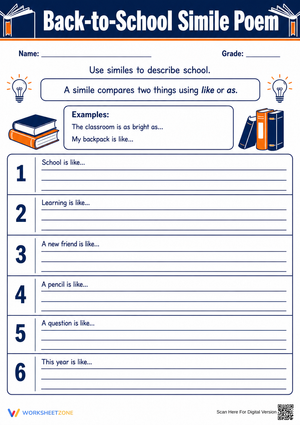
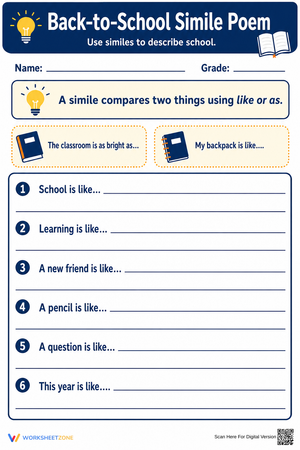
Transforming a standard writing prompt into a figurative language challenge can boost student interest significantly. Instead of just describing an animal, ask students to use at least three different similes. For example, 'My dog's tail moves like a windshield wiper.' This requirement forces deeper thought about characteristics and how they can be represented. Provide a graphic organizer to brainstorm traits first, then potential comparisons. This structured approach prevents 'blank page syndrome' and gives a clear path to success. Another activity is 'Simile Poetry,' where every line contains a simile. This helps students see how a series of comparisons can create a cumulative effect, building mood and atmosphere.
Supporting Diverse Learners with Visual Simile Exercises
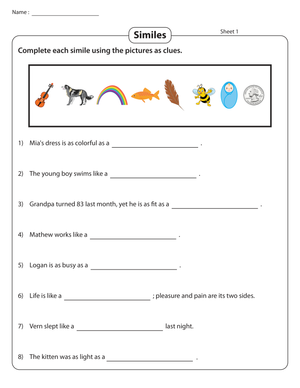
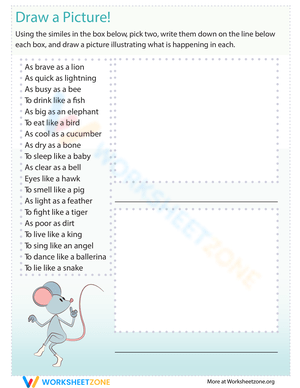
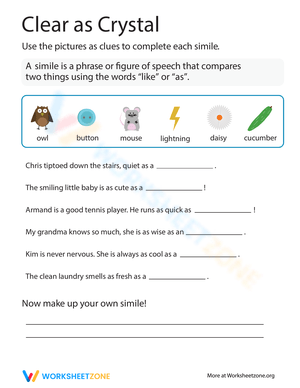
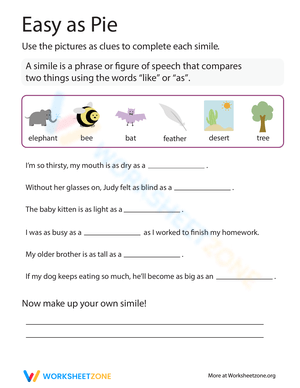
In every classroom, there is a wide range of learning styles. To ensure every student can master similes, provide various ways to engage with the material. Visual learners benefit from exercises pairing words with images. Instead of just reading 'as bright as the sun,' they see a picture of a shining sun. This visual anchor helps them understand the logic behind the comparison. Many printable similes worksheets include illustrations or space for students to draw, reinforcing the connection. For students with language processing challenges or those learning English, similes can be tricky because they are not literal. These learners need explicit instruction on common idioms rooted in culture.
Frequently Asked Questions
1. At what grade level should I start teaching similes?
While students encounter them earlier in read-alouds, formal instruction usually begins in second grade and becomes more intensive in third and fourth grades. At this age, children have the cognitive flexibility to understand that words can have meanings beyond literal definitions.
2. How can I help a student who is struggling with comparisons?
Encourage them to focus on the five senses. If they are trying to describe a car, ask how it sounds or looks. Comparing the sound of an engine to a purring cat is a great start. Providing a brainstorming bank of common objects and traits also provides a helpful starting point for those who feel stuck.
3. Why are printable worksheets better than digital ones?
Printable sheets allow for physical interaction. Students can circle signal words, draw pictures, and look back at previous examples easily. This hands-on approach is more effective for young learners who are still developing fine motor skills and their ability to focus on abstract tasks in a non-digital environment.
4. Can similes be used in non-fiction writing?
Yes! While common in fiction, similes are powerful in informational writing too. They help explain complex scientific concepts by comparing them to something familiar. For example, 'An atom is like a tiny solar system' is a classic simile used to teach basic science effectively to younger audiences.
5. How do I know if a student has truly mastered similes?
Mastery is shown when a student can identify, complete, and use similes naturally in their own writing. Look for instances where they choose to use a simile because it makes their description clearer or more interesting, rather than just because they were told to include one in their assignment.












 Interactive Worksheet Maker
 Quiz Maker
 Word Search Maker
 Crossword Puzzle Maker
 Word Scramble Generator
 Sentence Scramble Generator
 Handwriting Worksheet Generator
 Name Tracing Generator
 Fill In The Blank Generator