Where rhythm worksheets fit in music class
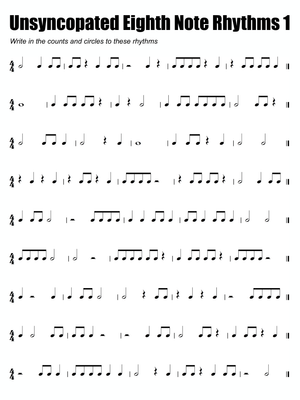
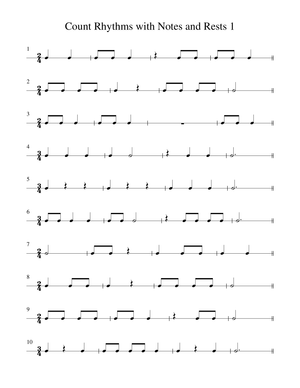
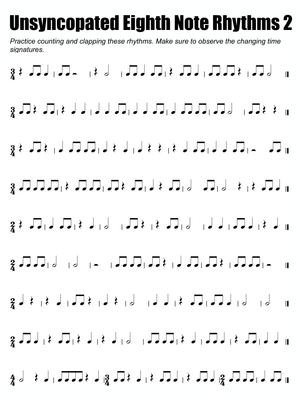
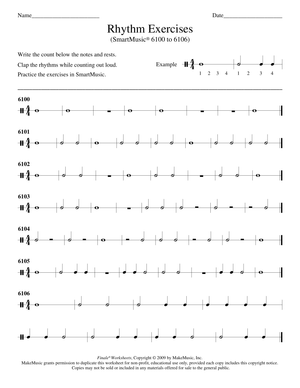
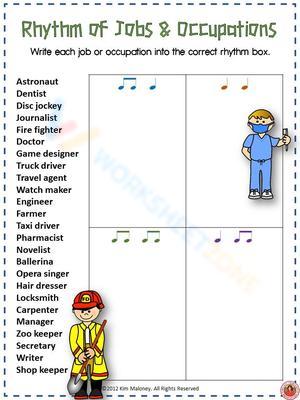
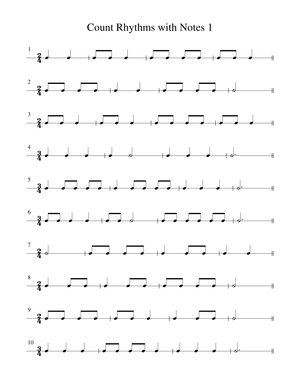
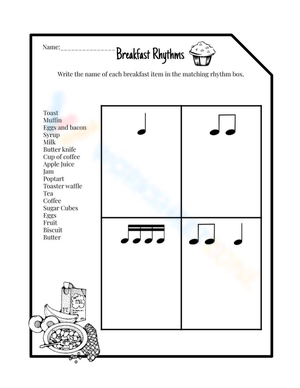
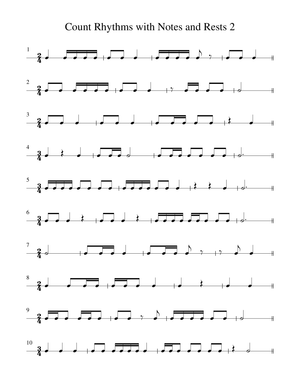
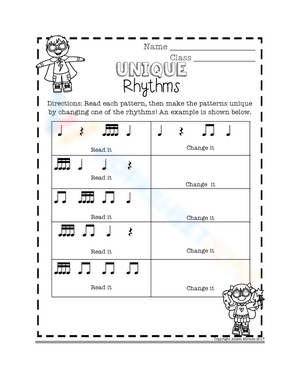
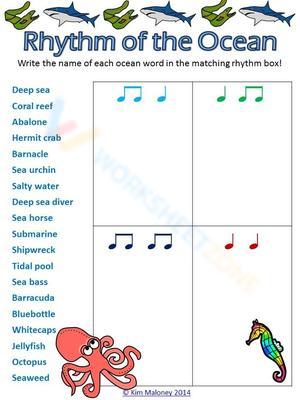
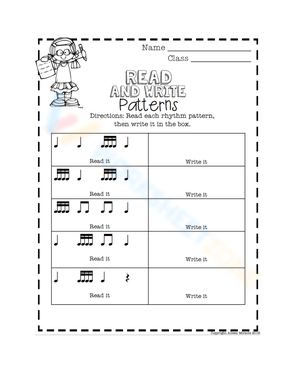
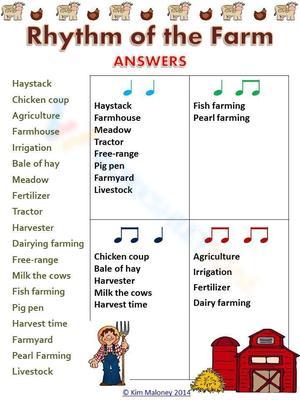
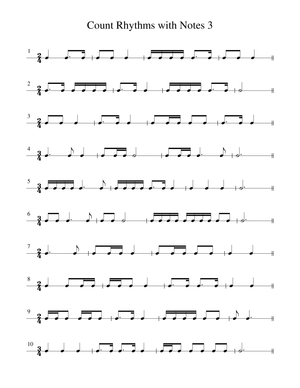
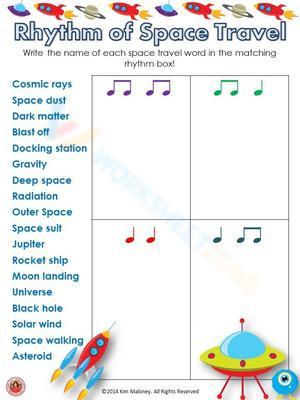
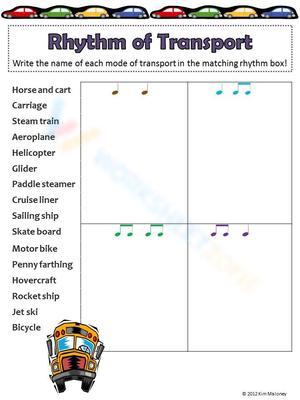
Rhythm is the first layer of music literacy most students can read, clap, and write with confidence, and rhythm worksheets give you a paper trail for that skill. When you pair them with clapping, counting, and call-and-response, worksheets turn a noisy, physical activity into something you can grade, file, and revisit. For a general music teacher juggling hundreds of students a week, that record matters. A student who can chant 'ap-ple' for eighth notes on Monday should be able to write counts under those notes on Friday, and a worksheet is how you confirm it.
The best sets do more than fill a substitute folder. They move students from recognizing note values to notating them, from feeling a steady beat to labeling meter. This guide shows how to sequence rhythm worksheets across K-8, tie them to national standards, and use them for quick formative checks without losing the movement that makes rhythm stick.
Aligning worksheets to National Core Arts Standards
Standards give your worksheet sequence a spine, and the National Core Arts Standards for Music map cleanly onto rhythm work.
The National Core Arts Standards for Music, developed by NAfME and the National Coalition for Core Arts Standards, expect grade 5 students to read and perform using standard notation and to demonstrate understanding of rhythm, pitch, and form when analyzing selected music. That single benchmark anchors why standard-notation worksheets belong firmly in upper elementary.
The standards frame rhythm reading as a progression from iconic notation in the youngest grades to standard notation by grade 5, which is exactly the K-2, 3-5, 6-8 arc above. When you label each worksheet with the grade-band skill it targets, you can show a curriculum lead precisely where a sheet lands in that progression.
Using rhythm worksheets for formative assessment
A rhythm worksheet is one of the fastest formative checks in a music room. After a week of clap-and-count or call-and-response, a half-page sheet tells you who internalized the note values and who was only echoing the group. Because rhythm answers are largely right-or-wrong, a quarter note gets one count and an eighth pair splits the beat, you can scan a class set in minutes.
Keep the stakes low. Use worksheets as exit tickets rather than unit tests, and separate practice sheets from assessment sheets so students know when they can whisper-count with a neighbor and when they are showing you what they own. A quick four-measure sheet at the end of class often reveals more than a long quiz the following week.
Classroom Implementation
Worksheets work best when they never leave the movement behind. Before students touch a pencil, have them clap and speak the line as a class, then in pairs, then solo. Only after the rhythm is in their bodies do they write counts or notate it.
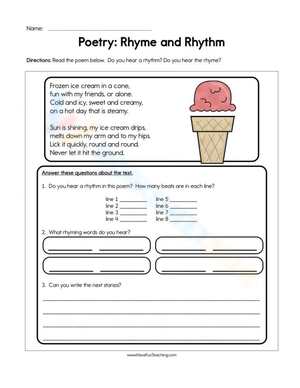
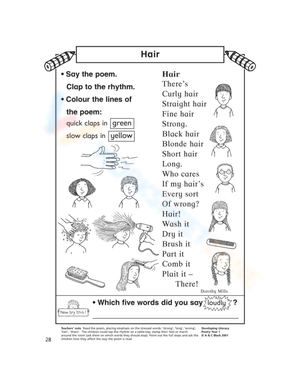
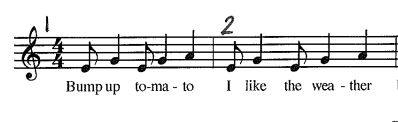
Here is the pattern that separates strong rhythm instruction from drill: students who label note values after physically performing them retain notation far better than students who start with the paper. Sequence every worksheet so the kinesthetic experience, such as body percussion, mnemonic words like 'pear' and 'ap-ple,' or a steady-beat walk, comes first, and treat the sheet as the moment students externalize what they already feel. The page records the skill; it should not introduce it.
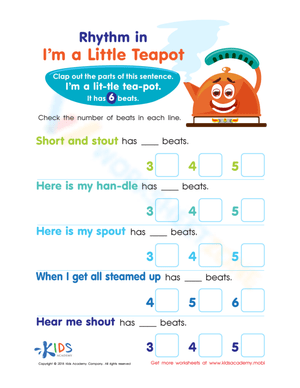
Build a short routine: clap the pattern, chant the rhythm words, write the counts, then perform from the notation. Four minutes of this loop before independent work turns a worksheet from busywork into a genuine reading exercise.
Connecting rhythm worksheets to math
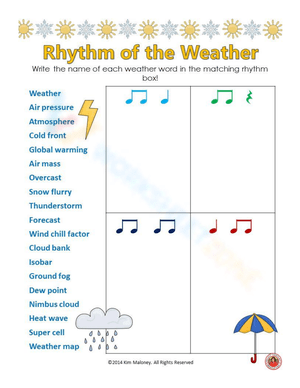
Rhythm notation is applied fractions, and that overlap is worth naming out loud for students and for the teacher next door. A whole note is one; two half notes split it; four quarters divide it again. When students write counts and group beats into measures, they are practicing the same part-whole reasoning their math class calls fractions and their number sense calls equal partitioning.
Point this out on the worksheet itself. A note-value sheet that asks how many eighth notes equal one half note reinforces music reading and fraction fluency in a single question, and it gives you an honest cross-curricular tie-in to share with grade-level teams.
Frequently asked questions about rhythm worksheets
1. What grade level should start using rhythm worksheets?
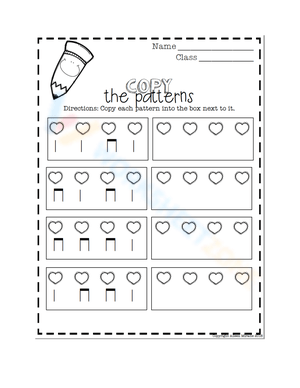
Students can start in kindergarten with iconic notation, pictures and icons that stand in for beats, and move to standard note values around grades 3-5. Match the worksheet to where students are in the reading progression, not just their age.
2. How do rhythm worksheets align with national music standards?
The National Core Arts Standards for Music lay out a grade-by-grade path from iconic notation in early grades to standard notation by grade 5. Labeling each sheet with its target skill shows exactly where it fits that progression.
3. How should worksheets work alongside clapping and counting?
Treat the worksheet as the last step. Have students clap, chant rhythm words, and count aloud first, then use the sheet to record and check what they already performed. Movement builds the skill; the page confirms it.
4. How are rhythm worksheets used for assessment versus practice?
Practice sheets invite collaboration and self-correction, while assessment sheets are done solo and scored. Keep them visibly separate so students know when they can whisper-count with a partner and when they are showing you what they know.
5. What rhythm concepts should worksheets progress through?
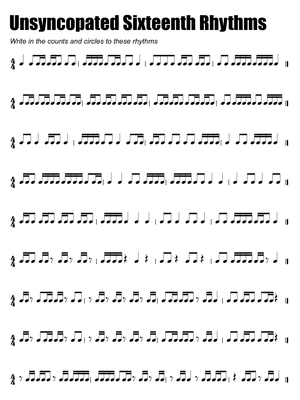
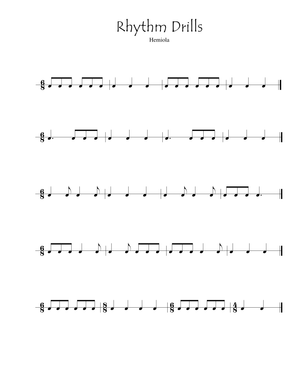
Start with steady beat and quarter and eighth notes, add half notes, rests, and sixteenths, then reach compound meter such as 6/8, cut time, dotted rhythms, and syncopation for older or more advanced students.