Why Back to School Poems Belong in Your First Week Plans
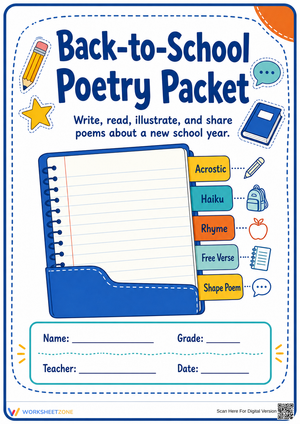
The first week of school runs on routines that have not been built yet, and that gap is exactly where back to school poems earn their place in a lesson plan. A short poem read aloud at the door, on the rug, or during a transition gives students a shared script before they have learned the actual classroom procedures. Instead of repeating the same verbal directions a dozen times on day one, a teacher can lean on a poem that students quickly memorize and echo back, which turns a chaotic morning into something predictable. This collection of back to school poems is built for PreK through grade 5 classrooms, with rhyming, short-stanza options for younger students and more reflective poems for upper elementary readers who are ready to think about change, friendship, and new expectations.
Opening Morning Meeting With a Back to School Poem
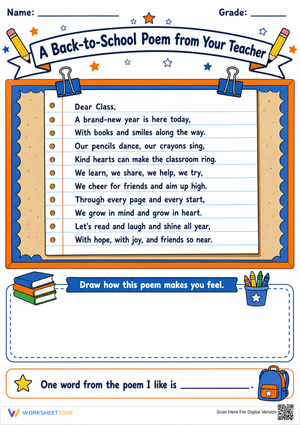
Morning meeting is often the first structured routine a class encounters, and a back to school poem is a natural way to open it without adding extra planning. Reading the same short poem for the first several mornings gives students something familiar to anchor to while everything else around them is new. Teachers can read it once, then invite the class to join on the second or third read, which naturally builds toward choral reading without a formal announcement that a routine is starting. A poem about new backpacks, new friends, or butterflies in the stomach also gives a teacher an easy entry point for asking how students are feeling, without putting any one student on the spot.
Choral and Echo Reading Routines for PreK-2
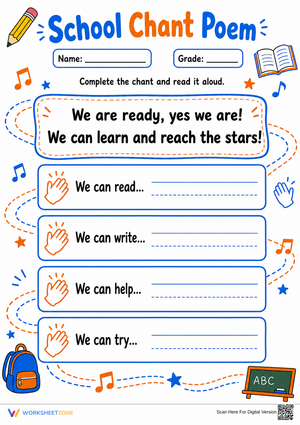
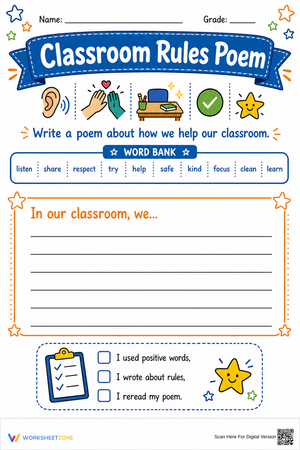
Younger students benefit most from back to school poems that are short, rhyming, and built around repeated lines, since predictable language patterns are easier to pick up by ear than by sight in the first days of kindergarten or first grade. Echo reading, where the teacher reads a line and students repeat it, works well before students can track print independently. Choral reading, where the whole class reads together after a few exposures, becomes possible once the poem has been repeated across two or three mornings. Short, repeatable poems help students internalize classroom routines without constant verbal reminders during the first week, which matters most in PreK and kindergarten rooms where verbal directions alone often need to be repeated five or six times before they stick. A poem that rhymes and repeats does that work for the teacher.
Back to School Poems as Mentor Texts for a First-Week Writing Activity
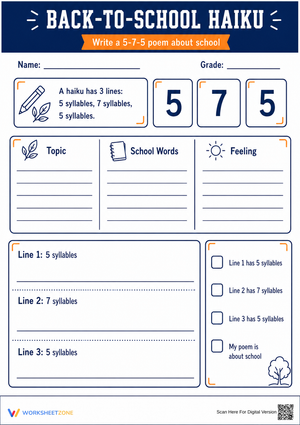
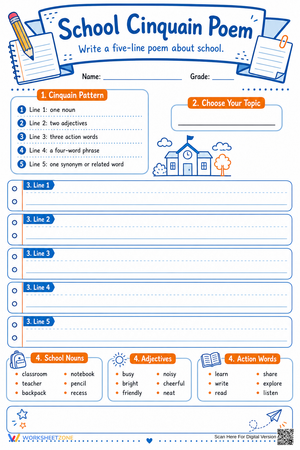
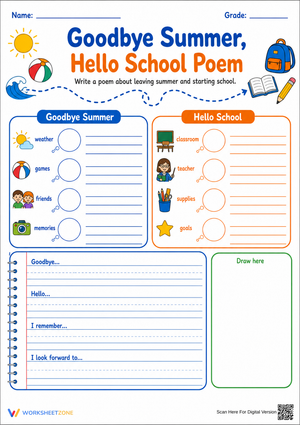
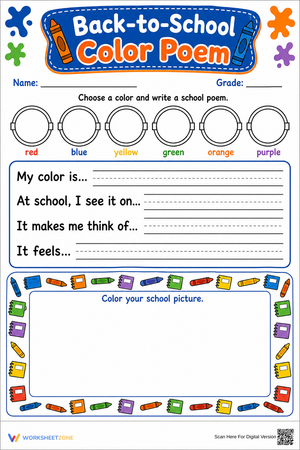
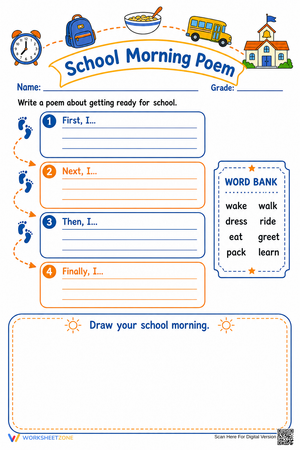
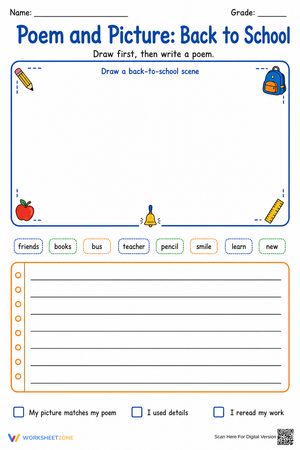
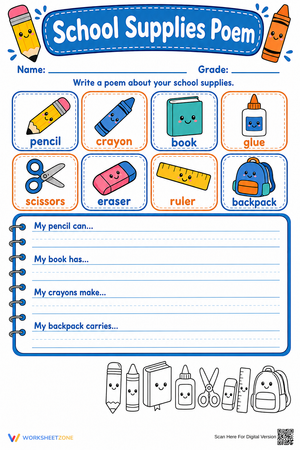
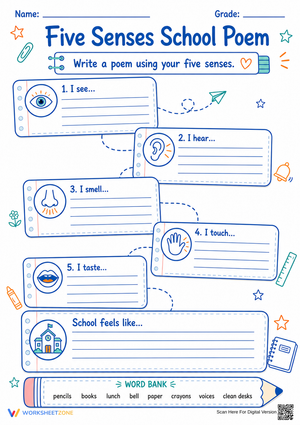
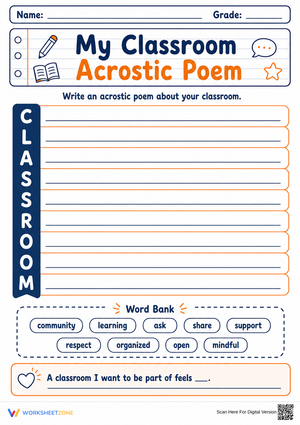
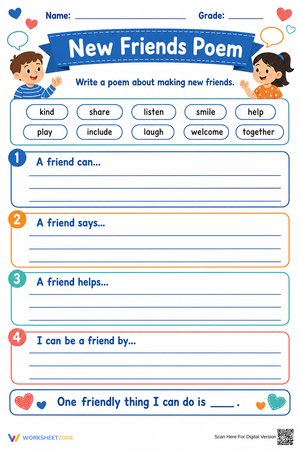
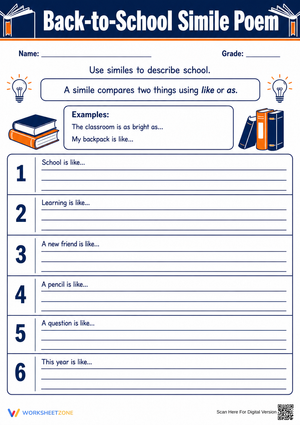
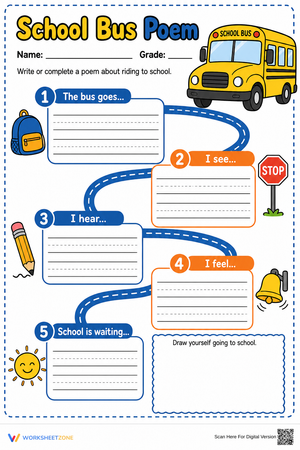
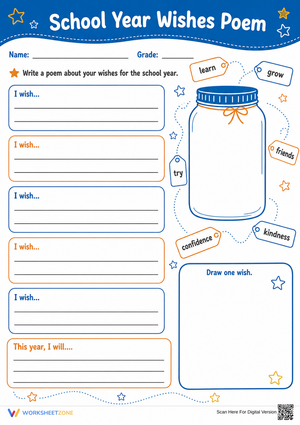
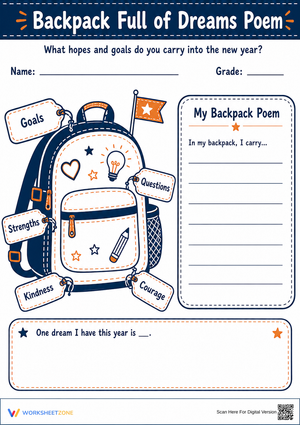
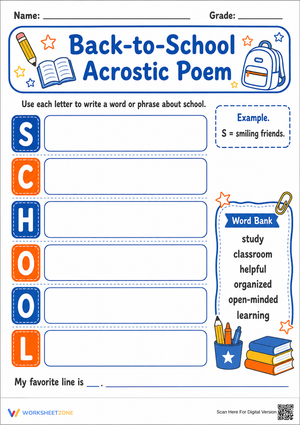
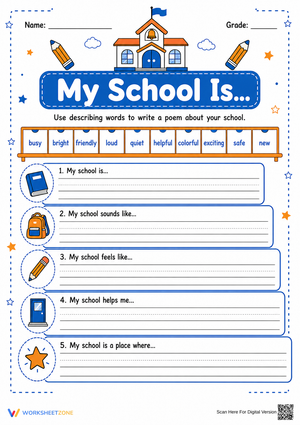
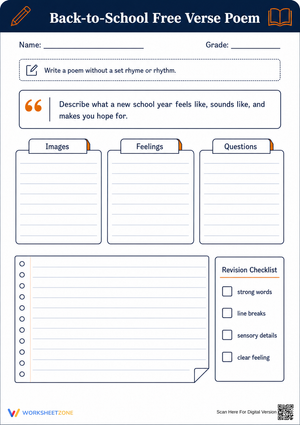
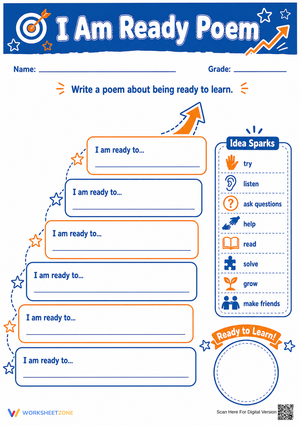
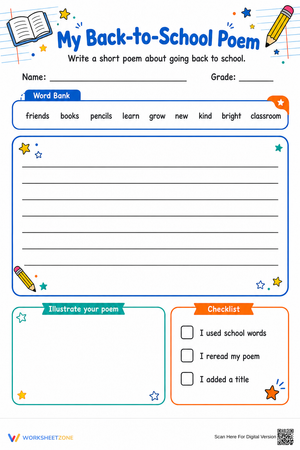
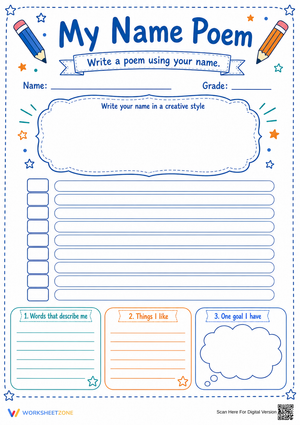
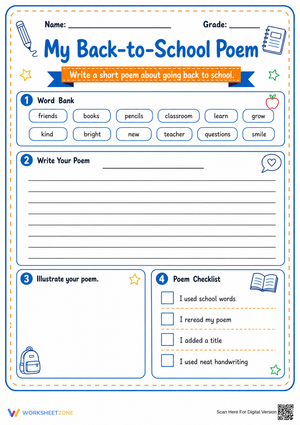
Once students have heard a back to school poem several times, it becomes a ready mentor text for a first-week writing activity. Third through fifth grade students can borrow the structure of a poem about starting school and swap in their own details about a new teacher, a new locker, or a new bus route. Younger students can dictate a line while a teacher or aide scribes it, then illustrate their sentence to build a simple class book. This approach lowers the barrier to that first blank page, since students are not being asked to invent a form from scratch, only to fill in their own experience inside a structure they already know by heart.
Pairing Poems With SEL Conversations About New Routines
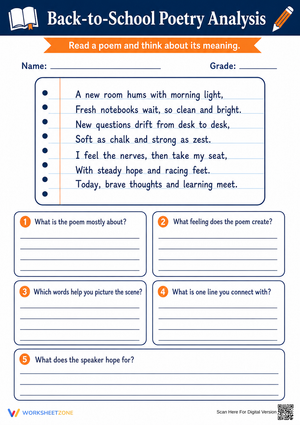
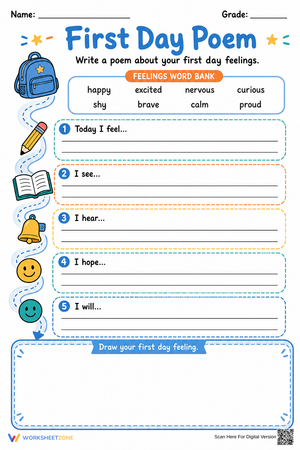
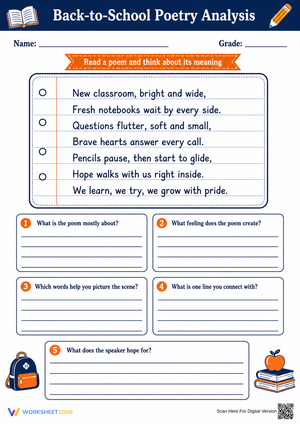
Back to school poems are commonly used to ease first-day jitters and open social-emotional learning conversations about the feelings that come with starting school, and that pairing is one of the most practical uses of poetry in the first week. A poem that names nervousness, excitement, or missing summer routines gives students permission to talk about those same feelings themselves. Teachers can follow a read-aloud with a simple discussion prompt, such as asking students which line felt most like their own morning, then move into a short partner share or journal entry. Poems for kids support text-to-self, text-to-text, and text-to-world connections, and a back to school poem is an easy, low-stakes way to introduce that thinking before more complex texts arrive later in the year.
Differentiating by Grade Band
Not every back to school poem fits every classroom, and matching the poem to the grade band keeps the activity useful rather than frustrating. For PreK and kindergarten, favor poems with four to eight short lines, strong end rhyme, and concrete images like backpacks, buses, or new shoes. First and second grade can handle slightly longer poems with two or three stanzas, still rhyming, still built around familiar first-day objects and feelings. By third grade, students can sit with a poem that reflects rather than just describes, one that touches on nervousness about a new teacher or missing a summer friend. Fourth and fifth graders are ready for poems that ask them to consider how they have changed since last year, which opens the door to a more reflective writing prompt later in the same week.
Classroom Implementation
A simple weekly plan keeps this resource from becoming one more thing to prep from scratch. Monday, introduce the poem cold during morning meeting and read it once without discussion. Tuesday and Wednesday, read it again and invite echo or choral participation, then ask one SEL discussion question. Thursday, use the poem as a mentor text for a short writing or illustration task tied to grade level. Friday, send a copy home or post it on a bulletin board so families see what the class has been working on. This same four-day rhythm can repeat with a new back to school poem each of the first two or three weeks, which keeps the routine familiar to students while refreshing the content.
- Keep the poem visible on an anchor chart or slide for repeated reading throughout the week.
- Use a consistent hand signal or clap pattern to cue choral reading so students know when to join in.
- Save student writing samples from the mentor-text activity to compare against work later in the year.
Bringing Families Into the Transition With Take-Home Poems
Sending a back to school poem home in a Friday folder gives families a window into the classroom during a week when most communication is still logistics-heavy. A short note asking a caregiver to read the poem with their child and ask one simple question extends the classroom routine into the home without adding grading or extra prep for the teacher. Some teachers post the same poem on a classroom bulletin board with student illustrations attached, which gives visiting families something concrete to talk about with their child during a first open house or drop-off. Back to school poetry resources are commonly leveled for PreK through grade 5, which means the same take-home strategy can scale across an entire elementary building without requiring every teacher to source separate material. We Are Teachers curates 36 back to school poems for classroom use, and collections like this show that short, rhyming poems are consistently favored for building predictable first-week routines, since young students pick up repeated language patterns faster than one-time verbal instructions during the opening days of school.
Frequently Asked Questions
1. How can teachers use a back to school poem on the first day of school?
Read the poem once during morning meeting without much discussion, then repeat it across the first few mornings so students can join in. This builds a shared routine before formal classroom procedures are fully in place.
2. What grade levels are back to school poems appropriate for?
Short, rhyming poems work best for PreK through second grade, while slightly longer, more reflective poems suit third through fifth grade students who are ready to think about change and new routines.
3. Can back to school poems support social-emotional learning at the start of the year?
Yes. A poem that names first-day nerves or excitement gives students language for their own feelings and opens an easy discussion or journaling prompt without singling anyone out.
4. How can a back to school poem be turned into a writing activity?
Use the poem as a mentor text and have students swap in their own details, such as a new teacher or new bus route, while keeping the original structure and rhythm.
5. Are back to school poems useful for building classroom routines?
Yes. Repeating the same short poem across several mornings gives students a predictable script for transitions, which reduces how often a teacher needs to repeat verbal directions during the first week.












 Interactive Worksheet Maker
 Quiz Maker
 Word Search Maker
 Crossword Puzzle Maker
 Word Scramble Generator
 Sentence Scramble Generator
 Handwriting Worksheet Generator
 Name Tracing Generator
 Fill In The Blank Generator