These identifying three digit numbers worksheets give second-grade teachers structured, ready-to-use practice for one of the most conceptually loaded transitions in early elementary math — the jump from two-digit to three-digit numbers, where place value stops being intuitive and starts demanding deliberate instruction. Each worksheet targets a specific skill, so teachers can pull exactly what a lesson or small group needs rather than working through a generic review.
What Students Practice Across the Set
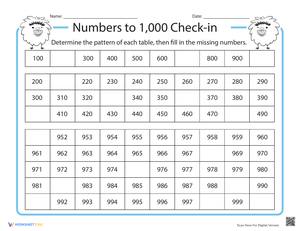
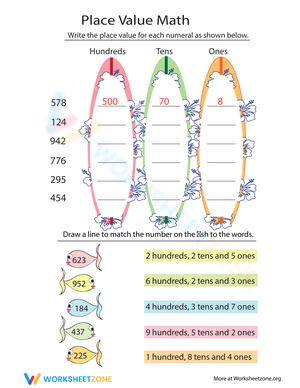
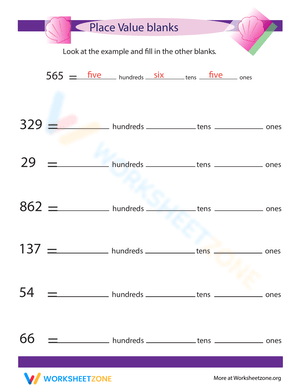
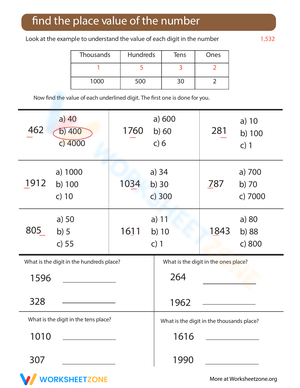
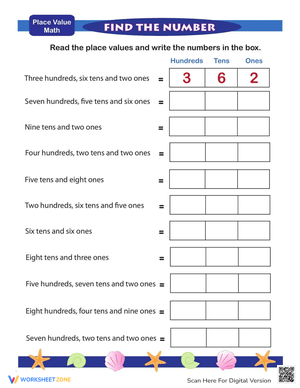
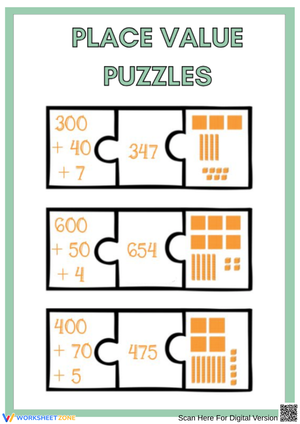
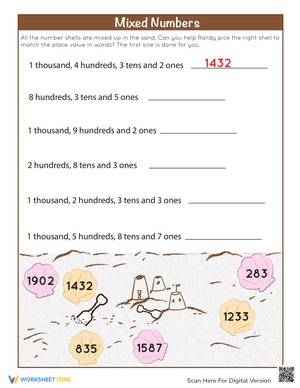
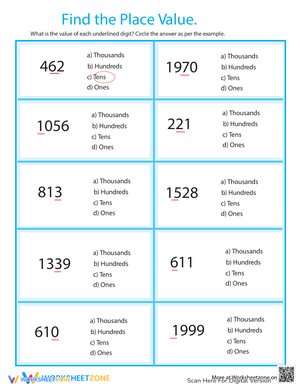
The core task on several worksheets is discrimination: students scan a mixed field of one-, two-, and three-digit numbers and mark only the three-digit ones. That sounds simple until you watch a child circle 99 and skip 100 because the 1 "looks small." Other worksheets move into place value labeling — students write the value of each digit in a given number, so in 537 they record 500, 30, and 7, not just the digits themselves. This separates students who have the vocabulary from those who actually understand positional value.
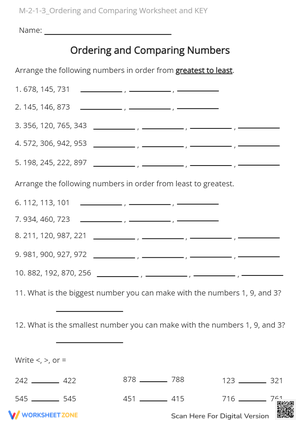
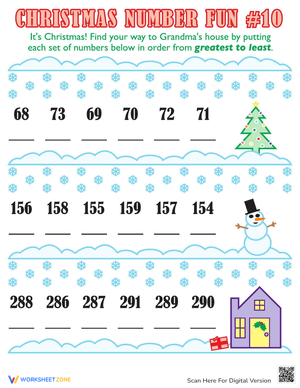
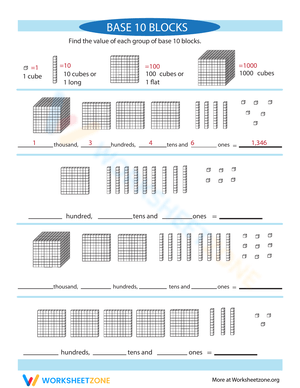
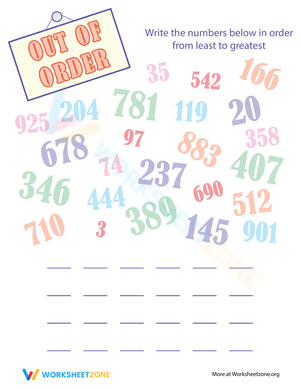
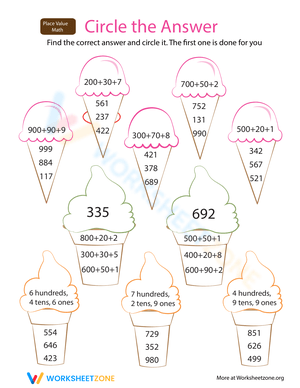
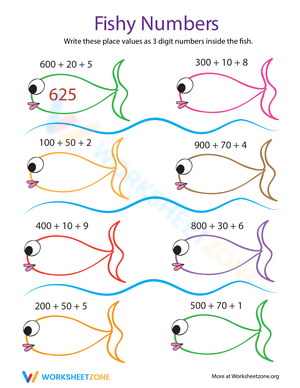
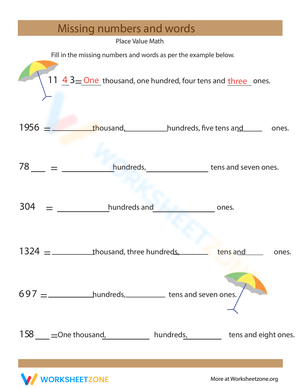
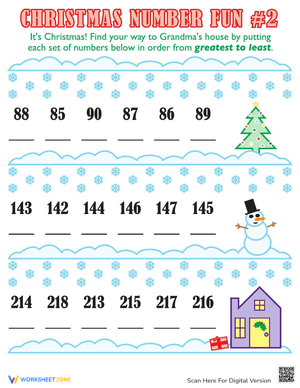
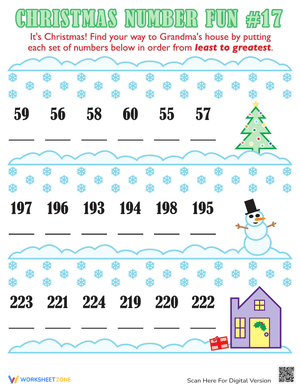
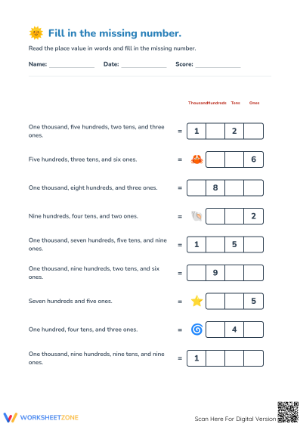
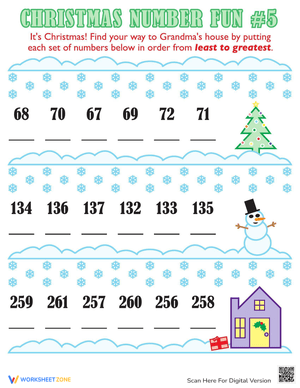
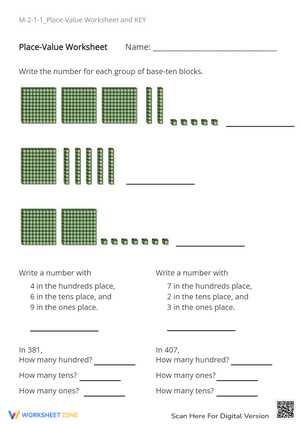
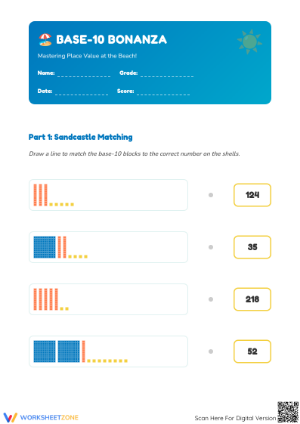
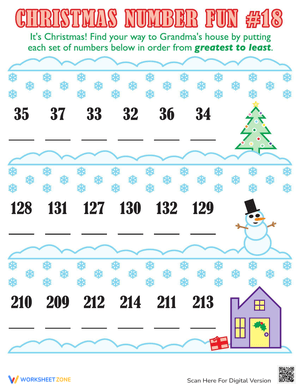
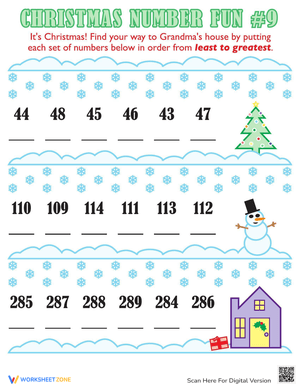
Additional worksheets cover base-ten block matching, where students count hundreds flats, tens rods, and ones cubes and write the corresponding numeral; word-to-numeral conversion, where a written name like two hundred nine becomes 209; and ordering tasks, where students arrange a set of three-digit numbers from least to greatest or place them on a number line. Expanded form appears throughout — 400 + 10 + 2 — as a bridge between the concrete and the symbolic.
Standard Alignment
These worksheets align with CCSS 2.NBT.A.1, which establishes that the three digits of a three-digit number represent amounts of hundreds, tens, and ones, and that 100 can be understood as a bundle of ten tens. In classroom terms, this standard sits at the hinge between counting and place value reasoning — students are expected not just to read three-digit numbers correctly but to explain what each digit means in positional context. The worksheets that ask students to label digit values (500, 30, 7) and match base-ten block images to numerals address this standard directly. The ordering and comparison tasks connect to 2.NBT.A.4, which asks students to compare three-digit numbers using the symbols >, =, and <.
Where These Worksheets Fit in a Lesson Plan
The circle-and-identify format works well as a Monday morning warm-up after weekend break — three to five minutes, done independently, and it tells you immediately which students spent the week forgetting that digit count and digit value are different things. The base-ten block matching worksheets are best used during a teacher-led small group, where you can watch a student count the flats and catch the moment they lose track and restart from zero. That real-time observation is more useful than any end-of-unit assessment.
The word-to-numeral worksheets travel home reliably because they need no materials and the format is self-explanatory to parents. The cut-and-sort worksheets belong in a center rotation — they take a little longer and reward students who need to handle something physical before a number makes sense to them. Place value labeling sheets, collected at the end of a lesson, function as a quick formative check: scan for students who wrote 5, 3, 7 instead of 500, 30, 7, and you have your reteach group for Thursday.
One structural decision worth making deliberately: seed every practice session with numbers that contain interior zeros — 305, 420, 809. Students who handle 347 with ease will write 35 for 305 without blinking. Spreading these cases across multiple worksheets rather than grouping them in a single "tricky numbers" section normalizes the zero placeholder instead of signaling to students that it is unusual.
Mistakes Students Make That These Worksheets Help You Catch
The most persistent error is zero-dropping. A student who reads 408 aloud as "forty-eight" is not being careless — they are applying a reasonable but wrong pattern: skip what seems like an empty slot. Worksheets that mix 408, 480, and 48 in the same sorting task force students to count digits before they do anything else, which interrupts that habit.
A second error is right-to-left reading. Students who have recently worked on place value in two-digit numbers sometimes carry over a confusion about which end of the number to start from, writing 482 as "two hundred eighty-four." This shows up most visibly on word-to-numeral tasks, where the written words provide a left-to-right anchor that the numeral alone does not.
The third error is conceptual and harder to fix quickly: the belief that 99 is greater than 100 because 9 is a larger digit than 1. Sorting tasks that place two-digit and three-digit numbers side by side address this directly, because students must articulate why a number with more digits holds more value — not because any single digit is bigger, but because the hundreds place exists at all.
Frequently Asked Questions
What exactly is a three-digit number, and what's the clearest way to teach identification?
A three-digit number is any whole number from 100 through 999. The most reliable way to teach identification is to have students count digits first, before reading the number or assessing its value. A place value chart with labeled columns — hundreds, tens, ones — gives students a physical reference they can use independently as they work through a worksheet, and removes the need to hold positional information in working memory while they are also processing the numeral.
Which grade level targets this skill, and can these worksheets serve other grades?
Second grade is the primary instructional home for three-digit number identification under CCSS 2.NBT.A. That said, high-readiness first graders encounter this material in some curricula, and third graders who need to solidify place value before moving into four-digit numbers use these same task types. Differentiated versions of the identifying three digit numbers worksheets — adjusted for range and visual support — make it practical to run the same core activity across multiple readiness levels in the same classroom.
Why are base-ten block images used so often on these worksheets?
Base-ten blocks make the additive structure of place value visible in a way that numerals alone do not. When a student counts three hundreds flats, two tens rods, and five ones cubes and then writes 325, they are not memorizing a symbol — they are constructing the number from its components. That concrete-to-abstract progression is especially important at the beginning of three-digit number work, before students have enough experience to trust the symbolic representation on its own.
How do I handle students who consistently drop zeros in numbers like 304 or 510?
Zero-dropping is one of the most common patterns in second-grade place value work, and isolated correction rarely fixes it. The more effective approach is frequent exposure in mixed contexts — worksheets where 304, 340, and 34 appear in the same sorting task, so students are forced to count digits every time rather than reading by shape recognition. Over several sessions of this kind of practice, the zero placeholder stops registering as an absence and starts registering as a digit with a job.













 Interactive Worksheet Maker
 Quiz Maker
 Word Search Maker
 Crossword Puzzle Maker
 Word Scramble Generator
 Sentence Scramble Generator
 Handwriting Worksheet Generator
 Name Tracing Generator
 Fill In The Blank Generator