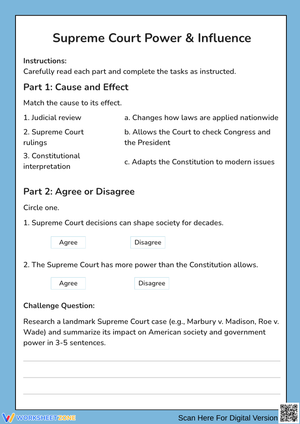
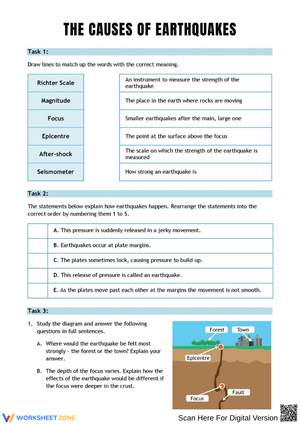
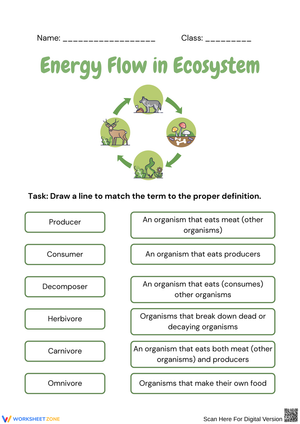
Teachers who download a matching worksheets from this set get five formats — picture-to-picture, shadow, uppercase-to-lowercase letter, word-to-picture, and cut-and-paste — each targeting a distinct visual discrimination demand that feeds directly into early reading and foundational math. No format is decorative; each one builds a specific perceptual or symbolic skill that classroom observation confirms students actually need.
The Specific Skills Each Worksheet Targets
Visual discrimination is the thread running through every worksheet in this matching worksheets collection. Students who can reliably pair identical pictures are developing the same perceptual precision that later helps them distinguish "b" from "d" in a decodable reader. That progression — from concrete image pairs to abstract letter symbols — is steeper than it looks, and the five formats here trace that arc.
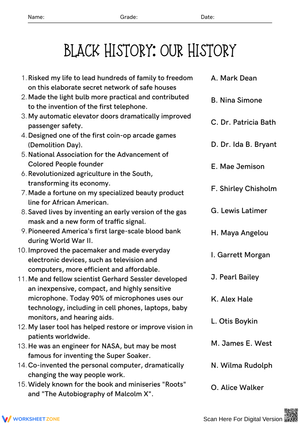
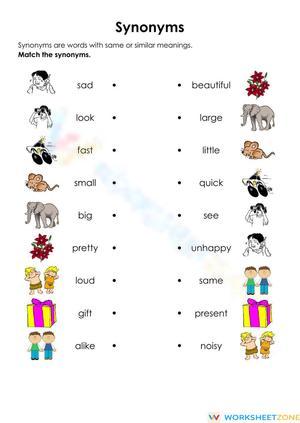
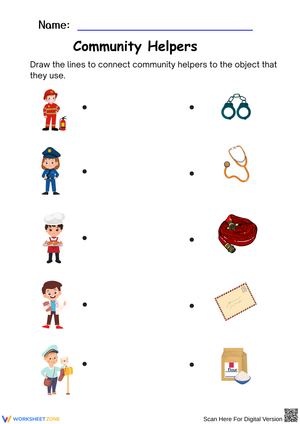
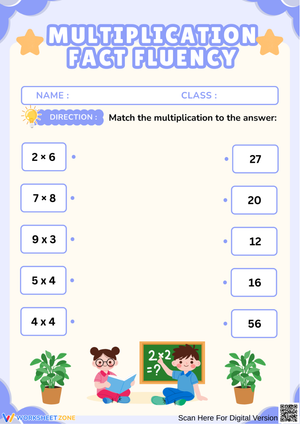
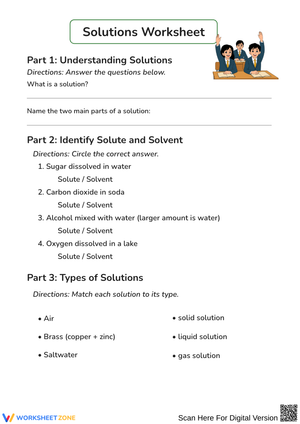
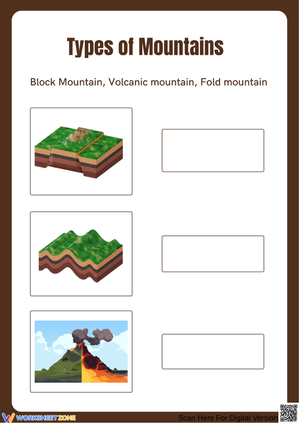
- Picture-to-picture matching — students draw lines between identical or logically paired images, building visual association and basic inferential logic.
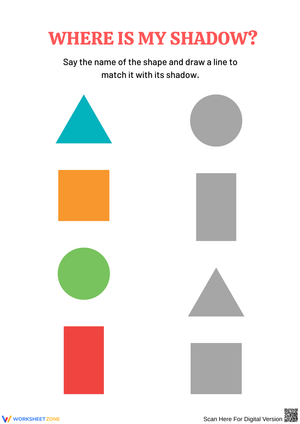
- Shadow matching — students connect a full-color image to its solid black silhouette. Students who rely on color to identify objects get no help here; they must attend to outline and overall shape. This makes it an informal diagnostic for figure-ground perception alongside the cognitive task.
- Uppercase-to-lowercase letter matching — students pair capital letters with their lowercase counterparts, practicing the print awareness that phonics instruction depends on. Most kindergartners need this practice well into spring.
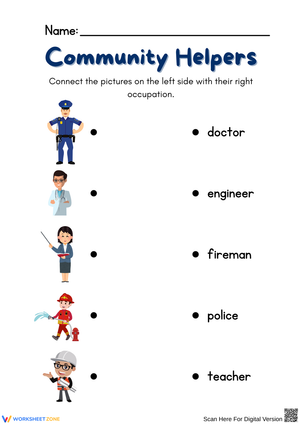
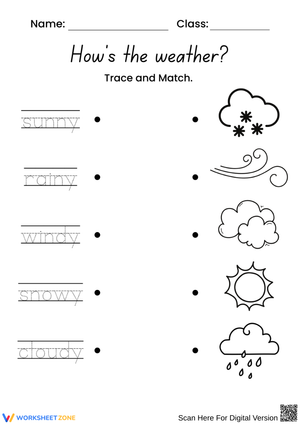
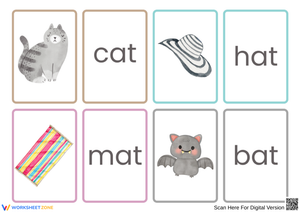
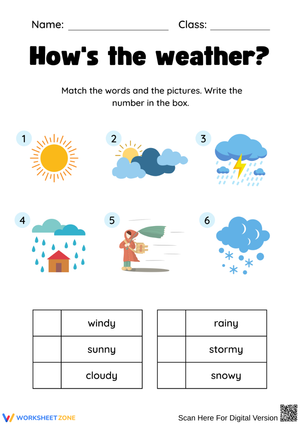
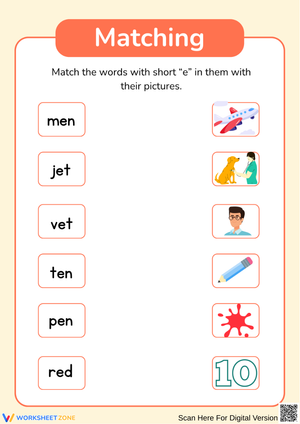
- Word-to-picture matching — students read a written word and mark its corresponding image. The picture carries the meaning; the print carries the decoding demand. Together they build vocabulary and word recognition in one task.
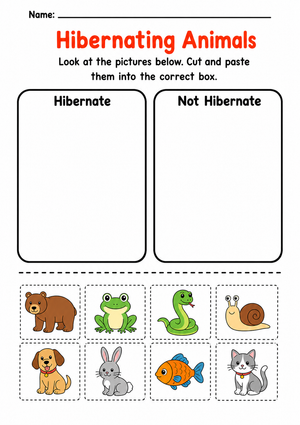
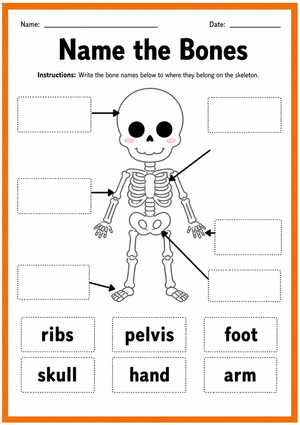
- Cut-and-paste matching — students cut answer choices from a bottom strip and glue them beside their matches. The fine motor demands — scissor control, glue placement, spatial orientation — layer onto the cognitive matching task rather than replacing it.
Fitting These Worksheets Into Your Weekly Lesson Plan
Picture-to-picture and shadow matching function reliably as morning entry tasks because the format communicates its own directions. Students arrive staggered; the worksheet is on the desk; no verbal setup is needed. Letter matching and word-to-picture formats land better after phonics instruction — when students have fresh context for the letters and words they're encountering.
For center rotations, print the sheets on cardstock and tuck them inside dry-erase pockets. Students draw lines with a fine-tip dry-erase marker, then wipe the sleeve clean for the next group. One print run sustains a center for an entire school year. The cut-and-paste format doesn't adapt to this system — for those worksheets, a laminated master with small repositionable sticker tabs works if reuse is a priority.
Word-to-picture formats serve as strong exit tickets following vocabulary instruction. A student who encounters "shovel" in a read-aloud, manipulates the word card in a pocket chart, then marks the matching worksheets version on the way out the door has engaged with that word three times across three modalities — the repetition rate that vocabulary acquisition research identifies as meaningful for retention.
Frequent Student Errors That Signal Deeper Skill Gaps
The most consistent error on picture-to-picture worksheets is categorical matching rather than perceptual matching. A student who draws a line from a tabby cat to a Siamese cat — because both are cats — rather than to the identical tabby is sorting by concept, not by visual identity. That's a developmental stage, and it means the student needs more identical-match practice before moving to related-pair formats.
On uppercase-to-lowercase worksheets, students regularly match by visual shape rather than alphabetic identity. "G" gets paired with "C" because the curves look similar; "I" sometimes lands on "l" for the same reason. A quick fix: have the student name each letter aloud before drawing the line. The auditory channel catches the mismatch that the visual channel misses, and it adds about four seconds per pair.
Adjusting These Worksheets Across Different Ability Levels
For students with visual processing challenges, fold the worksheet lengthwise so only one column of answer choices is visible at a time. Cutting the visible field from eight pairs to four lowers the number of simultaneous comparisons the student must hold in working memory — a meaningful reduction for students who freeze when the full page is in view. A blank index card slid down the answer column works identically without permanently altering the sheet.
For students working above grade level, shadow matching and word-to-picture formats extend naturally. Ask those students to write the matched word under each picture after completing the lines, or to generate a second example for each category on the back. The cut-and-paste format sometimes surprises strong students — scissor precision and accurate glue placement are legitimate challenges for some six-year-olds regardless of cognitive level, and a messy paste job produces real frustration that the teacher should anticipate.
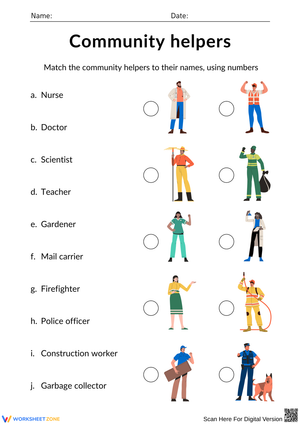
ESL teachers find word-to-picture matching especially effective when vocabulary is grouped thematically — community helpers, classroom objects, weather — because the images carry the definitional weight that translation would otherwise require. Having students say each word aloud as they draw the line integrates pronunciation practice into what reads, on the surface, as a silent independent activity.
Standard Alignment
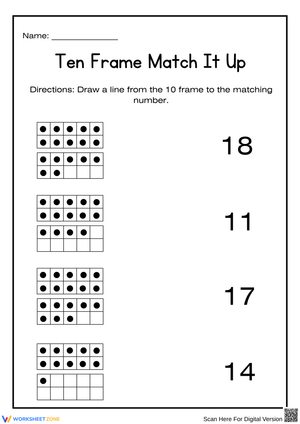
Uppercase-to-lowercase letter matching addresses CCSS.ELA-LITERACY.RF.K.1.D, which requires students to recognize and name all upper- and lowercase letters of the alphabet. This standard is the formal target in kindergarten, but first-grade teachers regularly return to it in September for students who need consolidated practice before phonics instruction accelerates. Picture-to-picture and shadow matching align to NAEYC developmental benchmarks for cognitive development, specifically the expectation that children classify objects using observable attributes. Number-quantity matching — where students draw a line from a numeral to a corresponding set of objects — addresses CCSS.MATH.CONTENT.K.CC.B.4, the kindergarten counting and cardinality standard that anchors the first half of most K math pacing guides.
Frequently Asked Questions
Can these worksheets be used with older students in special education?
Yes. Shadow matching and word-to-picture formats work with older students who are building visual processing or print awareness skills toward IEP goals. The imagery is neutral enough that a second- or third-grader won't find it condescending. The matching worksheets format prints cleanly at enlarged sizes — running the page at 120% gives students with fine motor challenges more room to draw lines without crowding, which matters when a dense full-page layout triggers avoidance behavior.
How many matching pairs appear on each worksheet?
Each worksheet presents six to eight matching pairs. Fewer than six and the task ends before students have had enough repetitions to move toward automaticity; more than ten and sustained attention begins to fragment in the kindergarten window, particularly for cut-and-paste formats where the physical task adds significant time to each item.
Are these worksheets usable for digital instruction?
The PDF format is designed for print. Static PDF files don't support the drag-and-drop interactivity that digital matching tasks require, so teachers running fully online instruction need a different file type. That said, many teachers photograph completed worksheets and attach the images to digital portfolios, or upload scans to parent communication platforms as documentation of skill progress over time.












 Interactive Worksheet Maker
 Quiz Maker
 Word Search Maker
 Crossword Puzzle Maker
 Word Scramble Generator
 Sentence Scramble Generator
 Handwriting Worksheet Generator
 Name Tracing Generator
 Fill In The Blank Generator