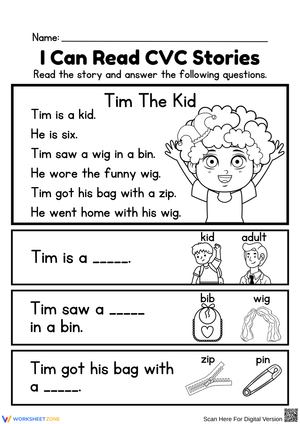
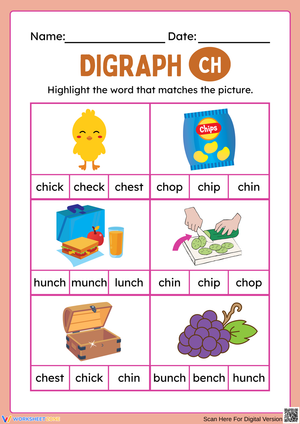
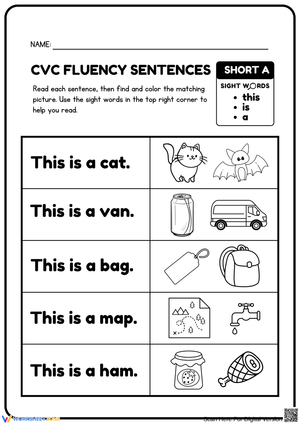
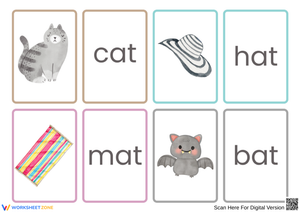
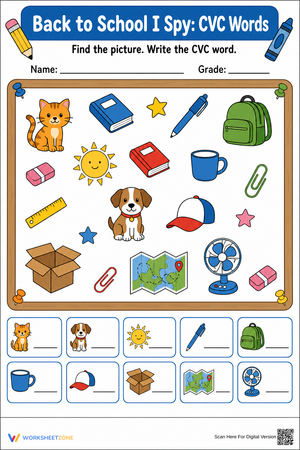
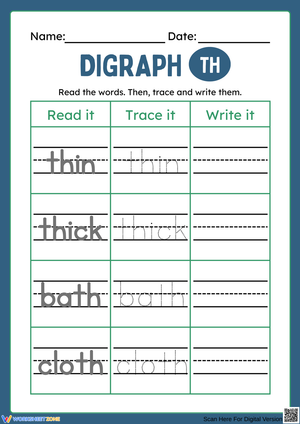
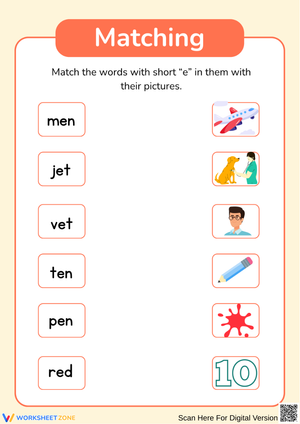
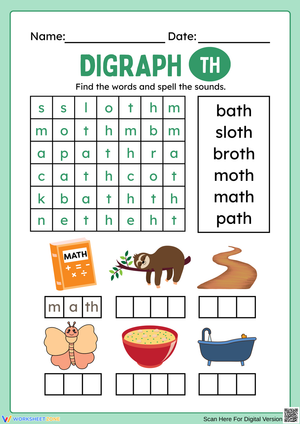
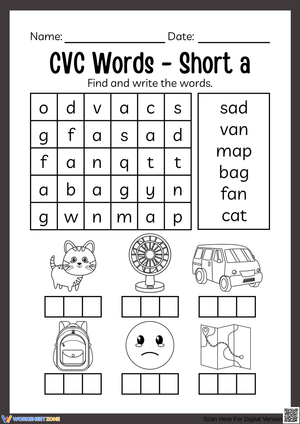
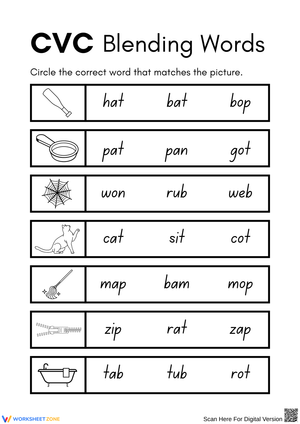
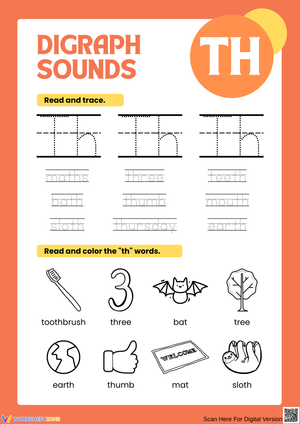
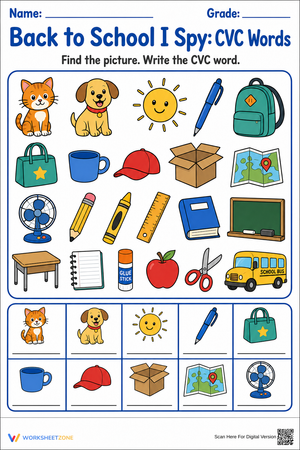
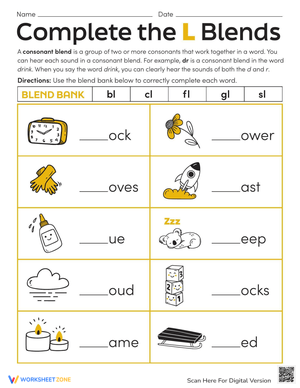
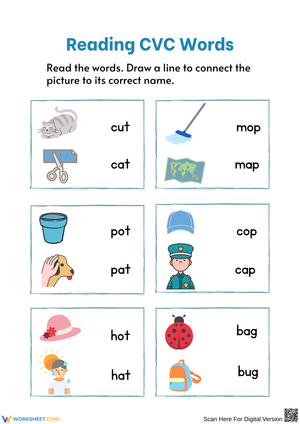
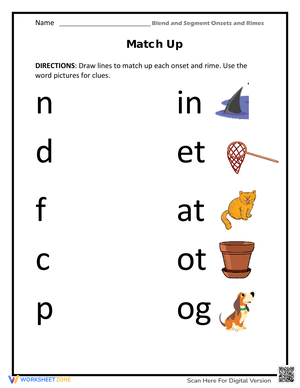
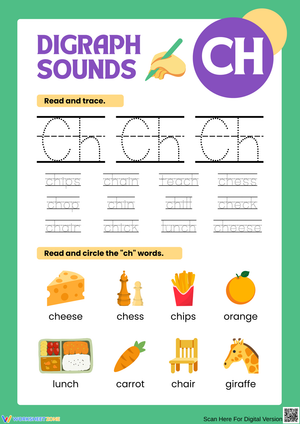
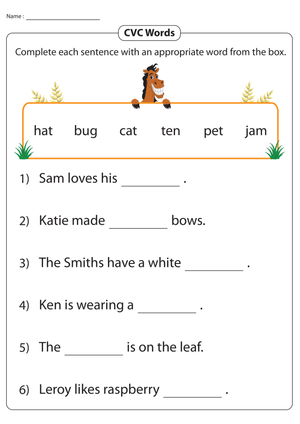
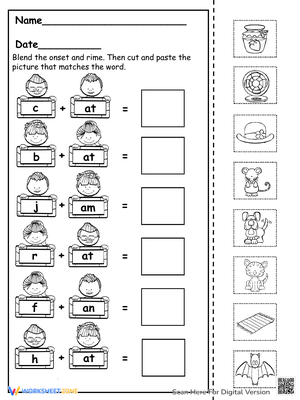
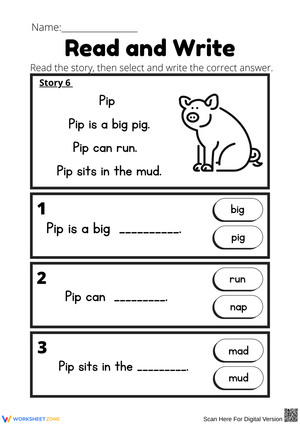
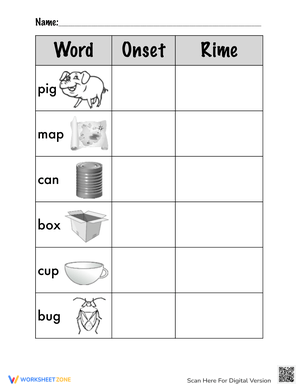
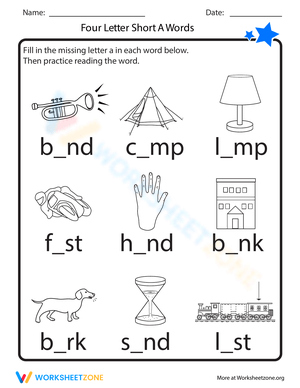
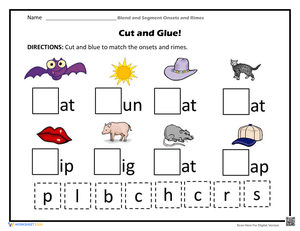
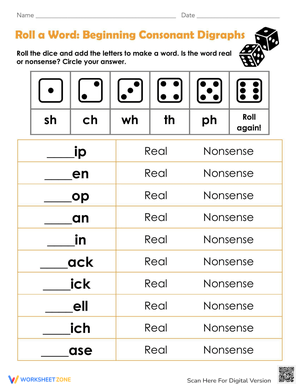
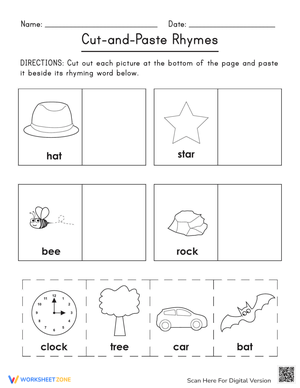
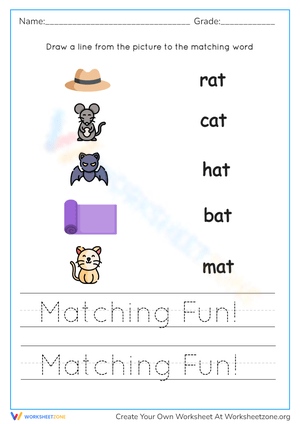
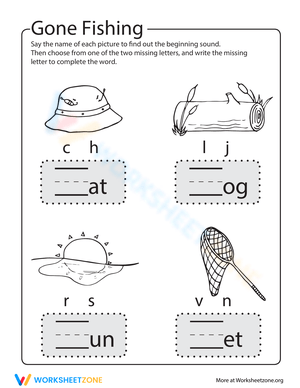
These word patterns pdf worksheets for kindergarten give teachers a focused set of phonics practice organized around CVC word families — the -at, -ig, -op, and -an groupings that form the backbone of early decoding. Each worksheet targets a single rime pattern so students spend the full activity working within one sound family rather than jumping between unrelated words, building the kind of pattern recognition that transfers directly into early reader books.
The Specific Skills Targeted
The set covers the most frequently occurring short-vowel word families. Within each worksheet, students work through a sequence of tasks that build on one another:
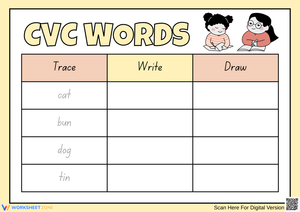
- Tracing or writing words that share a printed rime (e.g., -at, -en, -ig)
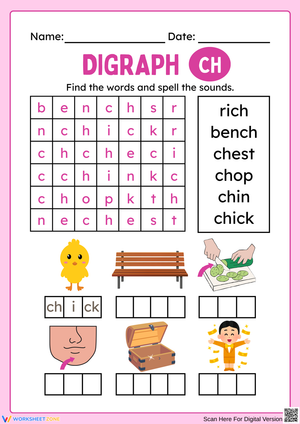
- Matching words to pictures — the image of a pig alongside "pig," "dig," and "wig" — to anchor the written pattern to spoken language
- Circling the target rime inside a mixed set of words, which forces students to scan rather than rely on memorized word shapes
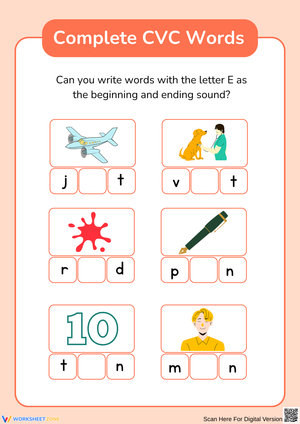
- Completing word-building items where they supply an initial consonant to a pre-printed rime ending
The picture-matching task does specific cognitive work. When a student writes "hen" and then spots -en inside "ten" and "pen," they are doing two jobs at once: retrieving the spoken word and confirming the visual pattern. That dual reinforcement moves retention faster than drill-and-recall alone.
Frequent Student Errors Worth Anticipating Before You Hand These Out
The most predictable mistake is vowel drift. A student working through the -at family writes "pet" for "pat" because short /æ/ hasn't fully settled in their phoneme inventory yet. These worksheets surface that confusion quickly — every word uses the same vowel, so a vowel-switch error stands out in student work rather than hiding inside a longer passage.
A second pattern appears at the final consonant. Students who read "bat" correctly in isolation will sometimes write "bad" when copying from memory, swapping the final consonant for a sonically similar one. That's an encoding error, not a reading error, and it tells you the student needs more deliberate work with final consonant articulation before blends become the focus. A quick dictation at the end of the lesson surfaces this faster than checking the worksheet alone.
How to Work These Worksheets Into Your Daily Lesson Flow
The most reliable slot is the 10 to 15 minutes after morning meeting when students are settled but not yet in deep independent work. Because the word patterns pdf worksheets for kindergarten follow a consistent format, you can establish the routine once in September and students navigate the activity independently for the rest of the year — which is exactly what you want for morning work. Introduce the family orally first: run a quick rhyming "I spy" or tap out words on fingers, then hand out the worksheet as a follow-through task rather than a cold entry point. The phonics instruction and the written practice stay in the same lesson window, which keeps the pattern fresh.
Literacy centers are the other strong fit. Once you have modeled the format twice in whole group, students complete these worksheets independently while you pull small groups. The repetitive structure — trace, match, circle — means students don't burn attention figuring out directions, so they spend the full center rotation actually reading and writing the words.
One classroom move worth trying before the worksheet: give students a set of word cards to physically sort into a "word family house" shape cut from construction paper. That kinesthetic sorting step gives lower readers enough repetition with the words that the written task feels like confirmation rather than a first attempt. It also surfaces students who are still guessing at initial consonants, so you catch those gaps before the work goes into a folder.
Standard Alignment
These worksheets address CCSS.ELA-LITERACY.RF.K.3, the kindergarten phonics and word recognition standard, which calls for knowing and applying grade-level phonics including the identification of common letter-sound correspondences and the reading of CVC words. The word-matching and sound-isolation tasks also support RF.K.2 (phonological awareness), specifically the ability to produce the onset and rime of spoken single-syllable words. In classroom terms, RF.K.3 is typically introduced in full by late fall, making October through February the primary instructional window for this set.
Differentiating the Worksheets Across a Range of Readers
The word patterns pdf worksheets for kindergarten in this set include picture support on every item, which gives English Language Learners vocabulary reinforcement alongside phonics practice. One caveat worth noting: confirm that the pictured objects are familiar to your students before the lesson. A student who doesn't have the word "wig" in their oral vocabulary won't get the phonics reinforcement from that picture-word pair. For students still consolidating letter recognition, reduce the visual field by covering part of the worksheet with a sticky note so only one or two items are visible at a time. Providing a physical letter tile to place at the beginning of the printed rime — before the student picks up a pencil — keeps the focus on the phonics decision rather than on handwriting demands.
Students who move through CVC families quickly can work across two worksheets from different short-vowel families in a single session and sort an additional word card set across both patterns. That comparison task pushes them toward the flexible pattern recognition that shows up in second-grade fluency work without requiring you to build a separate activity from scratch.
Frequently Asked Questions
Which word families should I introduce first?
Start with -at, -an, -ig, and -op. These four families appear in the highest-frequency early reader texts, so students encounter the words almost immediately in books read aloud or in guided reading groups. That quick transfer from practice to actual text is the strongest motivator for five-year-olds who aren't yet convinced that phonics work pays off.
How many word families should I cover per week?
One family per week is the right pace for most kindergarteners through the fall semester. By February, if students are reading patterns without hesitation, you can pair two related families — -at and -an, for example — and use each worksheet on alternate days within the same week rather than spreading them across separate weeks.
Can these worksheets double as homework?
Yes, but only after the pattern has been introduced in class. Sending home a worksheet on a family students haven't seen before turns it into a parent-led lesson, which produces uneven outcomes depending on what support is available at home. Use the word patterns pdf worksheets for kindergarten as homework for review, not for first exposure to a new sound family.
How do I know when a student is ready to move to the next pattern?
When a student reads every word in the family without hesitation and spells them correctly from dictation across three separate short checks, they're ready. One successful worksheet is not enough — consistency across multiple brief sessions is the signal that the pattern has moved from short-term recognition to durable knowledge.












 Interactive Worksheet Maker
 Quiz Maker
 Word Search Maker
 Crossword Puzzle Maker
 Word Scramble Generator
 Sentence Scramble Generator
 Handwriting Worksheet Generator
 Name Tracing Generator
 Fill In The Blank Generator