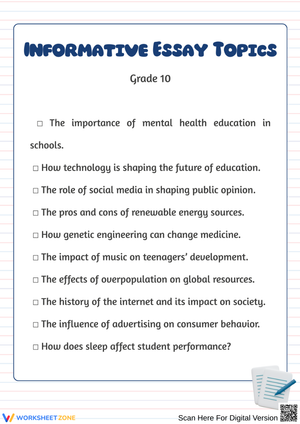
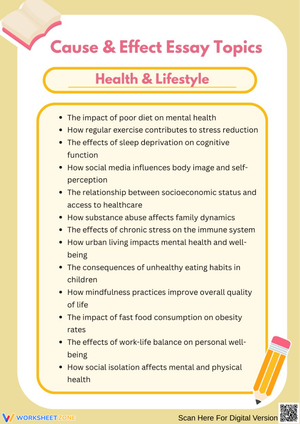
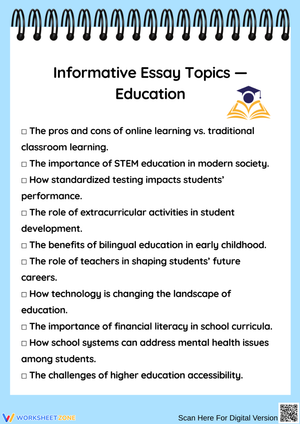
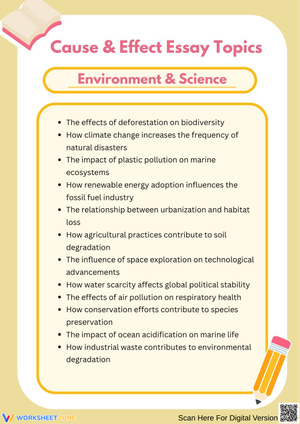
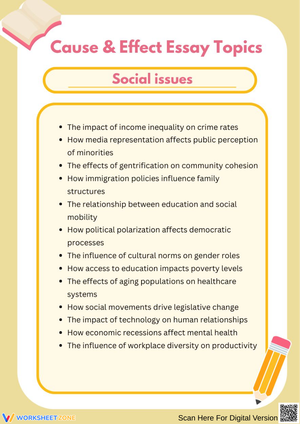
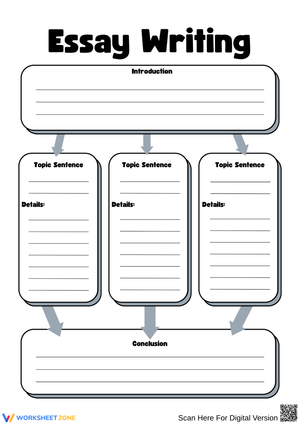
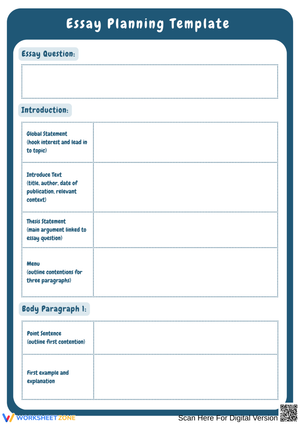
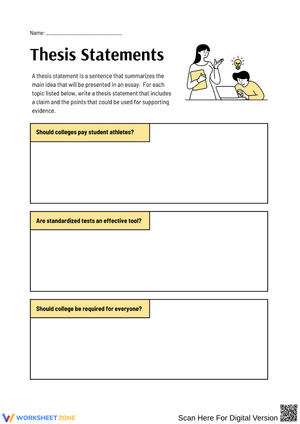
These 9th grade essay printable worksheets give ELA teachers a set of standalone resources that break the writing process into discrete, teachable parts — thesis construction, evidence integration, outlining, body paragraph drafting, and peer revision — so students practice each component before being asked to produce a full essay independently. Each worksheet addresses one job. Teachers can sequence them across a full unit or pull individual ones to address a gap that surfaced in yesterday's drafts.
What Each Worksheet Targets
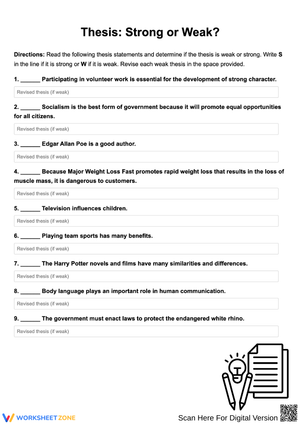
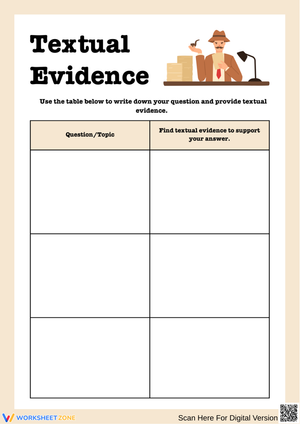
The 9th grade essay printable worksheets in this set cover the core moves of freshman academic writing: prompt analysis, evidence ranking, thesis drafting, body paragraph construction, and peer revision. Thesis worksheets walk students from topic to position to arguable claim — making concrete the difference between "Romeo and Juliet is a play about love," which is a fact, and a claim that requires proof. Body paragraph worksheets use the introduce-quote-analyze structure, requiring students to write a topic sentence, embed a specific piece of evidence, and then produce at least two sentences of commentary before moving to the next point. Outlining worksheets ask students to map the full essay structure before drafting, with space to confirm logical flow between paragraphs and a slot for the counterargument. Revision worksheets give peer editors a targeted list of marked questions rather than open-ended prompts: Does the thesis make a debatable claim? Does each body paragraph include analysis written in the student's own words?
Freshman Writing Errors Worth Catching Before They Become Habits
The most persistent thesis error at this grade level is the non-arguable statement. Students who can correctly define what a thesis is will still submit sentences like "Social media has many effects on teenagers" because the structure feels complete — it has a topic, a direction, and a noun phrase that sounds academic. The fix is teaching students to ask: who would disagree with this? If no one would, it is not a claim. Thesis worksheets that present paired examples — one arguable, one factual — and ask students to identify the difference make that distinction visible before the full draft begins.
A second pattern that shows up consistently is the dropped quote: the student copies a line from the text, places it in the paragraph after "the author says," and moves to the next point without a word of analysis. The quote functions like a period rather than evidence being put to work. Body paragraph worksheets that require students to write a minimum of two analysis sentences directly below each quote interrupt this habit before it becomes automatic. A third miscue worth watching: students who treat the topic sentence of a body paragraph as a word-for-word restatement of the thesis. A paragraph structure worksheet that explicitly asks "How does this topic sentence name this paragraph's specific job — not the whole essay's?" forces that distinction into awareness early.
How to Sequence These Worksheets Across a Writing Unit
The most effective approach releases one worksheet at a time, matched to where students actually are in the writing process rather than to the calendar. Collect the brainstorming worksheet before students move to outlining — this is a two-minute formative check, not a graded assignment, but it reveals quickly which students are working from a misread prompt or evidence that won't hold up under scrutiny. Collect the outline before drafting begins. Students who start a full essay on a flawed thesis can spend a week producing work that needs to be scrapped; an outline check during independent work time catches that problem when correction costs five minutes instead of five class periods.
These 9th grade essay printable worksheets also fit naturally into the first 10 to 15 minutes of a Monday writing workshop. Students open by reviewing the peer revision worksheet from the previous Friday, mark two specific changes they plan to make based on their partner's feedback, and then move into drafting. That structure makes revision a recurring habit rather than a single class period appended to the end of the unit.
Adjusting the Set for the Range of Writers in One Room
Students who freeze at a blank box benefit from worksheets with sentence-level entry points: a thesis frame ("In [text], [author/character] demonstrates that [claim], which suggests that [broader significance]"), pre-populated topic sentence starters for each body paragraph, and a model quote sandwich they can reference while working through their own. These structures give hesitant writers something concrete to push against instead of an open field.
Advanced writers need worksheets that ask more of them. Body paragraph worksheets with a counterargument slot — a prompt asking students to name an opposing claim, acknowledge where it holds merit, and then refute it with evidence — move students past the five-paragraph formula into actual argumentation. For students ready to work with complex texts, evidence worksheets that require both a direct quote and a paraphrase of the same passage, with a prompt asking which choice is stronger in context and why, build the analytical range that carries into upper-level English. The 9th grade essay printable worksheets in this set include tiered options on the thesis and body paragraph worksheets so teachers are not managing entirely separate materials for each group.
Standard Alignment
These worksheets address CCSS.ELA-Literacy.W.9-10.1 (write arguments to support claims using valid reasoning and sufficient evidence), CCSS.ELA-Literacy.W.9-10.2 (write informative/explanatory texts to examine complex ideas clearly), CCSS.ELA-Literacy.W.9-10.3 (write narratives to develop real or imagined experiences using descriptive detail and structured event sequences), and CCSS.ELA-Literacy.W.9-10.5 (develop and strengthen writing through planning, revising, editing, and rewriting). In most ELA pacing guides, W.9-10.1 anchors the first or second unit of 9th grade — often paired with a class novel or an informational text set — making thesis and evidence worksheets most useful in September and October. W.9-10.5 runs the full year, which is why the revision and peer-editing worksheets see consistent use across multiple units rather than appearing only once.
Frequently Asked Questions
What essay types do these worksheets cover?
The set includes worksheets for argumentative, informative/explanatory, and narrative writing — the three modes addressed in the CCSS 9-10 grade band. The thesis and evidence worksheets are calibrated for argumentative and informative essays, where students must make and support a debatable claim. The narrative worksheets address story structure, scene-setting, and event sequencing rather than claims and evidence, and each worksheet includes a separate graphic organizer for mapping narrative arc before students move into drafting.
Can these worksheets be used with any class text, or are they built around specific prompts?
Each worksheet is text-neutral. Students supply their own evidence from whatever novel, article, or primary source the class is reading. The body paragraph and evidence worksheets use labeled blank fields — "Your topic sentence," "Your evidence from the text," "Your analysis" — so teachers can use the same worksheet with The Hate U Give in one period and a historical document in another without any modification.
How do I use these worksheets for formative assessment without adding to my grading load?
Collect the brainstorming worksheet and the outline before students begin drafting, but evaluate each with a three-category check — on track, needs a brief conference, fundamentally off-base — rather than written comments. This takes two to three minutes per student and catches structural problems before they become embedded in a full draft. Peer revision worksheets serve as a second low-cost formative tool: scan completed peer review forms at the end of a work period to see which issues appear most often across the class, then open the next lesson by addressing the two or three most common ones whole-group before students return to independent writing.












 Interactive Worksheet Maker
 Quiz Maker
 Word Search Maker
 Crossword Puzzle Maker
 Word Scramble Generator
 Sentence Scramble Generator
 Handwriting Worksheet Generator
 Name Tracing Generator
 Fill In The Blank Generator