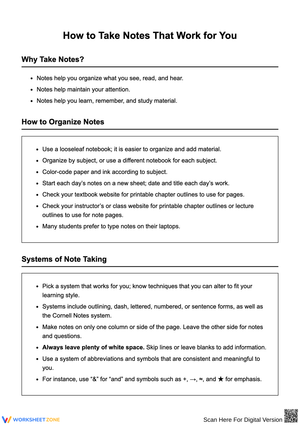
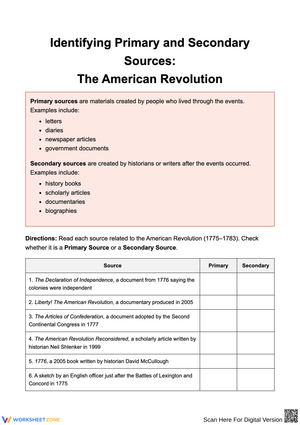
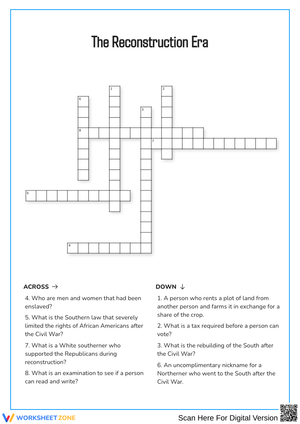
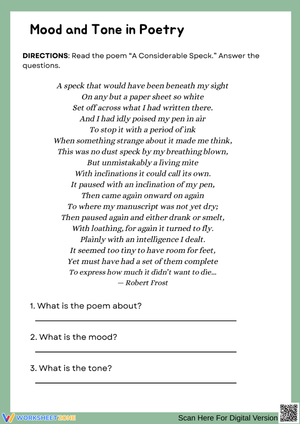
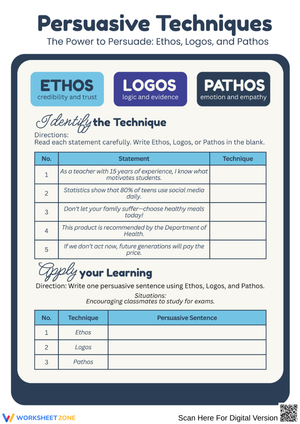
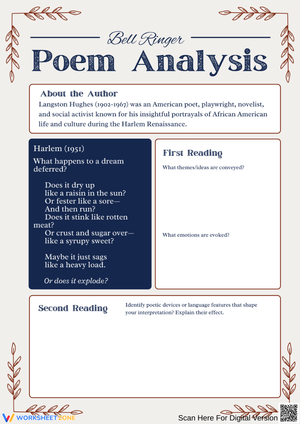
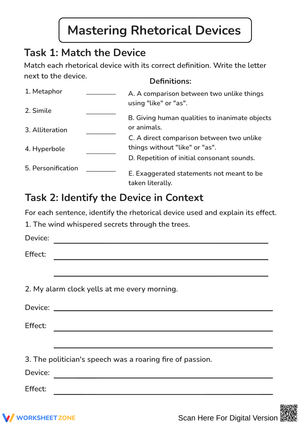
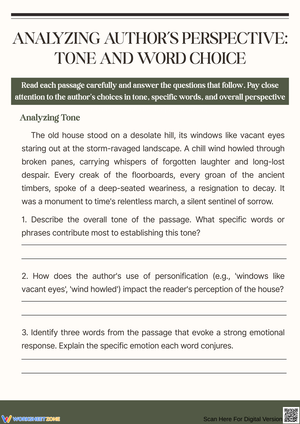
These 9th grade english worksheets resources target the exact moment ELA expectations shift — away from summary-heavy middle school tasks and toward the evidence-based analysis, argumentative writing, and sentence-level grammar that high school instructors expect from the first unit onward. The set gives teachers modular options across reading comprehension, literary analysis, grammar conventions, and essay development that slot into existing unit plans without requiring a full rebuild.
What the Set Covers
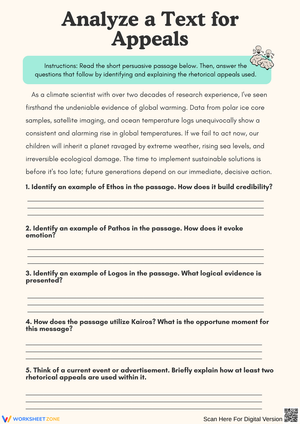
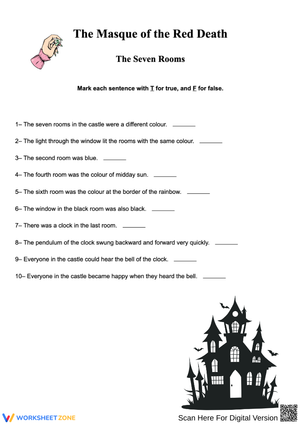
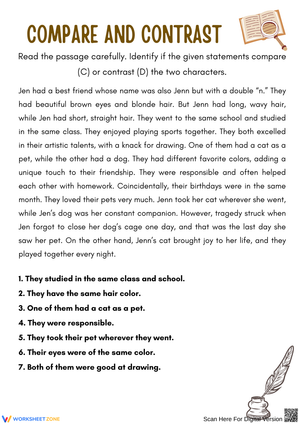
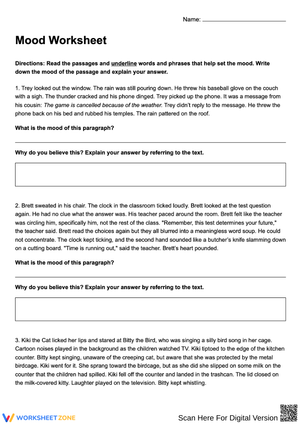
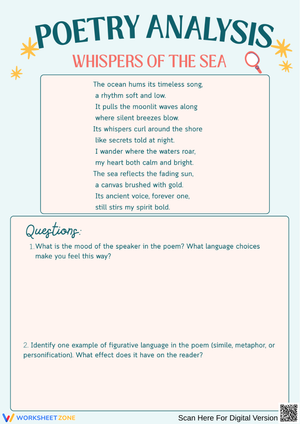
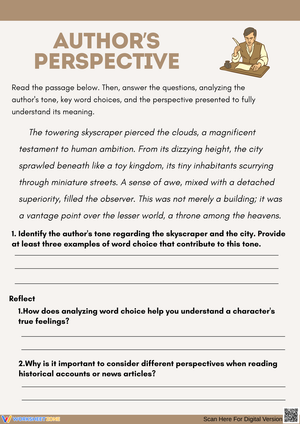
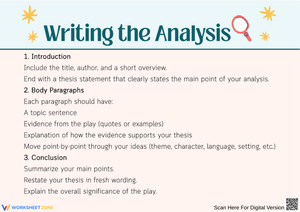
Literary analysis worksheets focus on one analytical lens at a time: character motivation, theme development, or the function of a specific passage. Students work through a claim-evidence-warrant structure — not just locating a quote, but explaining how that quote functions within the argument they are building. This constraint keeps students from treating literary analysis as a scavenger hunt and pushes them toward the explanatory writing that ninth-grade teachers are actually trying to develop.
Grammar worksheets address the conventions ninth graders are expected to control before they write their first formal essay. The primary targets are:
- parallel structure within sentences and across series
- semicolons and colons used to connect closely related independent clauses
- deliberate variation of sentence length and opening structure
Each worksheet presents these conventions inside authentic sentence contexts — not isolated fill-in-the-blank drills — so students encounter the rule the way a professional writer applies it.
Vocabulary exercises ask students to use context clues and knowledge of Greek and Latin roots to work out the meaning of unfamiliar words before checking against a definition. A separate group of worksheets focuses on connotation, asking students to compare near-synonyms and explain how an author's word choice shapes the emotional register of a passage. Argumentative and informative writing worksheets round out the set with pre-writing structures that walk students from thesis development through paragraph organization.
Errors These Exercises Bring to the Surface
The most persistent problem in ninth-grade literary analysis is what writing instructors call quote-dropping: a student pastes a line from the text and begins a new paragraph, skipping the explanation entirely. On the analysis worksheets, this shows up as a filled-in evidence box sitting next to a blank or one-word warrant. Seeing the gap in writing makes it easier to name in class and easier for students to self-identify during revision.
Grammar work surfaces a different recurring issue. Students who understand parallelism as a concept still produce errors when the sentence grows complex. A typical example: "She enjoyed analyzing characters, to write arguments, and went back to reread passages for evidence." The student correctly starts a parallel series but loses track of the grammatical form by the third item. The worksheets address this by having students isolate each element in the series before evaluating whether the forms match — a habit that transfers directly to their own editing.
In vocabulary exercises, connotation is almost always the sticking point. Students default to treating near-synonyms as interchangeable and need repeated exposure to understand that "cheap" and "economical" carry different emotional weight even when both refer to the same price. This matters in literary analysis: an essay that considers why an author chose "economical" over "cheap" is operating at a different level than one that treats word choice as accidental. The worksheets build that sensitivity through repetition rather than a single lesson.
Working These Worksheets Into Your Weekly Rotation
Grammar exercises fit naturally into the first eight minutes of class. A parallelism correction or a semicolon task settles students before the primary text goes up, and because each worksheet addresses a single convention, results function as an informal check on who needs more practice before a formal editing task. Many teachers run them on Mondays as a reset from the weekend or on Thursdays as low-stakes preparation for a writing task due Friday.
Literary analysis worksheets belong inside the lesson itself — as guided practice following a close-read discussion or as independent work after a full-class model. Walking through one complete claim-evidence-warrant sequence out loud before releasing students to finish the rest independently makes expectations concrete before the solo work begins. Students who watch the teacher's reasoning on the first example make fewer structural errors on the second and third.
Essay development worksheets are most productive during the pre-writing phase, before students open a blank document. Students who arrive at drafting with a completed thesis and outline worksheet produce longer, more logically ordered first drafts — which shortens revision conferences considerably. Keeping a printed set of the 9th grade english worksheets in a dedicated binder also gives students a reference point during the editing stage of major assignments throughout the semester.
Standard Alignment
Reading and literary analysis worksheets align with CCSS.ELA-LITERACY.RL.9-10.1, which requires students to cite strong and thorough textual evidence in support of both explicit and inferential analysis. This standard is the functional center of ninth-grade ELA — it separates a response that retells from one that analyzes, and it is the skill every formal essay through grade twelve continues to build on.
Grammar conventions worksheets address CCSS.ELA-LITERACY.L.9-10.1. Argumentative writing worksheets connect to CCSS.ELA-LITERACY.W.9-10.1, covering claim development, logical reasoning, and acknowledgment of counterclaims. Vocabulary worksheets work within CCSS.ELA-LITERACY.L.9-10.4, targeting context clue strategies and morphological knowledge as independent word-solving tools. Each of these standards begins a two-year progression that continues through tenth grade, so the practice students get in ninth grade directly prepares them for what follows.
Adjusting the Worksheets for a Mixed-Readiness Class
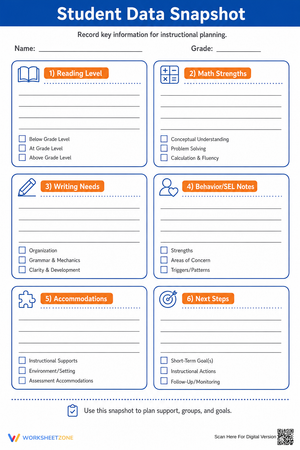
Ninth-grade rosters routinely include students reading well below grade level alongside students already working comfortably in the 1050-1260L Lexile range. The literary analysis worksheets address this through the evidence-and-warrant structure: students who need more support use sentence starters ("This quote suggests that...") while students working independently write their warrant language from scratch. Both groups complete the same analytical task — the entry point differs, not the thinking required.
Grammar worksheets tier easily without extra preparation. Students who need more guided support identify and label the error in a provided sentence. Students working more independently rewrite the sentence correctly. A third group writes an original sentence demonstrating the same convention. One worksheet, three levels of production, all targeting the same grammatical concept.
For vocabulary, adding a word bank to the margin of each worksheet removes a real barrier for students still building academic language. Students who do not need it ignore the note. This keeps the class on the same worksheet without turning vocabulary practice into a frustration exercise before students even reach the analytical work.
Frequently Asked Questions
Do these worksheets work as bell-ringers, or do they need a full class period?
Grammar and vocabulary exercises run well in an opening slot — most take fewer than ten minutes when the task is focused. Literary analysis worksheets require more time: at least twenty to twenty-five minutes for students to read, locate evidence, and write a complete warrant. Using them as in-class activities rather than warm-ups produces stronger work and gives teachers more useful formative data before the next writing assignment.
Can these be used alongside a novel unit?
Yes, and the literary analysis worksheets work especially well when they draw from excerpts of the same novel students are currently reading. Practicing textual evidence skills on familiar text reduces the cognitive load of decoding an unfamiliar passage, which means students can focus on the analytical structure rather than basic comprehension. Grammar and vocabulary worksheets run as parallel independent exercises on reading-heavy days.
Can these files be posted to an LMS for digital or hybrid classes?
The 9th grade english worksheets format is compatible with Canvas, Schoology, Google Classroom, and similar platforms. Students can complete each worksheet using digital annotation tools or print copies at home. No special software beyond a standard PDF reader is required. Assigning worksheets individually rather than as a bulk upload makes it easier to target specific skills without distributing materials outside the current unit.
What is the most efficient way to give feedback on literary analysis worksheets without spending an hour per student?
Focus first on the warrant — the explanation connecting the quote to the claim. If the warrant is present and logically links the evidence to the argument, the student is meeting the standard. If it is absent or circular ("This quote shows the character is brave because the author is describing bravery"), that is the one thing worth flagging in writing. Running peer review using the claim-evidence-warrant structure the 9th grade english worksheets set introduced works well as a first pass, reducing the number of students who need an extended individual conference before a written note from the teacher.












 Interactive Worksheet Maker
 Quiz Maker
 Word Search Maker
 Crossword Puzzle Maker
 Word Scramble Generator
 Sentence Scramble Generator
 Handwriting Worksheet Generator
 Name Tracing Generator
 Fill In The Blank Generator