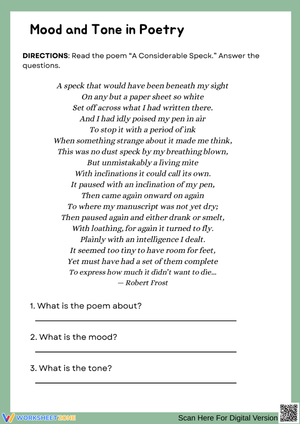
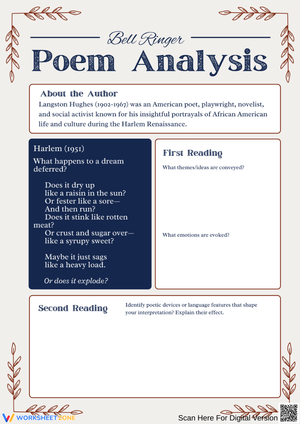
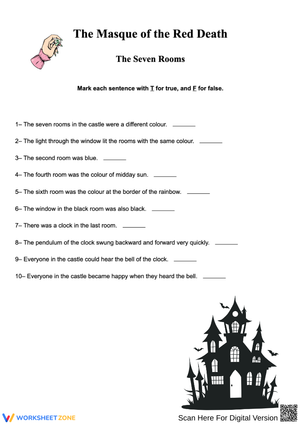
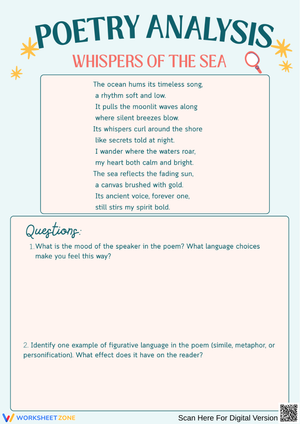
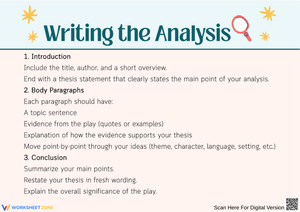
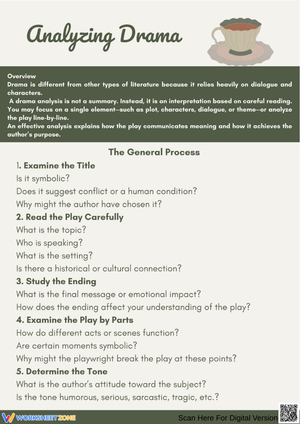
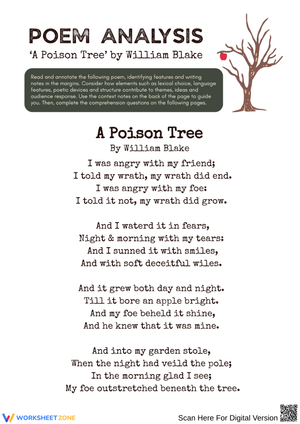
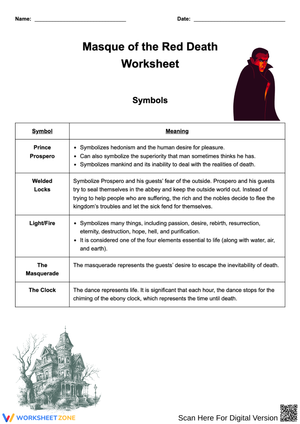
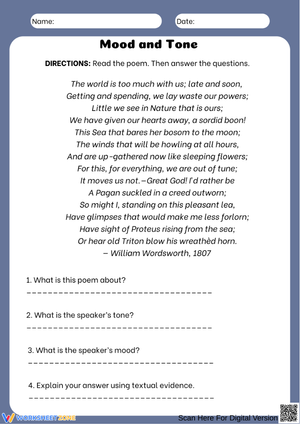
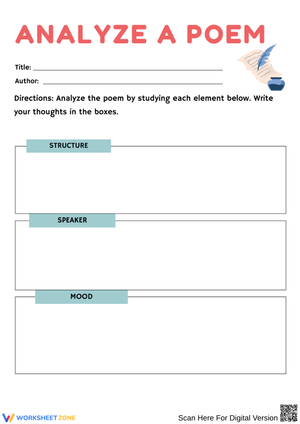
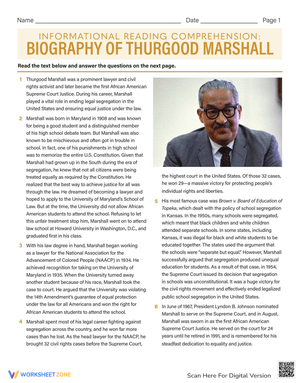
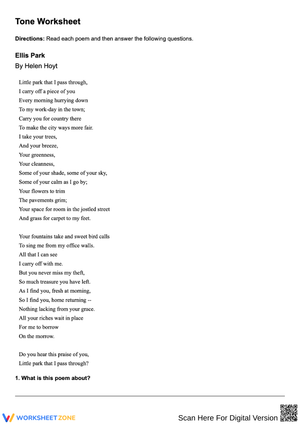
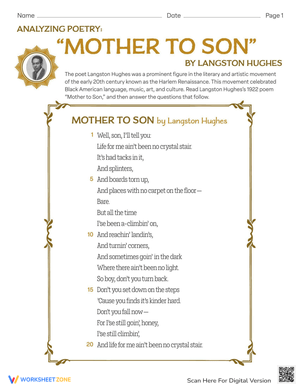
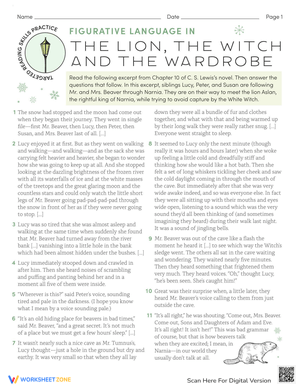
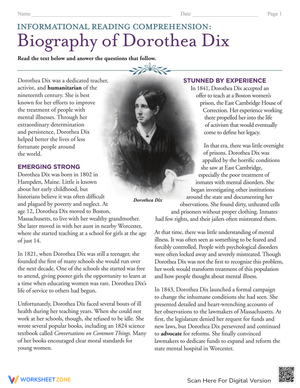
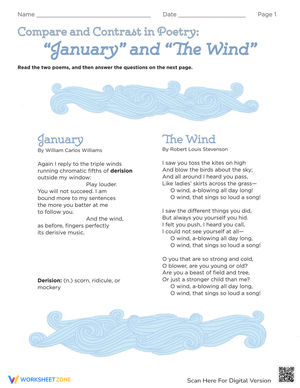
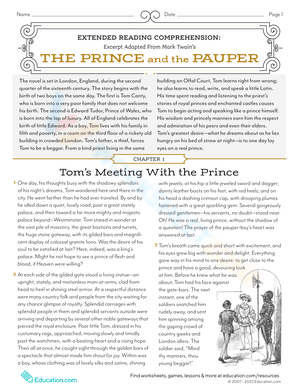
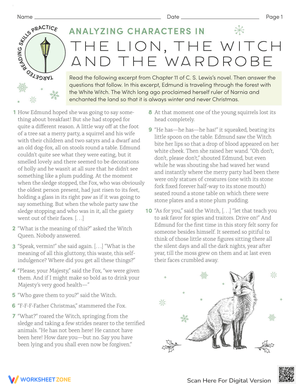
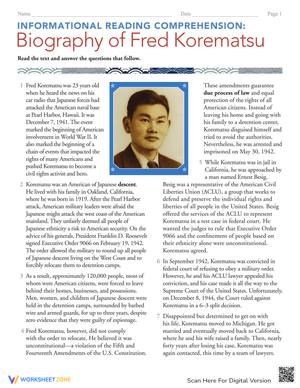
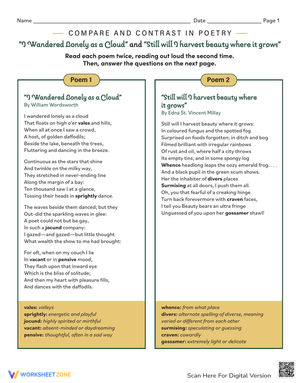
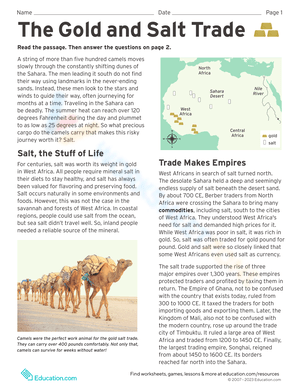
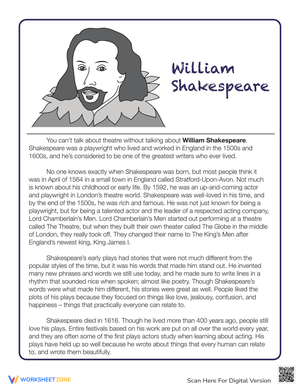
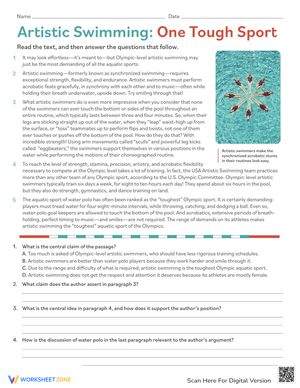
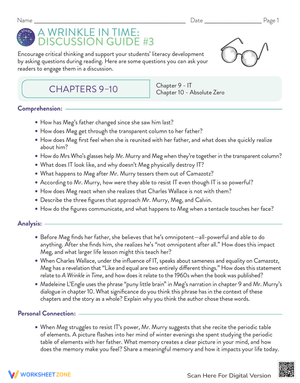
These 8th grade reading genres and types printable worksheets resources give teachers what standalone ELA activities rarely deliver: short, purposeful passages with questions that move students past labeling into genuine textual analysis. At grade 8, the goal is not identifying "memoir" as a category — it's explaining the first-person reflection, the inward emotional logic, and the personal voice that separate memoir from a researched biography. The set is printable and self-contained, built to work across bell ringers, small-group sessions, and quick formative checks without eating an entire class period.
Where Student Thinking Actually Breaks Down
Genre identification looks manageable on the surface, which is part of why the errors run deep. Students at this level have years of experience sorting "fiction" from "nonfiction," and that confidence can obscure real misunderstanding. The first predictable breakdown is conflating editorial with article. Both appear in print and online, both use polished prose, and both are relatively short. What separates them — a stated position backed by argument versus information presented without advocacy — is invisible to students who have not been taught to hunt for a claim in the opening paragraph. A student who misses the editorial's central argument will then answer every author-purpose question after it incorrectly.
The second consistent error is treating first-person pronoun as the definitive signal for memoir. When students spot "I" in a passage, many stop reading and write down "memoir" without going further. Speeches, personal essays, and memoirs all use first-person voice, but their structures and purposes differ in ways that matter. A speech addresses an audience directly, often relying on repetition and outward emotional appeals. A memoir turns inward — toward memory, reflection, and the personal significance of lived experience. Show 8th graders an excerpt from a graduation speech and ask them to classify it, and a large share will write "memoir" based on the pronoun alone.
Drama and poetry also tend to collapse into a catch-all "fiction" bucket in student responses. Students who correctly identify a short story as fiction will label a play excerpt the same way, skipping past stage directions, character attribution, and dramatic structure entirely. Catching these patterns early saves a lot of confusion during paired-text assessments.
The Skills Built Across the Set
Each worksheet moves students through a deliberate sequence: read a short passage, identify the text type with precision, locate at least two genre clues within the text, and explain how those clues connect to the author's purpose. That sequence matters. Students who jump straight to labeling without reading for clues rely on surface features — paragraph length, obvious titles, the presence of dialogue — rather than the structural and rhetorical signals that actually define a genre.
Across the set, students practice:
- Distinguishing broad categories (literary, informational, argumentative) and naming more precise forms within them — biography, memoir, speech, editorial, article, paired text
- Locating and naming genre signals: point of view, tone, the presence of a claim, use of evidence, structural markers such as headings or chronological organization
- Differentiating closely related forms — memoir from biography, editorial from persuasive essay, speech from personal narrative
- Connecting text type to author purpose: why this genre for this subject, and how the form shapes what a reader walks away understanding
- Identifying text structure within a genre — recognizing that one informational article might be organized by cause and effect while another uses problem-solution framing
Working These Worksheets Into Your Planning Week
The most consistent use pattern is the genre bell ringer: one short passage at the start of class, students underline two genre clues, five minutes of discussion before the main activity begins. Run that three times a week across a unit and the cumulative effect on student accuracy is real. By the third week, students stop grabbing the first label that comes to mind and start scanning for evidence before committing to an answer.
These 8th grade reading genres and types printable worksheets resources also fit naturally into small-group rotations. A group that needs more support works on broad sorting — literary versus informational — while a second group tackles the memoir-biography distinction using side-by-side excerpts. A third group handles the trickiest pairings: editorial versus argumentative essay, or personal essay versus memoir. Each group uses a different worksheet from the set without requiring separate lesson plans. During test-prep season, mixed-genre review sessions — where students alternate between text types the way they do on state assessments — fit well into a Friday block or end-of-unit review day.
How to Modify Each Worksheet Across Ability Levels
For students who freeze when an open-ended classification question appears, narrow the starting decision to a forced binary before they begin: "Decide first whether this is closer to a memoir or a biography — then explain what tipped you." That two-option entry point reduces guessing and teaches students to weigh evidence, which is the actual skill the question is testing. It also makes peer discussion sharper because students have a specific contrast to argue about rather than an open field of possible answers.
On-level students should write one sentence of justification for each answer — not just circling the genre, but articulating why. Advanced students can extend any worksheet: write a paragraph comparing how two genres treat the same subject differently, or identify what the author would have needed to change to shift the text from one type to another. Annotating directly on each worksheet before writing — circling pronouns, bracketing claims, marking where the tone shifts — gives students who need a physical anchor a way into the analysis before they commit anything to full sentences.
Standard Alignment
These worksheets address CCSS.ELA-LITERACY.RL.8.5 (compare and contrast the structure of two or more texts and analyze how differing structures contribute to meaning and style) and CCSS.ELA-LITERACY.RI.8.6 (determine an author's point of view or purpose and analyze how the author responds to conflicting evidence or viewpoints). In classroom terms, RL.8.5 is the standard most directly served during genre comparison work — students must recognize how a speech's structure differs from a memoir's before they can discuss what those structural choices accomplish. RI.8.6 becomes relevant when students move from identification to purpose: recognizing an editorial is not enough; they need to explain how its argumentative structure serves the author's position. The 8th grade reading genres and types printable worksheets set gives teachers repeatable practice in both standards using a single resource pool rather than separate materials for each skill.
Frequently Asked Questions
What text types should 8th graders be able to distinguish beyond basic fiction and nonfiction?
At minimum, grade 8 students should distinguish literary forms (short story, novel excerpt, poetry, drama) from informational forms (article, biography, memoir, speech) and argumentative forms (editorial, op-ed, persuasive essay). Within those groups, they should explain the specific signals — structural and rhetorical — that separate closely related types like memoir and biography or editorial and article. Broad category sorting belongs in earlier grades; 8th graders need to work at the level of precise distinctions.
Are these worksheets meant to replace a genre unit or work alongside one?
These are practice resources, not a full instructional unit. They work best after students have received direct instruction on the text types included — a worksheet is not the place to introduce the difference between an editorial and an article for the first time. After that introduction, repeated practice with short passages is what moves students from vague recognition to reliable, evidence-based identification. Think of each worksheet as the reps, not the initial instruction.
How do these worksheets support test preparation at grade 8?
State ELA assessments at this level regularly include passages drawn from multiple genres, often in paired-text sets that require students to shift their reading lens quickly. Students who have practiced moving between a poem, an editorial, and a narrative excerpt within a single sitting handle that format more confidently. The 8th grade reading genres and types printable worksheets set includes mixed-genre reviews that replicate that switching demand in a low-stakes setting, giving students the repeated exposure they need before the actual assessment.












 Interactive Worksheet Maker
 Quiz Maker
 Word Search Maker
 Crossword Puzzle Maker
 Word Scramble Generator
 Sentence Scramble Generator
 Handwriting Worksheet Generator
 Name Tracing Generator
 Fill In The Blank Generator