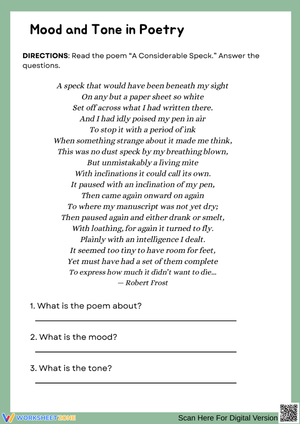
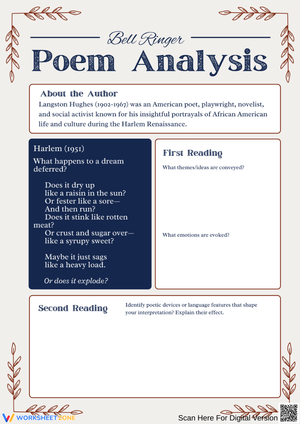
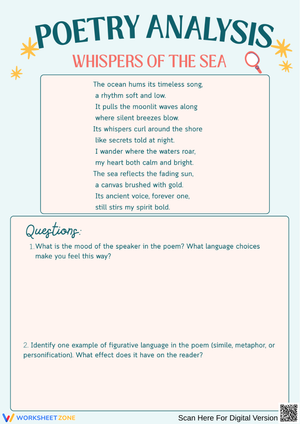
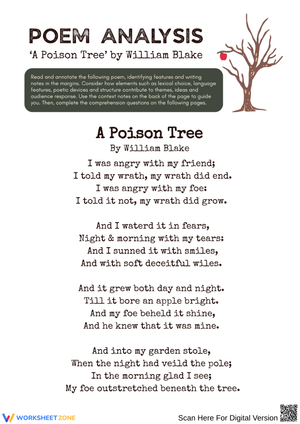
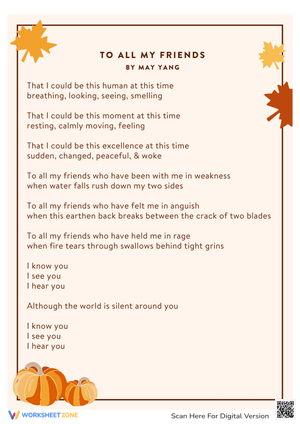
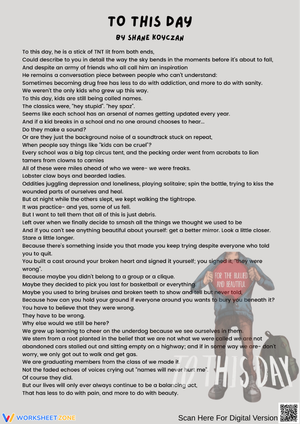
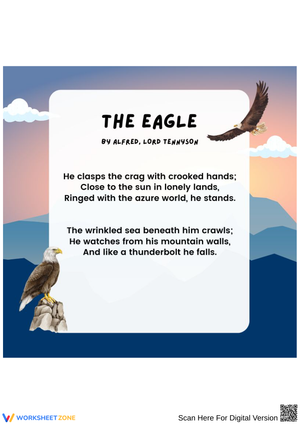
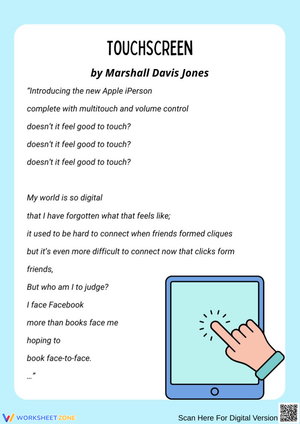
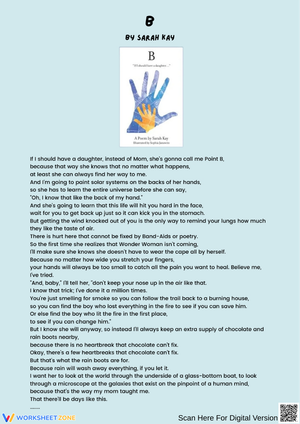
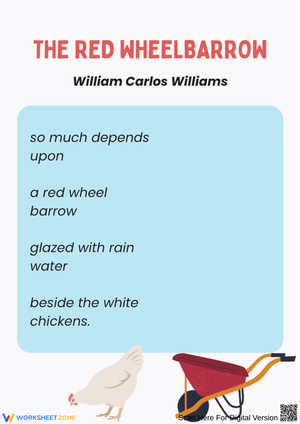
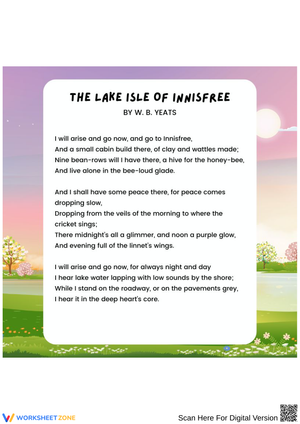
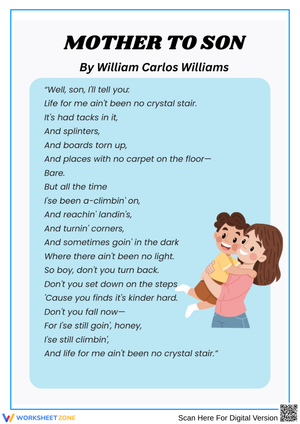
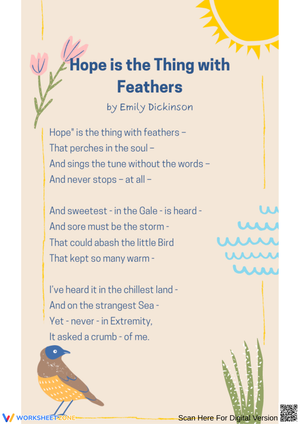
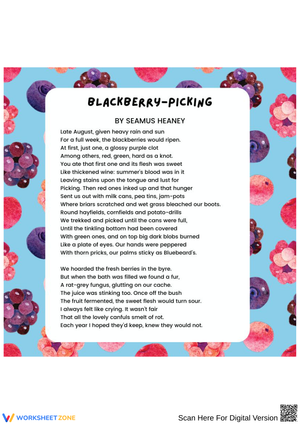
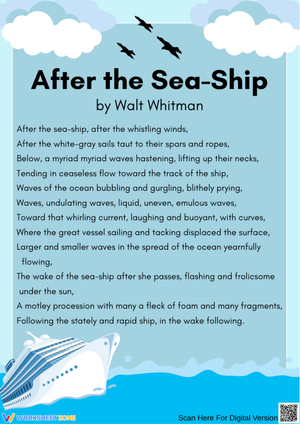
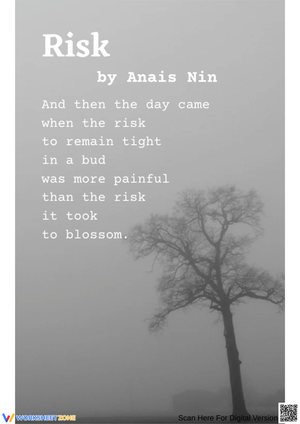
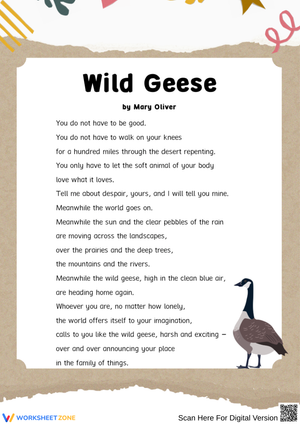
These poems pdf worksheets for 8th grade give teachers a focused, printable toolkit for close reading instruction — short texts paired with text-dependent questions that move students from literal comprehension into analysis of how a poem creates meaning. Each worksheet targets a specific skill rather than covering everything at once, which keeps the lesson task clear and the student thinking visible. That specificity matters when you're planning a block and need something that actually teaches rather than just checks.
The Specific Skills Each Worksheet Targets
Eighth grade is the year students are expected to stop just identifying literary devices and start explaining what those devices do. That shift is harder than it sounds. A student can circle a simile in seconds; explaining how that simile shapes a reader's understanding of the speaker's grief is a different cognitive move entirely. Each worksheet pushes toward the analytical end of that spectrum, not just the labeling end.
- Theme: Students identify a central idea and trace how individual images or lines build toward it — not just "the poem is about loss," but which specific stanza establishes that and how.
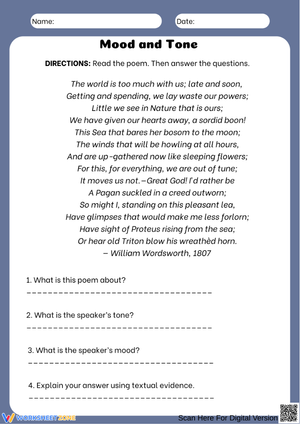
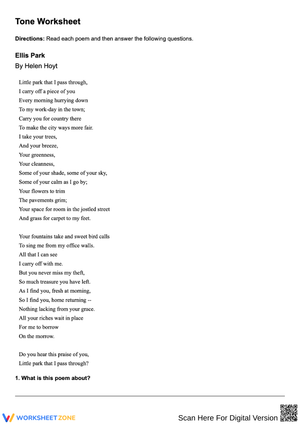
- Tone and diction: Students mark words that carry emotional weight and name the speaker's attitude precisely. "Sad" becomes "resigned" or "bitter" after students work through the word-choice questions.
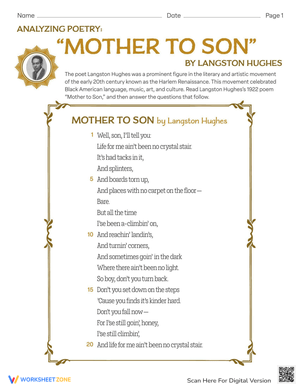
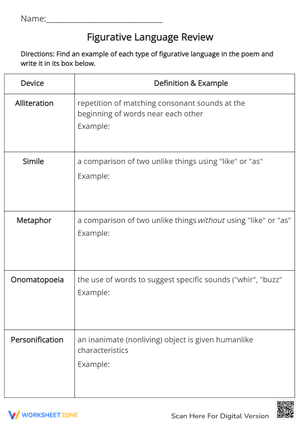
- Figurative language: Students interpret similes, metaphors, personification, and imagery, then explain each device's effect on meaning — not just what it compares, but what that comparison reveals about the speaker or situation.
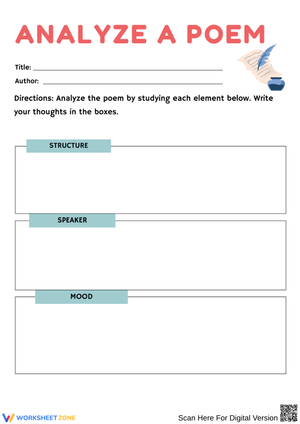
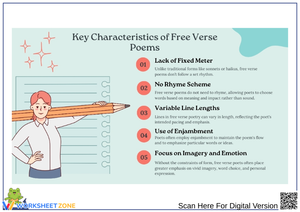
- Structural analysis: Students examine stanza breaks, line length, repetition, and punctuation choices — features 8th graders routinely skim past when reading poetry on their own.
- Text evidence: Every worksheet requires students to anchor written responses in specific quoted or paraphrased lines from the poem before moving to any interpretive claim.
Student Errors Worth Anticipating Before the Lesson Starts
The most persistent problem in 8th grade poetry analysis isn't identification — it's explanation. Students who can circle a metaphor will still write "this metaphor makes the poem more interesting" without connecting it to a specific emotional effect or thematic idea. These worksheets counter that pattern by building the response in steps: name the device, quote it, then explain what it reveals about the speaker or the poem's central tension. The structure doesn't eliminate the error on the first try, but it makes the gap between identification and explanation visible, which gives you something concrete to address in class.
Tone is another consistent sticking point. Students frequently confuse the speaker's tone with the subject matter of the poem — a poem about grief can be written with exhaustion, bitterness, or even dark humor, and those distinctions shift the entire reading. When a worksheet asks students to list three words that create tone and explain the connotation of each, the task forces them to separate "what the poem is about" from "how the speaker feels about it." Watch also for students who pull the most dramatic image as evidence rather than the line that actually answers the question. A short debrief where pairs compare which lines they cited — and argue for their choice — builds the evidence-selection skill quickly and gives the discussion real energy.
How to Fit These Worksheets Into Your Weekly Lesson Plan
The most practical way to use poems pdf worksheets for 8th grade is to sort them by skill before the unit starts, not by poem title. Keep a small group of tone worksheets together, a separate set for figurative language, another for structure. When formative data tells you a class needs more work on text evidence, you pull from the right stack without searching through a mixed folder at 7 a.m. on a Monday.
Bell ringers are a strong entry point: one stanza with two focused questions takes about eight minutes and moves students into analytical thinking before the full lesson opens. The written answer also gives you immediate information about where the class is before you've said a word. For station rotations, pair a worksheet with annotation tools and a short partner discussion prompt so students move between individual writing and talking through their answers — both skills that transfer directly into ELA assessment tasks. For substitute plans, a self-contained worksheet with clear annotation instructions, a question set, and a written response prompt gives the class enough structure to run a productive period without you in the room.
Standard Alignment
These worksheets address several CCSS standards for 8th grade literature. RL.8.4 asks students to determine the meaning of words and phrases, including figurative and connotative language, and to analyze how specific word choices affect meaning and tone — the primary target of the diction and tone worksheets. RL.8.1 requires students to cite the textual evidence that most strongly supports an analysis, a demand built into every written response prompt across the set. RL.8.5, which covers analysis of how a text's structure contributes to its meaning and style, is addressed in the structural analysis worksheets that direct students to examine stanza organization, line breaks, and repetition as meaning-making choices rather than decorative features.
In most district pacing guides, these standards cluster in the second and third quarters when poetry units run alongside argument writing instruction. The text evidence habits built through these worksheets transfer directly into the analytical paragraphs students are expected to produce throughout the year, making poetry study feel connected to the rest of ELA rather than isolated from it.
Adjusting the Work for Students at Different Readiness Levels
The most efficient approach is to keep the poem constant for the whole class and adjust the level of support around the questions. For students who struggle with evidence-based responses, two or three sentence frames go a long way: "In line ___, the poet writes '___,' which suggests..." That gives them a path into the writing without doing the thinking for them. Students who finish quickly benefit from a different kind of extension — after completing the tone analysis on the worksheet, ask them to find a second poem that handles the same subject with a contrasting tone and write a brief comparison. No extra materials needed if students have access to a classroom anthology or the Poetry Foundation site.
One honest limitation: poems with dense cultural or historical allusions can widen the gap significantly between students who carry background knowledge in and students who don't. If the poem references mythology, a specific historical moment, or a cultural tradition that many students won't recognize, a short context paragraph before the reading helps more than a footnote at the bottom. Poems pdf worksheets for 8th grade work best when the analytical challenge lives in the questions — not in decoding unfamiliar references before a student can even engage with the poem's language.
Frequently Asked Questions
Do these worksheets include annotation prompts, or just comprehension questions?
Most worksheets in the set include both. Annotation prompts direct students to mark specific features — repeated words, shifts in tone, figurative language — before they move into the written questions. That sequence matters: annotation slows the first read down and makes it more active, so the analysis questions build on what students have already noticed rather than asking them to start from scratch in the response box.
Can the same worksheet serve as guided practice one day and independent work later in the week?
Yes, and that two-use approach is often the most efficient. On Monday, model the annotation process and work through one question together as a class. By Wednesday or Thursday, assign a worksheet from the same skill category as independent practice. Students already recognize the format, so less time goes to directions and more goes to actual reading. That familiarity also reduces the anxiety around poetry that shows up regularly in 8th grade — the sense that poems are supposed to be mysterious and therefore impossible to answer questions about.
How do these worksheets fit into preparation for 8th grade ELA assessments?
Most state ELA assessments at this grade level include at least one literary passage — often a poem — followed by text-dependent multiple-choice items and a short constructed response. These worksheets mirror that structure: read, annotate, answer with evidence, write with a specific claim. Using poems pdf worksheets for 8th grade consistently throughout the year builds the close reading habits that prepare students for that format through regular classroom instruction, not a separate test-prep push in the weeks before the exam.
What poem length works best for these worksheets?
Poems in the 12 to 24 line range give 8th graders enough complexity for meaningful analysis without overwhelming a 15 to 20 minute work session. Shorter poems sometimes don't carry enough development for the analytical questions; longer ones shift the task toward reading stamina rather than close attention to craft choices. Students need enough lines to find evidence across more than one stanza, but not so many that rereading specific sections feels like starting over.












 Interactive Worksheet Maker
 Quiz Maker
 Word Search Maker
 Crossword Puzzle Maker
 Word Scramble Generator
 Sentence Scramble Generator
 Handwriting Worksheet Generator
 Name Tracing Generator
 Fill In The Blank Generator