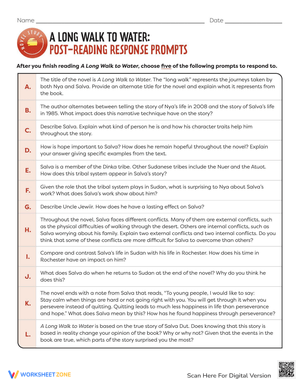
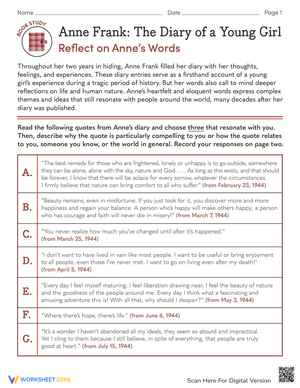
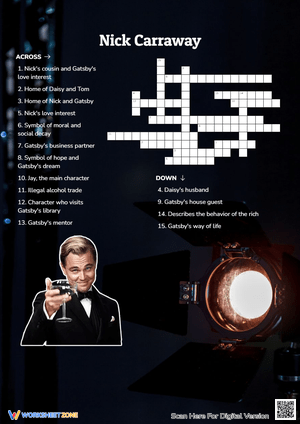
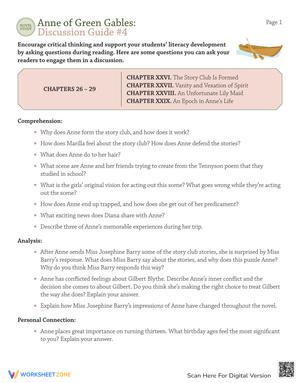
Novel study worksheets for 8th grade give teachers a dependable structure for moving students through a full-length text — one that builds from chapter-level comprehension into the kind of evidence-based literary analysis the grade demands. What teachers actually get here is a set of standalone, downloadable worksheets covering pre-reading, during-reading, and post-reading work, each targeting a specific reading skill so instruction stays purposeful across the full unit.
What the Set Covers
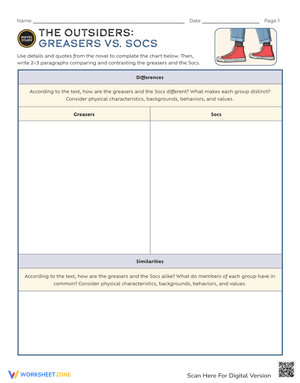
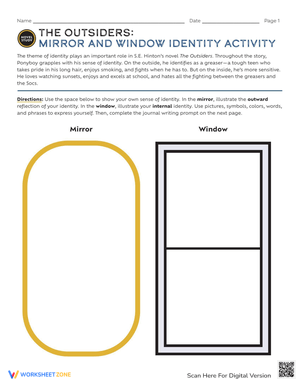
Each worksheet targets a distinct reading skill rather than trying to address everything at once. That focus matters at eighth grade, where the range of skills students are responsible for — summarizing, character analysis, theme tracing, point-of-view study, conflict identification, figurative language interpretation — can blur together if instruction isn't organized. A worksheet dedicated to tracking a character's shifting motivation over three chapters lets students go deeper than a general comprehension check would allow.
The skills covered across the set include:
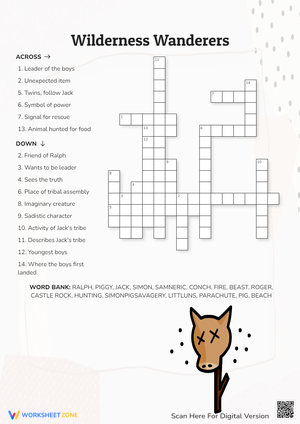
- Vocabulary in context: students identify unfamiliar terms, test meaning against surrounding sentences, and apply new words in short written responses
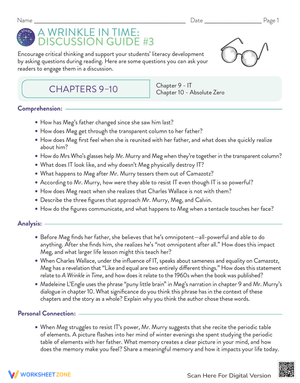
- Chapter comprehension: text-dependent questions requiring specific textual references rather than general recall
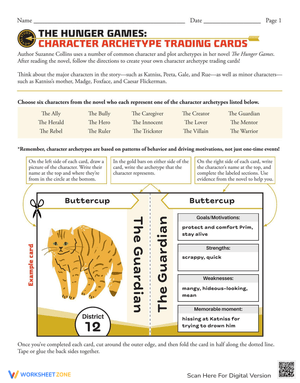
- Character development: students trace how a character's actions, choices, and relationships reveal or shift their central traits across the novel
- Conflict analysis: separating internal and external conflicts and connecting them to plot turning points
- Theme development: identifying how the author builds a theme through repeated images, events, or character decisions
- Point of view and narrator reliability: examining what the narrator knows, what they withhold, and how that shapes the reader's understanding
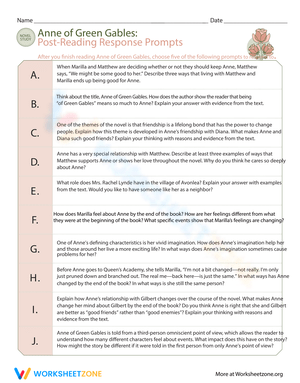
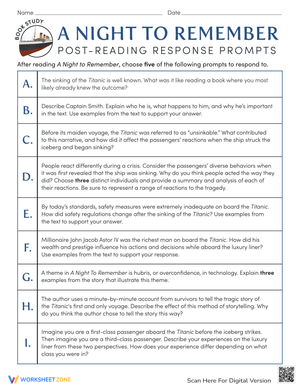
- Evidence-based writing: short constructed responses requiring a claim, a quotation, and a written explanation
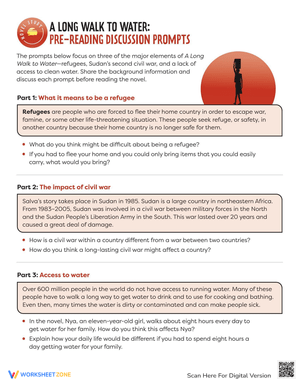
- Discussion preparation: question stems and quotation trackers students complete before whole-class or small-group talk
Mistakes Students Make That These Worksheets Help You Catch
The most persistent problem at this level isn't that students can't find evidence — it's that they treat quotation as explanation. A student will write "This shows the theme," paste a sentence from the text, and consider the job done. They don't see the analytical gap between presenting evidence and actually unpacking what it reveals. Several worksheets ask students to first select a quotation and then answer a follow-up prompt: "What does this reveal that isn't stated directly?" That two-step format forces the inferential work that many eighth graders skip entirely.
A second pattern worth watching: students who track plot accurately will still struggle when asked to connect events to theme. They can tell you what happened in chapter six but not what it means in the context of the novel's larger argument. Theme worksheets here ask students to name the event, identify the character's response, and then state what the author seems to want the reader to conclude — not just "the theme is loyalty" but something closer to "the author is suggesting that loyalty without honesty eventually causes more damage than betrayal would have." That level of specificity is what 8th grade literary analysis actually requires, and getting students there takes repeated, structured practice across the full unit.
Standard Alignment
These worksheets align most directly with CCSS.ELA-LITERACY.RL.8.1 (citing textual evidence to support analysis and inference), RL.8.2 (determining theme and analyzing its development), RL.8.3 (analyzing character development and plot structure), and RL.8.6 (analyzing point of view and its effect on the reader). In classroom terms, RL.8.1 underpins nearly every other standard on that list — students can't analyze theme or point of view without first knowing how to locate and deploy evidence — which is why evidence-based writing tasks appear across the entire set, not only in post-reading work. Vocabulary tasks connect to the Language strand, particularly L.8.4 and L.8.5, which address context-clue strategies and figurative language interpretation.
Smart Ways to Work These Worksheets Into Your Week
Novel study worksheets for 8th grade work best when teachers treat them as tools for specific lesson moments rather than something students work through in linear order every class period. A useful rhythm is one comprehension check after every two or three chapters, an analysis worksheet at the end of each major section, and a short discussion-prep page before any Socratic seminar or literature circle. That distribution gives students regular practice without turning the novel into a daily worksheet routine.
Timing matters. A focused character-analysis worksheet takes most students 20 to 30 minutes when they've already read the assigned chapters. If reading is happening in class, plan the worksheet for the following day so students aren't splitting attention between reading and responding simultaneously. Discussion-prep and quotation-tracker worksheets work especially well as Monday warm-ups after a weekend of independent reading — students re-engage with the text before the whole-group conversation begins, and the students who hesitate to speak voluntarily tend to participate more when they have written notes in front of them.
For teachers running literature circles, assigning different worksheets to different roles — one student tracking vocabulary, another charting character decisions, a third collecting thematic evidence — means each group member arrives with a genuinely distinct contribution. After the circle, a short written response asking students to incorporate at least one idea from their peers (not just their own pre-reading notes) closes the loop between independent work and collaborative discussion.
Adjusting the Worksheets for a Range of Learners
Novel study worksheets for 8th grade have to serve classrooms where reading levels can span four or five grade equivalents. The key is holding the same analytical expectations while changing the structure students use to reach them. A student reading below grade level doesn't need easier questions — they need a clearer path to answering the same hard ones.
Some adjustments that work in real classrooms:
- Break a multi-part analysis prompt into separate labeled boxes — Claim, Evidence, Explanation — so students can see the components before attempting to write them as continuous prose
- Add a short vocabulary bank at the top of the worksheet for students who lose focus when unfamiliar terms slow them down before they even reach the analysis questions
- Offer two or three pre-selected quotations for students to choose among before asking them to locate their own evidence — this reduces the retrieval load while keeping the analytical task intact
- Include sentence starters in the written response section: "The author's choice to show _____ reveals _____" gives students a grammatical foothold without doing the thinking for them
- Add an optional extension prompt at the bottom of each worksheet for students ready for more open-ended interpretive challenges
Students who are English language learners often benefit from those same structural supports — labeled boxes and vocabulary banks — with one addition: a brief glossary of the literary terms used in the prompt itself. Knowing what "narrator" means is a prerequisite for answering any point-of-view question, and that foundational clarity shouldn't be assumed.
Frequently Asked Questions
Do these worksheets work with any fiction novel, or are they written around specific titles?
The set uses skill-based formats rather than title-specific questions, so each worksheet travels well with most grade-appropriate fiction. Character development, theme, conflict, and point-of-view prompts refer to "the protagonist" and "the narrator" rather than character names. Teachers using a novel with an unusual structure — multiple narrators, non-linear timelines, epistolary format — may need to adjust the point-of-view worksheet slightly to fit the specific demands of that text.
How should these worksheets be paced across a unit?
A reasonable pace is three to four worksheets per week: one comprehension check, one skill-focused analysis task, and one writing or discussion support. That leaves room for direct instruction, independent reading, and class conversation without crowding the schedule. Not every chapter needs its own worksheet — selective use keeps the practice meaningful.
Can these be used in independent reading units where students are reading different books at the same time?
Yes. Because the skills targeted here — character development, theme, conflict, evidence selection — are transferable across texts, the worksheets function well in independent reading setups. A character-development worksheet completed on The House on Mango Street beside one completed on Hatchet can feed the same class discussion about how authors signal internal change, because the skill being practiced is consistent even when the texts differ. That cross-text application is part of what makes novel study worksheets for 8th grade useful beyond any single whole-class unit.
How do these worksheets connect to literary analysis essay writing?
Several worksheets function as pre-writing tools — an evidence organizer, a theme-development tracker, a claim-and-warrant graphic that mirrors the structure of a body paragraph. When used consistently across the unit, students arrive at the essay assignment with worksheets full of quotations, explanations, and thematic observations they've already worked through in writing. The essay becomes an act of organizing existing thinking rather than building from scratch, which is exactly the kind of low-panic entry point that produces stronger final drafts.












 Interactive Worksheet Maker
 Quiz Maker
 Word Search Maker
 Crossword Puzzle Maker
 Word Scramble Generator
 Sentence Scramble Generator
 Handwriting Worksheet Generator
 Name Tracing Generator
 Fill In The Blank Generator