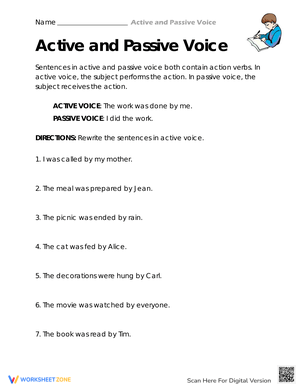
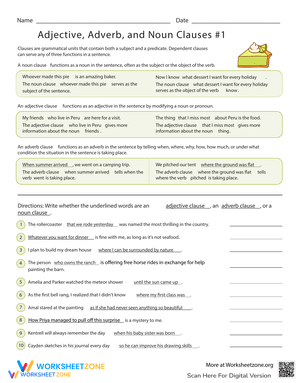
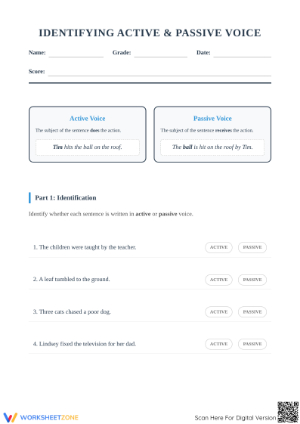
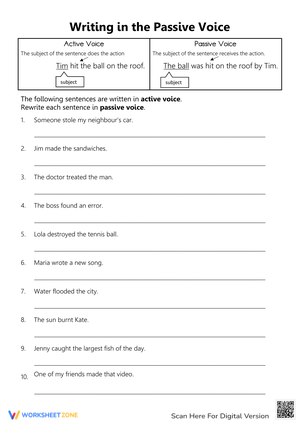
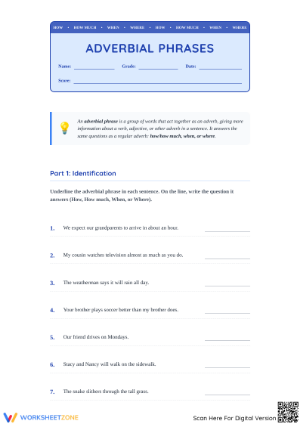
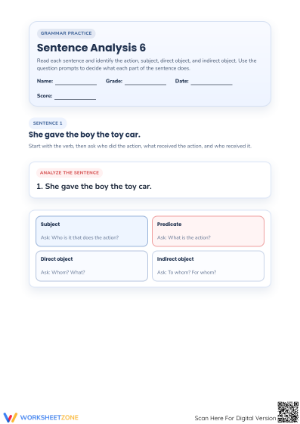
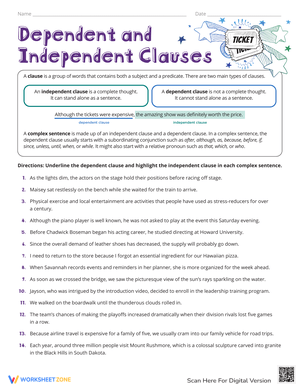
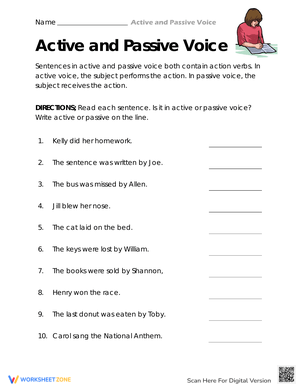
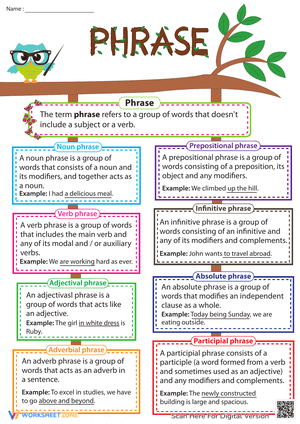
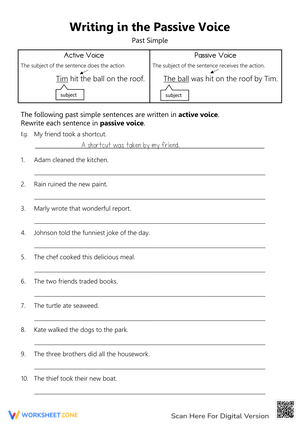
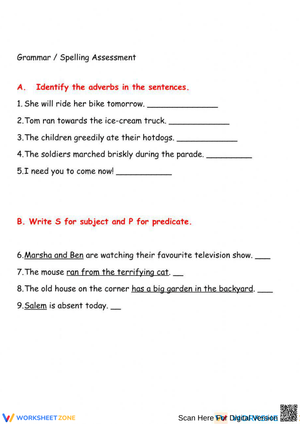
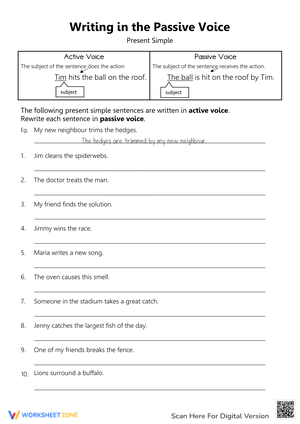
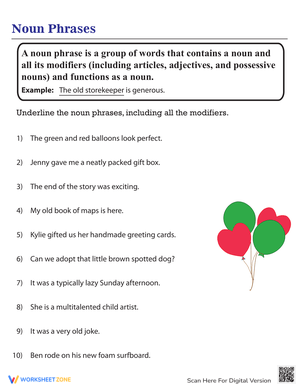
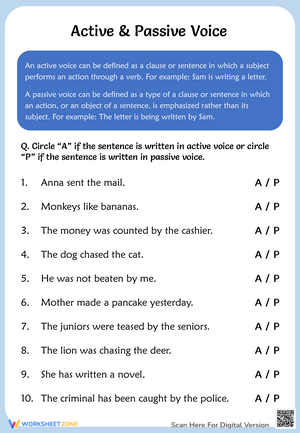
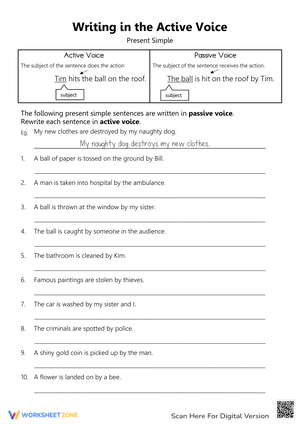
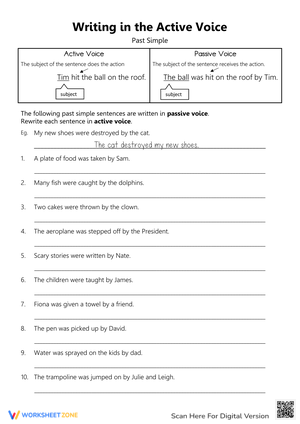
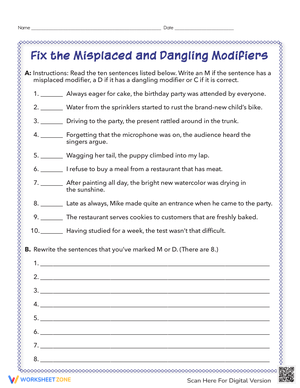
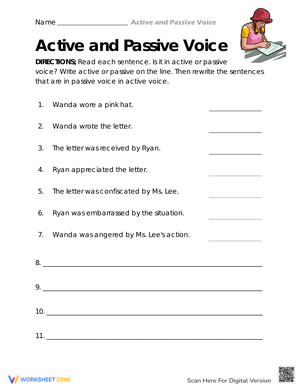
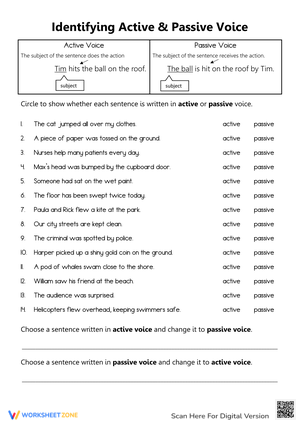
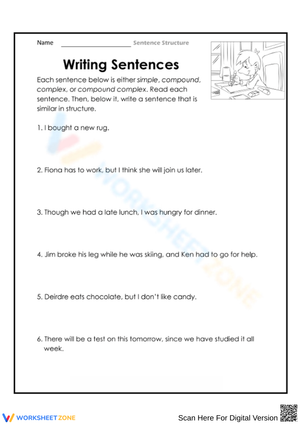
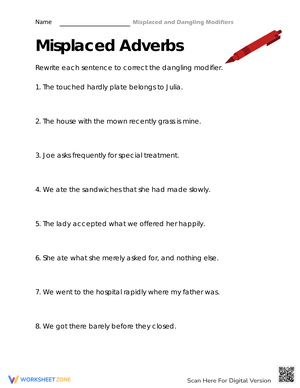
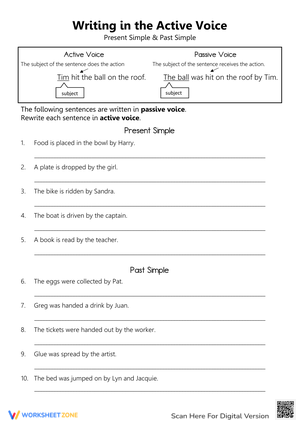
These sentence structure printable worksheets for 7th grade target the gap between what middle schoolers say and what they actually write. Most 7th graders speak in layered, connected ideas — but on the page, those same ideas regularly collapse into fragments, comma splices, and sprawling run-ons. Each worksheet in the set gives teachers focused, repeatable practice to address that disconnect before it calcifies into a writing habit.
The Specific Skills Each Worksheet Builds
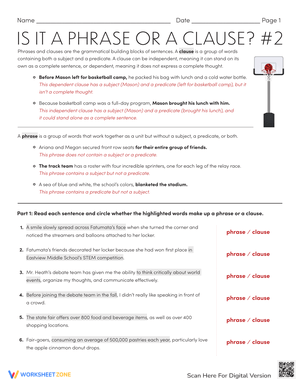
At 7th grade, sentence structure instruction sits at an interesting intersection: students have enough written language experience to recognize patterns but not yet enough control to apply them consistently under pressure. The skills in this set reflect what that stage actually demands.
- Complete sentences vs. fragments: distinguishing fully expressed thoughts from incomplete ones, then revising the incomplete
- Run-ons and comma splices: locating where one idea should end and another begin, then correcting with more than one strategy
- Simple, compound, and complex sentences: classifying each form and producing original examples
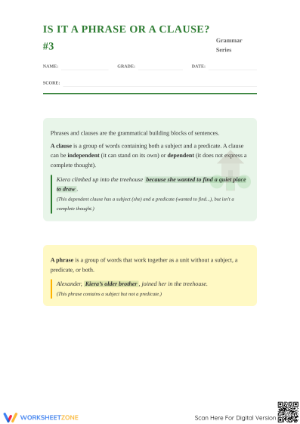
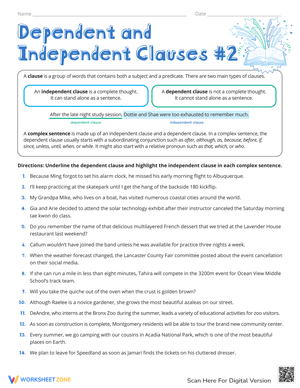
- Independent and dependent clauses: understanding how clause type determines punctuation choices
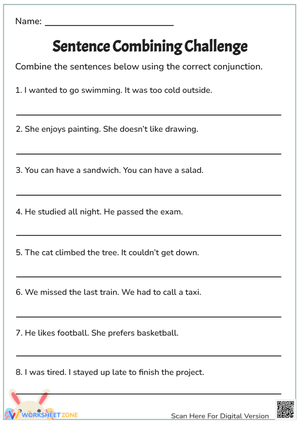
- Sentence combining: merging choppy, repetitive sentences into stronger constructions
- Paragraph-level revision: improving sentence variety within a short stretch of student-style writing
The progression across those skills matters. Identification tasks build awareness. Revision tasks require students to apply what they know. Original writing tasks demand transfer. Keeping each worksheet tightly focused on one or two of these areas means students aren't holding too many new concepts at once while they work.
Mistakes Students Make That These Worksheets Help You Catch
The most stubborn fragment at this grade level isn't the obvious one. It's the dependent-clause fragment dressed in a capital letter and a period: Because she stayed up too late studying. Students who have just learned about subordinating conjunctions often deploy them confidently at the start of a sentence and then stop there — creating a fragment that looks, to them, entirely finished. Repeated practice on that specific pattern, with items that require both identification and revision, helps students start catching it during their own editing.
Run-on corrections follow a predictable wrong turn too. Many 7th graders respond to a comma splice by removing the comma — which produces a fused sentence, not a fix. Worksheets that require students to choose among multiple correction strategies (period and capital letter, semicolon, coordinating conjunction with comma, or subordinating clause) push past the single-fix habit and build genuine grammatical range.
Sentence combining tasks reveal a third pattern: students default to joining two independent clauses with "and" when a complex sentence using a relative or adverbial clause would read more precisely. Where students default in combining tasks tells you more about their actual grammatical range than almost any other item type in the set.
How to Work These Worksheets Into Your Weekly Lesson Plans
The most reliable slot for targeted grammar practice is the first 8 to 10 minutes of class — after attendance but before a reading discussion or writing block gets underway. A focused worksheet with 5 to 8 items fits cleanly in that window. Students work independently, you circulate to look for patterns, and you spend 2 minutes reviewing one or two items before moving on. That routine keeps grammar instruction visible without letting it crowd out writing time.
For small-group reteaching, sentence structure printable worksheets for 7th grade fit well alongside independent drafting time. While most of the class writes, you pull a group still producing persistent fragment or run-on errors, work through 4 to 6 items together, then send them back to apply the same correction in their current draft. The worksheet becomes a targeted bridge between grammar knowledge and actual revision — not a detour from writing.
Sub plans are another strong use. A self-contained worksheet with clear directions and an included answer key runs with minimal setup and no continuity required from the day before. One transfer move that works across all of these contexts: after students complete the worksheet, have them write one original sentence using the target pattern, then find and revise one sentence from their own current draft using the same skill. That two-minute routine keeps grammar from staying isolated on the worksheet alone.
Adjusting Each Worksheet for a Range of Learners
Students who arrive at 7th grade writing mostly in simple sentences need a different entry point than students who overuse compound sentences chained together with "and" or "but." The worksheets in this set address both ends of that range.
For students who need more support, begin with identification tasks before moving to open-ended revision. Providing a reference card with one labeled example of each sentence type — placed alongside the worksheet before students start — keeps the cognitive demand on the grammar skill rather than on recalling definitions from memory. Structured correction tasks, where a flawed version is provided and students fix it, ease the transition toward tasks where choices are left open. An honest tradeoff worth knowing: students who rely on clear right/wrong answer formats often find open revision tasks genuinely frustrating at first. Starting them on structured correction before moving to open revision works better than jumping straight to the harder format.
Students ready for extension can work at the paragraph level: rewriting a short passage that relies too heavily on one sentence type, or combining four choppy sentences into two stronger ones using both compound and complex forms. Asking them to annotate their revisions — a brief note on why they chose a particular structure — shifts the work toward analytical reasoning rather than surface editing.
Standard Alignment
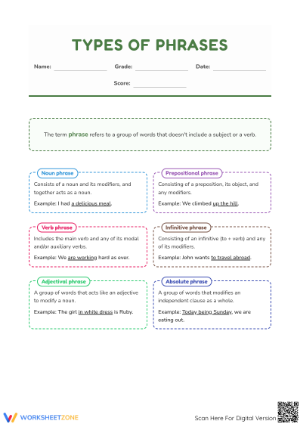
The skills in sentence structure printable worksheets for 7th grade align directly with two CCSS Language standards. L.7.1 covers the knowledge layer — students demonstrate command of standard English grammar, including phrases, clauses, and the distinctions among simple, compound, and complex sentence types. L.7.3 covers the application layer — students use knowledge of language conventions when writing, choosing structures that sharpen meaning and vary sentence rhythm. In classroom terms, L.7.1 is what students can show on an identification task; L.7.3 is what they actually do in a revised draft. Strong grammar practice addresses both, which is why this set includes revision and writing transfer tasks alongside labeling and correction work rather than stopping at identification alone.
Frequently Asked Questions
What sentence structure skills matter most at this grade level?
Fragment identification and repair, run-on and comma splice correction, and the ability to write and classify simple, compound, and complex sentences are the highest-priority skills at 7th grade. The conceptual engine behind most of these is clause identification — specifically, understanding the difference between independent and dependent clauses. Once students have a stable grip on that distinction, punctuation decisions around conjunctions and subordinating clauses start following a logical pattern rather than feeling like arbitrary rules to memorize.
How many items should a worksheet include for a 10-minute warm-up?
Five to eight items is the practical range for a warm-up block. Fewer than five rarely reveals enough of a pattern to act on. More than eight tends to eat into the lesson that follows. For a longer review block — the last 20 minutes of class on a Friday, or a dedicated grammar day — one worksheet with 12 to 15 items gives students enough repetition to move past surface recognition into something closer to fluency with the skill.
How do these worksheets work for students with learning differences?
The self-contained format and focused skill targets make these resources workable for extended time accommodations, small-group instruction, and resource room use. For students who benefit from visual support, placing a labeled reference example at the top of the worksheet — or providing one on a separate card before they begin — keeps cognitive demand on the actual grammar task rather than on recovering definitions from memory. The structured correction format also works well for students who process better with a clear model in front of them.
Where does this kind of practice fit within a writing unit?
Teachers get the most from sentence structure printable worksheets for 7th grade at three points in a unit: at the start, to check actual readiness rather than assumed readiness; during drafting, as a short warm-up to keep a target skill visible without stopping writing momentum; and at revision, to give students the technical vocabulary for reading their own work more critically. Distributing grammar practice across those moments — rather than clustering it all into one week of isolated drills — makes it far more likely to hold when students need it in their writing.












 Interactive Worksheet Maker
 Quiz Maker
 Word Search Maker
 Crossword Puzzle Maker
 Word Scramble Generator
 Sentence Scramble Generator
 Handwriting Worksheet Generator
 Name Tracing Generator
 Fill In The Blank Generator