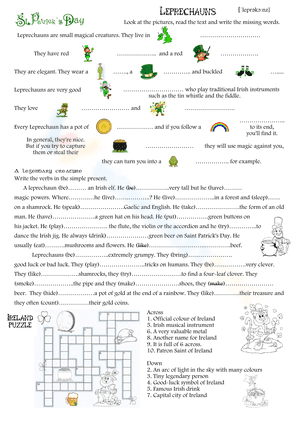
These grammar and mechanics worksheets for 7th grade give ELA teachers targeted, printable practice that fits the real rhythms of a middle school week — bell ringers that need no three-minute explanation, reteaching material for Thursday small groups, and review that holds up in a sub plan folder. The worksheets cover punctuation, sentence structure, verb tense, pronoun agreement, capitalization, and editing in context, with tasks that ask students to correct errors rather than select an answer and set the worksheet aside. At seventh grade, students are expected to control these conventions in their own writing, which is exactly why practice needs to move past isolated drills.
What Each Worksheet Targets
The skills in these worksheets reflect the grammar and mechanics demands that surface most often in 7th-grade essays — not a random assortment of rules but the conventions students need to write clearly and revise their own drafts with some independence.
- Punctuation: comma placement in complex and compound sentences, apostrophes for possession versus contraction, quotation marks in dialogue and titles, and end punctuation choices that affect sentence meaning.
- Capitalization: proper nouns, titles, dialogue openings, and less obvious cases such as geographic regions, school subject names, and acronyms.
- Sentence structure: identifying and correcting fragments and run-ons, combining short sentences, and producing the varied syntax that 7th-grade writing standards expect.
- Pronoun use and agreement: pronoun-antecedent agreement, case choices, and the indefinite pronoun constructions — "everyone," "nobody," "each" — that reliably trip students up in paragraph-level writing.
- Verb tense consistency: maintaining tense across a paragraph, distinguishing simple past from present perfect, and catching shifts that break narrative or expository clarity.
- Editing passages: multi-error paragraphs where students mark and correct realistic mistakes in context, moving from error recognition toward independent revision habits.
The editing passage worksheets reward use late in a skill cycle. Students who complete sentence-level exercises first and then return to an editing passage a few days later catch errors faster and articulate their corrections more precisely — a pattern consistent with spaced practice building on earlier exposure.
Common Mistakes Teachers Should Anticipate Before Assigning This Set
The comma splice is the most reliable 7th-grade error to plan around. Students can identify two independent clauses in a textbook exercise and still write "I finished the essay, it was due Friday" in a paragraph draft without flagging it. The rule is stored; the recognition doesn't transfer to their own sentences. When introducing comma splice work, projecting an anonymized student example from recent writing tends to snap attention faster than a grammar rule written on the board.
Pronoun-antecedent agreement with indefinite pronouns causes consistent trouble. Students who write "Everyone raised their hand" aren't confused about pronouns in the abstract — they're making a reasoned choice based on how they speak and hear language. What they haven't yet sorted out is the difference between conversational usage and formal written register. That distinction belongs in the lesson introduction, not buried in answer-key feedback after the worksheet is already done.
Apostrophe hypercorrection is a third pattern worth watching for. After a lesson on possessives, students start adding apostrophes to plain plurals that don't need them: "the student's left their backpack's outside." Each worksheet on apostrophe use should include plain plurals alongside possessives so students practice the actual distinction rather than a rule they're applying too broadly.
Fitting These Worksheets Into a Workable Weekly Routine
These grammar and mechanics worksheets for 7th grade work best as part of a repeatable instructional structure rather than something dropped in when a lesson runs short. A consistent pattern — introduce the skill Monday, practice it Tuesday, revisit in context Wednesday or Thursday — builds the spaced repetition that grammar retention actually requires. Students who encounter the same skill three times across a week in different task formats retain it far better than students who complete one extended exercise and move on.
For whole-class instruction, project one item from the worksheet and think aloud through the correction before releasing students to work independently. That think-aloud step is easy to cut when time is tight, but it's where students hear the reasoning behind a correction rather than just seeing the answer. For small-group reteaching, choose one narrowly focused worksheet tied to a skill that surfaced as a gap in recent writing samples. Keep those sessions tight — 8 to 12 items is often more productive than a longer worksheet when students are already frustrated with a concept.
A simple transfer move that raises the value of any editing worksheet: after students correct the errors, ask them to write two original sentences using the same convention correctly. That step turns passive correction into active generation, and it shows teachers whether students can apply the skill outside the drill context or only recognize it when errors have already been flagged for them.
Adjusting the Worksheets for Different Student Levels
Not every seventh grader needs the same entry point into grammar and mechanics practice. Students still working on sentence boundaries and basic punctuation need a different worksheet than students who are ready to edit multi-error paragraphs — and those two groups often sit in the same classroom period.
For students who need more direct support, assign worksheets that isolate one skill at a time and include a brief reference example at the top — a sample sentence showing the convention applied correctly. That small addition reduces re-explanation time and lets students work with more independence. For students ready for extension, multi-error editing passages are the right tool. Ask them not just to correct errors but to write a sentence explaining why each correction improves the prose. That explanatory requirement surfaces whether a student genuinely understands the rule or is guessing based on how the sentence sounds.
One practical note on reading fluency: students who struggle to decode text fluently often find editing passage worksheets harder than expected — not because they lack grammar knowledge, but because they spend cognitive effort reading the passage rather than analyzing it for errors. Reading the passage aloud together before the editing task removes that barrier without reducing the grammar challenge at all.
Standard Alignment
The skills in these worksheets align to the CCSS Language strand for 7th grade, specifically L.7.1 — command of standard English grammar and usage, including phrases, clauses, and sentence variety — and L.7.2, which addresses capitalization, punctuation, and spelling conventions. These standards sit under the Language strand rather than the Writing strand because the Common Core framework treats grammar instruction as an ongoing element of writing development rather than a standalone unit. In practical classroom terms, that means mechanics practice connects directly to revision and editing during the writing process, not just to isolated grammar quizzes. Grammar and mechanics worksheets for 7th grade that include sentence-combining and clause-level work also support L.7.3, which asks students to choose language for effect and clarity — skills that go beyond rule-following into actual revision thinking.
Frequently Asked Questions
What grammar skills do 7th graders need the most consistent practice with?
Punctuation, sentence structure, verb tense consistency, and pronoun agreement are the skills that surface most often as problems in 7th-grade writing. The comma splice and the fragment are the two errors teachers see most reliably in first drafts. Editing passage worksheets that target these in context are generally more useful than sentence-level exercises alone, because students need to learn to spot errors mid-paragraph — not only at the end of a clearly labeled drill.
Can individual worksheets be used for bell ringers or sub plans?
Yes — each worksheet stands alone with clear, independent directions, making these grammar and mechanics worksheets for 7th grade a practical fit for bell ringers, homework assignments, and any class period covered by a substitute. For sub plans, pairing a worksheet with a separate answer key lets students self-check and prevents a pile of unmarked papers from accumulating during a sick day.
How do these worksheets connect to what students are doing in writing?
The most effective approach is to tie worksheet selection to errors visible in current student drafts. If a class-wide essay reveals comma splices throughout, assign the relevant worksheet within the next two days while the feedback is still fresh. Grammar practice sticks faster when students recognize that the conventions they're drilling are the same ones that created problems in their last piece of writing.















 Interactive Worksheet Maker
 Quiz Maker
 Word Search Maker
 Crossword Puzzle Maker
 Word Scramble Generator
 Sentence Scramble Generator
 Handwriting Worksheet Generator
 Name Tracing Generator
 Fill In The Blank Generator